
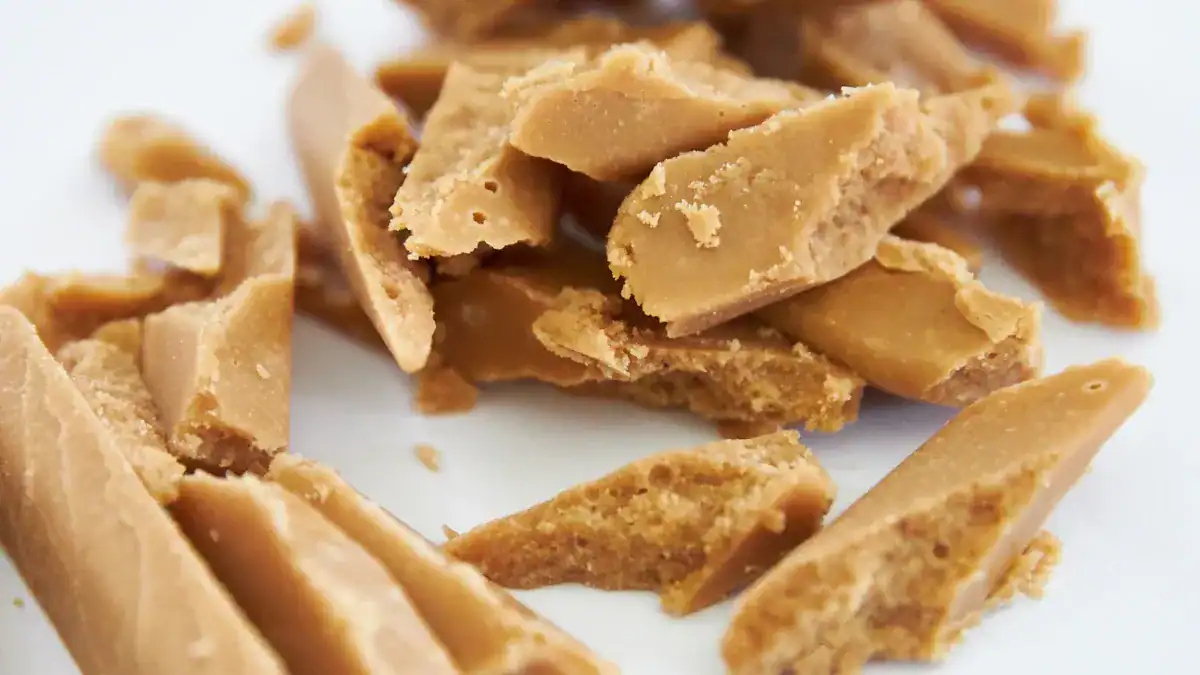
Unlock the natural power of this oil. Shea oil, a versatile ingredient often derived from shea butter, offers incredible advantages for your skin. The global shea butter market thrives, with cosmetics dominating over 70% of its value. Leading brands frequently use highest quality shea butter in their formulations. Shea oil boasts unique properties due to its higher oleic acid content compared to shea butter. You can see the difference in composition here:
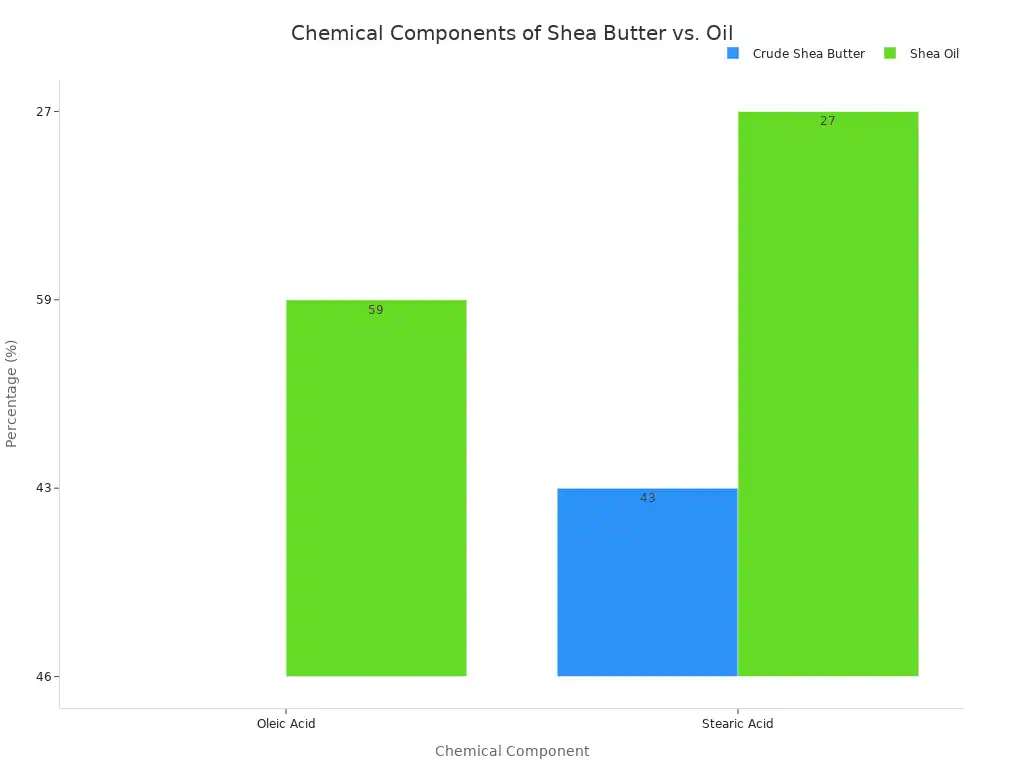
This blog explores the top 10 benefits of incorporating shea oil into your daily routine. These benefits often mirror shea butter benefits in a lighter form.
1. Deep Skin Moisturization
How Shea Oil Hydrates
Shea oil offers superior hydration for your skin. This natural ingredient deeply penetrates your skin. It is rich in essential fatty acids and minerals. These components work to prevent dry skin. Shea butter, a close relative, also provides these benefits. However, this oil delivers them in a lighter form. You will find that this oil acts as an excellent moisturizer.
It helps balance the oils on your skin. Specifically, linoleic, palmitic, stearic, and oleic essential fatty acids are present. These essential fatty acids lubricate your skin. They also form a protective barrier. This barrier helps your skin retain moisture. Shea also contains cetyl esters. This waxy part of shea butter conditions the skin. It effectively locks in moisture, providing powerful moisturizing effects.
Long-Lasting Effects
The deep penetration of this natural ingredient ensures long-lasting moisturizing. Your complexion feels soft and supple for hours. Unlike some lighter lotions, shea butter does not evaporate quickly. It continues to nourish your body’s largest organ throughout the day. Regular use of this natural moisturizer improves your skin’s overall health. It helps maintain a healthy skin barrier. This means your skin stays hydrated and protected. You will notice a significant difference in your skin’s texture and appearance. The consistent moisturizing action helps keep your skin smooth. This makes shea an ideal choice for daily skin care.
2. Soothes Dry Skin
Anti-Inflammatory Action
Shea oil offers powerful anti-inflammatory properties. These properties help calm irritated skin. Shea butter, from which shea oil is derived, actively reduces inflammation. It does this by inhibiting specific pathways in your body. For example, shea butter stops iNOS, COX-2, and cytokines through the Nf-kappaB pathway. This action helps in reducing inflammation at a cellular level. You will find that shea contains triterpenes like lupeol cinnamate and alpha-amyrin. These compounds show high activity against inflammation. They significantly reduce the release of pro-inflammatory mediators. This includes IL-1α cytokine in skin cells. They also reduce MMP-3 expression. This means shea helps your skin heal and reduces redness.
Eases Irritation
You can use shea oil to ease various skin irritations. Its anti-inflammatory and antimicrobial properties make it effective. The anti-bacterial behavior of shea comes from its phytochemical components. These include steroids and flavonoids. These components help fight off harmful microbes on your skin. This makes shea a good choice for soothing conditions like eczema and psoriasis. It provides relief for these dry skin conditions. Regular use of shea oil improves your overall skin appearance. It calms irritation and helps prevent cell damage. This natural treatment supports healthier, more comfortable skin.
3. Boosts Hair Growth and Strength
Scalp Health Nutrients
Shea oil offers vital nutrients for a healthy scalp. These nutrients promote strong hair. You will find fatty acids like oleic, stearic, palmitic, and linoleic acid. These fatty acids moisturize and soothe your scalp. Oleic acid acts as an antioxidant. It forms a protective layer on your hair and scalp. Linoleic acid improves hydration. It creates a barrier on skin and hair follicles. This acid also helps improve thinning hair and promotes healthy growth. Shea butter is rich in these essential fatty acids, vitamins, and antioxidants.
It nourishes your scalp and improves circulation. This creates an optimal environment for healthy hair growth. Shea butter penetrates deeply. It strengthens hair follicles and protects strands from breakage. This makes it a versatile choice for encouraging longer, stronger, and fuller hair. Dr. Hope Mitchell, a board-certified dermatologist, highlights linoleic acid and vitamin E in shea butter. She says they are crucial for maintaining moisture and combating free radicals. These are essential for strengthening and protecting hair.
They support overall scalp and hair health. Vitamin A protects scalp skin cells. It promotes wound healing and skin regrowth. It also helps reduce dryness, infections, and irritation. Vitamin E boosts circulation to your scalp. It reduces environmental damage due to its antioxidant properties. It helps protect against free-radical damage that impacts hair health.
Reduces Breakage
Shea oil helps prevent dry hair. It significantly reduces breakage and minimizes split ends. This directly contributes to stronger, healthier hair. The natural fatty acids in shea oil coat each hair strand. This coating provides a protective shield against environmental damage.
It also effectively reduces moisture loss from your hair. This dual action helps prevent hair breakage. Shea butter possesses excellent moisturizing and anti-inflammatory properties. These properties work together to strengthen individual hair strands. They reduce the likelihood of breakage. Regular application of this oil provides a beneficial treatment for your hair. It makes your hair more resilient to daily styling and environmental stressors. You will notice less hair falling out. Your hair will look visibly healthier and feel considerably stronger.
4. Reduces Fine Lines and Wrinkles
Antioxidant Properties
You can use shea oil for its remarkable anti-aging properties. This natural ingredient helps combat the signs of aging. Shea oil contains a high concentration of vitamins and other beneficial compounds. These act as powerful antioxidants. They protect your skin from damage caused by free radicals. Free radicals contribute to premature aging and the formation of fine lines and wrinkles.
Shea oil’s antioxidant capacity comes from its rich bioactive components. Look at the table below to see some of these components:
Antioxidant Component/Activity | Crude Shea Butter Value | Comparison/Notes |
|---|---|---|
Total Phenolic Content (TPC) | 0.211 mg/g | Ranges from 0.0 to 4.0 mg/g (Goumbri et al.) |
Total Flavonoid Content (TFC) | 40.14 mg catechin/100 g oil | Higher than refined shea fractions |
Unsaponifiable Matter (USM) | 5.1% | Higher than other vegetable oils |
Radical Scavenging Activity (RSA) | 28.33% | Specific value for crude shea butter |
Tocopherols (Total) | 10.06 mg/100g | Highest in crude shea butter |
Squalene (Phytosterol) | 0.20 mg/g | Higher in crude shea butter |
This high content of unsaponifiable matter (USM) in crude shea butter, which includes sterols, fatty alcohols, and tocopherols, indicates a wealth of antioxidants. Tocopherols, like alpha-tocopherol, eliminate free radicals. They prevent lipids from turning rancid. Shea also contains unique phytosterols, such as squalene, lanosterol, α-amyrin, and β-amyrin. These triterpenes, along with lupeol, show strong antioxidant and free radical scavenging effects. These components protect your skin.
Boosts Collagen
Shea oil does more than just protect your skin. It also aids in boosting collagen production. Collagen is a vital protein. It provides structure and elasticity to your skin. As you age, your body produces less collagen. This leads to sagging skin and the formation of wrinkles. The vitamins and antioxidants in shea oil help stimulate your skin’s natural collagen synthesis. This process helps maintain your skin’s firmness and smoothness.
Regular use of shea oil can improve your skin’s overall texture. It helps reduce the appearance of existing fine lines and prevents new ones from forming. You will notice a more youthful and radiant complexion. Shea butter, the source of shea oil, also offers these benefits. It helps your skin stay supple and resilient. This makes shea a valuable addition to your anti-aging skincare routine.
5. Protects Against Sun Damage
You can use shea oil to help protect your skin from sun damage. It offers mild natural SPF properties. This oil also creates a barrier against environmental stressors.
Natural SPF Qualities
Shea oil provides a degree of natural sun protection. Scientists determine the Sun Protection Factor (SPF) for botanical oils in a lab. They measure absorption values using a UV spectrophotometer. Then, they apply the Mansur equation to calculate the SPF values for each oil. You can see some examples of shea butter SPF values below:
Shea Butter Sample | Concentration | SPF Value |
|---|---|---|
C | 1.00% | 37.49% |
A | 1.00% | 25.17% |
All samples | 0.50% | < 1% |
These values show the potential of shea butter at higher concentrations. Several compounds in shea oil contribute to its natural SPF. These include:
Triterpenic alcohol cinnamate esters: These compounds absorb UV light in the 250-300 nm range. This is the UVB range. They significantly contribute to shea butter’s SPF, estimated between 6-10.
Catechins: These are known for antioxidant benefits. They also help protect against light damage by fighting environmental stressors.
Vitamins A, E, and F: These vitamins offer antioxidant protection. They indirectly support sun protection. They neutralize free radicals caused by UV exposure. Shea oil helps shield your skin.
Environmental Barrier
Beyond its mild SPF, shea oil forms a protective barrier on your skin. This barrier helps defend against various environmental stressors. These stressors include pollution and harsh weather conditions. You apply the oil. It creates a layer that locks in moisture. This layer also keeps harmful elements out. This physical barrier offers an additional layer of protection. It helps maintain the health and integrity of your skin. Regular use of shea oil supports your skin’s natural defenses. It keeps your skin resilient against daily challenges.
6. Heals Minor Wounds
You can use shea oil to help heal minor cuts and scrapes. It offers antiseptic qualities and speeds up the healing process. This natural oil also helps prevent cell damage.
Antiseptic Benefits
Shea oil possesses strong antiseptic properties. Shea butter, the source of shea oil, contains antibacterial compounds. These include more than seven catechin compounds. These compounds help fight off harmful microbes. You can rely on shea oil to inhibit the growth of various microorganisms.
Consider its effectiveness against common infections:
It effectively stopped the growth of C. albicans and Trichophyton spp. Its efficacy was similar to standard antibiotic drugs.
The oil showed activity against E. coli, S. aureus, and Streptococcus spp. However, these organisms sometimes showed resistance.
At full strength, shea oil created an 8mm zone of inhibition against Candida albicans. This was better than Co-trimoxazole.
You can consider shea oil as an alternative treatment for infections caused by C. albicans and Trichophyton species. Its natural compounds provide this protective action.
Accelerates Healing
Shea oil does more than just fight germs; it also helps your skin heal faster. Shea butter influences cellular processes involved in wound healing. It can inhibit fibroblast growth. Fibroblasts are cells that play a key role in scar formation. Studies show that shea butter, along with other fatty acids, inhibits cell growth in keloid fibroblast cultures. This means shea impacts how cells multiply during healing.
Traditionally, people use shea butter as a skincare product. It hydrates your skin and softens scar tissues.
7. Conditions and Softens Hair
Adds Shine and Manageability
You can use shea to make your hair softer and more manageable. This natural product adds a beautiful shine to your hair. It deeply nourishes each strand.
Shea butter penetrates the hair shaft, providing intense hydration and preventing dryness. Regular use can make hair softer and more manageable, reducing breakage. Shea butter can help to tame frizz, giving hair a smoother appearance.
Many users have shared their experiences. They often praise its transformative effects. A user noted, “my hair felt virgin, soft, and shiny” after using shea butter… This shows how effective shea butter can be for improving hair texture. Shea’s unique properties help achieve these results.
Shea oil’s superior spreadability and penetration into hair follicles contribute to its effectiveness.
A study indicated that oil treatments, due to their easier spread, reduced combing force on wet hair more effectively than butters. Dermatologist Stacy Chimento, MD, states that shea butter, rich in vitamins A and E and essential fatty acids, can increase hair shine by reducing moisture loss and preventing split ends. This means your hair looks healthier and feels smoother. It becomes easier to detangle and style.
Tames Frizz
Shea is excellent for taming frizz. It helps prevent hair from becoming parched, which often leads to frizz. Frizz occurs when hair cuticles are raised, allowing moisture to enter and swell the hair shaft.
Shea Butter’s moisturizing properties help to smooth down the hair cuticle, taming unruly frizz and providing a sleek and polished look. It also contributes to overall hair health, preventing damage and breakage that can lead to frizz.
When you apply this product, it creates a protective layer. This layer seals moisture into your hair strands. This action smooths the hair cuticle. It makes your hair less prone to frizz. Regular use of shea as a hair treatment improves your hair’s texture. You will notice your hair becomes easier to style. It will also have a polished appearance. This consistent care helps maintain a smooth, sleek look throughout the day.
8. Reduces Stretch Marks and Scars
You can use shea oil to improve your skin’s appearance. It helps reduce the visibility of stretch marks and scars. This natural oil works by enhancing your skin’s natural properties.
Improves Skin Elasticity
Shea oil significantly improves your skin’s elasticity. This property helps prevent new stretch marks from forming. It also minimizes the appearance of existing ones. When your skin stretches or shrinks rapidly, it can tear the underlying layers. This causes stretch marks. Shea oil nourishes your skin, making it more pliable and resilient.
This oil contains beneficial components that support elasticity:
Vitamins A
Vitamins D
Phytosterols
These elements work together to strengthen your skin’s structure. They help your skin bounce back. Regular application of shea butter can make a noticeable difference. Your skin becomes more supple.
Fades Existing Marks
Shea oil also helps fade existing stretch marks and scars. It supports your skin’s natural healing processes. This action leads to a more even skin tone.
Here is how shea butter helps fade these marks:
Enhances collagen production: Collagen is the main protein providing structure to your skin. Increased collagen improves skin elasticity. This allows your skin to stretch and shrink without forming marks.
Prevents the breakdown of existing collagen: By preserving collagen already present in your skin, shea butter helps maintain skin integrity.
These actions allow your skin to achieve a more natural and even tone. This leads to the disappearance of stretch marks.
Shea butter’s high fat content (60%) and natural moisturizers facilitate easy penetration into your skin. This contributes to its effectiveness.
You can apply shea oil as a daily treatment. It helps your skin repair itself. This natural approach offers a gentle way to improve your skin’s texture and appearance.
9. Soothes Muscle Soreness
Topical Relief
You can use shea oil to find relief from muscle soreness. This natural oil offers significant anti-inflammatory benefits when you apply it to your skin. Shea oil contains special compounds called triterpenes. These include butyrospermol, lupeol, and α and β-amyrin. These compounds work to calm your body’s response to stress. They suppress NF-κB activation. This action reduces certain proteins, like IL-6, that cause inflammation. High levels of IL-6 often link to muscle soreness. Applying shea oil can help reduce this inflammation. This brings comfort to your tired muscles. Shea butter also shares these soothing qualities.
Post-Workout Benefits
Shea oil is especially helpful after you exercise. Intensive workouts can leave your muscles feeling tender. This is often due to tiny tears in muscle fibers and the resulting inflammation. Studies show that extracts from shea nut oil can significantly relieve muscle tenderness. This relief comes from reducing the proinflammatory cytokine IL-6. You can massage shea oil directly onto sore areas. It helps to reduce discomfort and speed up your recovery. This anti-inflammatory action makes shea a great natural choice for post-workout care. You will feel more comfortable and ready for your next activity.
You have learned about shea oil’s many benefits. It deeply moisturizes your skin. It soothes irritation. This oil strengthens your hair. It reduces fine lines. It protects against sun damage. It heals minor wounds. This oil conditions hair. It fades marks. It also eases muscle soreness. Shea is safe for all skin types. You should add this natural oil to your daily routine. Experience these advantages for your beauty and health.
FAQ
What is shea oil?
Shea oil is a natural oil. You get it from the shea nut. It is a lighter form of shea butter. This oil contains many fatty acids and vitamins. It offers great benefits for your hair and skin.
What makes shea oil different from shea butter?
Shea oil has a higher oleic acid content. This makes it lighter and more liquid. Shea butter is thicker. It has more stearic acid. Both offer similar benefits. Shea oil absorbs faster into your skin.
What are the primary benefits of shea oil for your skin?
Shea oil deeply moisturizes your skin. It soothes irritation and reduces inflammation. You can use it to improve skin elasticity. It also helps protect your skin from environmental damage. This oil promotes a healthy complexion.
What skin types can safely use shea oil?
Shea oil is non-comedogenic. This means it will not clog your pores. It is also hypoallergenic. You can use it on all skin types. This includes sensitive and acne-prone skin. It is very gentle for your skin.