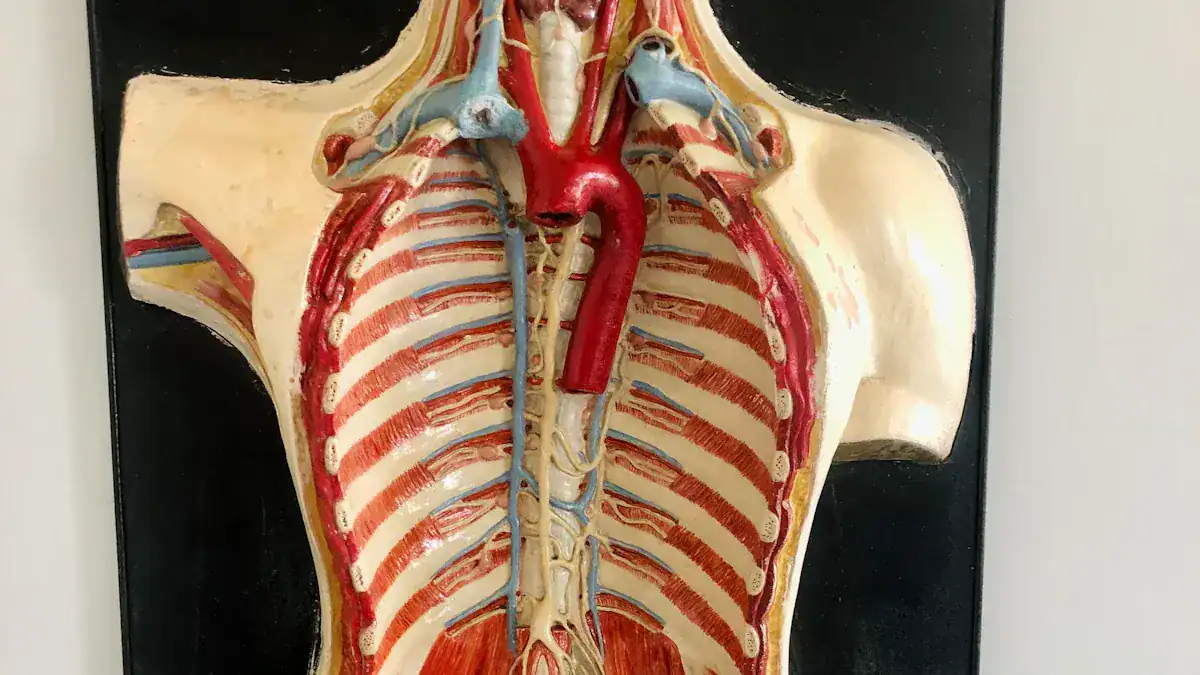
When you think about core muscles, you might only picture “six-pack” abs. However, your core is much more than just those visible abdominal muscles. It involves a complex group of muscles making up your entire torso anatomy. These essential muscles provide vital support for your spine. They also enable powerful movements and transfer energy throughout your body. Understanding this core anatomy is key for your fitness goals. It helps you prevent injuries and boosts your overall well-being.
Key Takeaways
Your core is more than just your ‘six-pack’ muscles; it includes many muscles in your abdomen, back, and pelvis that support your spine and help you move.
A strong core helps you stand tall, improves your balance, and protects your body from injuries, especially in your lower back.
Core muscles work together like a team to help you move efficiently and powerfully in daily activities and sports.
Understanding where your core muscles are helps you train them better and improve your overall health and fitness.
Defining the Core
The core is much more than just your visible abdominal muscles. It is a complex muscle system. These muscles surround your spine, internal organs, and hips. Think of your core as your body’s central powerhouse. It acts as your primary stabilizer. You can also call it your trunk. Understanding this core anatomy helps you grasp its true importance.
Core Boundaries
You might wonder where your core begins and ends. The core’s boundaries are clearly defined by several key anatomical structures.
Superiorly: Your core extends to your lower ribs (7th–12th ribs), costal cartilages, and the xiphoid process of your sternum.
Posteriorly: It includes your lumbar vertebrae (L1–L5) and your 12th rib.
Inferiorly: Your core reaches down to your iliac crest, anterior superior iliac spine (ASIS), pubic symphysis, pubic crest, and inguinal ligament.
These boundaries show you that the core encompasses a large and vital part of your torso. It involves many different muscle groups working together.
Why a Strong Core Matters
A strong core is vital for many reasons. It offers crucial support to your spine. It helps you maintain proper alignment and good posture. Your core muscles stabilize your vertebrae. Strengthening these muscles improves spinal stability. This reduces your risk of injuries and pain.
The Transverse Abdominis (TrA) is a key muscle. It activates before you even move. This stabilizes your spine. It reduces the load on your spine. The Internal Oblique (IO) also helps. It improves rotational stability. It gives lateral support to your trunk. If these deep stabilizing ones, like the TrA, do not work well, you might experience low back pain. You could also have problems with postural control. This shows how important these components of the core are.
A strong core also impacts your daily life. Core endurance helps physically inactive people move better. It gives greater stability. This helps transfer force from your body’s center to your arms and legs. If you have chronic low back pain, you often have weak core endurance. Improving your core endurance can make your core more stable. It helps distribute force from your core to your limbs.
Your core strength is also crucial for producing force. When your core gets tired, you might not be able to produce as much shoulder strength. This means core fatigue hinders the stabilization of your core structures. This then reduces your ability to produce force. A strong core allows you to maintain functional abilities in daily activities. It helps you sustain force transmission and production.
Research highlights many benefits of a strong core:
Reduced lower body injury: Studies link core stability to fewer lower extremity injuries. Core strengthening helps if you have a history of hip, feet, or leg injuries.
Stabilized lower back: Core back muscle quality decreases with aging. Interventions help older adults with back pain. Women often have smaller core back muscles. Hormonal changes after menopause can affect core muscle quality.
Enhanced flexibility: A 4-week core strength program improved core stability in active students. This suggests benefits for movement control and posture reaction.
Improved balance: Daily core strength exercises improve balance. They also boost independence and quality of life in older adults.
Supported better posture: Yoga strengthens your core. It can improve posture by activating specific muscles through various poses.
Reduced or prevented pain: Weakened core muscles and mobility issues link to chronic back pain. This affects many people.
Easier running: An 8-week core training program helped male college athletes. It improved static balance, endurance, and running energy levels. Targeted core exercises can help your running form, speed, and breathing.
These benefits show you why focusing on your core is essential for overall health and performance.
Core Muscle Groups

Your core is a complex network of muscles. These muscles work together to support your body. They include muscles in your abdomen, back, and pelvis. Understanding these specific muscle groups helps you build a stronger, more stable body. Let’s explore the key muscles of the core.
Abdominal Wall Muscles
The abdominal wall muscles form a protective layer around your organs. They also connect your thorax (chest) to your pelvis. These muscles are often called “harness muscles” because they wrap around your midsection. You have four main abdominal muscles that contribute to your overall abdominal development.
Rectus Abdominis: This is the muscle that gives you the “six-pack” look. It runs vertically down the front of your abdomen. The rectus abdominis muscles have several important jobs.
They help you flex your torso, like when you do a sit-up or bend forward.
They keep your pelvis stable.
These muscles work with other abdominal muscles to stabilize your upper body and pelvis.
They assist with bodily functions such as urination, defecation, sneezing, and childbirth.
They also help you exhale by contracting your lungs.
The rectus abdominis flexes your lumbar spine, bringing your ribcage closer to your pelvis. It plays a vital role in maintaining your posture and stability in your abdominal region. This muscle is active in movements like bending and twisting your torso.
Obliques (Internal and External): You have two sets of oblique muscles on the sides of your abdomen. They help you twist and bend sideways.
The internal oblique muscle is crucial for trunk movement. It helps you bend forward, bend sideways, and twist your trunk to the same side. This muscle helps keep your core stable during many activities. Its main role in trunk rotation and flexion is vital for your balance and core strength.
The external oblique muscle works with the internal oblique. It helps you twist your trunk to the opposite side. You can see how their fibers run in different directions:
Muscle | Fiber Orientation |
|---|---|
Internal Oblique | Upward and inward |
External Oblique | Downward and forward |
Transverse Abdominis (TrA): This is the deepest abdominal muscle. It wraps around your torso like a corset or a wide belt. The transverse abdominis acts as your body’s natural weightlifting belt. It compresses your abdominal contents and stabilizes your spine before you even move. This muscle is a key player in your core anatomy.
Back Muscles of the Core
Your core also includes important muscles in your back. These muscles move, support, and stabilize your spine. They are essential for good posture and preventing back pain.
Erector Spinae Group: This group of muscles runs along your spine from your pelvis to your skull. They are crucial for keeping your spine upright and supporting your body’s movements.
They help you extend your spine (straighten up) and bend it sideways.
Specific muscles within this group, like the iliocostalis, longissimus, and spinalis, contribute to these actions.
These muscles also help with back extension, lateral back flexion, and lateral back rotation.
They are essential for keeping the natural curves of your spinal column. Weakened erector spinae muscles often link to a weak core. This can happen from sitting too much, leading to poor posture.
Multifidus: This is a deep muscle located along your spine. The multifidus muscle contributes to spinal stability. It works with other core muscles like the transverse abdominis, diaphragm, and pelvic floor. These muscles help control the movement of each vertebra in your spine.
Pelvic Floor and Diaphragm
Think of your core as a cylinder. The diaphragm forms the top, and the pelvic floor muscles form the bottom. These two muscle groups work together with your abdominal and back muscles to create a stable core.
Pelvic Floor Muscles (PFM): These muscles form a sling at the base of your pelvis. They are fundamental to your core muscle system.
They support your internal organs, like your bladder, uterus, and rectum.
They help control continence (preventing leaks).
They play a role in sexual function.
These muscles work with your diaphragm, deep abdominal muscles, and back muscles to give your trunk stability and strength.
They coordinate with your respiratory diaphragm, transverse abdominis, and multifidi to stabilize your lower back and pelvis. Weakness in your core muscles can lead to pelvic floor problems.
Diaphragm: This dome-shaped muscle sits at the base of your lungs. It is your primary breathing muscle. The diaphragm works in synergy with your other core muscles.
During inhalation, your diaphragm moves down, and your pelvic floor muscles also descend.
During exhalation, your diaphragm relaxes and moves up, while your pelvic floor contracts.
This coordinated action helps maintain optimal pressure inside your abdomen. This pressure is vital for core stability.
This muscle group, including the diaphragm, abdominal muscles, pelvic floor muscles, and spinal extensors, maintains your core’s overall stability. This coordination between breathing and movement patterns enhances stability in your lower limbs and your torso.
Hip Flexors and Gluteal Muscles
These muscles connect your legs to your torso. They are crucial for movement and for transferring power through your core.
Gluteal Muscles: These are your buttock muscles. They are very important for core stability.
They stabilize your trunk and pelvis. This provides a stable base for your lumbar spine.
They transfer force from your legs to your spine during upright activities.
The gluteus maximus muscle specifically stabilizes your pelvis.
The gluteus medius and minimus muscles are key stabilizers when you stand on one leg.
These muscles also help transmit force from your legs to your pelvis when you walk. Their role in pelvic stability helps prevent lower back instability.
Hip Flexors: These muscles are at the front of your hip. They help you lift your knees towards your chest. They also play a role in stabilizing your pelvis and connecting your legs to your core.
Core Anatomy Diagram
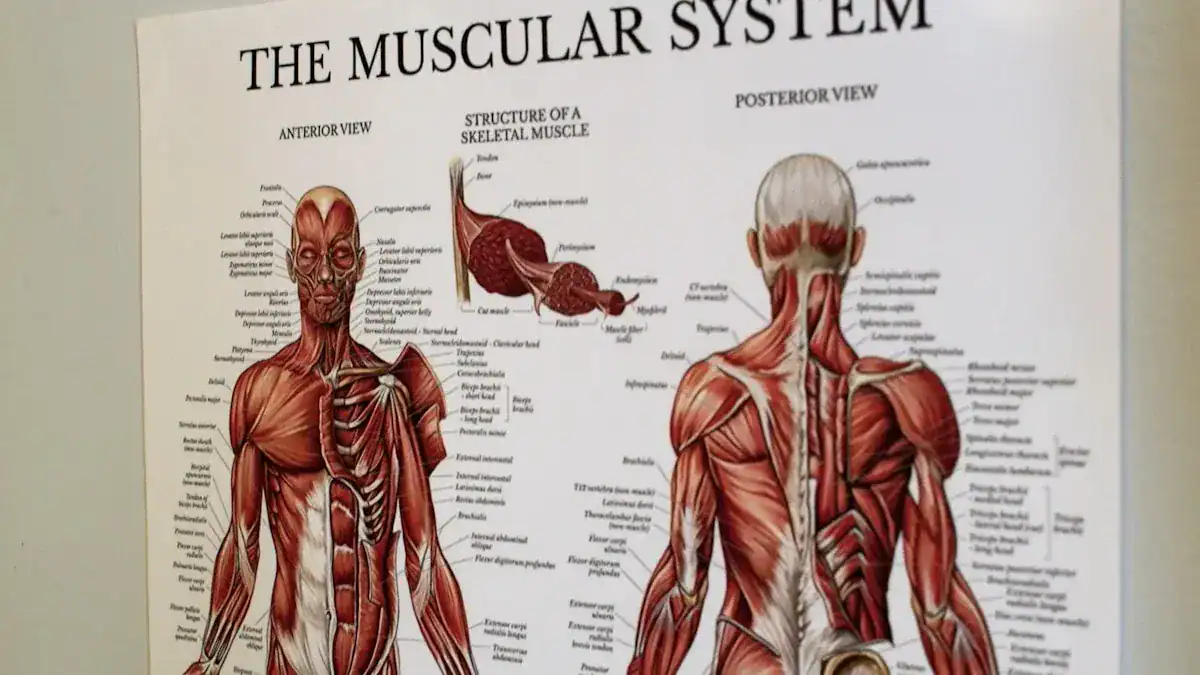
A visual aid is very important when you learn about your core. A diagram helps you see exactly where each muscle sits. It shows you how they all fit together in your torso anatomy. You can easily locate your obliques, abdominal muscles, lower back muscles, and gluteus. This visual understanding makes your core anatomy much clearer.
Muscle Placement
A good diagram shows you the exact placement of each core muscle. You can see how your rectus abdominis runs down the front. You can also see your internal and external obliques on the sides. The diagram reveals the deeper transverse abdominis, wrapping around like a belt. It also highlights the erector spinae and multifidus in your back. You can even see the pelvic floor muscles at the bottom and the diaphragm at the top. This visual map helps you understand your body’s structure.
Integrated Muscle Function
Your core muscles do not work alone. They work together as a team. A diagram helps you understand this teamwork. Core muscles work together to keep you upright. They stabilize your spine. They also help transfer force between your upper and lower body. For example, compound exercises improve your core strength. These exercises target deep core muscles. They create a strong and stable foundation. They also improve your functional fitness. This helps you with daily tasks and sports. Strengthening the muscles around your spine helps stabilize your core. It improves your posture. It also reduces lower back pain.
Diagram for Training
You can use a core anatomy diagram to guide your workouts. It helps you understand which muscles you target with different exercises. For instance, mountain climbers work muscles between your pelvis and ribcage. They also engage your upper and lower body. Russian twists mainly target your oblique muscles. They improve your rotational strength. Bicycle crunches strengthen your abdominal muscles. They also improve core and hip flexibility. Plank variations build endurance. They improve your overall stability and posture. A diagram helps you visualize these muscles as you train them.
Strong Core Impact
A strong core offers many practical benefits. It improves how you move and feel every day. Understanding these impacts shows the true importance of core strength for your overall well-being.
Posture and Balance
Your core muscles are essential for good posture. They help you stand tall and move with ease. Core strength is fundamental for maintaining ideal postures. It stabilizes your pelvis and spine. This influences your entire body. Strong core muscles effectively support your bones and other structures. This allows for better movement. A 4-week core strength training program can improve your core stability. This training enhances your ability to react quickly with posture control. This is crucial for staying upright and preventing falls. Core stability also helps you maintain balance during dynamic activities. It supports your posture and helps you feel steady. Exercises that build strength in your lower body and core are very helpful for this.
Injury Prevention
A strong core protects your body from harm. Weak core muscles can lead to poor posture. This puts extra stress on your spine. Over time, this stress can cause wear and tear on spinal discs and joints. This can lead to conditions like herniated discs or chronic lower back pain. Strengthening your core helps distribute forces evenly. This reduces the chance of these spinal injuries. Core muscles are like a natural brace for your body. They stabilize your trunk and protect your spine. This reduces stress on your lower back. Avoiding injuries to the core is key for long-term health. Core stability training programs can even reduce anterior cruciate ligament (ACL) injury rates. These programs can lower injury rates by up to 25% in female athletes and 85% in male athletes.
Athletic Performance
Your core is the powerhouse for all athletic movements. Core strength is crucial for power transfer. It acts as a bridge between your upper and lower body. This helps force move efficiently. Without a strong core, your movements become less controlled. They are also less efficient. Core training targets the muscles responsible for trunk stability.
It also helps transfer force between your arms and legs. This system includes both deep stabilizing muscles and superficial force-generating muscles. These muscles work together. They provide a stable base for sport-specific movements. This helps force transfer efficiently throughout your body. A strong core significantly enhances power generation and movement efficiency. This is vital for fitness. For example, core muscles are essential for cyclists to maintain a neutral pelvic position. In football, core exercise improves kick speed. Core stability is critical for all sports activities. It maximizes force generation and minimizes joint stress. This shows how to keep your core muscles stretched and strong for peak performance.
You now understand your core is more than just abdominal muscles. It is a complex system within your torso anatomy. These core muscles are vital for your overall health. They improve how you move and help prevent injuries. Apply this knowledge to your fitness routines and daily life. You will build a stronger, more stable body, enhancing your overall fitness.
FAQ
What exactly are your core muscles?
Your core muscles are a group of muscles in your torso. They include your abdominal muscles, back muscles, and pelvic floor. These muscles surround your spine and hips. They provide stability and help you move. Think of them as your body’s central support system.
What happens if you have a weak core?
A weak core can cause several problems. You might experience poor posture or lower back pain. Your balance could suffer, increasing your risk of falls. It also reduces your ability to transfer power. This affects your performance in daily activities and sports.
What is the best way to strengthen your core?
You can strengthen your core with various exercises. Planks, crunches, and bicycle kicks are good choices. Yoga and Pilates also build core strength. Focus on engaging your deep abdominal muscles. Consistency is key for building a strong, stable core.
What role does your diaphragm play in your core?
Your diaphragm is a key core muscle. It is your main breathing muscle. It works with your pelvic floor and abdominal muscles. This creates pressure inside your abdomen. This pressure helps stabilize your spine. It is essential for overall core stability.