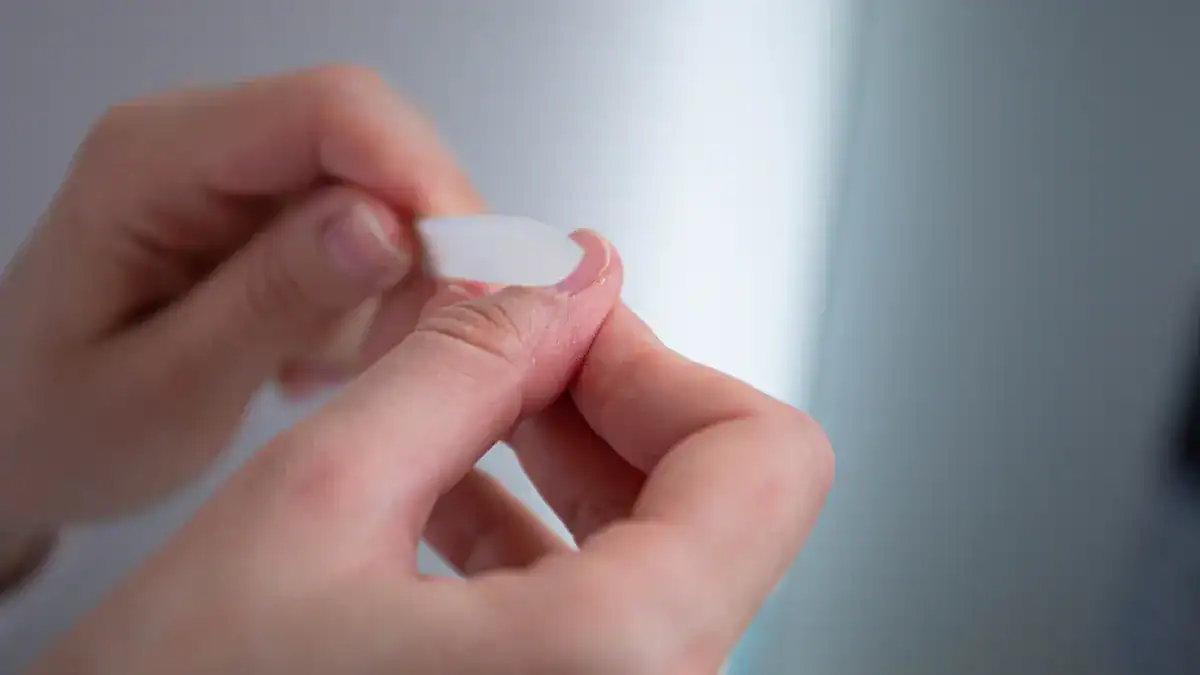
Discovering your fingernail fell off can be quite alarming. You are not alone; this happens more often than you might think and is usually manageable. Many factors can cause a nail to detach, from everyday injuries to underlying conditions. This guide helps you understand what to do immediately, why your nail detached, how to properly look after the area, and how to prevent future occurrences. Proper care is crucial to avoid infection and encourage your new nail to grow back healthy.
Key Takeaways
Clean and protect the injured area right away. This stops infection and helps healing.
Many things can make a nail fall off. These include injuries, fungus, or bad reactions to chemicals.
A new fingernail takes 4 to 6 months to grow back. Keep the nail bed clean and covered during this time.
Protect your hands and nails to stop future problems. Wear gloves and use good nail care.
See a doctor if you see signs of infection or if your nail does not heal well.
Immediate First Aid
When your fingernail falls off, your first reaction might be shock. Stay calm. Taking immediate steps helps prevent complications and starts the healing process. This initial care is crucial for your comfort and for preventing infection.
Assess the Damage
First, look closely at the area. You need to understand the extent of the injury. Did the entire nail come off, or are parts still attached? If you see any pieces of the nail hanging loosely but not connected to the skin, you can gently trim them away. Do not pull on any part of the nail still firmly attached. You should also note the mechanism and time of the injury.
Think about how the injury happened. This information helps a doctor if you need professional treatment. A doctor will examine the nail bed carefully. They will look for any damage to the sterile matrix or germinal matrix, which are vital for new nail growth. If the nail bed is intact, a doctor might even reinsert the original nail to protect the bed. They will repair any nail-bed injury after the nail removal.
Clean and Protect
Cleaning the wound properly is your next important step. This helps prevent infection. Gently wash the area around the wound with clean water and mild soap. Do not scrub the exposed nail bed. Avoid soaking the area, especially in the first 24 to 48 hours. After cleaning, you can apply a thin layer of petroleum jelly to the nail bed. This keeps the area moist and helps with healing.
Then, cover the area with a non-stick bandage. This protects the sensitive nail bed from further injury and dirt. Change the bandage and reapply petroleum jelly as needed, usually twice a day. If the bandage sticks, use warm water to loosen it. Do not go swimming during this time. If a doctor prescribed antibiotics, take them exactly as directed to fight any potential infection. Proper care now sets the stage for healthy regrowth of your nail.
Causes of Detachment
Many factors can cause your nail to detach. Understanding these reasons helps you prevent future problems. You can protect your nails better when you know the risks.
Traumatic Nail Injury
A sudden impact or repeated stress often causes a nail to come off. You might hit your finger with a hammer or catch your nail on something. This type of injury can lead to nail avulsions, where the nail is torn from its bed. It can also cause the nail to loosen or detach completely. A severe nail injury is a common reason for a fingernail fell off.
Fungal Infections
Fungal infections are a frequent cause of nail detachment. These infections are also known as onychomycosis. They affect your fingernails or toenails. This condition makes the nail separate from its nail bed. The nail can become thick, fragile, and discolored. Dermatophytes are the main culprits. These fungi thrive in moist places. Examples include Trichophyton rubrum. Yeasts like Candida albicans can also cause this infection, especially in fingernails. Molds such as Aspergillus are less common but can also cause the infection. As the infection grows, it colonizes the nail. This causes the nail to detach, soften, and change shape. This detachment is called onycholysis.
Allergic Reactions
You might experience an allergic reaction to certain products. Severe allergic contact dermatitis can cause your nail to detach. This often happens with gel and acrylic manicures. Common allergens are in nail cosmetic products. These include methacrylates and tosylamide/formaldehyde resin. Other chemicals like ethyl cyanoacrylate can also cause problems.
Medical Conditions
Sometimes, underlying health issues cause your nail to detach. Certain skin conditions, such as psoriasis, can affect your nails. Severe illnesses can also lead to nail detachment. You should talk to a doctor if you suspect a medical condition is the cause.
Chemical Exposure
Exposure to harsh chemicals can damage your nail. This damage can make the nail detach. Harsh soaps and detergents are common culprits. Certain raw or acidic foods, like citrus, can also cause issues. Nail products such as acrylics, acetone, and formaldehyde contain strong chemicals. Solvents and cleaners can also harm your nails. Chemicals like ethyl methacrylate (EMA) and methyl methacrylate (MMA) are particularly damaging.
Healing Process and Care
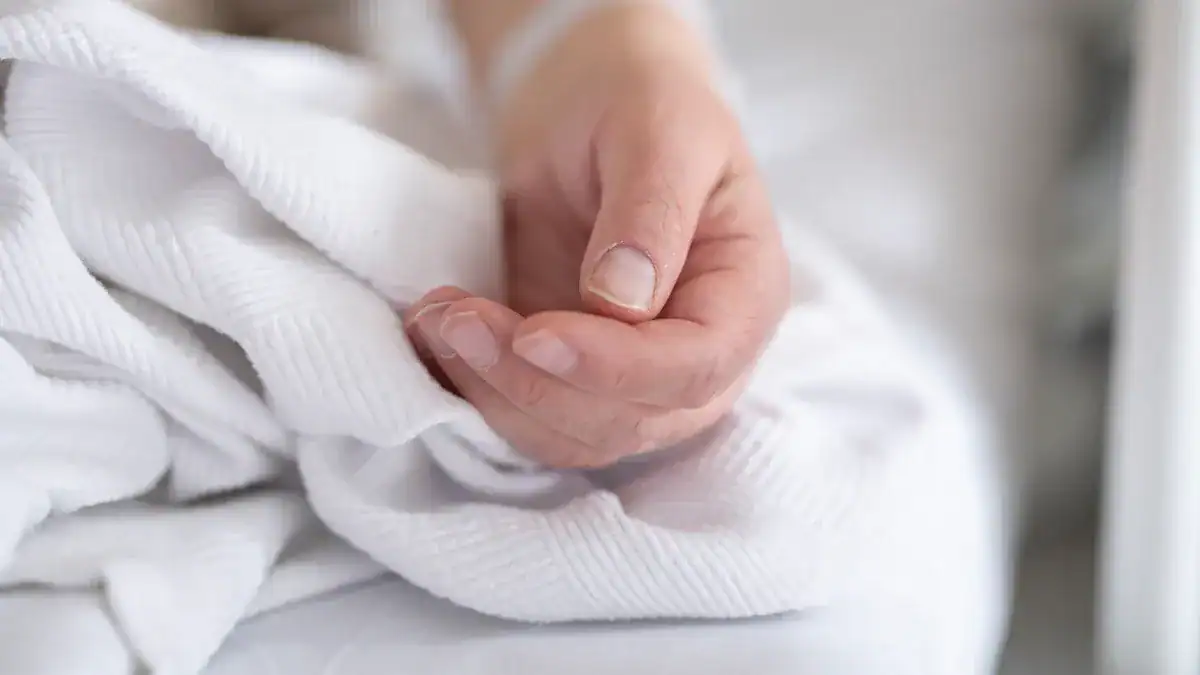
After the initial shock and first aid, you need to focus on the healing process. This phase requires patience and consistent care. Your body is amazing. It will work to repair the damage and grow a new nail.
Nail Regrowth Timeline
Your nail bed needs time to heal. This usually takes about 7 to 10 days. During this period, the sensitive skin underneath will toughen up. After the nail bed heals, a new fingernail will begin to grow. The journey from a lost nail to complete regrowth for fingernails typically takes 4 to 6 months. You will see visible progress sooner. The new nail might cover half the nail bed within 2 to 3 months. However, full regrowth requires the longer duration. This timeframe is consistently advised by medical professionals.
Many factors influence how fast your nail grows. Your nails grow faster during the day and in the summer. The nails on your dominant hand often grow quicker. This is due to increased use and a higher risk of minor trauma. This can lead to more blood and nutrient flow for repair. The growth rate also varies by finger. For example, your little finger’s nail grows slower.
Age plays a role too. Younger individuals generally experience faster growth. Rates decrease as circulation slows with age. Hormones are also significant. Rapid nail growth is observed during pregnancy due to increased estrogen and progesterone. Overall health conditions can also impact nail growth speed.
Protecting the Nail Bed
Protecting the exposed nail bed is crucial. This sensitive area is vulnerable to further injury and infection. You can use the avulsed nail itself after thoroughly cleaning it with normal saline. Reinsert it under the eponychium. This helps maintain the space for new nail growth.
If the original nail is unavailable or too damaged, you can use other methods. A silicone nail prosthesis can protect and splint underlying injuries. It also keeps nail folds open for normal growth. You can also craft an artificial nail. Use the outer foil of a chromic suture package. Cut it to the size and shape of your native nail. Make sure there are no sharp edges. Place it within the proximal nail fold. These methods help shield the delicate nail bed as it heals. They also guide the new nail to grow correctly.
Clean and Moisturize
Continue to keep the area clean. Gently wash the finger with mild soap and water daily. Pat it dry carefully. Avoid soaking the finger for long periods. This can soften the skin too much. After cleaning, apply a thin layer of petroleum jelly or an antibiotic ointment. This keeps the nail bed moist.
Moisture helps the skin heal and prevents cracking. It also creates a barrier against germs. Always cover the area with a clean, non-stick bandage. Change the bandage daily or if it gets wet or dirty. This consistent care is vital for preventing infection and promoting healthy regrowth of your nail.
Monitor for Issues
You must closely monitor the healing nail bed for any signs of trouble. Watch for changes in color. Look for increased swelling or worsening pain. These can be early indicators of an infection. Other signs of infection include increasing redness around the area. You might also feel warmth.
Pus discharge is a clear sign of infection. A fever can also indicate a more serious infection. If you notice any of these symptoms, contact your doctor immediately. Prompt treatment is essential to prevent complications and ensure proper healing. Your diligent care now will help your new nail grow back strong and healthy.
Preventing Future Issues
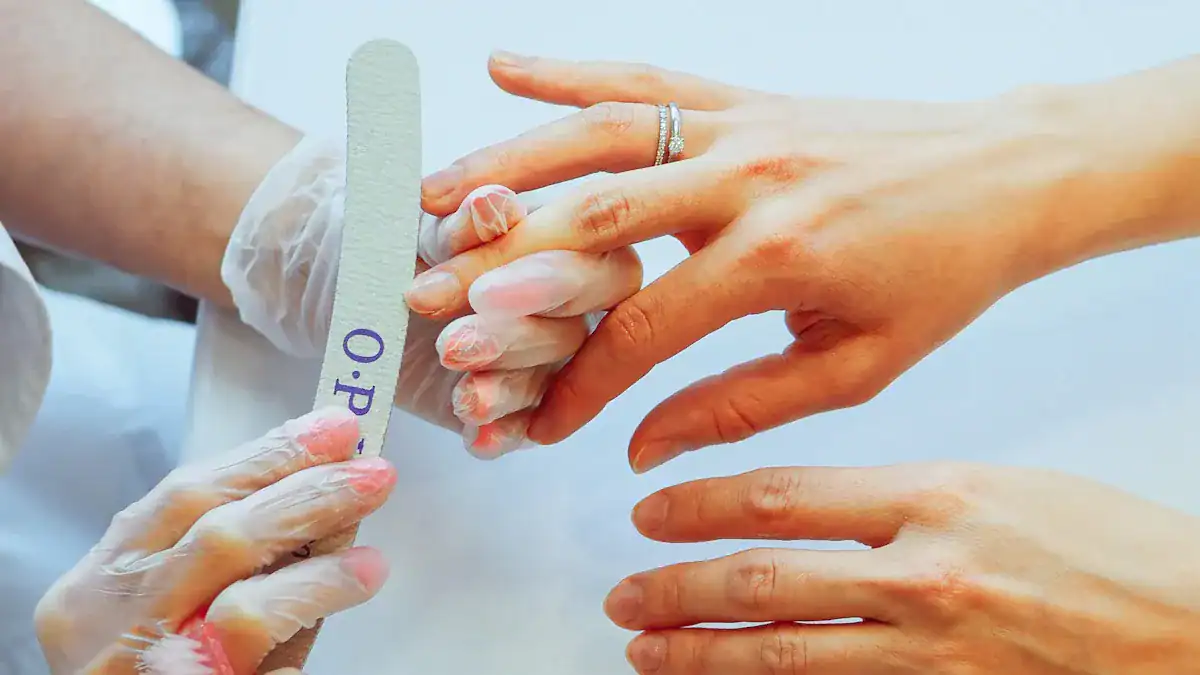
You can take many steps to keep your nails healthy. These actions help prevent future problems like a detached nail. Good habits protect your hands and nails.
Protecting Your Hands
Protecting your hands is very important. Moisturize your nails and hands regularly. This prevents brittleness, cracking, and splitting. Use cuticle oil daily. Apply hydrating hand cream. Look for lotions with Vitamin E and jojoba oil. Avoid alcohol-based sanitizers.
Trim and file your nails every 1-2 weeks. Use a high-quality clipper and a fine-grit file. File in one direction. Shape your nails in a rounded or squared-off style. This minimizes breakage. Do not aggressively cut your cuticles. Avoid using your nails as tools. Do not open cans, scrape stickers, or pry objects with your nails. This increases the risk of breakage and splitting. Use keys, coins, or a small tool kit instead. Wear protective gloves when you handle sharp objects, broken glass, or hot materials. Gloves create a barrier against cuts and burns. Always check your gloves for damage.
Nail Hygiene
Good nail hygiene prevents many issues. Keep your nails short. Trim them often. Scrub the underside of your nails with soap and water every time you wash your hands. You can use a nail brush.
Clean your nail grooming tools before you use them. Do not bite or chew your nails. Avoid cutting your cuticles. Cuticles act as barriers. They prevent infection. Never rip or bite a hangnail. Clip it with a clean, sanitized nail trimmer. Wear protective gloves to avoid repetitive immersion in water.
Avoiding Harsh Agents
Certain products can damage your nails. Avoid harsh nail polish ingredients. These include nitrocellulose, formaldehyde, and dibutyl phthalate. Nail adhesives like methacrylate can also cause problems. Components in acrylic and gel nails, such as methacrylate and 2-HEMA, are often damaging.
Nail hardeners with formaldehyde can weaken your nail. Cuticle removers containing sodium and potassium hydroxide are also harsh. Avoid acetone in nail polish removers. Strong cleaning agents strip natural oils. This leads to dry, brittle, and peeling nails. Choose non-acetone formulas.
Addressing Health
Your overall health affects your nails. Address any underlying medical conditions. Conditions like psoriasis can impact nail health. Talk to your doctor if you notice persistent nail problems. A healthy body supports healthy nail growth.
Preventing Nail Injury
You can prevent many types of nail injury. Avoid artificial nails, especially for children. They carry a high risk of injury. Be careful to prevent slamming your finger in a door. Do not hit your finger with a hammer. These actions cause hematomas, or blood under the nail. Proper nail trimming prevents ingrown nails. Wear well-fitting shoes. This is especially true during physical activities. Avoid picking at your nails. This can lead to bleeding or infection.
When to See a Doctor
Most fingernail detachments heal well with home care. However, you must know when to seek professional help. Your body gives you clear signals. Pay attention to these warnings.
Persistent Symptoms
You should see a doctor if your symptoms do not improve. A painful, red, swollen area around the nail, especially at the cuticle or injury site, needs attention. You might also see pus-filled blisters, a sign of bacterial infection. Look for red streaks along your skin. You may feel generally ill, or experience joint pain and muscle pain. Damage to any surrounding tissue also warrants a visit. Untreated finger infections can lead to serious problems. These include loss of function or even loss of the finger.
Signs of Infection
Watch for clear signs of infection. If pain, swelling, or pus continues despite your home treatment, you need medical care. Severe pain or swelling can interfere with your daily activities. This also requires a doctor’s visit. If the infection spreads beyond the nail area or you have a fever, seek help. The affected area will be tender and painful to the touch. You might see cloudy white-yellow drainage.
If minor signs of infection do not improve within 1-2 days with warm water soaks, you need medical attention. Any signs of severe infection, like a felon or cellulitis, require immediate emergency care.
Incomplete Detachment
Sometimes your nail does not fully detach. You should consult a board-certified dermatologist if you notice certain symptoms. These include an abnormal appearance, pus or drainage, or bleeding. Look for indentations or ridges on the nail. Breaking, cracking, or splitting also needs evaluation. Brown, black, or red lines under the nail are concerning. Any nail abnormality, including incomplete fingernail detachment, needs professional assessment. A doctor can determine if treatment is necessary. They can also rule out underlying health issues.
Underlying Concerns
Sometimes, a detached nail points to a bigger health problem. Your doctor can check for these. They can ensure your body is healthy.
Abnormal Regrowth
Your new nail should grow back smoothly. If you see abnormal regrowth, consult a doctor. Excessive keratin material under the nail bed, especially at the tip and sides, needs evaluation. This could be a fungal infection. A proliferating, red, disruptive mass in the nail bed requires careful evaluation. This could be a type of skin cancer.
Vertical nail bands, called longitudinal melanonychia, need checking. These can sometimes be serious. Green discoloration often means a bacterial infection. Horizontal grooves on the nail plate, called Beau lines, can signal severe illness. Clubbing, where your fingertips enlarge, may suggest systemic diseases. Spoon nails, or koilonychia, often link to iron deficiency. Splinter hemorrhages can indicate heart issues. Pincer nail deformity can also link to various conditions.
When your fingernail fell off, immediate care is vital. You must clean and protect the area consistently. Understanding the causes helps you prevent future issues. Remember, patience is key as your nail heals. Protect your new nail as it grows. Consistent care helps your nail grow back strong. Your body has an amazing ability to heal. Seek professional medical advice if you have any concerns about your nail.
FAQ
How long does it take for a fingernail to grow back?
Your fingernail takes about 4 to 6 months to grow back completely. The nail bed heals in about 7 to 10 days. New growth starts after that.
Can you put the old nail back on?
Yes, you can. A doctor might reinsert your original nail. They clean it first. This protects the nail bed. It also helps guide new nail growth.
What if my nail grows back abnormally?
You should see a doctor if your new nail looks abnormal. This includes discoloration or unusual shapes. It could signal an infection or another health issue.
Should I cover the exposed nail bed?
Yes, you should cover the exposed nail bed. Use a non-stick bandage. This protects the sensitive area. It also prevents infection. Change the bandage daily.
When should I worry about a detached nail?
You should worry if you see signs of infection. These include pus, increased pain, or spreading redness. Also, see a doctor if your symptoms do not improve.