
You might notice white spots, streaks, or even a completely white appearance on your toenails. This condition, medically called leukonychia, is quite common. For example, onychomycosis, a type of nail fungus often causing white nails, affects about 5.5% of the global population, and up to 10% of the general population.
Dr. Wofford notes that trauma and nail fungus account for over 90% of cases. This guide helps you understand the underlying reasons and navigate their diagnosis and treatment.
Key Takeaways
White toenails have many causes. These include injury, fungus, and dry nails. Sometimes, diet or health problems cause them.
See a doctor if white toenails do not get better. A doctor can find the exact cause. They can also give you the right treatment.
Treating white toenails depends on the cause. Fungus needs medicine. Injury often just needs time to heal. Dry nails need moisture.
Keep your feet clean and dry. Wear good shoes. Eat healthy food. These steps help prevent white toenails.
Understanding White Toenails
Appearance of White Toenails
You might notice different ways white appears on your toenails. Sometimes, you see small white spots. These spots can look like tiny dots or larger patches. Other times, thin white streaks run across your nail. These streaks can be horizontal or vertical. In some cases, the entire toenail turns white. This can make your nail look dull or opaque.
The texture of these white areas also varies. Your nail might appear chalky. It could also look powdery, as if dust covers the surface. Sometimes, the white part is just opaque, meaning you cannot see through it. The whiteness can be bright or a dull, milky color. Observing these details helps you understand what is happening with your nails.
Reasons for White Toenails
Many things can cause your toenails to turn white. Often, a simple injury to the nail causes white spots or streaks. You might have bumped your toe or worn shoes that were too tight. Fungal infections are another very common reason. These infections can make parts of your nail appear white and powdery.
Sometimes, your nails show signs of dehydration. This can lead to chalky white patches called keratin granulations. Your body might also lack certain nutrients. Deficiencies in vitamins or minerals can affect nail health. Certain medical conditions can also show up as changes in your nails. Even reactions to nail products can cause white discoloration. Understanding these general categories helps you consider the possible reasons for your white toenails.
Common Causes of White Toenails
Many factors can contribute to white discoloration on your toenails. Understanding these causes helps you identify the root of the problem.
Fungal Causes of White Toenails
Fungal infections are a very common reason for changes in your toenails. These infections, medically known as onychomycosis, can make your nails appear white, yellow, or brown.
A specific type, White Superficial Onychomycosis (WSO), directly causes white, powdery patches on the nail surface. This type of infection often starts as small white spots and can spread across the entire nail. You might notice the nail becoming crumbly or rough. This condition is often caused by dermatophytes, which are common molds. If you suspect a fungal infection, you should seek professional advice. This is especially true for persistent cases of white toenails.
Trauma and Injury
Physical trauma to your toenails is another frequent cause of white marks. You might have bumped your toe, dropped something heavy on it, or worn shoes that were too tight. These impacts can damage the nail plate or the nail matrix, which is where your nail grows from.
True leukonychia occurs when injury damages the nail plate itself. This damage disrupts the keratin, trapping air within the nail. This trapped air reflects light, making the nail appear white and less transparent.
Punctate leukonychia shows up as small white spots on your nails. This often results from minor traumas like nail biting, aggressive manicuring, or repeated knocks and bangs. Tight footwear can also cause these spots.
Striate leukonychia, also known as Mees lines, appears as white horizontal bands across your nail. This happens when damage occurs to the nail matrix. You might also see furrows or ridges alongside these white bands.
Total leukonychia means your entire nail plate turns white. This usually follows a more serious injury. The nail might even detach from the nail bed, and its shape can change.
Sometimes, you might see white dyschromia. This is a pigment change under the nail that grows out as your nail grows.
White lines can also appear due to trauma. This happens when protein deposits form within the nail bed.
Dehydration and Keratin Granulations
Your toenails can also turn white due to dehydration. When your nails lose moisture, the keratin proteins within them can become disrupted. This leads to the formation of keratin granulations. These appear as chalky white patches on the nail surface. Think of it like dry skin, but on your nails. The lack of moisture makes the nail surface rough and opaque. This condition often occurs when you frequently expose your nails to water or harsh chemicals without proper moisturizing.
Nutritional Deficiencies
Your diet plays a crucial role in nail health. Certain nutritional deficiencies can cause white spots or discoloration on your toenails.
Zinc deficiency is a common culprit. Not enough zinc can lead to white dots on your nails. You might also experience slow wound healing, hair thinning, and a weakened immune system.
Iron deficiency, also known as anemia, can disrupt the oxygen supply to your nail matrix. This can cause various nail changes, including white spots.
Protein deficiency can affect your nails because nails are primarily made of keratin, a protein. A diet lacking protein can weaken your nails and sometimes lead to white marks.
Calcium deficiency primarily causes brittle nails. However, some cases suggest it can also lead to white spots or discoloration, often alongside zinc deficiency or trauma.
Underlying Medical Conditions
Sometimes, white toenails can signal an underlying medical condition. Your nails can act as indicators of your overall health.
Psoriasis is a chronic skin condition that can affect your nails. It can cause your toenails to appear white, thick, or pitted.
Diabetes increases your risk of developing infections, including toenail fungus. This fungal infection can then cause your nails to turn white. Kidney disease and liver disease are other conditions that can sometimes manifest with nail changes, including white discoloration.
Product Reactions
The products you use on your nails can also cause white discoloration. Many common nail polish brands contain harsh chemicals. These chemicals can excessively dry out your nail plate. This drying leads to keratin deposits that appear as chalky white spots. This often happens if you leave nail polish on for extended periods or consistently expose your nails to these chemicals. Harsh chemicals found in some nail polish and nail polish remover can strip your toenails of their natural color. This results in white discoloration. These chemicals can also lead to the formation of keratin granules, which appear as chalky white spots. This occurs because the chemicals cause excessive dehydration of the keratin molecules. They strip away the nail’s natural oils, contributing to these dry, white patches.
Diagnosing White Toenails
Self-Assessment and Observation
You can start by looking closely at your white toenails. Notice their appearance. Are they chalky, powdery, or just opaque? Do you see spots, streaks, or does the whole nail look white? This initial check helps you understand the problem.
Consider these differences when you observe your nails:
Feature | Fungal White Toenails (Onychomycosis) | Non-Fungal White Toenails (Keratin Granulations) |
|---|---|---|
Appearance | White or yellow-brown; thickened, darkened, crumbly powder substance | White ‘chalky’ spots or streaks |
Cause | Fungal species (yeasts, molds) | Dehydration from excessive nail polish wear and acetone |
Common Occurrence | Can affect any nail | Most commonly seen in women, often after removing nail polish |
Treatment/Resolution | Requires specific medication treatment options | Benign; usually treated by rehydrating the nail and taking a break from polish |
Mimicry | Can be mimicked by other conditions | Often mistaken for a type of fungal infection (white superficial onychomycosis) |
Remember, other non-fungal causes also exist:
Nail Dystrophy (due to trauma):
Your nail may appear thickened, darkened, lumpy, or have ridges.
Trauma, like dropping heavy objects or wearing ill-fitting shoes, causes this.
Subungual Hematoma (nail bruise due to trauma)::
You see purple, red, black, or even green color under the nail.
Injury or pressure to the nail bed causes this. It grows out as your toenail grows.
When to Seek Professional Help
If your white toenails do not improve with home care, or if they worsen, you should see a doctor. You also need professional help if you experience pain, swelling, or redness around the nail. A podiatrist specializes in foot and nail conditions. They can accurately diagnose the issue. Do not delay seeking help if you have diabetes or a weakened immune system. Early diagnosis and treatment prevent further complications.
Clinical Diagnostic Methods
A medical professional, like a podiatrist, uses several methods to diagnose white toenails. They will examine your nails and ask about your health history. They might perform specific tests:
Potassium hydroxide or culture of superficial scrapings: This test confirms onychomycosis (fungal infection).
Blood tests: These tests rule out kidney, liver, or other systemic diseases, especially for widespread white nails.
Nail clippings: Doctors consider these for unexplained Mees’ lines or if they suspect a rare nail tumor.
Biopsies: These are rarely needed. They help detect conditions like nail lichen planus.
Neurologic tests: Doctors order these if they suspect an underlying neurologic condition.
Dermoscopy: This tool helps differentiate types of leukonychia and identify the cause of white spots.
These methods help your doctor determine the best course of diagnosis and treatment for your specific condition.
White Toenail Fungus: Types and Identification

You might hear doctors call fungal infections of the nails “onychomycosis” or “tinea unguium.” These terms describe a common problem. Fungi can make your toenails look white, yellow, or brown. Understanding the different types helps you know what you are dealing with.
Common Fungal Types
Dermatophytes are a type of mold. They commonly cause toenail fungus infections. These molds are often responsible for the changes you see in your nails. Two types of nail fungus that show white spots are common. One is white superficial onychomycosis.
This type affects only the surface of your nail. It starts as white spots. These spots can make your nail crumble. The other type is Proximal Subungual Onychomycosis. This type shows white spots near your cuticle. These spots then move outward as your nail grows. Other common fungi causing white toenail infections include Fusarium and Acremonium.
Identifying Fungal Symptoms
You can often spot a fungal infection by looking closely at your nails. If you have white superficial onychomycosis, you will see white spots on the top layer of your nail. This type affects the uppermost layer of your toenail. The surface of your nail may appear chalky.
You might also notice white, powdery patches. This fungal invasion affects the superficial layers of the nail plate. It often looks like “white islands” on the nail. This type usually does not cause your nail to thicken or separate from the nail bed.
How Fungal Infections Spread
A nail fungus infection can spread easily. Fungus can move from one toe to another. This happens through direct rubbing. It can also spread if you touch an infected toenail and then an uninfected one. Using the same nail tools, like files or clippers, on both infected and healthy nails can spread the fungus.
Sharing personal items such as nail polish, shoes, or socks can also pass the infection to others. Walking barefoot in public areas is a common way to get toenail fungus.
Places like pools, community showers, or locker rooms are risky. Sleeping barefoot in the same bed with an infected person can also lead to spread. The fungus can also spread to the skin around your toenails. This can cause irritation, redness, and itching. This leads to conditions like athlete’s foot.
Treatment for White Toenails
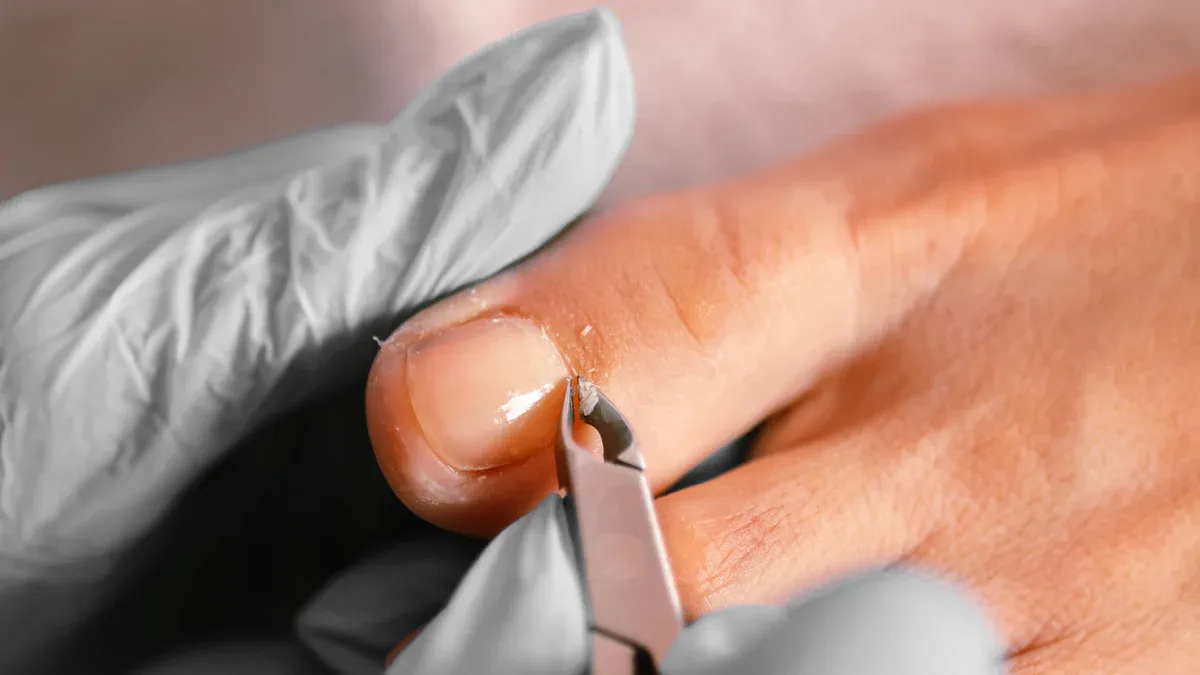
When you notice white discoloration on your toenails, finding the right treatment for white toenails depends on the underlying cause. A proper diagnosis and treatment plan is crucial for effective results.
Medical Treatments for Fungus
If a fungal infection causes your white toenails, medical treatments are often the most effective solution. These treatments typically involve oral or topical antifungal medications.
Oral antifungal medications are considered the gold standard for moderate to severe toenail fungus. Your doctor might prescribe medications like terbinafine, itraconazole, or fluconazole.
Terbinafine: You typically take 250mg once daily for 12 weeks. This medication has a high success rate, with cure rates ranging from 70-81%. Many consider oral terbinafine the most effective treatment overall.
Itraconazole: You can take 200mg once daily for 12 weeks, or use a pulsed dosing schedule of 400mg/day (1 week on, 3 weeks off) for 12 weeks. Cure rates for itraconazole range from 46-69%.
Fluconazole: A meta-analysis of five studies found comparable efficacies for 150mg, 300mg, and 450mg doses over 12–48 weeks. Doctors often recommend 150mg for at least 6 months due to fewer adverse events. One study showed a 95% clinical response after three months and a 96% response after 11 months with 150mg weekly fluconazole, achieving a 52% complete clinical cure rate. Mycological cure was 79% for toenails. Another study reported a 64% cure rate with 100mg daily for six months. Combining 300mg fluconazole once weekly with a topical antifungal showed 100% clinical cure for toenails in a mean of 6 months in one study.
Oral antifungal treatments can be long-term, often requiring several months to achieve full results because the nail must grow out completely. Terbinafine and itraconazole are generally more effective than oral fluconazole and other topical treatments.
Topical treatments are also available, especially for mild to moderate onychomycosis without matrix involvement. These include:
Efinaconazole 10% solution (Jublia)
Tavaborole 5% solution (Kerydin)
Ciclopirox 8% lacquer
Ciclopirox 8% hydrolacquer
You typically apply these solutions for 36 or 48 weeks. A podiatrist can help you determine the best medical treatment plan.
Home Remedies and Natural Approaches
Many people try home remedies for white toenails. However, scientific evidence supporting their effectiveness for curing toenail fungus is limited.
Tea Tree Oil: Studies suggest applying tea tree oil twice daily for at least eight weeks can improve the appearance of affected nails and lessen fungal damage. It does not cure the fungus, but it can help. Complete eradication requires the nail to grow out, which can take up to a year.
Vicks VapoRub: The combination of camphor, eucalyptus oil, and menthol in Vicks VapoRub may inhibit the growth of certain fungi. Similar to tea tree oil, it can improve the appearance of affected nails and reduce fungal damage, but it does not provide a cure.
Other remedies like menthol products and apple cider vinegar have antimicrobial properties, but no conclusive scientific evidence shows they effectively kill toenail fungus. Apple cider vinegar can even cause chemical burns. Baking soda might help with sweat but can over-dry and irritate your feet, increasing infection risk. Essential oils, despite being in some OTC antifungals, lack sufficient evidence for treating toenail fungus and can cause allergic reactions. Garlic, despite anecdotal claims, is not supported by evidence for treating fungal infections.
Treating Other Causes
If fungus is not the cause of your white toenails, your treatment will focus on addressing the root issue.
Trauma-induced white toenails: Often, you do not need specific treatment. The white spots usually grow out naturally with the nail.
Dehydration-related white toenails: Focus on moisturizing. Products like NatraCure’s Intense Hydrating Gel Socks can help keep your skin and cuticles soft, promoting a healthy environment for nail growth. Maintaining optimal foot moisture is crucial for nail resilience and preventing brittleness.
Nutritional Deficiencies: Improve your diet. Ensure you get enough zinc, iron, and protein. A balanced diet supports overall nail health.
Product Reactions: Limit the use of harsh nail polishes and removers. These can cause dryness and chalky patches. Take breaks from nail polish to allow your nails to breathe and rehydrate.
Underlying Medical Conditions: If a medical condition like psoriasis or diabetes causes your white toenails, treating that condition is essential. Your doctor or a podiatrist can guide you on managing these conditions to improve your nail health.
Preventing White Toenails
You can take simple steps to keep your toenails healthy. These actions help you avoid issues like white toenails. Focus on good hygiene, protecting your feet, and a healthy lifestyle.
Essential Foot Hygiene
You can prevent many toenail problems with good foot care. Wash your feet every day. Make sure you dry them completely after washing. This stops moisture from building up. Always wear clean socks. This helps prevent infections like toenail fungus. Also, trim your toenails regularly. This keeps them from becoming too long. Long nails can lead to ingrown toenails or other issues.
Protecting Your Toenails
Protecting your toenails from harm is also important. Choose shoes made from breathable materials. These shoes let air move around your feet. Avoid tight-fitting shoes. Tight shoes trap moisture. This creates a perfect place for fungus to grow. When you exercise, wear athletic shoes that wick away moisture. They should also have good ventilation. Use flip-flops or waterproof shoes in public places. This includes showers, locker rooms, and pools. This protects you from contaminated surfaces. Rotate your athletic shoes. Let them air out and dry fully between uses. This helps prevent problems like white toenails.
Lifestyle and Diet Tips
Your diet plays a big role in healthy nails. Eat foods rich in biotin. Eggs, nuts, and seeds can make your nails stronger. They also help them grow well. Include iron and zinc in your diet. Lean meats, legumes, and fortified cereals are good sources. These nutrients prevent brittle nails. Drink enough water every day. Good hydration keeps your nails flexible.
This stops them from cracking easily. To help with discoloration, eat anti-fungal foods. Fresh vegetables, chicken, and fish can improve your gut health. They also boost your immune system. These choices support overall body health.