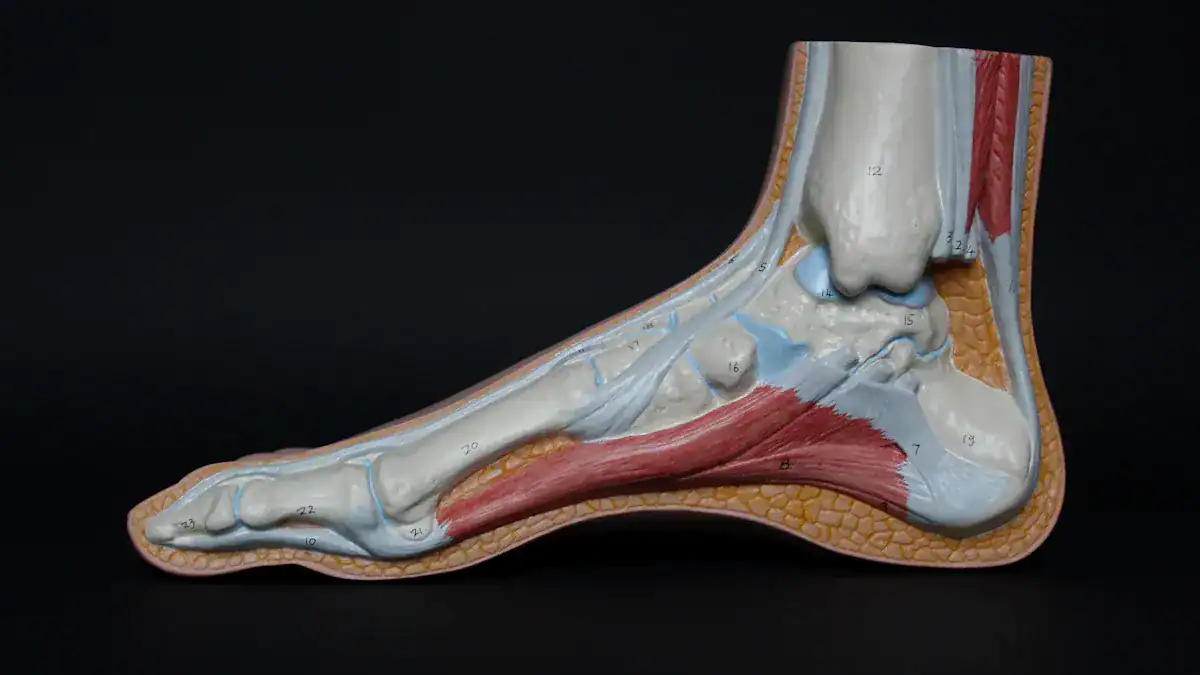
You typically experience 6 weeks for initial metatarsal fracture healing. Full metatarsal fracture recovery often extends to 4-6 months. These are common metatarsal injuries, and your recovery is a process. We will guide you through this recovery timeline. You will learn about healing phases and factors influencing your progress. These fractures often involve adjacent metatarsals.
Key Takeaways
Initial healing for a metatarsal fracture takes about 6 weeks. Full recovery can take 4 to 6 months.
Follow your doctor’s instructions for immobilization and weight-bearing. This helps your foot heal correctly.
Physical therapy and specific exercises are important. They help you regain strength and movement in your foot.
Your overall health and lifestyle affect healing. Smoking can slow down your recovery.
Understanding Metatarsal Fractures
What Are the 2nd, 3rd, and 4th Metatarsals?
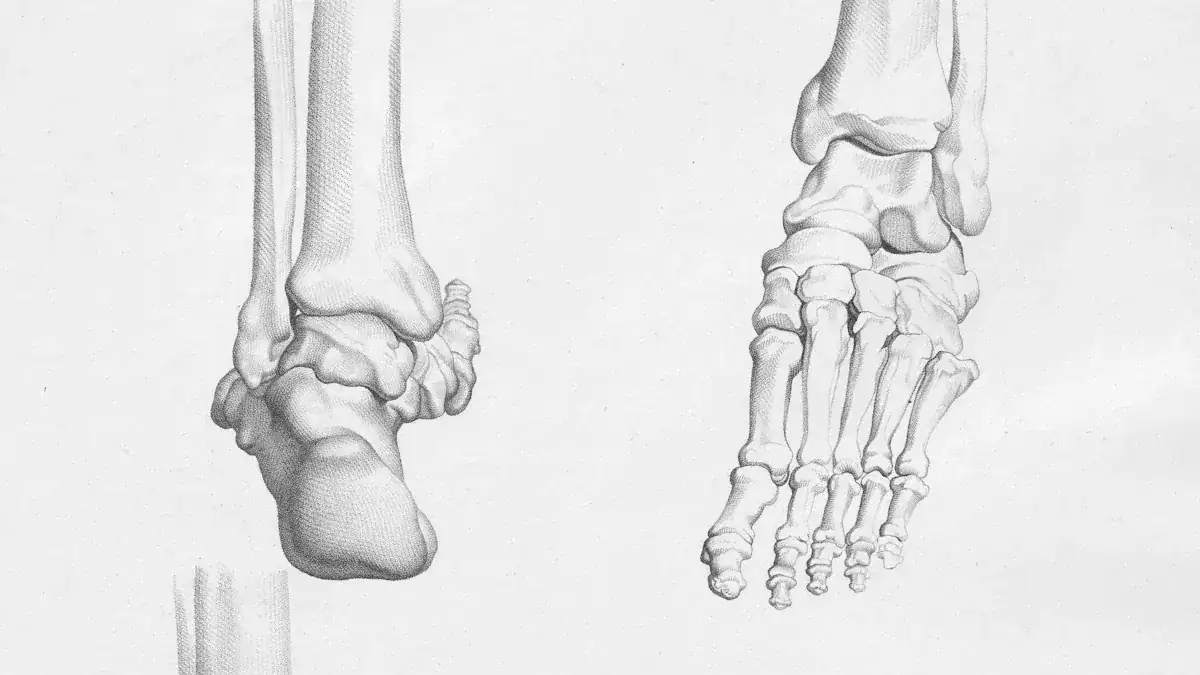
Your foot contains five long bones called metatarsals. The 2nd, 3rd, and 4th metatarsals are located in the middle of your foot. The second metatarsal connects with the intermediate cuneiform bone. It is relatively short and straight. Its head is taller than its width. The third metatarsal is slightly shorter than the second. It also connects with the intermediate cuneiform. Its shaft is straight and shows a unique lateral twist. The fourth metatarsal connects with the cuboid and lateral cuneiform bones. It is a bit shorter than the third metatarsal. Its base is almost cuboidal.
Common Causes and Initial Symptoms
Metatarsal fractures often result from direct trauma, twisting injuries, or repetitive stress. Repetitive stress can cause a stress fracture. You will typically experience immediate pain and swelling. Bruising may also appear. You might find it difficult to walk or put weight on your foot. You will feel localized tenderness directly over the fracture site. Applying pressure along the length of the injured metatarsal usually causes pain. For stress fractures, you might notice pain on the top of your foot that worsens over time. This pain can start during activities and later affect daily walking.
Diagnosing a Metatarsal Fracture
To confirm a metatarsal fracture, your doctor will use imaging tests. Radiography, or X-rays, is the standard method for assessing foot trauma. Ultrasonography is another excellent option. It offers high accuracy, costs less, and does not use radiation. This makes it safe for pregnant patients. It can also show bone fractures moving. While CT scans and MRI can provide detailed images, they are less ideal for initial checks. CT scans involve more radiation, and MRI scans are expensive and take more time. Early diagnosis helps guide your metatarsal fracture healing process.
Metatarsal Fracture Healing Timeline
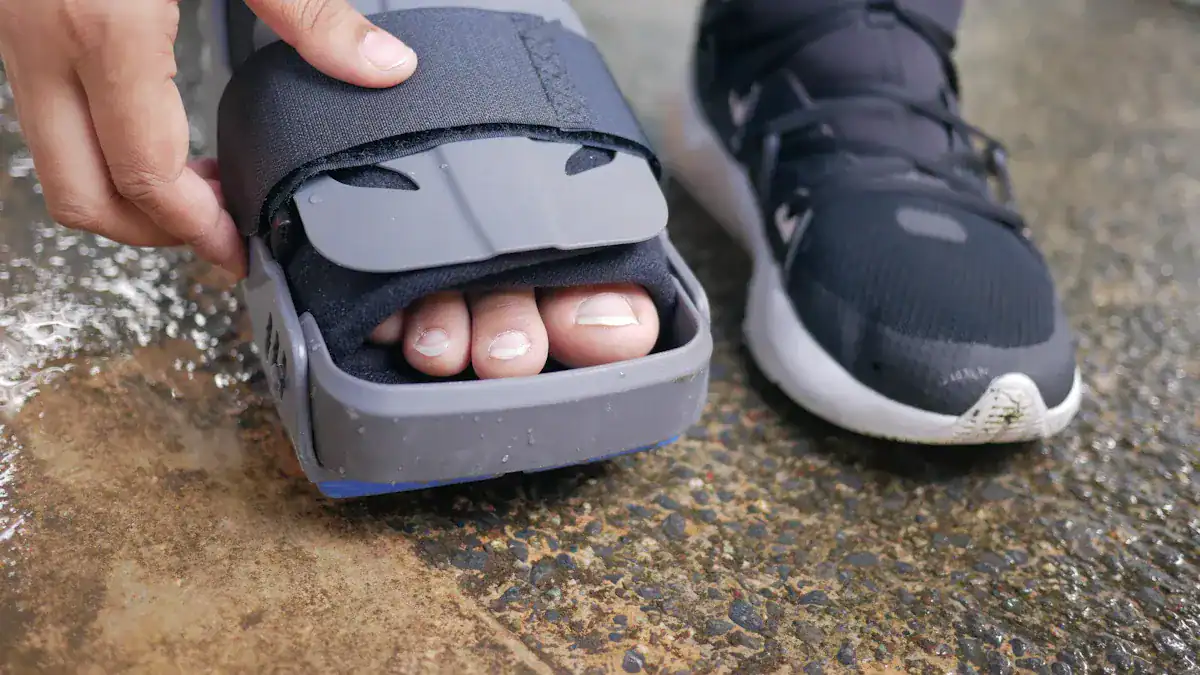
Understanding your metatarsal fracture healing journey helps you manage expectations. Your initial healing often takes about 6 weeks. However, full recovery can extend from 4 to 6 months. This recovery timeline guides you through each stage.
Initial Healing: Weeks 0-2 (Immobilization and Pain)
You experience the most pain right after your injury. Your doctor will immobilize your foot. This usually means you wear a walking boot or a cast. This keeps your metatarsal bones still. Immobilization is crucial for proper metatarsal fracture healing. You must avoid putting weight on your injured foot during this time. Use crutches to move around. Keep your foot elevated to reduce swelling. Apply ice packs to manage pain and swelling. If you have a stress fracture, you need at least 3 to 4 weeks of rest from the activity that caused it.
Gradual Weight-Bearing: Weeks 2-8 (Crutches and Support)
Your doctor will guide you as you slowly start to put weight on your foot. This phase marks a significant step in your recovery timeline. The approach depends on your specific treatment. If you manage your fracture without surgery, you will use crutches for limited weight-bearing. This can last for 3 to 6 months. If you had surgery, you begin a progressive weight-bearing program within the first week after your operation. You can return to full loading activities between 6 and 8 weeks. Always follow your doctor’s instructions carefully. Pushing too hard too soon can delay your recovery.
Restoring Function: Weeks 8-12 (Sneakers and Orthotics)
You will likely transition out of your walking boot during this period. You can start wearing supportive sneakers. Your doctor might recommend custom orthotics. These inserts provide extra support for your foot. Physical therapy becomes very important now. Physical therapy helps you regain strength and balance. Your therapist will guide you through specific exercises. These include muscular endurance training. You will also work on core and pelvic girdle stability. Balance and proprioception training improve your foot’s awareness. Flexibility exercises help restore your range of motion. Gait retraining teaches you to walk normally again. This phase focuses on restoring your foot’s full function.
Full Recovery and Activity Return: Months 4-6
Your foot continues to heal and strengthen during these months. You can gradually return to your normal activities. This includes sports or more strenuous exercise. Listen to your body. Do not push through pain. A full recovery means your foot feels strong and stable. Continue any exercises your physical therapist recommended. This helps prevent re-injury. Your complete recovery timeline depends on many factors. These include the severity of your fracture and how well you follow your treatment plan.
Factors Affecting Metatarsal Fracture Recovery
Many elements influence your metatarsal fracture recovery. Understanding these factors helps you manage your healing journey. You can take steps to optimize your outcome.
Fracture Severity and Type
The nature of your fracture significantly impacts healing time. A simple, clean break heals faster than a complex, comminuted fracture. A comminuted fracture means the bone broke into multiple pieces. Displaced fractures, where bone fragments move out of alignment, often require more intensive metatarsal fracture treatment. They might need surgery. Stress fractures, caused by repetitive strain, also have a unique healing process. They require rest and careful management.
Patient Health and Lifestyle
Your overall health plays a crucial role in bone healing. Certain medical conditions can slow your recovery. Endocrine disorders and metabolic bone disorders affect how your bones repair themselves. Low vitamin D levels are a concern, especially with stress fractures. Pre-existing bone conditions like osteoporosis make your bones weaker. Arthritis can also impede healing. Nervous system disorders, causing a loss of sensation in your feet, can contribute to impaired bone healing. Infections, such as osteomyelitis, directly delay or prevent healing. Nutritional deficiencies, including low vitamin C, vitamin D, and calcium, are vital for bone regeneration. They can hinder your recovery.
Adherence to Treatment Plan
Following your doctor’s instructions is paramount. Your metatarsal fracture treatment plan includes immobilization, weight-bearing restrictions, and physical therapy. You must wear your boot or cast as directed. You should avoid putting weight on your foot too soon. Skipping physical therapy sessions can delay your progress. Consistent adherence to your treatment helps ensure a successful recovery.
Impact of Smoking on Healing
Smoking severely impairs bone healing. It reduces blood supply to your injury site. Nicotine has vasoconstrictive properties, narrowing your blood vessels. Carbon monoxide (CO) promotes hypoxia, meaning less oxygen reaches your tissues. Hydrogen cyanide (HCN) inhibits cellular metabolism. Smoking also increases reactive oxygen species (ROSs) in your circulation. These factors create a poor environment for bone repair. Smoking negatively affects mesenchymal stem cells and fibroblasts. These cells are crucial for wound repair and forming new tissue. This leads to abnormal cell function and can result in deregulated scar formation. You can significantly improve your healing by avoiding smoking.
Optimizing Your Metatarsal Fracture Recovery
You can take active steps to ensure your metatarsal fracture heals well. Following these guidelines helps you achieve an optimal recovery.
Following Medical Guidance
Your doctor provides a specific plan for your metatarsal fracture treatment. You must follow these instructions carefully. This includes wearing your boot or cast as directed. Do not put weight on your foot too soon. Skipping physical therapy sessions can slow your progress. Consistent adherence to your treatment helps ensure a successful recovery.
Progressive Rehabilitation Exercises
Metatarsal fracture rehabilitation is crucial for regaining full function. Your physical therapist will guide you through exercises. These exercises help you regain strength and flexibility.
Early exercises:
You can gently pull your toes backward to your shin. Hold this for 15-30 seconds. Repeat this 2-3 times. This helps with toe tightness.
You can pick up marbles with your toes. Place marbles on the floor. Use your toes to put them into a bowl. Do this for 5 minutes, alternating feet. This builds toe strength.
You can roll a golf ball or frozen water bottle under your foot. Roll it back and forth for 2-3 minutes. This massages the area and improves blood flow.
Your rehabilitation will progress. You will start with gentle movements. Then you will move to more active exercises. These include ankle movements and weight-bearing training. You will gradually increase your activity. This helps your foot adapt.
Effective Pain Management
Managing pain helps you stay comfortable during healing. You can use non-pharmacological methods.
Rest your foot. Avoid putting weight on it.
Elevate your foot to reduce swelling.
Apply ice packs for about 20 minutes. Do this every hour for the first 48 hours. Then apply ice 2-3 times a day. Wrap the ice in a cloth. This prevents direct skin contact.
Preventing Complications
You want to avoid problems during healing. Common complications include blood clots or nerve damage. Improper healing, called nonunion or malunion, can also occur. Pain can persist. Arthritis might develop if the fracture extends into a joint. Bone infections, like osteomyelitis, are possible if the bone breaks through the skin. People with diabetes and obesity face a higher risk of complications. Follow your doctor’s advice. This helps prevent these issues.
Your metatarsal fracture healing journey typically involves 6 weeks for initial healing. Full recovery extends to a 4-6 month recovery timeline. Remember, your personal recovery is unique. Many factors influence your progress. Consistent medical guidance is crucial. Adhere to your rehabilitation plan. Listen to your body throughout this timeline. This ensures a successful and complete metatarsal recovery.
FAQ
What is the difference between initial healing and full recovery?
Initial healing means your bone has mended enough to bear some weight. This usually takes about 6 weeks. Full recovery means your bone is strong and you can return to all normal activities. This process can take 4 to 6 months.
What activities should you avoid during metatarsal fracture healing?
You should avoid high-impact activities. Do not run, jump, or play sports until your doctor clears you. Avoid standing for long periods. Also, do not lift heavy objects. These actions can stress your healing bone.
What are the signs your metatarsal fracture is healing?
You will notice less pain and swelling. You can put more weight on your foot without discomfort. Your doctor will confirm healing with X-rays. These images show new bone formation.
What happens if you put weight on your foot too soon?
Putting weight on your foot too soon can delay healing. It might even cause the fracture to worsen. This can lead to more pain and a longer recovery time. Always follow your doctor’s weight-bearing instructions.