

You know the uncomfortable feeling of constipation. It is a common problem, but good news exists. Many effective home remedies can bring you relief. This post will guide you through practical, natural ways to find relief. You can also learn to prevent constipation in the future. Managing constipation is possible with simple changes to your daily life.
Key Takeaways
Eat more fiber from fruits, vegetables, and whole grains. This helps make your stool softer and easier to pass.
Drink plenty of water every day. Water keeps your body hydrated and helps soften your stool.
Move your body regularly. Exercise helps your digestive system work better and keeps your bowels active.
Manage stress and create a routine. Stress can affect your gut, and a regular schedule helps your body digest food.
See a doctor if home remedies do not work or if you have severe pain or blood in your stool. These signs mean you need medical help.
Constipation: Causes and Symptoms:
What is Constipation
Constipation means you have infrequent bowel movements. You might also have difficulty passing stools. Your stools can be hard, dry, or lumpy. You may feel like you cannot empty your bowels completely. Most people define constipation as having fewer than three bowel movements per week.
Common Causes
Many things can cause constipation. Often, your diet plays a big role. Not eating enough fiber is a common cause. Not drinking enough water also contributes. A lack of physical activity can slow down your digestive system. Sometimes, certain medications cause constipation as a side effect.
However, underlying medical conditions can also lead to constipation.
Irritable bowel syndrome (IBS) often causes sluggish bowel movements.
Neurological disorders, like Parkinson’s disease or multiple sclerosis, affect nerve signals to the bowel.
Metabolic and endocrine disorders, such as hypothyroidism or diabetes, can slow digestion.
Structural issues in your intestines can also cause problems. These include intestinal obstructions from scar tissue or strictures, which narrow the bowel. Colon cancer or other tumors can also block the intestine.
Inflammatory conditions like Crohn’s disease or diverticulosis can irritate the digestive tract.
Pregnancy also causes constipation because increased hormones relax muscles, slowing bowel movements.
When to Be Concerned:
Most of the time, home remedies can relieve constipation. However, you should know when to seek medical help. If your constipation is new and severe, especially if you are older, see a doctor. Watch for other symptoms of constipation. These include severe abdominal pain, blood in your stool, or unexplained weight loss. If home remedies do not work after a few weeks, or if your symptoms worsen, consult a healthcare professional.
Dietary Home Remedies for Constipation:
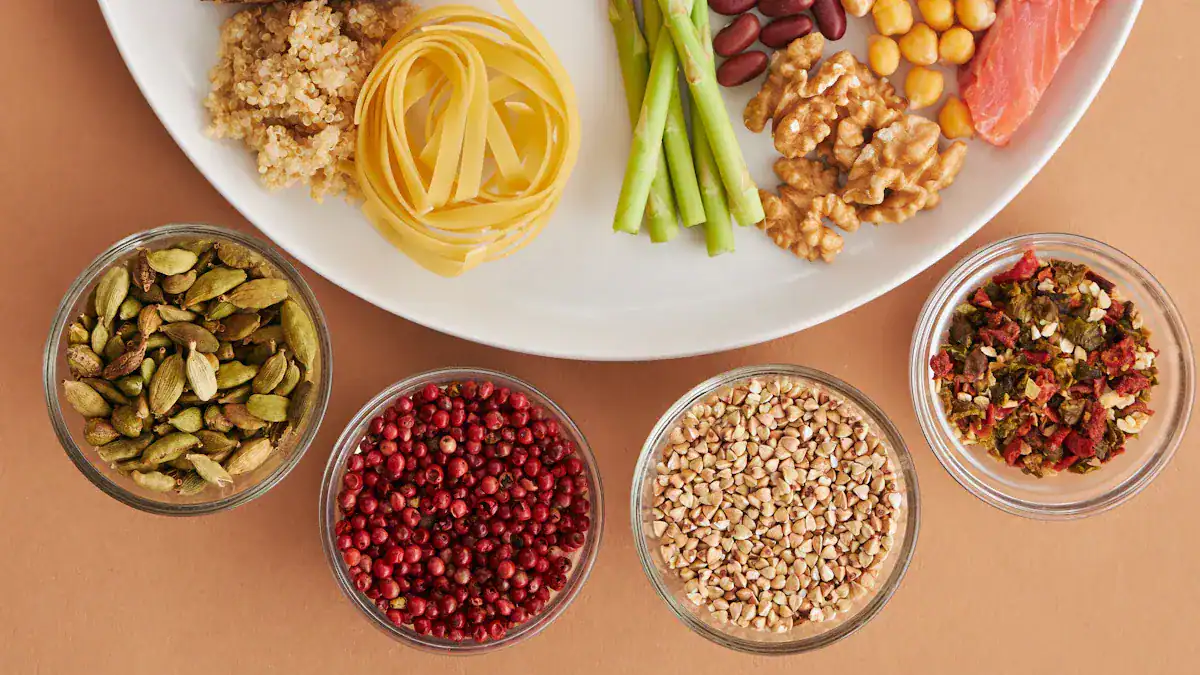
You can find significant relief from constipation by making specific changes to your diet. What you eat directly impacts your digestive health. Focusing on certain foods and limiting others can help you achieve regular bowel movements.
Boost Your Fiber Intake:
Fiber is a crucial part of your diet for preventing and relieving constipation. It adds bulk to your stool, making it softer and easier to pass. You need to increase the fibre in your diet gradually. This helps your body adjust and prevents discomfort like gas or bloating. Always drink plenty of water when you increase your fiber intake.
Adults have specific daily fiber needs. Here is a guide for you:
Group | Daily Fiber Intake (grams) |
|---|---|
Women aged 31-50 | 25 |
Men aged 31-50 | 31 |
Women older than 51 | 22 |
Men older than 51 | 28 |
You should also aim for two to four cups of vegetables daily. You need 1.5 to 2.5 cups of fruit each day.
Fiber comes in two main types: soluble and insoluble. Both are important for digestive health.
Soluble fiber: This type attracts water. It turns into a gel during digestion. This slows digestion. You find it in oat bran, barley, nuts, seeds, beans, lentils, peas, and some fruits and vegetables. Psyllium is also a source.
Insoluble fiber: This type adds bulk to your stool. It helps food move quickly through your stomach and intestines. You find it in wheat bran, vegetables, and whole grains.
Both types of fiber are effective. For example, plum-derived mixed fiber (which has both soluble and insoluble types) works as well as psyllium. It helps increase complete spontaneous bowel movements (CSBMs). It also improves stool consistency, straining, and bloating. Mixed fiber is even better at relieving gas and flatulence.
Fiber-Rich Foods for Relief
Many delicious high fiber foods can help you manage constipation. You should include a variety of these in your daily diet.
Fruits and Vegetables:
Apples: They contain fiber and sorbitol. Sorbitol is a sugar alcohol that helps with regular bowel movements.
Kiwis: One kiwi has about 2.3 grams of fiber. They improve stool consistency and reduce discomfort. The enzyme actinidin in kiwis may also help gut movement.
Prunes (dried plums): A 1/4 cup serving has almost 3 grams of fiber. They add bulk to stool. Their soluble and insoluble fibers hold water. They also produce fatty acids that increase stool weight. The sorbitol in prunes acts as a mild laxative.
Figs: A 1/2 cup of dried figs gives you 7.3 grams of fiber. Eating them regularly helps with stool frequency and eases abdominal pain or bloating.
Citrus fruits: One orange has 3.7 grams of fiber. One grapefruit has almost 5 grams. Their peels contain pectin and naringenin, which can help reduce constipation.
Pears: A medium pear has 5.5 grams of fiber. Pears contain sorbitol and fructose. These can act as mild laxatives.
Spinach and other greens (Brussels sprouts, broccoli): These are full of fiber. Fiber adds bulk and weight to stools, making them easier to pass. 100 grams of cooked spinach has 1.6 grams of fiber. Five Brussels sprouts contain 3.5 grams of fiber. One cup of broccoli has 2.4 grams of fiber.
Sweet potatoes: One medium sweet potato has 3.6 grams of fiber. They contain both insoluble fiber (cellulose and lignin) and soluble fiber (pectin). This helps bowel movements.
Pumpkin: A half cup provides 3.5 grams of fiber.
Turnips: One medium turnip has 2 grams of fiber.
Grains and Legumes: You need both soluble and insoluble fiber for effective constipation relief.
Soluble Fiber Sources: Oats, barley, rye, and beans.
Insoluble Fiber Sources: Legumes, brown rice, and wheat bran.
General Best Foods: Whole grains, oatmeal, and pulses (like beans, peas, and lentils).
Here is a look at the fiber content in various legumes and grains:
Legume/Grain | Serving Size | Fiber (grams) |
|---|---|---|
Lima beans | 1 cup, cooked | 9.2 |
Green peas | 1 cup, cooked | 8.8 |
French green beans | 1/2 cup, cooked | 8.3 |
Split peas | 1/2 cup, cooked | 8.2 |
Lentils | 1/2 cup, cooked | 7.8 |
Pinto beans | 1/2 cup, cooked | 7.7 |
Black beans | 1/2 cup, cooked | 7.5 |
Chickpeas/Garbanzo beans | 1/2 cup, cooked | 6.3 |
Great northern beans | 1/2 cup, cooked | 6.2 |
Kidney beans | 1/2 cup, cooked | 5.7 |
White beans | 1/2 cup, cooked | 5.7 |
Soybeans | 1/2 cup, cooked | 5.2 |
Snow peas | 1 cup, cooked | 4.5 |
Edamame | 1/2 cup, cooked | 4.1 |
Snap green beans | 1 cup, cooked | 4.0 |
High-fiber cereal (unsweetened) | 1/2 cup | 14.0 |
Whole grain kernel cereal | 1/2 cup | 7.5 |
Shredded wheat cereal | 1 cup | 6.2 |
Popcorn | 3 cups | 5.8 |
Bran flakes cereal | 3/4 cup | 5.5 |
Bulgur | 1/2 cup, cooked | 4.1 |
Spelt | 1/2 cup, cooked | 3.8 |
Pearled barley | 1/2 cup, cooked | 3.8 |
Brown rice (long grain) | Cooked | 3.5 |
Toasted oat cereal | 3.0 | |
Multigrain bread | 1 large slice | 3.0 |
Oat bran | 1/2 cup | 2.9 |
Whole wheat crackers | 1 oz. | 2.9 |
Whole wheat tortillas | 1 oz. | 2.8 |
Foods to Limit or Avoid
While you make changes to your diet to include more fiber, you should also change what you eat by limiting certain foods. Some foods can worsen constipation or slow your digestion.
Processed white bread, crackers, and pasta: These have low fiber content.
Red meat: It has high fat and iron content. This slows digestion.
Fried foods and heavily processed snacks: Their high fat content slows stomach emptying.
Unripe bananas and persimmons: They contain high levels of tannins. Tannins slow digestive processes.
White rice and other low-fiber grains: Eating large amounts of these can contribute to constipation.
Cheese: Especially aged varieties, due to high fat and low fiber content.
Fast food items: Burgers, pizza, and fried chicken are high in fat and low in fiber.
Salty snacks: Chips, fries, processed meats, and freezer dinners can worsen dehydration.
Eggs: Especially if your diet is low in fiber, or if you have an egg allergy.
Milk and dairy products: Milk and soft cheeses can be high in FODMAPs. They can also cause issues if you have a dairy protein allergy or lactose intolerance.
Hydration and Lifestyle to Treat Constipation:
You can find lasting relief from constipation by focusing on your daily habits. Your fluid intake and lifestyle choices play a big role in how your digestive system works. Making simple changes can help you treat constipation and feel better.
Hydration for Relief
Drinking enough fluids is very important to treat constipation. Water helps soften your stool. This makes it easier to pass. When you do not drink enough, your body takes water from your stool. This makes it hard and dry. You should drink plenty of water every day.
You need to drink two to four extra glasses of water daily. This helps your body stay hydrated. For men, the daily fluid recommendation is about 13 cups. For women, it is about 9 cups. These amounts include fluids from food. Healthy men might drink about 15.5 cups of fluids daily. Healthy women might drink about 11.5 cups. You might only need four to six cups of plain water if you get fluids from coffee, tea, juice, fruits, and vegetables. Older adults should aim for 6 to 8 cups of water daily. Remember to drink plenty of water throughout your day.
Regular Physical Activity
Moving your body helps your bowels move too. Regular physical activity prevents and relieves constipation. It strengthens your abdominal muscles. It also stimulates contractions in your intestines. These contractions push stool through your digestive system. Exercise can also reduce stress, which often triggers constipation.
Many types of exercise can help.
Light Cardio: Activities like walking and bike rides raise your heart rate. They stimulate your gastrointestinal tract. Federal guidelines suggest 150 minutes of light aerobic activity each week. Even short walks, 10-15 minutes several times a day, help your body and digestive system work well.
Running: Running, especially at a slower pace, promotes bowel regularity. The jostling motion helps your intestines contract.
Core Exercises: Planks and crunches strengthen your abdominal muscles. These muscles help push waste through your digestive system. Bending and twisting your torso also increases pressure on your intestines.
Yoga: Yoga involves bracing, bending, and twisting your core. This affects blood flow to your intestines. Yoga also activates your “rest and digest” system. This prepares your body for better digestion. Poses like Supine Twist, Cobra, and Child’s pose are helpful.
Stress Management
Stress can affect your gut. It can make constipation worse. Your brain and gut are connected. When you feel stressed, your digestive system can slow down. Managing stress helps your digestion.
You can use several techniques to reduce stress:
Mindfulness and Relaxation: Practices like meditation, yoga, and deep breathing reduce stress. They promote relaxation. They also regulate your nervous system. This benefits your gut health. Even 5-10 minutes daily can be effective.
Regular Exercise: Physical activity is a powerful stress reliever. It reduces stress hormones. It also improves gut movement. Aim for at least 30 minutes of moderate exercise most days.
Prioritize Sleep: Get enough sleep, 7-9 hours each night. Have a consistent sleep routine. A calm sleep environment helps break the cycle of poor sleep and stress. This cycle can worsen digestive issues.
Breathing Exercises: Deep breathing techniques, like diaphragmatic breathing, can lower stress. They calm your nervous system.
Build a Support System: Connect with friends, family, or support groups. This can ease stress. You can also seek professional counseling if stress feels overwhelming.
Limit Stressors: Identify what causes you stress. Address these things. Manage your time well. Set realistic expectations. Learn to say no. This reduces unnecessary stress.
Establishing a Routine
Your body likes routine. Establishing a regular schedule for meals and bathroom visits can help your digestive system. Try to eat your meals at similar times each day. This helps your body anticipate digestion. Also, try to go to the bathroom at the same time each day.
Many people find success by trying to have a bowel movement shortly after waking up or after a meal. This is when your colon is most active. Listen to your body’s signals. Do not ignore the urge to go. This helps prevent stool from becoming harder and more difficult to pass.
Natural Aids and Toilet Habits for Relief
You can find lasting relief from constipation by adopting specific natural aids and improving your bathroom habits. These home remedies work with your body to promote regular bowel movements.
Optimizing Bathroom Posture:
You can improve your bowel movements by changing how you sit on the toilet. Your posture greatly affects how easily you pass stool. Using a footstool or a squatting device helps. These tools elevate your feet. This changes your body’s angle. It straightens your rectum.
This makes it easier for your bowel to empty. Studies show these devices enhance bowel emptiness and reduce straining. They also shorten bowel movement durations. For example, some people reduced defecation time from 113.4 seconds to 55.5 seconds. They also lowered strain ratings. This simple change can make a big difference for your bowel.
Responding to Nature’s Call
Your body sends signals when it is ready to have a bowel movement. You must listen to these signals. Do not ignore the urge to go to the bathroom. Holding it in makes your stool harder. This makes it more difficult to pass later. Establishing a regular toilet routine helps train your bowel. Try to go at the same time each day. This supports healthy bowel function.
Gentle Abdominal Massage
A gentle abdominal massage can stimulate your bowel. This helps move stool through your intestines. Lie on your back. Apply gentle pressure to your abdomen with both hands. Start at the lower right side of your abdomen. Slowly make circles in a clockwise direction. Use gentle pressure. You can use your fingertips or the heel of your hand.
Massage in the horseshoe shape of your colon. Begin in the lower right corner. Move upwards. Then, massage under your ribs and across to the left. Go down the left side. Finally, massage into the center. You can repeat these steps. Be careful not to overdo it. This massage helps your bowel.
When to Seek Medical Help for Constipation
Most of the time, you can manage constipation with simple changes at home. However, some situations require a doctor’s visit. Knowing when to seek medical help is important for your health.
Persistent or Worsening Symptoms
You should not ignore long-lasting changes in your bowel habits. If your constipation symptoms persist for three weeks or more, you should consult a doctor. This means your usual home remedies are not working. A healthcare professional can evaluate your condition. They can help you find the right solution.
Ineffectiveness of Home Remedies
You have many effective home remedies for constipation. But sometimes, these methods do not provide relief. If you have consistently tried dietary changes, increased hydration, and lifestyle adjustments, and still suffer from constipation, talk to your doctor. They can investigate further. They might suggest different treatments or tests to understand the cause of your persistent symptoms.
Managing constipation often comes down to consistent, mindful lifestyle choices. You can find relief by focusing on adequate fiber intake. Ensure you get enough fiber from your diet. Proper hydration and regular physical activity also help prevent constipation. Always listen to your body’s signals. Be patient and persistent with these home remedies. If your symptoms persist or worsen, consult a healthcare professional. Proactive health management helps you feel better.


