Your body relies on hemoglobin for vital functions. This protein in your red blood cells carries oxygen throughout your system, giving you energy. When you have low hemoglobin, you often feel tired and experience other health issues. Nearly 1 in 4 people worldwide experience low hemoglobin levels, a condition known as anemia. This translates to approximately 2 billion individuals globally. You can actively manage your hemoglobin through your diet. This guide provides practical foods to increase hemoglobin level quickly, helping you achieve healthy hemoglobin levels.
Key Takeaways
Hemoglobin carries oxygen in your blood. Low levels make you tired. Eating certain foods helps your body make more hemoglobin.
Eat foods rich in iron, like red meat, leafy greens, and beans. These foods help your body produce more red blood cells.
Vitamin C helps your body use iron better. Eat fruits like oranges and bell peppers with iron-rich meals.
Avoid drinking tea and coffee with meals. They can stop your body from taking in iron. Also, limit calcium-rich foods during iron-rich meals.
Understanding Low Hemoglobin
What is Hemoglobin
Hemoglobin is a vital protein inside your red blood cells. It acts like a tiny delivery truck, picking up oxygen from your lungs. Then, it carries this oxygen to every part of your body. Your muscles, brain, and all your organs need this oxygen to work correctly. Without enough hemoglobin, your body cannot get the oxygen it needs. This impacts your energy and overall health.
Signs of Low Hemoglobin
When you have low hemoglobin, your body sends you signals. You often feel unexplained fatigue or a lack of energy. You might notice your skin looks pale or even yellow. You may experience shortness of breath, especially when you are active. Headaches are common, and you might feel lightheaded or dizzy. Your heart could beat faster than usual. You might also notice brittle nails or hair loss. These signs tell you your body needs more oxygen, which means your hemoglobin levels are low.
Common Causes of Low Hemoglobin
Many things can cause low hemoglobin. A primary reason is iron deficiency anemia. This happens when your body does not have enough iron to make hemoglobin. Without enough iron, your body cannot produce healthy red blood cells. Other types of anemia, like aplastic anemia or hemolytic anemia, also lead to low hemoglobin. Chronic diseases, such as kidney disease, can affect your body’s ability to make red blood cells. Certain medications, like chemotherapy, can also reduce your hemoglobin levels. Blood loss, either sudden or over time, also lowers your iron and hemoglobin count.
Best Foods to Increase Hemoglobin: The Top 10 List
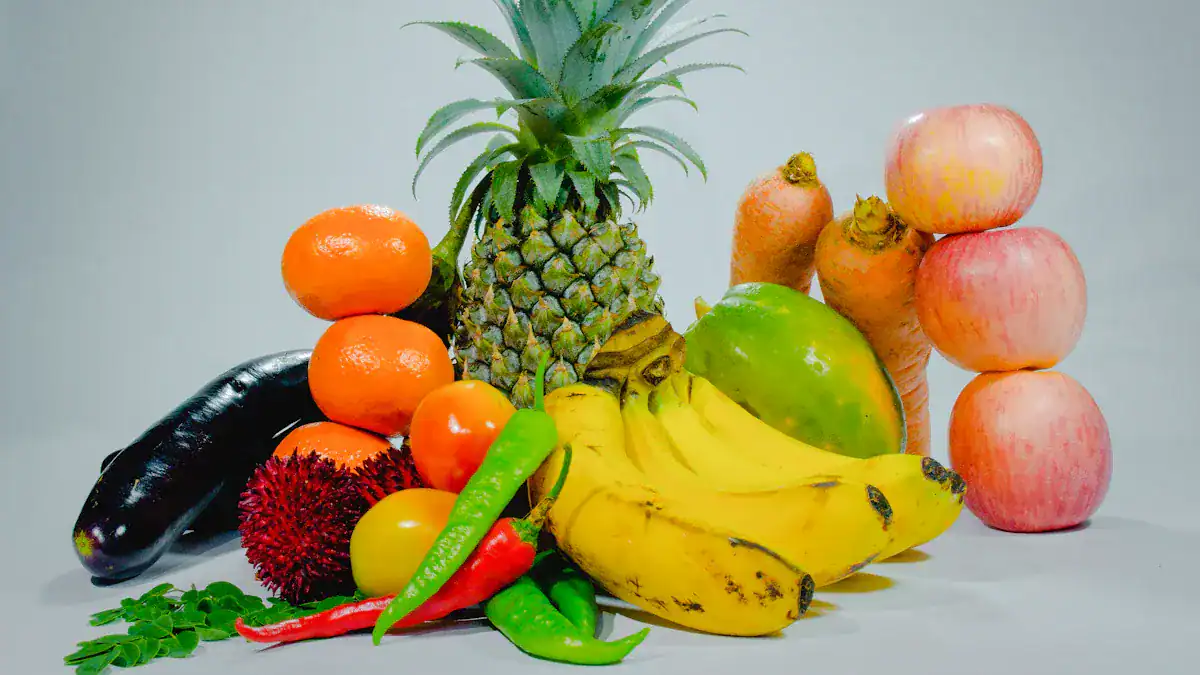
You can significantly impact your hemoglobin levels by choosing the right foods to increase hemoglobin level. These foods that increase hemoglobin provide essential nutrients. They help your body make more red blood cells. This section details the best foods to increase hemoglobin and how you can add them to your diet.
To understand your needs, consider the recommended daily iron intake:
Age Group | Male (mg/day) | Female (mg/day) |
|---|---|---|
19–50 years | 8 | 18 |
51+ years | 8 | 8 |
Pregnancy | — | 27 |
Lactation (younger than 18) | — | 10 |
Lactation (19–50 years) | — | 9 |
Leafy Greens (Spinach, Kale)
Leafy green vegetables are powerhouses of nutrition. They offer a good source of non-heme iron and folate. Folate is a B vitamin crucial for red blood cell formation. Spinach and kale are excellent choices. For example, 100 grams of cooked spinach provides 6.77 mg of iron. Approximately 3.6 mg of this is non-heme iron. This makes them vital iron-rich foods for combating iron deficiency anemia.
You can easily add these greens to your meals. Try them in salads, smoothies, or stir-fries. You can also steam them as a side dish. Eating these leafy green vegetables regularly helps to increase blood production and supports healthy hemoglobin levels.
Red Meat and Organ Meats
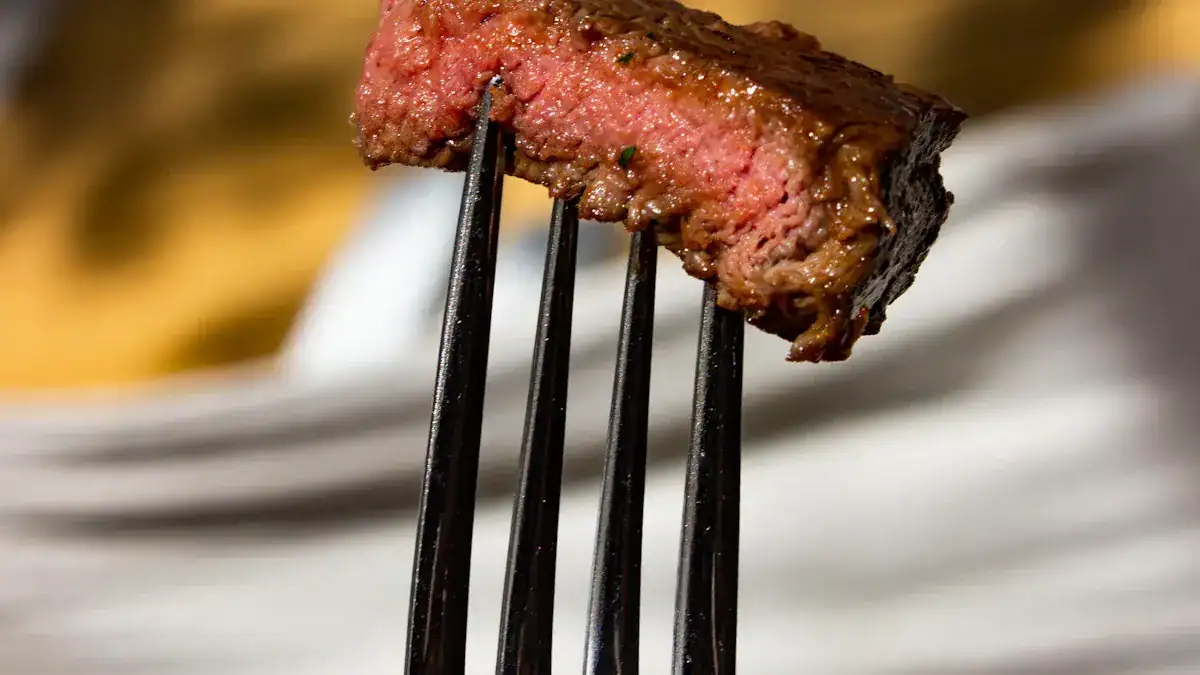
Red meat, such as beef and lamb, provides heme iron. Your body absorbs heme iron more easily than non-heme iron. Organ meats, like liver, are especially rich in iron. They also contain Vitamin B12, another nutrient vital for hemoglobin synthesis. These iron-rich meats are effective foods to increase hemoglobin level quickly.
When you cook red meat, consider methods that preserve nutrients. Sous-vide cooking is very effective. It cooks meat at low temperatures for longer periods. This method reduces the loss of water and minerals. It also maintains the meat’s structure and flavor. Traditional high-temperature methods like roasting, baking, grilling, and broiling can reduce B vitamins by as much as 40%. To maximize nutrient retention:
Cook for the shortest time needed for safety.
Add any pan juices back to the meat.
Use lower temperatures and minimal water.
Eating red meat a few times a week can significantly boost hemoglobin levels.
Legumes and Beans
Legumes and beans are excellent plant-based sources of non-heme iron. They also provide folate. This makes them important foods that increase hemoglobin. Black beans, kidney beans, chickpeas, and lentils are all great options. For instance, 100 grams of black beans contain 4 mg of iron. This iron is predominantly non-heme.
You can incorporate legumes and beans into many dishes. Add them to soups, stews, salads, or make them into dips like hummus. Regular consumption helps to increase blood cell production and fight anemia.
Tofu and Soy Products
Tofu, made from soybeans, is another valuable source of non-heme iron. It is a versatile plant-based protein. The iron content in 100 grams of firm tofu can vary. It ranges from 2.7 mg to 10.47 mg, with some varieties providing around 6.7 mg. This makes it a good choice for those looking to increase their iron intake.
You can use tofu in stir-fries, scrambles, or bake it for a crispy texture. Tofu helps you meet your daily iron needs, supporting healthy hemoglobin levels.
Fortified Cereals
Many breakfast cereals are fortified with essential vitamins and minerals. This means manufacturers add nutrients like iron and folic acid to them. These cereals offer an easy way to get a quick iron boost.
Check the nutrition label to ensure your cereal is fortified. Enjoy a bowl with milk or yogurt for a convenient and iron-rich start to your day. This helps prevent iron deficiency anemia.
Seafood and Fish
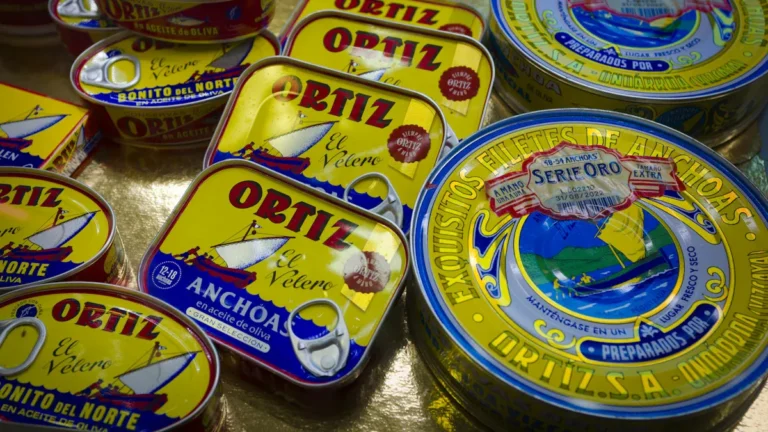
Certain types of poultry and seafood provide heme iron and Vitamin B12. These nutrients are crucial for hemoglobin production. Sardines, salmon, and tuna are good examples. Canned sardines, for instance, contain a notable amount of iron. You can find 2.9 mg to 4.4 mg of iron per 100 grams.
You can grill, bake, or pan-sear fish. Add sardines to salads or eat them on crackers. These options help you maintain healthy hemoglobin levels.
Eggs
Eggs are a common food item that contains non-heme iron. They also provide protein and other vitamins. One large chicken egg contains about 0.9 mg to 1 mg of non-heme iron. While not the highest source, eggs contribute to your daily iron intake.
You can enjoy eggs in many ways. Scramble them, boil them, or poach them. They make a great addition to any meal. Regular consumption helps support your body’s hemoglobin needs.
Dried Fruits (Prunes, Raisins)
Dried fruits like prunes and raisins are concentrated sources of non-heme iron. They are also convenient snacks. For example, 100 grams of dried prunes provide 0.93 mg of iron.
Keep a handful of dried fruits with you for a quick energy and iron boost. Add them to oatmeal, yogurt, or trail mix. They are a tasty way to help your body boost blood production.
Beets
Beets are root vegetables known for their vibrant color and nutritional benefits. They contain iron and folate. These nutrients are important for healthy blood. 100 grams of raw beets contain 0.8 mg of iron.
You can roast beets, add them to salads, or juice them. Beet juice is a popular way to consume this vegetable. Including beets in your diet helps support your hemoglobin levels and overall blood health.
Pomegranates and Apples
Pomegranates and apples are iron-rich fruits and vegetables that support hemoglobin production. Pomegranates contain iron and Vitamin C. Vitamin C helps your body absorb non-heme iron more effectively. Apples also contain a small amount of iron. A medium apple provides about 0.2 to 0.24 mg of iron.
Enjoy pomegranates as a snack or drink their juice. Apples are easy to eat on their own or sliced into salads. These fruits contribute to your overall iron intake and help fight anemia.
Essential Nutrients for Hemoglobin Production
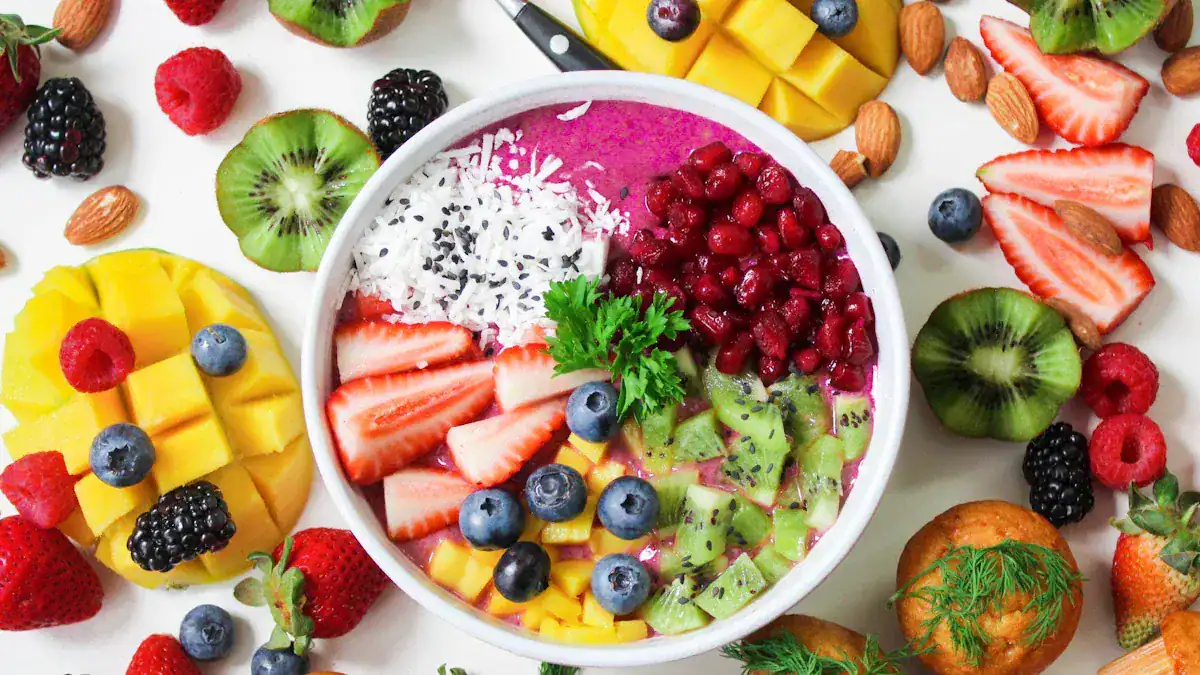
You need more than just iron to make hemoglobin. Other key nutrients work with iron to help your body produce healthy red blood cells. These nutrients ensure your body can effectively use the iron you consume.
Vitamin C: Boosting Iron Absorption
Vitamin C plays a crucial role in iron absorption. Your body absorbs non-heme iron (from plants) less easily than heme iron (from animal sources). Vitamin C helps your body absorb this non-heme iron better. It forms a soluble compound with ferric iron in your stomach. This compound stays soluble even in your small intestine. This process is vital for its uptake. The more Vitamin C you have, the more iron absorption you get. This can also reduce the negative effects of other substances like tea.
You can find Vitamin C in many vitamin C foods. Citrus fruits like oranges, grapefruits, lemons, and limes are excellent sources. Bell peppers, especially sweet yellow peppers, are also foods high in vitamin C. Berries like strawberries and acerola cherries provide a lot of Vitamin C. Papayas and Kakadu plums are also very rich in this vitamin.
Folate (Vitamin B9) Sources
Folate, or Vitamin B9, is another important nutrient. It helps your body make new red blood cells. Adults need about 400 mcg of folate daily. You can get folate from many foods.
Food Item | Folate Content (per serving) |
|---|---|
Cooked Lentils | 358 mcg (one cup) |
Cooked Kidney Beans | 131 mcg (one cup) |
Cooked Asparagus | 134 mcg (half-cup) |
Large Egg | 22 mcg (one large egg) |
Raw Spinach | 58.2 mcg (one cup) |
Cooked Brussels Sprouts | 47 mcg (half-cup) |
Raw Broccoli | 57 mcg (one cup) |
Cooked Broccoli | 84 mcg (half-cup) |
Walnuts | 28 mcg (one ounce) |
Flax Seeds | 24 mcg (one ounce) |
Cooked Beef Liver | 212 mcg (3-ounce) |
Raw Beets | 148 mcg (single cup) |
Large Orange | 55 mcg (one large orange) |
Raw Avocado | 82 mcg (one-half) |
Cooked Spaghetti (fortified) | 102 mcg (one cup) |
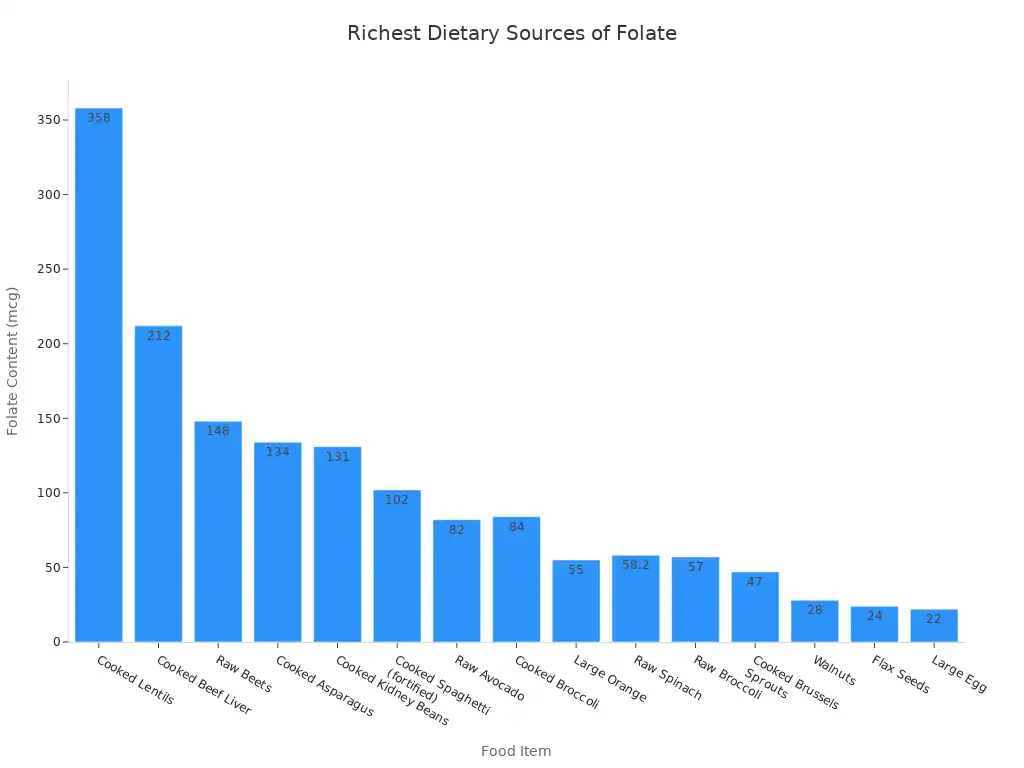
Foods like lentils, spinach, and asparagus are rich in folate. Fortified cereals and enriched breads also provide folate.
Vitamin B12 for Hemoglobin Synthesis
Vitamin B12 is essential for making hemoglobin. It helps your body produce red blood cells in the bone marrow. Without enough Vitamin B12, your body cannot make healthy red blood cells. This can lead to a type of anemia where red blood cells are large and immature. Higher amounts of Vitamin B12 can improve your hemoglobin levels.
You find Vitamin B12 mainly in animal products. Meat, dairy, and eggs are good sources. Fish and shellfish also provide Vitamin B12. Fortified foods like cereals and plant-based milks are also good options. Nutritional yeast is another source, especially for vegans.
Foods to Avoid: Iron Absorption Blockers
You work hard to eat foods that boost your hemoglobin. However, some foods and drinks can actually stop your body from taking in iron. You should know about these “iron absorption blockers.” This helps you get the most iron from your diet.
Tannin-Rich Beverages
Certain drinks contain compounds that block iron absorption. Tea and coffee are common examples. These beverages contain polyphenols. Chlorogenic acid is a polyphenol found in coffee. Tannins are polyphenols present in black tea and coffee. These compounds bind to iron in your digestive system. This makes it harder for your body to absorb the iron. You should drink tea and coffee between meals. This means you avoid them with your iron-rich foods. This timing helps your body absorb more iron.
Calcium-Rich Foods
Calcium is an important mineral. However, it can interfere with iron uptake. Calcium can stop your body from taking in iron at a key point in your gut. It affects how your body moves iron into your blood. Studies show that calcium can reduce iron absorption when you eat them together. For example, drinking a glass of milk with an iron-rich meal can lower the amount of iron your body absorbs. You can separate your intake of calcium-rich foods and iron-rich foods. This helps your body absorb more iron.
Phytate-Containing Foods
Phytates are compounds found in whole grains and legumes. They also bind to iron. This makes it harder for your body to absorb the iron. You can reduce phytate content in these foods. Soaking grains and legumes before cooking helps. For example, soaking pounded maize can reduce phytates by 51%. Soaking millet for 8 hours also works well. Fermentation is another method. Adding sprouted flour to your dishes can also help. These steps allow your body to absorb more iron from these healthy foods.
Maximizing Hemoglobin Levels: Practical Tips
You can take specific steps to ensure your body makes and uses iron effectively. These tips to increase hemoglobin help you maintain healthy hemoglobin levels. They also support your overall well-being.
Strategic Food Pairings
You can significantly boost your iron absorption by pairing foods correctly. Always pair iron with vitamin c. Vitamin C helps your body absorb non-heme iron from plant sources much better. Citrus fruits, bell peppers, and strawberries are excellent Vitamin C sources. You can also include foods rich in Vitamin A and Beta-carotene, like carrots and sweet potatoes. These help release stored iron. Eating meat, fish, or poultry with plant-based iron-rich foods also helps. These animal proteins not only provide easily absorbed heme iron but also stimulate the absorption of non-heme iron. Remember to avoid certain foods with your iron-rich meals. These include phytate-containing foods, calcium-rich dairy, and polyphenol-rich drinks like tea and coffee. Consume these separately to maximize iron uptake.
Cooking with Cast Iron
Cooking in cast iron cookware can naturally increase blood iron content in your food. This is a simple way to get more iron into your diet. For example, meat and vegetables cooked in cast iron can double their iron content. Legumes can see a 1.5 times increase. Pea pastes prepared in an iron pot showed 3.3 times higher iron content compared to clay pots. Even spaghetti sauce, which usually has less than one milligram of iron, can increase to nearly six milligrams when you cook it in an iron pot. This method helps you get more iron from your meals.
Hydration and Lifestyle
Proper hydration is crucial for your hemoglobin levels. It helps maintain your blood volume. When you are well-hydrated, your plasma volume stays stable. This prevents your hemoglobin concentration from appearing artificially high due to dehydration. Drinking an isotonic beverage can effectively maintain or even slightly increase your plasma volume. This helps keep your hemoglobin levels stable. Water also helps, but isotonic drinks are more effective. Without hydration, your plasma volume decreases significantly. This leads to a less favorable effect on your hemoglobin. Regular, moderate exercise also supports overall blood health. These lifestyle tips to improve hemoglobin contribute to your body’s ability to increase blood production and maintain optimal hemoglobin function.
You now understand the power of a balanced diet rich in iron, Vitamin C, folate, and B12 for boosting your hemoglobin. These foods to increase hemoglobin level significantly impact your hemoglobin levels. Incorporate these iron-rich foods into your daily routine to fight anemia and prevent low hemoglobin. This helps you combat iron deficiency anemia.
Your diet plays a key role in managing iron and preventing anemia. Remember, persistent low hemoglobin or severe anemia needs professional medical advice. Consult a healthcare professional before making significant diet changes. This information serves educational purposes only. Your body needs enough iron to make healthy hemoglobin and avoid iron deficiency anemia.
FAQ
What are the top foods to quickly increase hemoglobin?
You can quickly increase hemoglobin with red meat, organ meats, and leafy greens like spinach. Legumes, fortified cereals, and seafood also help. Dried fruits, beets, pomegranates, and apples also contribute to healthy levels.
What is the difference between heme and non-heme iron?
Heme iron comes from animal sources like red meat. Your body absorbs it easily. Non-heme iron comes from plants. Your body absorbs it less efficiently. You find non-heme iron in foods like spinach and beans.
What nutrients boost iron absorption?
Vitamin C significantly boosts non-heme iron absorption. You find it in citrus fruits and bell peppers. Folate (Vitamin B9) and Vitamin B12 also help your body make red blood cells.
What drinks block iron absorption?
Tannin-rich beverages like tea and coffee block iron absorption. They contain compounds that bind to iron. You should avoid drinking them with your iron-rich meals. This helps your body absorb more iron.