

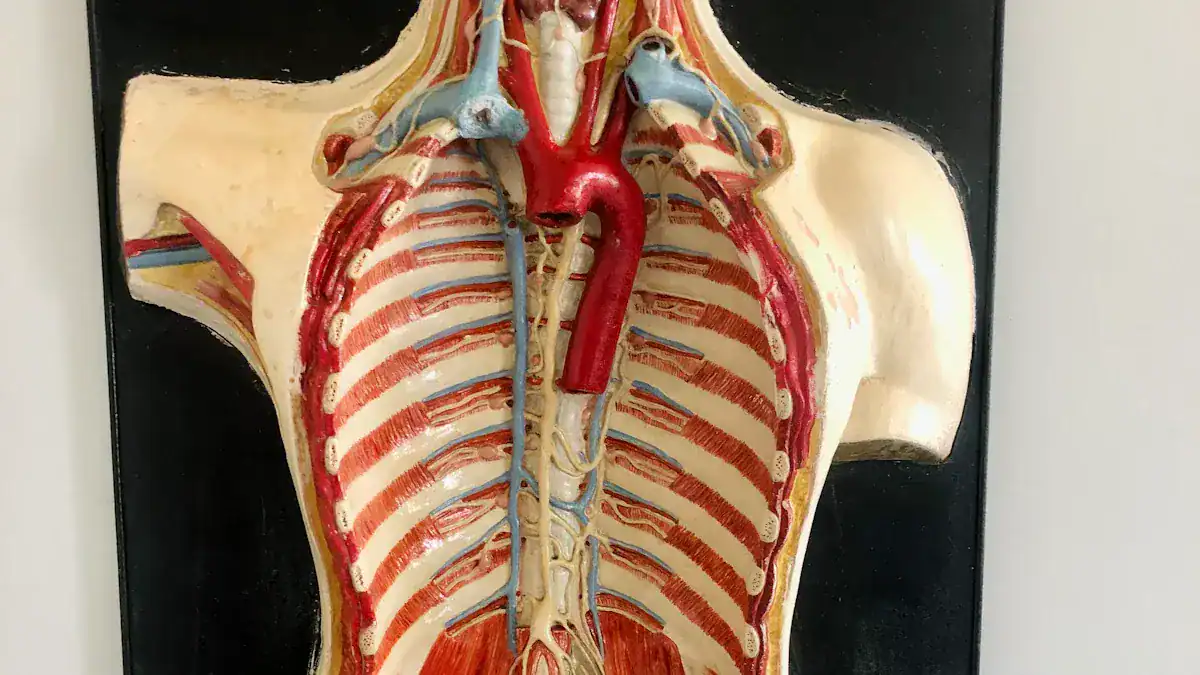
Experiencing pain under both ribs can be unsettling. This common discomfort often leaves you wondering about its origin. Many things cause this discomfort. The discomfort you feel can stem from minor issues to more serious conditions. Understanding the potential causes of rib cage pain is your first step toward seeking appropriate care. Diagnosing this specific rib pain is complex. Many organs and structures reside in that area. This discomfort requires careful consideration.
Key Takeaways
Many things can cause pain under both ribs. These include muscle problems, digestive issues, and organ problems. It is important to know the different causes.
Look for other symptoms with your rib pain. Fever, trouble breathing, or yellow skin mean you need to see a doctor right away. These signs can show a serious problem.
Do not ignore pain that lasts a long time or gets worse. See a doctor if your pain does not get better. They can find the real cause and help you feel better.
Doctors use different tests to find out why you have rib pain. They might do blood tests, X-rays, or check your body. This helps them give you the right treatment.
Musculoskeletal Causes of Rib Pain
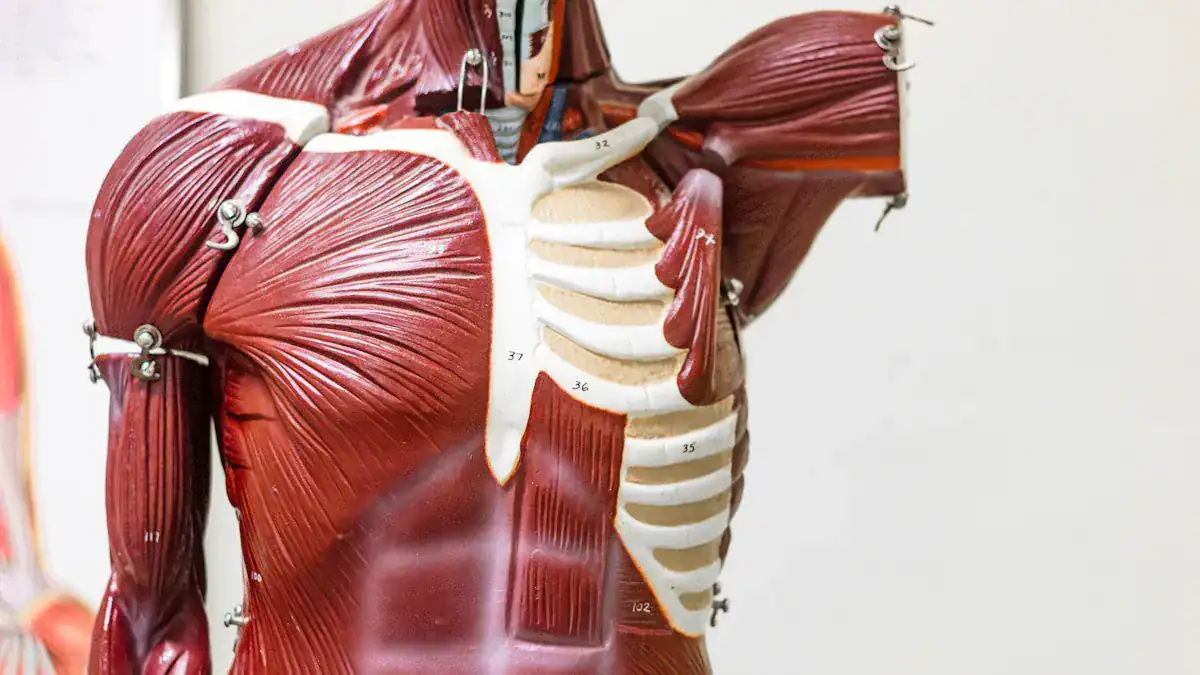
Pain under your ribs can often come from issues with the bones, muscles, and cartilage around your rib cage. Physical activities, repetitive movements, or even coughing can lead to these problems. You might feel this discomfort as a sharp ache or a dull throb. Understanding these causes helps you know what might be happening.
Costochondritis and Tietze’s Syndrome
You might experience costochondritis. This condition causes inflammation of the cartilage that connects your ribs to your breastbone. It often leads to rib pain. You feel this pain on both sides of your chest, near your breastbone. Deep breaths, coughing, and stretching make the pain worse. The second through fifth rib joints are most often affected. When you touch these areas, they feel tender. However, you usually do not see heat, redness, or swelling.
Tietze’s Syndrome is similar to costochondritis, but it has a key difference. With Tietze’s Syndrome, you will see visible swelling at the affected joint. This swelling can be mild or severe. It often affects only one side of your chest, usually involving the second rib. You might also notice redness or a warm feeling in the area. The pain can spread to your neck, arms, or shoulders. Activities like exercising, coughing, sneezing, or even laughing can make this rib cage pain worse. The swelling can appear suddenly or develop slowly. It can last for weeks or months.
Muscle Strains and Intercostal Pain
Your rib cage has many muscles. You can strain these muscles, especially the intercostal muscles between your ribs. A chest wall muscle strain happens when you overstretch or tear these muscles. This can cause significant rib pain. You might get a muscle strain from heavy lifting, sudden twisting movements, or even intense coughing. This type of discomfort can make breathing painful.
Recovery from an intercostal muscle strain varies. Mild strains might heal in a few days. Most mild strains get better within 2 to 4 weeks with rest. Moderate strains can take 3 to 7 weeks to heal. Severe strains, like a complete tear, take much longer. Most rib injuries, including muscle strains, typically heal within 6 weeks. You might feel this discomfort as a sharp pain when you move or breathe deeply. This can also contribute to general back pain.
Rib Fractures, Bruises, and Slipping Rib Syndrome
You can also experience rib pain from injuries to your ribs themselves. A rib fracture means you have a broken rib. A bruise means you have damaged the tissue around the rib without breaking the bone. Both can cause significant discomfort. These injuries often result from direct trauma, like a fall or a sports injury. You will feel sharp pain, especially when you breathe or move. This pain can also feel like rib and back pain.
Slipping Rib Syndrome is another cause of rib pain. This happens when the cartilage of your lower ribs moves out of place. It can cause a clicking sensation and sharp pain. Doctors often use a “Hooking Maneuver” to diagnose this. A doctor slides their fingertips under your lower ribs and lifts.
If this causes pain or a clicking sound, you might have Slipping Rib Syndrome. Sometimes, a local anesthetic injection can help pinpoint the exact location of the pain. If the pain goes away after the injection, it confirms the spot. Dynamic ultrasound is another tool. It lets doctors see your ribs move in real-time. This can show if a rib is subluxing or moving abnormally. This condition can cause significant discomfort and sometimes leads to rib and back pain.
Diaphragm Spasms
Your diaphragm is a muscle under your lungs. It helps you breathe. Sometimes, this muscle can spasm, causing pain under your ribs. You might feel this as a sudden, sharp pain or a persistent ache. This discomfort can be quite alarming.
Several things can trigger diaphragm spasms. Physical trauma or injury to your chest or abdomen can irritate the diaphragm. This includes injuries from contact sports or heavy lifting. Certain medical conditions also play a role. A hiatal hernia, where part of your stomach pushes into your chest, can cause spasms. Gastroesophageal reflux disease (GERD) can also be a trigger.
Electrolyte imbalances or nerve disorders affecting the phrenic nerve (which controls the diaphragm) can also lead to spasms. Stress and anxiety are common triggers too. Sometimes, a “stitch” during exercise is a diaphragm spasm. Irritation of the phrenic nerve from conditions like cancer, spinal tumors, or even infections can also cause this type of rib pain. This can sometimes feel like rib and back pain, depending on where the spasm occurs.
Gastrointestinal Causes of Rib Cage Pain
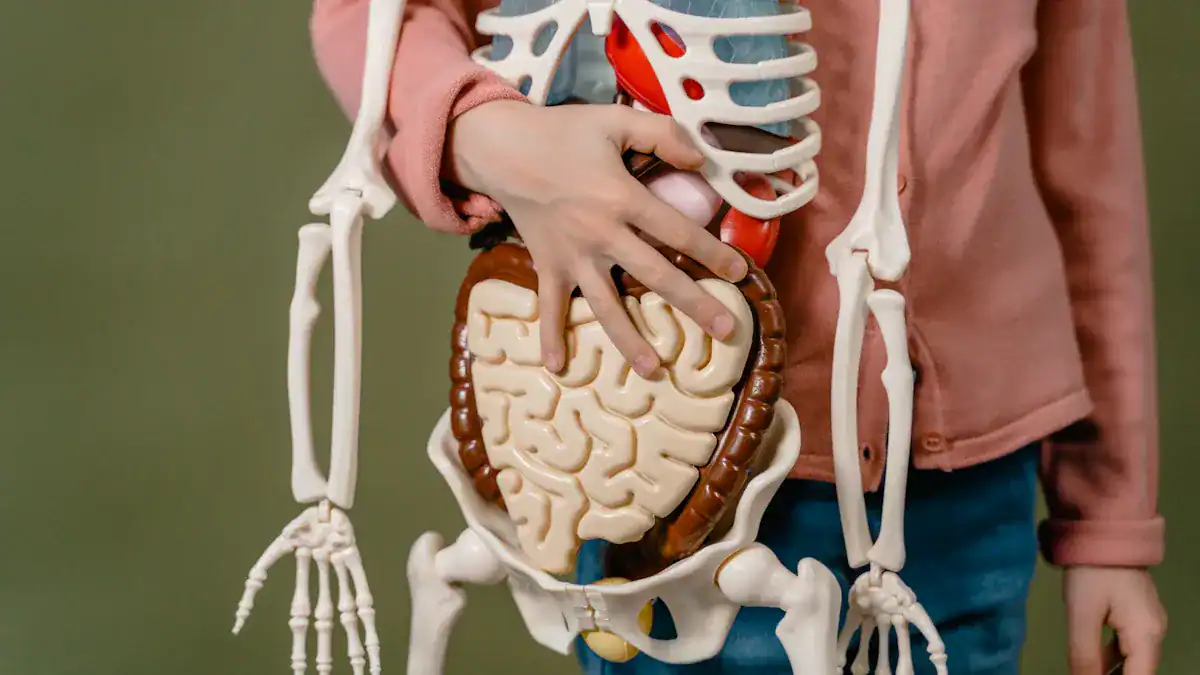
Digestive issues often cause pain under your ribs. This pain can feel like it comes from your abdomen. It can also feel like it comes from your chest. You might experience this discomfort as heartburn or a sharp ache. Understanding these connections helps you identify the source of your rib cage pain.
GERD and Acid Reflux
Gastroesophageal Reflux Disease (GERD) and acid reflux are common causes of rib pain. These conditions happen when stomach acid flows back into your esophagus. This acid can irritate the lining of your esophagus. You feel this irritation as a burning sensation, often called heartburn. This discomfort can spread to your chest and under your ribs.
Here is how GERD can cause pain under your ribs:
Direct Acid Irritation: Stomach acid touches the sensitive lining of your esophagus. This causes inflammation and pain in your chest area.
Esophageal Spasm: Acid irritation can make your esophageal muscles spasm. This leads to sharp, intense chest pain.
Referred Pain: Your esophagus and heart share nerve pathways. Pain from esophageal irritation can feel like heart problems.
Inflammation: Constant exposure to acid causes ongoing inflammation in your esophagus. This results in persistent chest discomfort.
Stomach Pain: Significant inflammation or severe GERD symptoms can cause stomach pain under your ribs in the middle area.
Gas-Related Chest Pain: GERD can increase gas production and swallowing. This leads to gas buildup. Gas causes sharp, stabbing pains in your chest and abdomen. You might confuse this with GERD pain.
You might feel this discomfort more after eating or when lying down.
Gastritis and Peptic Ulcers
Gastritis means your stomach lining is inflamed. Peptic ulcers are open sores that develop on the inside lining of your stomach or the upper part of your small intestine. Both conditions can cause significant rib cage pain. You might feel a burning or gnawing pain in your upper abdomen. This pain can radiate to your ribs.
Managing gastritis and peptic ulcers can help reduce your rib pain. You can make dietary changes to help.
Eat small, frequent meals: This helps neutralize acid and prevents overeating.
Chew food thoroughly: This aids digestion.
Include probiotics: Foods like probiotic yogurt can help reduce H. pylori infection and improve indigestion.
Increase Vitamin C: Fruits, legumes, and vegetables (like oranges and tomatoes) may help fight H. pylori.
Avoid certain foods: Stay away from rich, spicy, fried foods. Limit alcohol and caffeine. These can increase stomach acid.
Consider specific foods: Bananas are good for limiting H. pylori growth. Turmeric can reduce pain and speed ulcer healing.
You should also avoid NSAIDs (non-steroidal anti-inflammatory drugs) if you have ulcers. Talk to your doctor about safe pain medications. Managing stress through activities like mindfulness or yoga can also help.
Irritable Bowel Syndrome (IBS)
Irritable Bowel Syndrome (IBS) is a common disorder. It affects your large intestine. Symptoms include cramping, abdominal pain, bloating, gas, and changes in bowel habits. For some people, IBS can also cause pain around the rib cage. This discomfort often comes with other digestive symptoms.
Approximately one-third of people with IBS also experience functional dyspepsia. Dyspepsia causes pain in the central abdominal area, specifically just below your rib cage. This means your IBS symptoms might extend to cause rib pain. You might feel this as a persistent ache or sharp, intermittent pain.
Pancreatitis and Gallbladder Issues
Your pancreas and gallbladder are vital digestive organs. Problems with these organs can cause severe rib cage pain.
Pancreatitis is inflammation of your pancreas. It causes severe pain in your upper abdomen. This pain often radiates to your back. It can also feel like it is under your ribs. Gallbladder issues, like gallstones or inflammation (cholecystitis), also cause significant discomfort. This pain typically occurs in your upper right abdomen. It can radiate to your right shoulder or back.
Here is a comparison of pain from gallbladder and liver issues, which can both cause rib cage pain:
Feature | Gallbladder Pain | Liver Pain |
|---|---|---|
Location | Upper right abdomen, often radiating to the right shoulder or back. | Upper right abdomen, below the rib cage. |
Type of Pain | Sharp, intense, cramping, or colicky. Can be sudden and severe. | Dull, aching, throbbing, or constant. Can be mild to severe. |
Triggers | Often triggered by fatty meals. | Can be triggered by alcohol, certain medications, or viral infections. |
Associated Symptoms | Nausea, vomiting, fever, chills, jaundice (yellowing of skin/eyes), dark urine, light-colored stools. | Fatigue, weakness, nausea, vomiting, loss of appetite, dark urine, light-colored stools, jaundice, swelling in legs/ankles. |
Duration | Can last from minutes to several hours. | Can be chronic and persistent, or intermittent. |
Severity | Can be very severe and debilitating. | Can range from mild discomfort to severe pain. |
Common Causes | Gallstones, cholecystitis (inflammation of the gallbladder), biliary colic. | Hepatitis (viral, alcoholic, autoimmune), fatty liver disease, cirrhosis, liver cancer. |
Referred Pain | Can radiate to the right shoulder blade or back. | Less common to have referred pain, but can sometimes be felt in the right shoulder. |
Aggravating Factors | Eating fatty or greasy foods. | Alcohol consumption, certain medications. |
Onset | Often sudden. | Can be gradual or sudden depending on the cause. |
Both conditions require medical attention. The discomfort from these issues can be quite severe.
Organ-Related and Systemic Rib Pain
Sometimes, pain under your ribs comes from problems with your internal organs. Broader body-wide issues can also cause this discomfort. These conditions can lead to pain under both ribs. They might also cause rib and back pain. You need to understand these deeper causes.
Kidney Stones, Infections, and Flank Pain
Your kidneys sit on each side of your spine, just below your rib cage. Problems with your kidneys can cause significant rib pain. Kidney stones are hard deposits that form in your kidneys. They can cause intense discomfort. Kidney infections also lead to pain.
The most common symptom of kidney stones is pain in your lower back, belly, or side. This pain often extends from your groin to your side. Doctors call this flank pain. It can feel like a dull ache. It can also be sharp and severe. Sometimes, you describe it as colicky pain because its intensity comes in waves. Flank pain is discomfort you feel on either side of your lower back. It sits between your pelvis and your ribs. This area is the sides and back of your abdomen. It is specifically between your lower ribs and your hips. This type of back pain can be very disruptive.
Lung Conditions: Pleurisy, Pneumonia, and Cancer
Your lungs are vital organs. Conditions affecting them can cause pain around the rib cage. This pain can be quite concerning.
Pleurisy is inflammation of the lining around your lungs. This lining is called the pleura. Pneumonia is an infection that inflames the air sacs in one or both lungs. Lung cancer can also cause rib cage pain. You can tell the difference between some of these conditions.
Condition | Distinguishing Symptoms |
|---|---|
Pleurisy | You feel sharp, stabbing, or burning chest pain. This pain gets worse when you breathe deeply, cough, sneeze, or laugh. The pain might spread to your neck or shoulder if it is near your diaphragm. A doctor might hear a friction rub. This sound happens when inflamed pleural surfaces rub together. |
Pneumonia | You often have a cough, fever, and produce sputum. If your lung tissue is solid, a doctor might hear decreased breath sounds. They might also hear crackling sounds or a nasal-sounding voice when you speak. |
These lung conditions can cause significant rib and back pain. You might also feel general discomfort.
Liver and Spleen Enlargement
Your liver is on your right side, under your ribs. Your spleen is on your left side, under your ribs. When these organs become enlarged, they can cause pain under both ribs. This happens because they press against other structures.
Many things can cause your liver or spleen to enlarge. Here are some common causes:
Liver diseases like chronic hepatitis or cirrhosis. These can lead to high blood pressure in the liver’s blood vessels.
Cancers, such as blood cancers like leukemia or lymphoma. Metastatic cancer can also cause enlargement.
Focal lesions like cysts or abscesses.
Autoimmune diseases such as lupus or rheumatoid arthritis.
Blood disorders like hemolytic anemia.
Inherited metabolic disorders. These include Niemann-Pick disease or Gaucher disease.
Blood clots in your liver or spleen vessels.
Infections like hepatitis C or syphilis.
HIV.
Pernicious anemia.
Acromegaly.
Sickle cell anemia.
Thalassemia.
Thyrotoxicosis.
Trauma affecting your spleen and liver.
An enlarged liver can also put pressure on your spleen, causing it to enlarge.
An enlarged spleen can cause pain or fullness in your left upper belly. This discomfort can spread to your left shoulder. An enlarged spleen can result from infections, liver diseases like cirrhosis, or blood diseases. Problems with your lymph system or other conditions can also cause it.
Fibromyalgia and Chronic Pain Syndromes
Fibromyalgia is a chronic condition. It causes widespread pain throughout your body. This includes rib pain and back pain. Other chronic pain syndromes can also cause persistent discomfort. These conditions affect how your brain processes pain signals.
Doctors use specific criteria to diagnose fibromyalgia. The American College of Rheumatology (ACR) has updated these criteria over time.
Initial criteria included widespread pain and many specific tender points in your muscles.
Updates in 2010 and 2011 removed the need for a physical exam of tender points. They added a symptom severity scale and a self-reported widespread pain index.
Further updates in 2016 require generalized pain in at least four of five body regions for at least three months. You also need minimum scores on the widespread pain index and symptom severity scale. This scale rates fatigue, unrefreshed waking, and cognitive symptoms.
The AAPT (Analgesic, Anesthetic, and Addiction Clinical Trial Translations Innovations Opportunities and Networks–American Pain Society Pain Taxonomy) criteria from 2019 also guide diagnosis.
You need at least three months of pain in at least six of nine body regions.
You also need moderate to severe sleep problems or fatigue.
The nine body regions for pain assessment include your head, left arm, right arm, chest, abdomen, upper back and spine, lower spine (including buttocks), left leg, and right leg.
Doctors typically diagnose costochondritis by pressing on your chest. They see if this pressure causes pain in specific areas. This method helps them tell costochondritis apart from heart or lung problems. They might order imaging or blood tests to rule out other causes of your rib cage pain.
When to Seek Medical Attention for Rib Pain
You might wonder when your rib pain signals something serious. It is important to know when to seek medical help. Sometimes, the discomfort you feel is minor. Other times, it requires immediate attention. Understanding these signs helps you make informed decisions about your health.
Red-Flag Symptoms: When to Seek Urgent Care
Certain symptoms of rib cage pain demand immediate medical attention. You should seek urgent care if you experience severe chest pain and difficulty breathing. These could indicate a heart attack. If you have severe rib pain along with shortness of breath, you need to see a doctor right away.
Consider these urgent signs:
You have severe chest pain and struggle to breathe.
You feel severe rib pain and cannot catch your breath.
You experience rib cage pain with shortness of breath, rapid breathing, or coughing. This coughing might include coughing up blood. You might also feel anxiety, lightheadedness, sweating, or have an irregular heartbeat. These could signal a pulmonary embolism, a serious condition.
Persistent or Worsening Pain Under Both Ribs
You should not ignore persistent discomfort. If your rib pain lasts for more than a few days, you need to consult a healthcare provider. This is especially true if over-the-counter pain relievers do not help. If your pain under both ribs gets worse over time, you should also seek medical advice promptly. Medical advice is crucial if your rib pain continues or intensifies. This ensures you receive proper treatment and lasting relief from your discomfort.
Accompanying Symptoms to Watch For
You should also pay attention to other symptoms that come with your rib pain. These accompanying signs can point to the underlying cause.
For example, if you have rib pain and also experience:
Coughing, especially with mucus, fever, sweating or chills, and shortness of breath, you might have pneumonia.
Chest pain, fever, and a cough, you could have pleurisy.
Fever, fatigue, and heart failure, you might have endocarditis.
If your rib pain is in your upper right abdomen, watch for these concerning symptoms:
Fever and chills could indicate gallstones or a liver abscess.
Unintentional weight loss, loss of appetite, or feeling full quickly are general concerning symptoms.
A swollen abdomen, yellowing of your skin and eyes, fatigue, and itching are also serious signs.
If a urinary tract infection has spread to your kidneys, you might have rib and back pain. You will also experience:
Fever.
A burning sensation when you urinate.
Bloody urine.
These symptoms, especially when combined with back pain, indicate you need medical evaluation.
The Importance of Professional Diagnosis
You might experience discomfort or rib and back pain for many reasons. A professional diagnosis is essential. You cannot always determine the cause on your own. Your doctor will perform various tests to understand your condition.
Doctors use several methods to diagnose the cause of your rib pain:
They might conduct blood tests. These tests can identify infections or other underlying issues.
They often use imaging tests. These tests help rule out other potential causes of your rib pain. These include a Chest X-ray, Computed Tomography (CT) scan, Magnetic Resonance Imaging (MRI), and Ultrasound.
An Electrocardiogram (EKG) might also be performed to check your heart.
Your doctor will also physically examine you:
They will gently press on your chest, back, and sides to find tender spots. This is called palpation.
They will use single-digit palpation to pinpoint exact areas of tenderness.
They will examine your neck, collarbone, shoulders, and your upper and lower spine. This helps check for sources of back pain.
They will assess how your rib cage moves when you breathe deeply.
They will observe if moving your arm on the affected side makes your discomfort worse.
They will listen to your heart and lungs.
They will inspect your skin for conditions like a herpes zoster rash.
A thorough medical evaluation helps identify the exact cause of your rib and back pain. This ensures you receive the correct treatment. You should not delay when to see a doctor if you have concerning discomfort.