

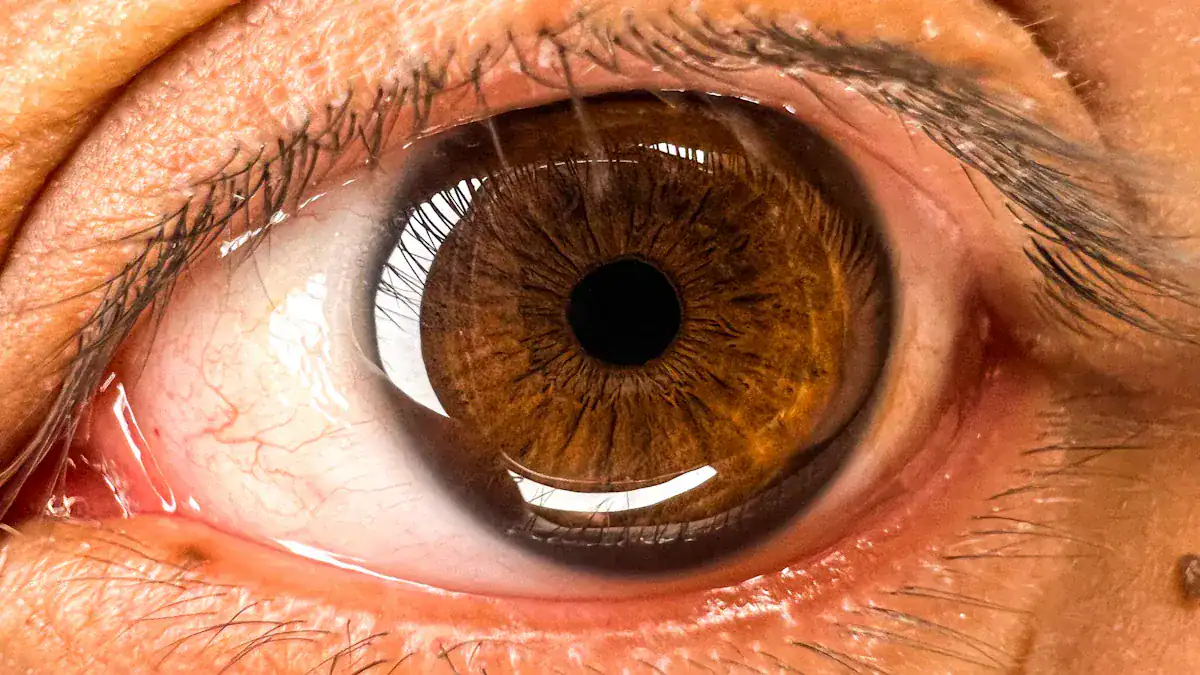
Have you ever experienced that sudden, involuntary flutter in your eyelid? This common, often unsettling sensation is known as Right Eye Twitching. While frequently harmless, it carries diverse interpretations across medical and cultural realms. You will find clarity here. We explore the physiological reasons, various cultural beliefs, and practical solutions. Our goal is to provide actionable advice for you to understand this phenomenon.
Key Takeaways
Right eye twitching is usually harmless. It often comes from things like stress, not enough sleep, too much caffeine, or eye strain.
You can stop eye twitching by getting enough sleep, managing stress, taking breaks from screens, and using eye drops for dry eyes.
Some cultures believe right eye twitching has special meanings, like good luck or bad news, depending on the culture and gender.
You should see a doctor if your eye twitching lasts for many weeks, gets worse, or comes with other problems like vision changes or weakness in your face.
Simple home remedies like warm compresses, gentle massage, and deep breathing can help calm eye twitching right away.
Medical Causes of Right Eye Twitching
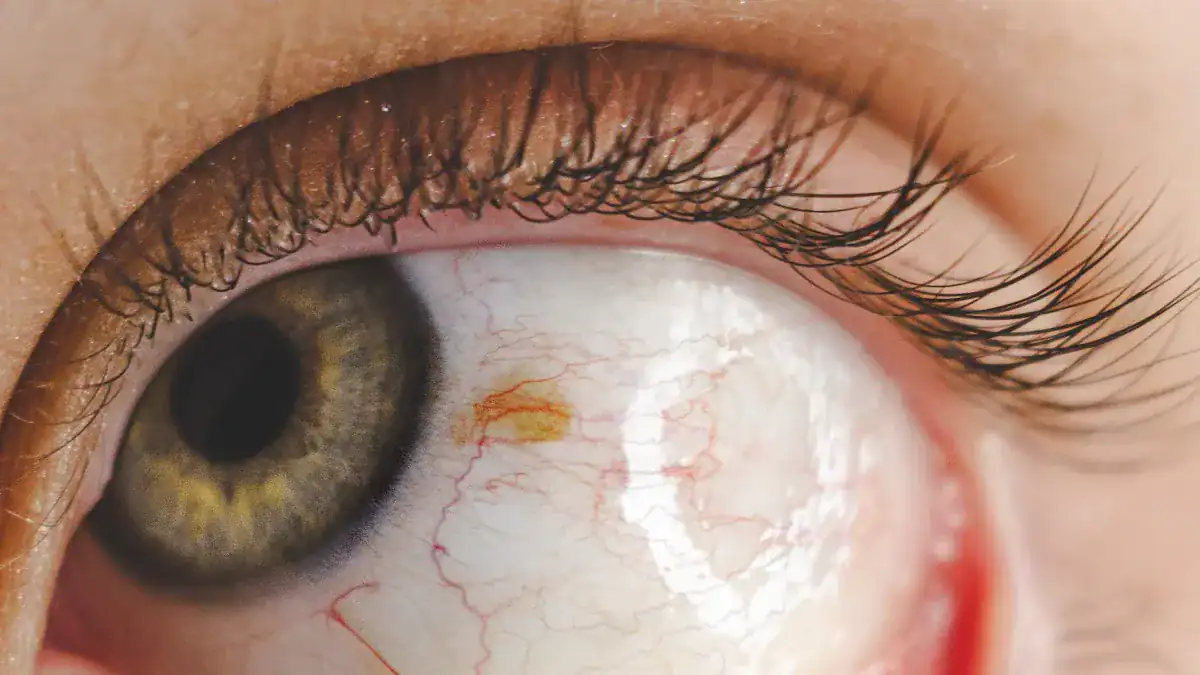
You might wonder why your right eye suddenly starts twitching. This common experience often stems from benign, or harmless, physiological reasons. Doctors call this condition myokymia.
Myokymia involves small, involuntary muscle contractions in your eyelid. While usually not serious, sometimes eye twitching can signal more significant conditions. For example, blepharospasm is a condition where you experience persistent, forceful blinking or spasms of both eyelids.
Common Medical Triggers
Several everyday factors can trigger these eyelid spasms. You might notice your eye twitching after long periods of screen time. This happens because eye strain from computers, phones, or prolonged reading can overwork your eye muscles. Poor lighting also contributes to this strain.
Stress and anxiety are major culprits. When you feel stressed, your body releases chemicals that can make your muscles, including those around your eyes, more prone to twitching. Similarly, not getting enough sleep, known as sleep deprivation, can leave your nervous system overstimulated and cause your eyelids to flutter.
Your diet also plays a role. Consuming too much caffeine can stimulate your nervous system, leading to muscle tremors and eye twitching. Caffeine acts as an antagonist to adenosine receptors. This prevents the suppression of dopamine release and neuronal activity.
The result is increased muscle fiber recruitment and enhanced neural drive. Caffeine also opens ryanodine receptor (RyR) channels in the sarcoplasmic reticulum. This increases the release of calcium ions into the intracellular space, which improves muscle speed and strength.
A study observed that caffeine increased the voluntary activation and strength of quadriceps muscles due to an augmented neural drive. This happens because caffeine reverses the inhibitory influence of adenosine in the central nervous system. It enhances the firing rate of cerebral cortical neurons and lowers the threshold for neural activation.
Dry eyes are another frequent cause. When your eyes lack sufficient lubrication, they can become irritated, leading to twitching. You might also experience twitching if your eyes are simply irritated by environmental factors like dust, pollution, or allergies.
Other Contributing Factors
Sometimes, eye twitching points to other underlying issues. Certain drugs and medications can cause eye twitching as a side effect. These include diuretics, antidepressants, some seizure medications, corticosteroids, estrogen pills, and some drugs used to treat psychosis.
While less common, more serious medical conditions can also manifest with eye twitching. These conditions include:
Fasciculations: These are small, involuntary muscle contractions. They are usually benign but can rarely indicate severe neurological conditions like ALS.
Myokymia: This is often due to stress, lack of sleep, or caffeine. However, medications, autoimmune/nervous system conditions like multiple sclerosis (MS), or tumors like gliomas can also cause it.
Blepharospasm: This is a persistent, frequent eye twitching involving both eyes. The primary form is benign essential blepharospasm. Secondary causes include dystonia, Meige syndrome, tardive dyskinesia, certain medications, Wilson’s disease, seizures, and epilepsy. Benign essential blepharospasm is estimated to affect between 20,000 and 50,000 individuals in the United States. The signs and symptoms of this condition typically manifest in mid- to late adulthood.
Hemifacial spasm: This can be primary due to blood vessel compression on a nerve. It can also be secondary to trauma, Bell’s palsy, dystonia, brainstem lesions, brain tumors, parotid gland tumors, or middle ear infections.
Other conditions that can cause eye twitching include Parkinson’s disease, brain damage from inflammation or a stroke (especially affecting the thalamus, basal ganglia, or brain stem), Meige syndrome (a nervous system movement disorder), and Bell palsy. You should pay attention to these possibilities if your eye twitching is persistent or accompanied by other symptoms.
Fixes for Right Eye Twitching
You can take many actionable steps to address and prevent Right Eye Twitching. These solutions come from medical understanding and focus on improving your overall well-being.
Lifestyle Adjustments for Relief
Your daily habits significantly impact your eye health. Making simple changes can often stop eye twitching.
Prioritize Adequate Rest: Lack of sleep is a common trigger for eye twitching. You need to ensure you get enough rest. Mayo Clinic health experts state that adults should aim for a minimum of seven hours of sleep each night. Getting enough sleep helps reduce the likelihood of eye twitching. It also improves your overall well-being. You can avoid sickness, minimize stress, improve your mood, and maintain focus. You will feel rested and manage a healthy weight. Establish a consistent sleep schedule. Go to bed and wake up at the same time each day, even on weekends.
Manage Stress and Anxiety: Stress and anxiety often cause muscle spasms, including those in your eyelids. You can try various techniques to reduce stress.
Deep Breathing Exercises: Practice slow, deep breaths to calm your nervous system.
Meditation: Spend a few minutes each day focusing your mind.
Yoga or Tai Chi: These practices combine physical postures with mindfulness.
Regular Exercise: Physical activity helps release tension and improves mood.
Address Eye Care: Digital eye strain is a major contributor to eye twitching. You can protect your eyes from overuse.
Reduce Digital Eye Strain: Limit your screen time. Adults should aim to reduce their average daily screen time to a reasonable limit, specifically ≤ 4 hours daily. Continuous use of digital devices for two hours can induce digital eye strain.
Take Regular Breaks: For every two hours of screen use, take at least a 15-minute break away from the screen. Look away from your screen every 20 minutes at something 20 feet away for 20 seconds (the 20-20-20 rule).
Adjust Screen Settings: Ensure your screen brightness matches your surroundings. Adjust text size for comfortable reading.
Limit Evening Screen Use: Avoid screens during the 2-3 hours before bedtime. The blue light from screens can disrupt your sleep cycle.
Use Artificial Tears: If you experience dry eyes, use over-the-counter lubricating eye drops. These drops can soothe irritation and prevent twitching.
Dietary and Environmental Changes
What you consume and your environment also play a role in eye twitching.
Limit Stimulants: Caffeine and alcohol can overstimulate your nervous system. This makes your muscles more prone to twitching. You should try to reduce your intake of coffee, tea, energy drinks, and alcoholic beverages. Observe if your twitching lessens after cutting back.
Ensure Proper Hydration: Dehydration can affect muscle function. Drink plenty of water throughout the day. Staying well-hydrated helps your body function optimally, including your eye muscles.
Consider Nutritional Support: Sometimes, a deficiency in certain nutrients can contribute to muscle spasms.
Magnesium: This mineral acts as a muscle relaxant. It regulates calcium levels in muscle cells, preventing involuntary contractions. Magnesium also reduces stress and supports nervous system function. You can find it in leafy greens, nuts, seeds, whole grains, beans, and certain fruits. For eye twitching linked to a deficiency, EyeCare Associates suggests a magnesium supplement of 250–400 mg of magnesium oxide daily. Oral magnesium glycinate (200-400 mg nightly) has shown a 30% reduction in twitch frequency in small randomized controlled trials, especially in individuals who were deficient.
Vitamin B12 (Cobalamin): This vitamin is essential for nerve health. It supports nerve cell protection (myelin) and proper muscle function. It also helps reduce stress by supporting serotonin production. You can find it in meat, fish, dairy, eggs, and fortified foods.
Vitamin D: This vitamin is crucial for preventing muscle spasms. It regulates calcium levels and supports muscle function. It also boosts immune health. You get it from sun exposure, fatty fish, fortified foods, egg yolks, and liver. Silicon Valley Eye Physicians note that deficiencies in vitamin B12 or D can aggravate neuromuscular irritability. Clinicians often check these levels when eyelid twitching persists.
Vitamin B6 (Pyridoxine): This vitamin is important for neurotransmitter production (serotonin, dopamine). These regulate mood and stress. It promotes proper nerve function and helps relieve stress, preventing neurological issues like muscle twitching. You can find it in poultry, fish, potatoes, sweet potatoes, bananas, avocados, and leafy greens.
Vitamin E: This fat-soluble antioxidant protects nerves and muscles from oxidative stress and damage. It also improves circulation and reduces inflammation. This can alleviate stress and prevent spasms. You can find it in nuts, seeds, vegetable oils, and leafy green vegetables.
Clinicians may also order tests for serum magnesium, calcium, vitamin B12, and vitamin D to rule out nutritional deficits.
Immediate Relief for Eye Twitching
You can find quick comfort for eye twitching. These practical tips combine medical and holistic approaches. They help you feel better right away.
Simple Home Remedies
You can try several easy remedies at home. They often provide quick relief.
Warm Compresses: Apply a warm, damp cloth to your affected eye. The warmth helps relax the muscles around your eye. It can also improve blood circulation. Hold the compress for 5 to 10 minutes.
Gentle Massage: Gently massage the area around your eye. Use your fingertip to make small, circular motions. This can help release tension in the eyelid muscles.
Lubricating Eye Drops: Your eyes might feel dry. Use over-the-counter lubricating eye drops. These drops add moisture. They reduce irritation. This can stop the twitching.
Mindfulness and Relaxation
Calming your nervous system can also stop eye twitching. Stress often makes twitching worse.
Deep Breathing: Practice deep breathing exercises. Take slow, deep breaths. This helps calm your nervous system. It reduces overall body tension.
Meditation: Try meditation. Even short sessions, like 5 to 10 minutes daily, can lower stress. They relax your muscles, including those around your eyes.
Yoga: Engage in yoga. This practice combines physical postures with mindful breathing. It helps you manage stress. It also relaxes your muscles. You can choose any relaxation techniques that work for you. Reducing stress through these methods significantly improves symptoms. It alleviates stress and relaxes muscles.
When to Seek Medical Attention
You need to know when eye twitching signals something more serious. Most eye twitches are harmless. They often go away on their own. However, certain signs mean you should talk to a doctor. This section outlines those important red flags.
Persistent or Severe Symptoms
You should seek medical advice if your eye twitching lasts too long. A medical consultation is wise if the twitching continues for several weeks. It is also important if it becomes chronic and disrupts your daily life.
If your eye twitching has not stopped after a few weeks, even after you try lifestyle changes, make an appointment with an eye doctor.
These changes include reducing caffeine, limiting screen time, and getting more rest. You should also see a doctor if the twitching affects other parts of your face. Severe or widespread facial twitching can point to neurological conditions. These include Parkinson’s disease, multiple sclerosis (MS), dystonia, Huntington’s disease (HD), Tourette syndrome (TS), or Bell’s palsy.
Accompanying Warning Signs
Other symptoms with eye twitching can indicate a serious underlying medical condition. You should seek help if you experience persistent eye twitching that affects both eyes. Also, watch if it spreads to other facial muscles. Look for vision loss or sudden and severe headaches.
Changes in your vision are a concern. Difficulty speaking or weakness or numbness on one side of your face or body also needs attention. Loss of balance is another serious sign.
These symptoms can be linked to conditions like Parkinson’s disease, multiple sclerosis, Bell’s palsy, or Tourette’s syndrome. Other conditions include cervical dystonia, essential blepharospasm, Meige syndrome, or hemifacial spasm. Your doctor can help determine the cause and the best course of action.
You now understand that Right Eye Twitching is often harmless. It usually resolves on its own. However, it can signal something from your body. It also carries significant cultural meaning. You should address underlying medical causes through lifestyle changes.
Seek professional advice when necessary. Understanding both scientific and cultural perspectives gives you a complete view of this common phenomenon. This empowers you to respond appropriately. You can find peace of mind.


