Can An Adult Get Fifth’s Disease? Yes, adults can indeed contract Fifth’s Disease, also known as erythema infectiosum or parvovirus B19 infection. While children are more commonly affected, your adult experience with this parvovirus infection can differ significantly.
Symptoms are often more severe in adults. You might not even see the characteristic rash that’s common in children. Women of childbearing age experience an annual seroconversion rate of 1.5% for parvovirus B19. Recognizing crucial Fifth’s Disease symptoms, such as joint pain and flu-like illness, helps with timely diagnosis and management of this parvovirus infection.
Key Takeaways
Adults can get Fifth’s Disease. Their symptoms are often worse than children’s.
Adults with Fifth’s Disease often have joint pain and flu-like symptoms. They usually do not get the ‘slapped cheek’ rash.
See a doctor if you are pregnant, have a blood disorder, or have a weak immune system. These conditions make Fifth’s Disease more serious.
There is no special medicine for Fifth’s Disease. Rest and pain relievers help manage symptoms.
Wash your hands often to stop the spread of Fifth’s Disease. Avoid touching your face.
Can an Adult Get Fifth’s Disease: The Basics
Parvovirus B19: The Cause
You might wonder what causes this condition. A specific virus, parvovirus B19, leads to fifth disease. This virus primarily infects adults by attaching to a specific receptor on your cells called the blood group P antigen, also known as globoside.
After binding, the virus actively replicates inside your erythroid progenitor cells. These cells are crucial for making red blood cells. The virus first multiplies in your throat. This process then leads to a high level of virus throughout your body. This parvovirus infection can affect anyone, regardless of age.
How Adults Contract the Virus
So, how do you catch this virus? Can an adult get fifth’s disease through common interactions? Yes, you can. The most common way adults contract human parvovirus B19 is through respiratory droplets. When an infected person coughs or sneezes, they release tiny droplets into the air.
You can inhale these droplets. Other ways you might get a parvovirus infection include contact with blood products or, for pregnant individuals, vertical transmission from mother to fetus. Direct contact with respiratory secretions is the primary route. The incubation period for parvovirus B19 typically ranges from 4 to 20 days. This means symptoms usually appear within 4 to 14 days after you become infected, though it can sometimes take up to 21 days.
Adult Fifth Disease Symptoms: What to Expect
When you get fifth disease as an adult, your experience often differs greatly from a child’s. You might find your illness more severe. Many adults do not show the classic “slapped cheek” rash. Instead, you will likely notice other significant fifth disease symptoms.
Prominent Joint Pain and Arthritis
Joint pain and arthritis are very common symptoms in adults with fifth disease. This is often the most noticeable sign. You might feel pain, stiffness, or swelling in your joints. This condition, called arthropathy, affects about 60% of women and 30% of men who get the illness. Your joint symptoms typically appear suddenly. They are moderately severe. You will often feel this pain in your hands, especially your knuckles, knees, wrists, and ankles.
This joint involvement is usually transient. It means it does not last forever. The pain often resolves within one to three weeks. However, some people experience symptoms for several months or even longer. Despite the discomfort, this type of arthritis does not cause long-term joint damage. It is not linked to chronic degenerative arthritis. You might experience joint pain and swelling on both sides of your body. This is a common pattern for a parvovirus infection.
Atypical Rash Presentation
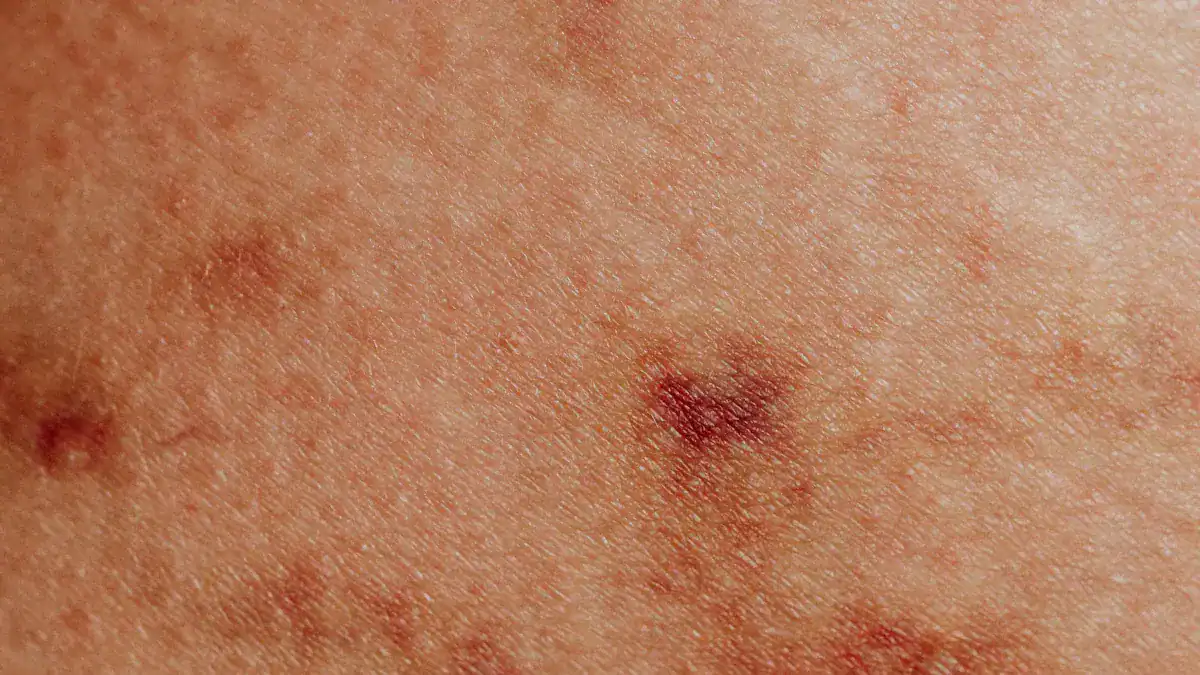
The characteristic “slapped cheek” rash seen in children is often absent in adults. If you develop a rash, it might look different. It could appear as a lacy, net-like pattern on your trunk or limbs. Sometimes, you might not see any rash at all. Atypical rashes related to parvovirus b19 infection are possible in adults. Their occurrence is similar to that in children. You might also experience itching with any rash that appears.
Severe Flu-Like Symptoms and Weakness
Adults often experience a more severe flu-like illness compared to children. You might feel quite unwell. These symptoms usually appear before any rash or joint pain. Common flu-like symptoms include:
Fever
Headache
Body aches
Sore throat
Stuffy or runny nose
Cough
Nausea
Diarrhea
Fatigue
These flu-like symptoms typically last for two to three days. They can be mild, making them hard to tell apart from other common viral illnesses. However, for some, they are quite debilitating. Many adults recover without complications. Some adults may not experience any symptoms at all, even with a parvovirus infection.
Diagnosing and Treating Adult Fifth Disease
When to Seek Medical Advice
You should know when to contact your doctor about a possible fifth disease diagnosis. Certain situations require immediate medical attention. You must seek medical advice if:
You are pregnant. This is important due to potential risks for both you and your baby.
You have a blood disorder, such as anemia. A parvovirus infection can lead to serious health complications for you.
You have a weakened immune system. This increases your risk for severe complications from the virus.
If you are pregnant and think you have been exposed to human parvovirus B19, or if you develop symptoms, consult your doctor promptly.
Diagnostic Tests for Adults
Doctors use specific tests to confirm a parvovirus infection in adults. A multi-step approach often guides diagnosis. Current diagnostic testing includes nucleic acid amplification testing (NAAT), serology, and in situ hybridization. You might undergo antibody testing (IgG and IgM).
This helps doctors tell if your infection is current, recent, or from the past. This testing is especially useful for pregnant women or those with persistent joint pain. Doctors also use viral detection through DNA testing.
This test is important for people with weakened immune systems who may not produce enough antibodies. It also helps detect the virus in fetal samples if a mother is infected during pregnancy. For adult parvovirus b19 diagnosis, μ-capture EIAs are very reliable. They show high sensitivity and specificity, often over 95%.
Managing Symptoms and Recovery
There is no specific antiviral treatment for fifth disease. Your doctor will focus on managing your symptoms. You can use over-the-counter pain relievers for joint pain and fever. Rest and fluids are also important for your recovery. Most adults who contract fifth disease recover completely without complications.
If you experience joint pain or swelling, these symptoms typically resolve within one to two weeks. However, they can sometimes last for several months. Remember, can an adult get fifth’s disease with significant joint issues? Yes, and supportive care helps you manage these symptoms until you recover.
Preventing Fifth’s Disease Spread
Reducing Transmission Risks
You can take important steps to prevent the spread of fifth disease. Good hygiene practices are essential. Wash your hands thoroughly and often. Avoid touching your face, including your nose, mouth, and eyes, with unwashed hands.
If you cannot maintain physical distance from others, wear a medical mask. Ensure indoor spaces have frequent ventilation. Alcohol-based hand sanitizers are not effective against parvovirus b19. Instead, wash your hands with soap. Use hygienic hand disinfection.
For cleaning surfaces near sick individuals, use disinfectants with ‘virucidal PLUS’ activity. These products are tested against tough viruses like parvovirus. Do not share personal items such as towels, cutlery, or crockery. Handle laundry from infected people according to safety rules. Dispose of waste properly.
Special Considerations for Vulnerable Adults
Some adults need extra precautions to avoid a parvovirus infection. Pregnant individuals should follow core prevention strategies.
You can continue working in your workplace. Wear a mask. Wash your hands diligently. Clean surfaces you touch often. Limit physical contact with people who are sick. Avoid sharing food and drinks.
Always cover your coughs and sneezes. Immunocompromised individuals face a much higher risk. A parvovirus infection can lead to chronic anemia in you. Your weakened immune system can cause the virus to stay in your body longer. This leads to persistent viral replication. You are a high-risk group for developing severe and life-threatening complications.
You now understand that fifth disease is a significant concern for adults. It often presents with more pronounced symptoms like joint pain and severe flu-like illness, not the typical rash.
Recognizing these crucial adult fifth disease symptoms is vital for proper diagnosis and care. If you suspect you have a parvovirus infection, consult a healthcare professional.
This is especially important if you are immunocompromised, as a parvovirus b19 infection can be more serious for you. They can confirm if can an adult get fifth’s disease in your specific case and guide your management. Early detection of a parvovirus infection helps ensure appropriate care.