Russet potatoes usually take 10 to 60 minutes to boil. The exact time depends on how big they are and how you cut them. If you are wondering how long to boil russet potatoes, you need to know the right boiling time for your specific meal. Getting the perfect texture for russet potatoes, whether for mashed potatoes, potato salad, or roasting, depends on these factors.
This guide will teach you exactly how to boil potatoes. You will learn the best ways to cook russets perfectly, including exact times and methods, so you get perfectly boiled potatoes every time you cook.
Boiling Times for Russet Potatoes by Cut
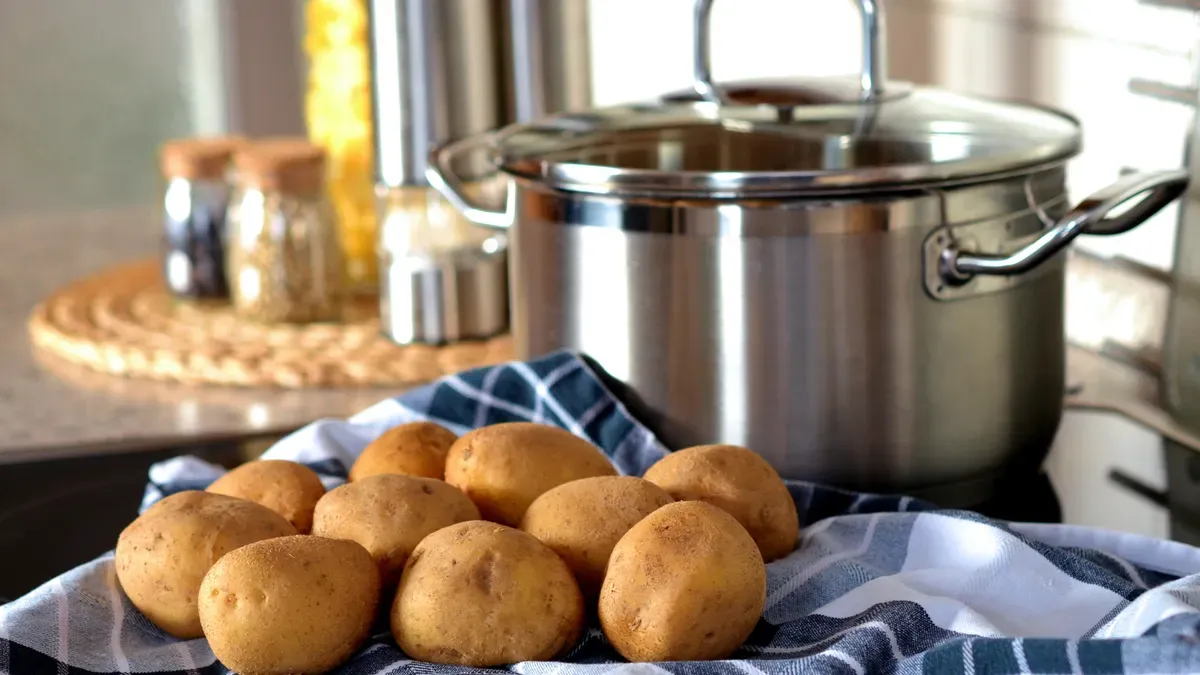
Knowing how you cut your russet potatoes helps you figure out how long to cook them. Different sizes need different times in the pot. You want the right texture, whether for soft mashed potatoes or firm potato salad. Let’s look at the boiling times for russet potatoes based on how you get them ready.
How Long to Boil Cubed Russet Potatoes
When you cut russet potatoes into cubes, they cook much faster than whole ones. This is because more of the potato touches the hot water.
If you cut your russet potatoes into pieces about 1 to 1½ inches, they should boil in about 10 to 15 minutes after the water starts to bubble. For example, 1-inch cubes usually get soft enough to eat in just 10 to 12 minutes at a gentle boil. This fast cooking time makes cubed potatoes good for many recipes.
It is important to cut your potatoes into similar sizes. This helps them cook evenly. If some pieces are much bigger than others, the small ones will get too soft before the big ones are done.
What if you cut your cubes larger, like 2 inches? Bigger pieces will need more time. There isn’t an exact time for 2-inch cubes, but they will take longer than the 10 to 12 minutes for 1-inch cubes. Most cubed potatoes will cook until soft in about 10 to 20 minutes. The larger cubes will need the longer time in that range. Always check if they are done by poking a piece with a fork. It should go in easily. This is how you know how long to boil potatoes when they are cubed.
Boiling Whole and Halved Russet Potatoes
Cooking larger pieces, like whole or halved russet potatoes, takes more patience. The water needs to heat all the way through the potato, which takes longer. For medium-sized whole russet potatoes, they will take about 20 to 25 minutes to boil. If you cut those medium russets in half, they will also usually need around 20 to 25 minutes to get soft. This is a good choice if you want slightly bigger pieces for a dish or if you are getting them ready to mash later.
When you cook large whole russet potatoes, the boiling time gets much longer. Some people say that halved russet potatoes can take about 30 minutes to boil until soft. Smaller whole potatoes might only need 15 to 20 minutes. But for very large whole russets, many cooks suggest cutting them into smaller pieces first. This helps them cook more evenly.
It also stops the outside from getting too soft while the inside is still hard. If you choose to boil large russets whole, be ready for a longer cooking time, possibly up to 45 to 60 minutes. Always check if they are done by putting a fork or knife into the thickest part of the potato. It should go in smoothly. This method helps you know how long to boil russet potatoes when they are whole or halved, so they turn out great every time. Knowing these boiling times for russet potatoes helps you plan your meal better.
How to Boil Potatoes Perfectly: A Step-by-Step Guide
You want to make sure your russet potatoes turn out just right, whether you are making fluffy mashed potatoes or a hearty potato salad. Getting perfect boiled potatoes means following a few simple steps. This guide will walk you through the process. You will learn how to prepare your russets and how to boil them for the best texture.
Preparing Russets for Boiling
First, let’s get your russet potatoes ready. You might wonder if you should peel them before boiling. For mashed potatoes, many people peel russets before cooking. This helps you get a lighter, fluffier mash. However, you can also boil russet potatoes with their skins on.
If you boil them whole with the skins, the skin helps stop the potato from soaking up too much water. This also makes the skin easy to peel off once the potato is tender. You can even score the skins first, then peel them after boiling. This keeps the flesh from getting waterlogged.
After you decide whether to peel or not, you should wash your potatoes well. If you cut your russets into cubes or halves, you should rinse them in cold water. This helps remove extra starch from the surface. Rinsing before boiling makes a difference. If you need to remove even more starch after boiling, you can give them a quick rinse with hot water. This simple step helps improve the final texture of your potatoes.
The Boiling Process for Ideal Texture
Now, let’s talk about how to boil potatoes for that ideal texture. The most important rule for boiling potatoes is to always start them in cold water. Do not drop them into water that is already hot. Starting your potatoes in cold water helps them cook evenly.
It lets them slowly pass through a temperature range of about 120–160°F (50–70°C). This temperature range actually makes the pectin in the potato cells stronger. This helps stop the outside of the potato from breaking down before the inside is cooked. This method is called cooking from cold. It is key to preventing mushy potatoes.
Next, you need to add salt to your water. You should salt the water generously. This seasons the potatoes from the inside out. Potatoes boiled in heavily salted water are much softer, creamier, and more flavorful. The salt goes into the potato flesh, not just the skin. A good rule is to use about 1 tablespoon of salt for every pound of potatoes. This makes a big difference in taste.
Once your potatoes are in the cold, salted water, bring it to a gentle simmer. Do not let it come to a rolling boil. A gentle simmer is important. It cooks the potatoes slowly and evenly. A hard, rolling boil can make the outside of the potato fall apart before the center is cooked through. This gentle heat helps the potato soften evenly without the outside getting mushy. Keep the water at a gentle simmer throughout the cooking time.
Finally, you need to check your potatoes often for doneness. Russets soak up water, so frequent checks stop them from getting too soft. Use a fork to test them. It should slide into the potato easily. This tells you they are ready. If you are making mashed potatoes, you want them very tender. If you are making potato salad, you might want them a bit firmer but still cooked. Knowing how to boil potatoes perfectly means paying attention to these details.
Tips for Preventing Mushy Russet Potatoes
Nobody wants mushy russet potatoes. You want them just right, whether they are fluffy for mashing or firm for a salad. Avoiding a mushy texture means you need to pay close attention to how you cook them. The main reasons russets turn mushy are overcooking and too much starch. When you boil starchy russets for too long, they release excess starch. This can create a gluey, mushy center. Also, the longer you cook potatoes, the more their pectin breaks down. Pectin is like the natural glue that holds the potato cells together. This breakdown makes boiled potatoes mushy.
To prevent your potatoes from getting waterlogged and overly soft, you need to manage moisture. After you cook your potatoes, drain them very well. Then, put them back in the pot over medium heat. Stir them all the time. You will hear and see the water sizzling away. This means the extra moisture is leaving the potatoes. When they start to leave a slight layer on the bottom of the pot, they are dry enough. Drier potatoes can then soak up butter and cream better. This makes your final dish richer and more flavorful.
Achieving Desired Doneness
Getting the right doneness is key to avoiding mushy russets. You must not overcook them. Test your potatoes often. This helps you know exactly when they are ready. Russets soak up water, so checking them frequently stops them from getting too soft. Use a fork to test them. It should slide into the potato easily. This tells you they are ready. If you are making mashed potatoes, you want them very tender. If you are making potato salad, you might want them a bit firmer but still cooked.
Remember, the goal is to cook them through without letting them fall apart. For example, if you are parboiling russet potatoes to roast later, you only need to boil them for 5 to 10 minutes once the water boils. Use shorter times for diced or cubed potatoes and longer times for whole ones. This method helps you get crispy roasted potatoes with a soft inside. You can check doneness with a fork or knife until you feel slight resistance. This ensures they are cooked enough but not overdone.
Texture for Specific Uses
The texture you want depends on what you are making. For mashed potatoes, you want your russets to be very tender. This means they should be soft enough for a fork to slide in with no effort. This tenderness helps you create a smooth, fluffy mash. However, for dishes like potato salad, you need a different texture. You want the potatoes to be fork-tender, but still firm enough to hold their shape. A fork should pierce the potato easily, but it should not be falling apart.
Russets are starchy, so they can fall apart easily. They are not always the first choice for potato salad. If you use them, boil cut pieces for about 15 to 20 minutes until they are just fork-tender. Adjust the time based on the potato size. To make sure they stay firm, boil them for 2 to 3 minutes less than you normally would. This reduces the risk of them falling apart. You can also cut medium or large potatoes into large chunks before boiling potatoes, then dice them after cooking. This helps them cook evenly without getting soggy. When you are testing for doneness, insert a fork at the lower end of the suggested time range. Remove them as soon as they are fork-tender. This way, the centers are cooked, but the texture stays firm. This is how long to boil potatoes for different dishes.
You now know the secrets to perfectly boiled russet potatoes. Remember, understanding how long to boil russet potatoes truly depends on their size and how you cut them. Always start your potatoes in cold, generously salted water for even cooking and great flavor. Don’t forget to test for doneness often with a fork to prevent any mushiness. With these simple guidelines, you can achieve ideal russet potatoes for any culinary application. Whether you’re making fluffy mashed potatoes or a firm potato salad, you’ve learned how to boil potatoes like a pro. Go ahead, experiment with this versatile ingredient, and enjoy delicious results every single time!
FAQ
How do you know when russet potatoes are done boiling?
You know your russet potatoes are done when a fork slides into them easily. Test the thickest part of the potato. If you are making mashed potatoes, you want them very tender. For potato salad, you want them firm but cooked through. This is how long to boil potatoes for different uses.
Should you peel russet potatoes before boiling?
You can peel russet potatoes before boiling, especially for mashed potatoes. This helps them get fluffier. However, you can also boil them with the skins on. The skin helps keep the potato from soaking up too much water. You can peel them easily after they are cooked.
Can you boil frozen russet potatoes?
Yes, you can boil frozen russet potatoes. They might take a little longer to cook than fresh ones. Just put them directly into cold, salted water. Then, bring the water to a simmer. Check them often with a fork to see when they are tender.
Why do my russet potatoes turn mushy when I boil them?
Your russet potatoes might turn mushy if you overcook them. Russets are starchy and can break down easily. Always start them in cold water and use a gentle simmer. Test them often with a fork. This helps you avoid mushy results when boiling potatoes.
Is it better to boil potatoes whole or cut them?
It depends on what you are making. Boiling whole potatoes takes longer, but they absorb less water. Cutting them into cubes or halves makes them cook faster. For example, knowing how long to boil russet potatoes when cut helps you save time. If you cut them, make sure the pieces are all about the same size for even cooking.