Lactate Dehydrogenase (LDH) is an enzyme. Your body’s cells contain LDH. It is crucial for energy production. Elevated LDH levels in your blood are not a diagnosis. Instead, they show general tissue damage or disease.
You might feel concerned about high LDH levels. Understanding its causes is your first step. Medical consultation is essential. High levels of LDH signal something needs attention. An elevated LDH level requires professional insight. Your doctor can help you understand your LDH levels.
Key Takeaways
High LDH levels mean cells in your body are damaged or breaking down. This is not a disease itself, but a sign of an underlying problem.
Many things can cause high LDH, like blood problems, muscle injuries, organ damage, infections, and cancer. Your doctor will help find the exact reason.
High LDH levels can help doctors understand how serious a disease is or how well a treatment is working. It can also predict future health problems.
If your LDH levels are high, you must see your doctor. They will do more tests, like LDH isoenzyme tests, to find the cause.
Treating the main problem that caused the high LDH is the most important step. This will help bring your LDH levels back to normal.
Understanding LDH: The Basics
What is Lactate Dehydrogenase
Lactate dehydrogenase (LDH) is an enzyme. Your body’s cells contain LDH. It plays a vital role in energy production. This enzyme helps your cells create energy. Lactate dehydrogenase catalyzes the interconversion of lactate and pyruvate. This is crucial for cellular energy metabolism. It is especially important during anaerobic glycolysis. Its main job is to convert pyruvate to lactate. This process also regenerates NAD+ from NADH. This happens when oxygen is not present. This regeneration of NAD+ allows glycolysis to continue. Glycolysis produces ATP even without oxygen. The lactate produced can then go to your liver. Your liver can convert it back to pyruvate. This process is called the Cori cycle. This shows how LDH helps maintain energy production. It works even when oxygen is low.
What Elevated LDH Indicates
An elevated LDH level is a general marker. It tells you about tissue damage or cell injury. It can also indicate cell breakdown. This damage can be chronic or acute. When cells are damaged or destroyed, they release LDH.
This LDH then goes into your bloodstream. Therefore, higher than normal LDH levels suggest an underlying problem. A high LDH level is not a disease itself. Instead, it points to an issue in your body. For example, a high LDH could mean damage to muscles. It could also signal organ damage. An elevated LDH level simply indicates that cells are breaking down somewhere. You need to find out why.
Common Causes of High LDH Levels
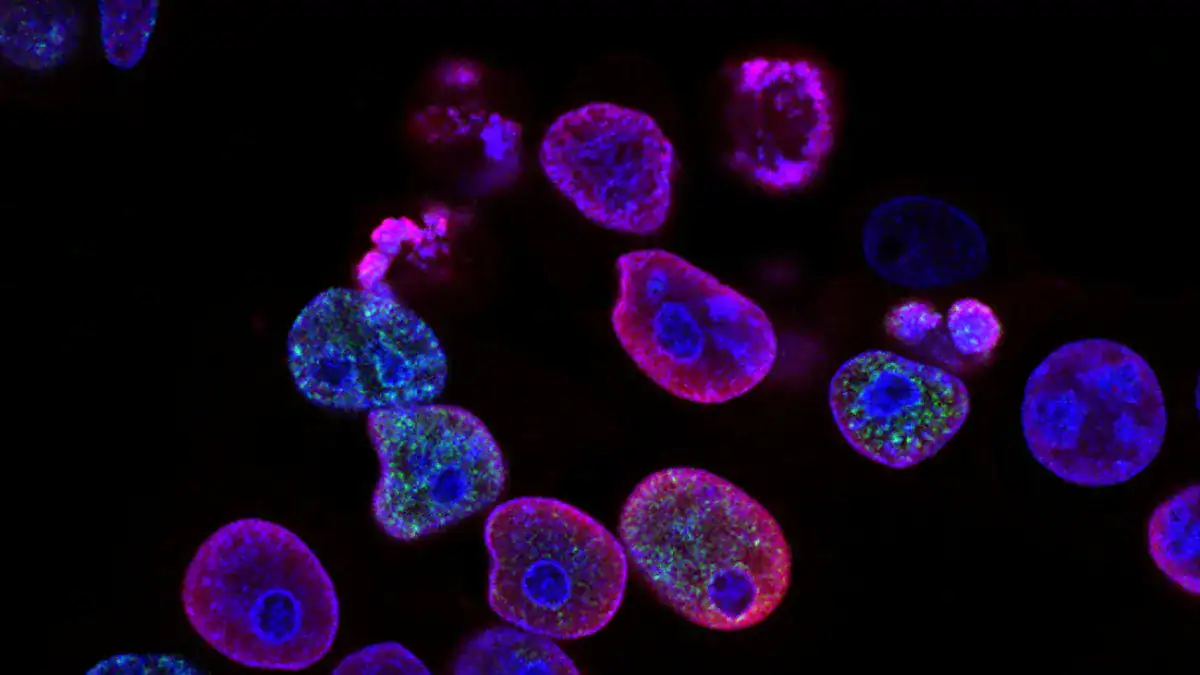
When your body’s cells experience damage or destruction, they release LDH into your bloodstream. This release causes high LDH levels. Many different conditions can lead to this cellular damage. Understanding these causes helps you and your doctor pinpoint the underlying issue.
Blood Disorders
Certain blood disorders can significantly raise your LDH levels. These conditions often involve the breakdown of red blood cells, a process called hemolysis. When red blood cells break apart, they release their internal contents, including LDH, into your blood.
Intravascular Hemolysis: This occurs when red blood cells break down inside your blood vessels. Conditions like thrombotic thrombocytopenic purpura (TTP) and paroxysmal nocturnal hemoglobinuria (PNH) cause substantial increases in LDH. For patients with PNH, regular monitoring of LDH is important.
Sickle Cell Disease: In this condition, red blood cells have an abnormal shape. While much of the red blood cell breakdown happens outside blood vessels, some still occurs inside. This intravascular hemolysis releases significant amounts of hemoglobin and leads to elevated serum LDH. You will see significant increases in serum LDH during painful crises in sickle cell disease.
Muscle and Tissue Injury
Any injury that damages your muscles or other tissues can cause high LDH. Your body releases LDH from the injured cells.
Bone Fractures: A broken bone damages surrounding tissue and bone cells. This releases LDH.
Muscle Trauma: Severe muscle injury, like from an accident or intense exercise, can elevate LDH.
Heart Attack (Myocardial Infarction): When a part of your heart muscle dies due to lack of blood flow, it releases LDH. This is a critical indicator of heart damage.
Other Tissue Damage: Any significant damage to tissues, such as from burns or severe bruising, can also lead to increased LDH in blood.
Organ Damage
Damage to vital organs can also result in high levels of LDH. Each organ contains LDH, and its release signals cellular distress.
Liver Disease: Your liver is a major source of LDH. Damage to liver cells can cause a significant rise in LDH. Specific liver diseases frequently linked to high LDH include:
Acute liver failure
Hepatitis
Hepatocellular carcinoma
Hepatic encephalopathy
Non-alcoholic fatty liver disease (NAFLD)
Advanced hepatic fibrosis (AHF)
Alcoholic fatty liver disease
Kidney Issues: Kidney damage can also elevate LDH. Elevated LDH is associated with Acute Kidney Injury (AKI). Hypoxia, or low oxygen, activates a factor that increases LDH production to help cells produce energy. LDH is present in kidney tissues. Its release into your serum indicates renal tissue damage. Inflammation, oxidative stress, and lack of oxygen during AKI cause this damage. Patients with Sepsis-Associated AKI (SAKI) have higher LDH levels.
While LDH alone can predict AKI, its use for predicting SAKI may be limited. This is because LDH is widespread and elevates in many diseases. However, combining LDH with albumin to form the Lactate Dehydrogenase to Albumin Ratio (LAR) shows better clinical prediction for SAKI.
LDH levels connect to kidney injury and progression to End-Stage Renal Disease (ESRD). LDH is also an independent risk factor for cardiovascular events in people with Diabetic Kidney Disease (DKD). People with higher LDH in DKD show worse kidney damage and higher albumin-creatinine ratio (ACR) levels.
Cohort
Finding
Hazard Ratio (HR) / Beta (β)
95% Confidence Interval (CI) / P-value
Cohort 1 (DKD)
Higher LDH associated with increased risk of ESRD
HR = 2.11
1.07–4.16
Cohort 2 (DKD)
LDH affects albumin-creatinine ratio (ACR) levels
β = 2.95
P = 0.001
Cohort 2 (DKD)
1-SD increase in LDH associated with increased risk of cardiovascular mortality
HR = 1.27
1.09–1.48
Lung Damage: Conditions like pneumonia, pulmonary embolism, or other lung injuries can cause lung cells to release LDH.
Infections and Inflammation
Infections and inflammatory conditions can also lead to high LDH. Your body’s immune response can damage cells, releasing LDH.
Various Infections: Severe infections, whether bacterial, viral, or fungal, can cause widespread cell damage. This leads to elevated LDH.
Autoimmune Diseases: In these conditions, your immune system mistakenly attacks your own healthy cells. This causes inflammation and cell destruction. Lupus erythematosus is an autoimmune disease where LDH activity serves as a good biomarker. Elevated serum LDH levels are a non-specific biomarker for various conditions, including inflammatory diseases. In patients with connective tissue disease (CTD), LDH links to disease activity and organ involvement.
Cancer and Malignancies
Many types of cancer can cause high LDH. Cancer cells often have a high metabolic rate and can release LDH as they grow and spread. This makes LDH related to cancer a significant marker.
Prognostic Marker: Elevated LDH is a strong prognostic marker in men with metastatic prostate cancer. Higher LDH levels mean worse progression-free survival and overall survival. This applies to both hormone-sensitive and castration-resistant metastatic prostate cancer. It also extends to regional lymph node metastatic prostate cancer.
Universal Prognostic Marker: LDH is a universal prognostic marker in cancer. Elevated levels consistently link to adverse outcomes across various solid tumors. A large study showed that elevated LDH consistently affects overall survival. The prognostic impact of LDH on progression-free survival and disease-free survival is also strong. You will see a stronger prognostic value of LDH in metastatic disease compared to non-metastatic disease. This may reflect a greater tumor burden.
Tumor Growth and Severity: LDH may relate to tumor growth and severity. Serum LDH has prognostic value in several types of cancer, especially blood cancers.
Serum LDH predicts worse survival in diffuse large B-cell lymphoma (DBCL).
Serum LDH is one of the five risk factors in the International Prognostic Index (IPI) for DBCL.
LDH-A is overexpressed during pancreatic cancer development.
LDH-A shows significantly higher expression in more aggressive pancreatic tumors.
LDH levels mark a negative prognosis in patients with adenocarcinoma or squamous cell lung carcinoma.
LDH levels mark a negative prognosis in malignant pleural mesothelioma.
Serum LDH levels associate with tissue damage caused by tumor burden.
Other Factors
Several other factors can also contribute to high LDH.
Strenuous Exercise: Intense physical activity can cause temporary muscle damage, leading to a transient rise in LDH.
Certain Medications: Some drugs can cause liver or muscle damage, which then elevates LDH.
Alcohol Abuse: Chronic alcohol use can damage your liver, resulting in increased LDH.
Hypoxia: Any condition causing a lack of oxygen to tissues can lead to cell damage and LDH release.
The Dangers of High Levels of LDH
High levels of LDH signal your body has an underlying problem. This enzyme’s presence in your blood means cells are damaged or breaking down. High LDH is not a disease itself. Instead, it points to an issue you need to address. It can also predict poor outcomes in many medical conditions.
Diagnostic Significance
An LDH test alone cannot tell you the exact cause or location of tissue damage. Doctors use it with other tests to get a full picture. For example, doctors use the LDH/Lymphocyte ratio to help diagnose COVID-19. A ratio over 0.06 has a 76.4% sensitivity and 59.60% specificity for diagnosis. This ratio also helps predict mortality. A ratio over 0.21 has a 70.59% sensitivity and 73.88% specificity for predicting death.
Prognostic Value
High LDH often means a worse outlook for many diseases. It is an adverse prognostic biomarker for several cancers. These include prostate, lung, renal cell, nasopharyngeal, and gastric cancers. For melanoma, high LDH is the most independent risk factor for decreased survival. It negatively correlates with overall survival. In breast cancer, increased serum LDH levels mean a 2-fold higher mortality risk. Levels above 2-fold the upper limit of normal link to a 6-fold higher mortality.
LDH also has important prognostic meaning for male germ cell tumor patients. It is part of their risk stratification system. In lymphoma, high LDH levels show a strong negative link with survival. This applies to both Hodgkin’s and Non-Hodgkin’s Lymphoma. LDH levels over 320 U/L, along with clinical stage and age, greatly impact achieving complete remission in lymphoma. For sepsis patients in the ICU, high LDH levels correlate with higher in-hospital mortality. A study showed an odds ratio of 1.28 for mortality with high LDH.
Monitoring Disease
Doctors use LDH levels to monitor how well treatments work, especially for cancer. Low pretreatment LDH levels often mean better success with chemotherapy. They also mean better overall survival. After treatment failure, low LDH levels still suggest better overall survival. If you continue bevacizumab in second-line treatment, low LDH means better progression-free survival and overall survival. High LDH levels, however, mean worse chemotherapy efficacy. They also show no extra benefit from bevacizumab. LDH levels reflect tumor growth and aggressiveness. They help doctors track treatment effects.
High LDH as a Symptom
When you have high LDH, you might also experience other symptoms. These symptoms often point to the underlying condition causing the elevated LDH. You might feel:
Fatigue
Shortness of breath
General weakness
Low body temperature
Low blood pressure
Fever
Jaundice (yellow skin and eyes)
These symptoms, combined with high LDH, help your doctor understand what is happening in your body.
Next Steps for High LDH

High LDH levels signal your body needs attention. They are not a definitive diagnosis. You must work closely with a healthcare professional. This helps identify the underlying cause of your high LDH. Understanding the cause is paramount for proper management and treatment. Do not self-diagnose. Seek personalized medical advice. Follow recommended tests and treatments for your LDH. The diagnostic process leads to effective management once you find the root cause of high levels of LDH. Your doctor can help manage your LDH.
FAQ
What is a normal LDH level?
Normal LDH levels vary. They depend on the lab that performs your test. Generally, adult levels are between 140 and 280 units per liter (U/L). Your doctor will tell you what is normal for your specific test. High ldh levels need further investigation.
Can stress cause high LDH?
Direct emotional stress usually does not cause high ldh. However, severe physical stress can temporarily raise your LDH. This includes intense exercise or trauma. Emotional stress alone typically does not affect your LDH levels.
How quickly can LDH levels change?
LDH levels can change quickly. They rise soon after cell damage occurs. They can also fall as your body heals. The speed depends on the cause of the high ldh. Your doctor monitors these changes to understand your condition.
Is a high LDH level always serious?
A high ldh level is not always serious. Sometimes, it is temporary. For example, after very hard exercise. However, it can signal serious underlying conditions. Always discuss your results with your doctor. They will help determine the cause.