You can usually calm a rash under your breasts quickly with a few simple home tricks. Think gentle cleansing, keeping the area dry, and using soothing products that reduce friction and moisture. This article walks you through easy, practical steps to get relief fast, avoid making it worse, and help your skin feel normal again.
Understanding Rashes Under the Breasts
Whenever you understand rash symptoms, you can respond sooner and feel more in control. You may see redness, itching, or a burning feeling. Your skin can crack, peel, or feel sore whenever it rubs together.
Sometimes you notice swelling, small blisters, or a bright red patch that feels damp or sticky.
Knowing what’s happening helps you choose better treatment options. You may focus on gently keeping the area dry, picking soft breathable fabrics, and using doctor-approved creams to calm irritation and support healing.
Common Causes of Under-Breast Rashes
At the time you’re trying to get rid of a rash under your breasts, it really helps to know what’s setting it off initially.
Often, the main triggers are constant skin rubbing, trapped sweat and heat, and germs like yeast that love warm, moist folds.
Once you see how friction, moisture, and infections all work together, you can start making smart changes that calm your skin instead of keeping it stuck in the same painful cycle.
Intertrigo and Skin Friction
Although it can feel embarrassing or even a little scary, a rash under your breasts is often caused through a very common problem called intertrigo. It happens where skin touches skin and rubs, so the fold under your breasts becomes a perfect spot.
Intertrigo triggers include heat, constant friction, trapped sweat, and tight bras that don’t let skin breathe.
When moisture sits in that fold, the skin swells and gets red, itchy, and sore. Sometimes it even cracks or weeps, which can feel painful and lonely.
Gentle skin care really helps. Wash the area daily, then pat it completely dry. Choose soft, breathable cotton bras, and change out of damp clothes quickly.
Through keeping the fold cool, dry, and supported, you calm irritation and protect your skin.
Fungal and Yeast Infections
A very common cause of a rash under your breasts is a fungal or yeast infection, especially one called candidiasis. You’re not alone in the event that you’re managing this.
It often shows up as a bright red area that looks raised or swollen. It can itch, burn, or feel sore at the time your bra rubs on it.
These infections like to grow where skin touches skin. Obesity, tight clothing, poor hygiene, and heavy sweating can raise your risk.
A doctor usually diagnoses it through looking at your skin and sometimes testing a small sample.
Fungal treatments often include antifungal creams or ointments. Along with medicine, gentle washing, careful drying, loose clothing, and daily bra changes all support yeast prevention and help your skin heal.
Heat, Sweat, and Moisture
Stuck with a sticky, sweaty feeling under your breasts, you might notice that irritation and redness start right where skin stays warm and trapped.
In that concealed fold, sweat collects, air can’t move, and your skin begins to rub against itself. That friction can lead to intertrigo, so the area feels red, itchy, and sore, almost like a stubborn rash that won’t calm down.
When the weather is hot and humid, sweat ducts can clog and create tiny, itchy heat bumps.
At the same time, all that moisture makes it easier for yeast and bacteria to grow.
Gentle humidity control, smart fabric choices like breathable cotton, daily washing, and careful drying help your skin stay drier, cooler, and more comfortable.
When a Rash Under the Breast Needs Medical Attention
Sometimes a rash under your breast is more than just annoying, so you’ll need to watch for warning signs that it’s not healing well.
Should you notice signs of infection or the rash keeps getting worse instead of better, it’s time to consider calling a doctor.
Let’s look at how you can spot infection and how to tell at what point a stubborn rash needs medical care.
Warning Signs of Infection
Ever contemplate at what point a simple rash under your breast stops being “just a rash” and becomes something you shouldn’t ignore? You’re not alone, and it helps to know key infectious signs so you feel safer and less worried.
Pay close attention when your rash symptoms suddenly change. Should the area become very red, hot, or start oozing pus, that can point to a bacterial infection. Blisters or open sores are another strong warning that you need a medical check.
Also, notice how you feel generally. Should the rash come with fever, chills, or body aches, reach out for care right away.
And in case pain or itching is so strong that you can’t sleep, work, or focus, it’s time to call your provider.
Persistent or Worsening Rash
Whenever a rash under your breast just won’t clear up, it stops being a small annoyance and becomes something you really need to pay attention to. You’re not being dramatic; you’re practicing comprehension of symptoms and respecting your body.
Should home remedies haven’t helped after a few days, or the rash gets redder, hotter, or more swollen, it’s time to call a healthcare professional.
Pus, blisters, open sores, or a rash that spreads are strong signs you need medical care soon.
Severe itching that keeps you from sleeping or getting through your day also matters. In the event you notice fever, chills, or feel unwell, seek help right away.
Together with your provider, you can start identifying triggers and get treatment that actually brings relief.
Quick Comfort: Cooling Compresses and Showers
As soon as the skin under your breasts starts burning or itching, quick cool relief can feel just as essential as medicine. You’re not alone in wanting fast comfort, and simple cooling techniques can help you feel more like yourself again. Consider them as soothing remedies you can reach for anytime.
Start with a cold compress. Soak a clean cloth in cold water, gently wring it out, then place it under your breast for 10 to 15 minutes. Repeat several times a day.
Shift your routine to cool showers instead of hot ones, so your skin temperature drops and irritation eases.
On tougher days, try a lukewarm bath with baking soda. Afterward, a thin layer of pure aloe vera gel adds long-lasting cool relief.
Gentle Cleansing and Drying Techniques
While you’re trying to calm a rash under your breasts, the way you wash and dry the area each day really matters.
You’ll want a simple daily washing routine that uses gentle cleansers and avoids anything that stings or burns.
Then you’ll follow it with careful, thorough drying methods so your skin stays clean, calm, and free from extra moisture.
Daily Washing Routine
Even though a rash under your breasts can feel sore, itchy, and a little embarrassing, a calm daily washing routine can give your skin real relief and help it heal.
At the time you practice simple daily washing, you show real care for your body and its skin sensitivity, instead of judging it.
Use lukewarm water, not hot, so you don’t “burn” the already stressed skin. Gently wash under your breasts with a mild, unscented soap to lift sweat, oil, and bacteria.
Move your hand softly, almost like you’d with a baby’s skin. Skip harsh scrubs, loofahs, or exfoliants, because they scratch and can deepen the rash.
A kind, gentle touch helps the area feel cleaner, calmer, and more comfortable all day.
Thorough Drying Methods
Although washing helps calm the rash, the real protection starts as soon as you dry the skin very carefully. Right after your shower, gently pat under your breasts with a soft towel. Don’t rub. You want the towel to lift water away so your skin stays calm.
Now focus on moisture management. You can use different drying techniques to keep the area truly dry:
- Visualize yourself lifting your breast and pressing a clean towel into each fold until it feels warm and dry.
- Then envision using a cool hairdryer on a low setting, moving it slowly so you never feel heat.
- Finally, place a thin cotton cloth or pad under each breast to absorb sweat, and choose a fresh, breathable bra to support airflow.
Choosing Gentle Cleansers
Caring for a rash under your breasts starts with what you wash with, not just how often you wash. You deserve products that treat your skin kindly.
Choose gentle, fragrance free cleansers and read labels for soothing cleansing ingredients, not harsh foaming agents or dyes. This helps lower product sensitivity and keeps burning or stinging away.
Use lukewarm water instead of hot, so your natural oils stay in place and your skin barrier feels calmer.
After washing, gently pat the area dry with a soft, clean towel. Don’t rub, even should you feel itchy. Should the fold still feel damp, use a cool hairdryer on a low setting.
Pay attention to changes and switch products should irritation or discomfort increase.
Using Natural Oils Safely (Coconut, Tea Tree, and More)
During that period a rash flares up under your breasts, gentle natural oils can feel like a small bit of relief in the middle of a very uncomfortable problem.
You’re not alone for wanting that comfort. With the right essential oil benefits and careful natural oil application, you can calm your skin and still feel safe.
- Envision cool coconut oil gliding over your skin, forming a light, soothing shield.
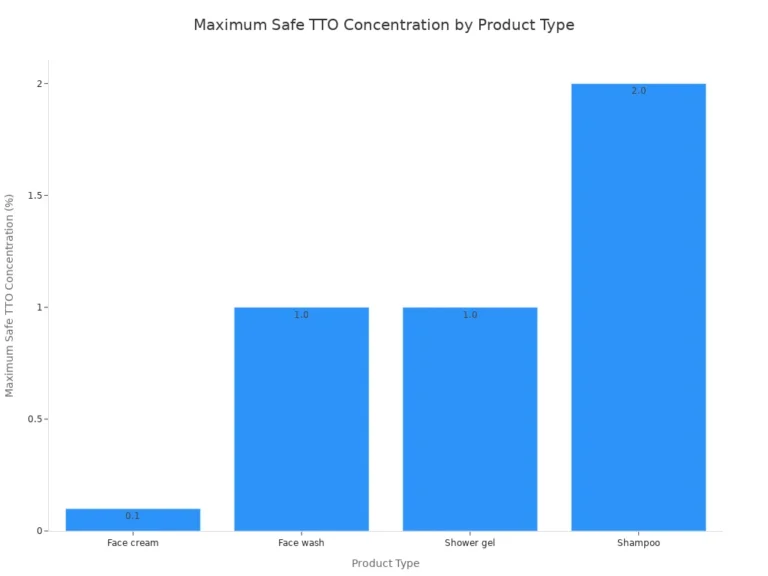
- Visualize a tiny drop of tea tree oil, diluted in coconut or olive oil, quietly fighting germs.
- See yourself breathing easier as the sting fades and the area feels cared for.
Use a thin layer, leave it on at least 30 minutes, keep the fold clean and dry, and always patch test initially.
Soothing the Skin With Aloe Vera and Oatmeal
Every time your skin feels hot, sore, and a little out of control under your breasts, aloe vera and oatmeal can step in like two gentle helpers that actually understand what you’re going through.
You’re not being dramatic. That burning itch is real, and so is your need for quick comfort.
Aloe Vera cools angry skin, eases inflammation, and adds light moisture so the area doesn’t feel tight or raw. You can smooth fresh gel from a leaf right onto clean skin, then rinse it off after 20 to 30 minutes.
To double your relief, lean into Oatmeal Benefits. Grind plain oats, add the powder to a lukewarm bath, and soak 15 to 20 minutes.
It calms redness, softens skin, and forms a gentle, protective layer.
Antifungal and Medicated Powders You Can Use at Home
Relief often starts with the right powder, especially during the period the skin under your breasts feels sore, damp, and out of control. You’re not alone in this. Many people quietly deal with the same thing, and simple antifungal options can really help.
Use antifungal powders with miconazole or clotrimazole on clean, dry skin to fight yeast, especially when the rash burns, itches, or smells. Medicated powders with zinc oxide calm raw skin and keep it dry, so it can heal without constant rubbing.
Picture your routine:
- Gently wash and pat the area dry.
- Lightly dust on antifungal or medicated powders.
- Add a small amount of talcum powder when sweating is heavy.
Always follow the product label and stop should irritation worsen.
Barrier Creams and Pastes to Reduce Friction
Once the skin under your breasts feels less angry with powders, barrier creams and pastes step in like quiet bodyguards to protect it from more rubbing and moisture. Zinc oxide and similar ingredients form a thin shield, so your skin can rest instead of fight constant friction. That’s one of the big barrier cream benefits you’ll feel as the sting and burning start to calm down.
Use simple application techniques: wash gently, pat completely dry, then smooth on a thin, even layer. Reapply after heavy sweating. You’re not high‑maintenance for needing this. You’re caring for your body.
| Situation | What To Do | How It Helps |
|---|---|---|
| Morning routine | Apply after drying | All‑day protection |
| After workouts | Reapply sweat‑resistant paste | Handles heavy sweating |
| Hot, humid days | Use slightly thicker layer | Extra moisture control |
| Mild redness | Use daily until calm | Prevents rash from returning |
| Very sensitive skin | Patch test a small area first | Builds trust with your skin |
Clothing Hacks: Bras, Fabrics, and Fit for Faster Relief
How much easier would healing feel should your clothes actually helped instead of making things worse?
Whenever your skin hurts, every strap and seam can feel like too much. So let your clothes become part of your care team.
Choose soft bra materials like breathable cotton. Look for supportive features that hold your breasts up without digging in.
Wide straps and smooth cups help reduce rubbing and keep the fold under your breasts drier.
Picture this:
- A cotton bra that lets air flow and keeps sweat from sitting on your skin.
- A wide band that supports gently, so the rash area doesn’t rub.
- A soft cotton pad tucked under the breast, changed daily, quietly soaking up moisture.
Wash gently, rinse well, and your skin gets to breathe.
Night-Time Care to Help the Rash Heal Faster
Even though nights are supposed to be the time your body rests and repairs, a rash under your breasts can make bedtime feel like the longest part of the day.
So your night time routine needs a little extra care. Before bed, gently wash the area, then pat it dry with a soft towel. Take your time so no moisture hides in the folds.
Next, apply a thin layer of antifungal or hydrocortisone cream. This calms irritation while you sleep and supports skin hydration without feeling sticky.
Then, put on a breathable cotton sleep bra. It holds the skin in place and lowers friction.
If you sweat at night, tuck a clean cotton cloth under your breasts. Wear loose pajamas so air can move and your skin can finally rest.
Mistakes to Avoid That Can Make the Rash Worse
While you’re trying hard to help the skin heal, a few innocent mistakes can quietly keep the rash under your breasts from getting better. You’re not alone in this. Many women do the same things, hoping to help, and feel confused as the rash stays angry and red.
Careful skin care and rash prevention start with what you avoid:
- Visualize harsh soaps stripping your skin, leaving it stinging and raw.
- Envision tight, non-breathable bras and tops rubbing and trapping sweat like a mini sauna.
- Observe thick, greasy creams sitting on the skin, locking in moisture and feeding fungus.
Also, try not to scratch, even whilst it itches, so you don’t break the skin or invite infection.
Stay as cool and dry as you comfortably can.
Preventing Future Rashes Under the Breasts
Once this rash finally starts to calm down, you probably never want to see it again, and that’s where daily habits become your best protection.
Consider rash prevention as part of your daily skincare routine, not as punishment for having a rash. You’re caring for a sensitive area that deserves gentleness.
Each day, wash under your breasts with mild soap, then pat completely dry with a soft towel.
Next, you can use a drying powder or a zinc oxide barrier cream to cut moisture and friction.
Wear breathable, supportive cotton bras and change them daily, especially in case you sweat easily or the skin was weeping.
When needed, tuck a soft cotton pad under the breast.
Over time, steady movement toward a healthy weight can also reduce deep folds where moisture collects.