

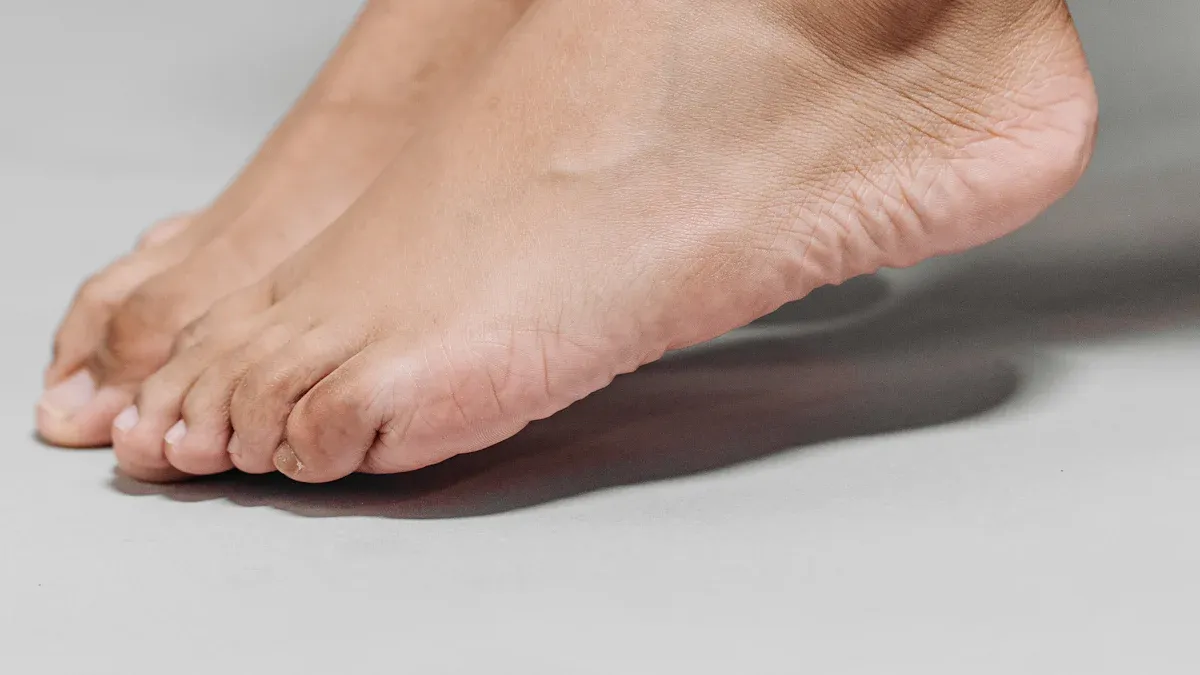
Nail fungus is a common and persistent issue. Fungal nail infections affect many people; the global prevalence is around 5.5%. You might wonder if baking soda offers a natural treatment for fungal toenails. This household item inhibits fungus growth. It also absorbs moisture.
These are helpful antifungal properties, making it a promising home remedy for foot fungus. While baking soda helps manage foot fungus, it may not be a standalone treatment for every fungal infection. Consider it one of your home remedies for foot fungus.
Key Takeaways
Baking soda helps fight nail fungus by making the area alkaline, which fungi do not like.
It also absorbs moisture, which stops fungi from growing because they need damp places.
You can use baking soda in foot soaks or as a paste on your nails.
Use baking soda every day for weeks or months to see results, as healing takes time.
If the fungus does not get better or gets worse, see a doctor for help.
How Baking Soda Fights Nail Fungus
You might wonder how a simple kitchen item can help with nail fungus. This substance does not directly kill the fungus. Instead, it creates an environment where the fungus struggles to grow. This makes it a useful natural remedy. Its unique antifungal properties come from two main actions.
Creating an Alkaline Environment
Fungi, including those that cause nail fungus, prefer acidic environments to thrive. Baking soda, or sodium bicarbonate, is naturally alkaline. When you dissolve it in water, it forms a solution with a pH of around 8.3. This alkaline condition is not good for the fungus. It disrupts the fungus’s ability to reproduce and spread. This change in pH helps to inhibit the growth of the fungus on your toenails.
Absorbing Excess Moisture
Fungi also love damp, moist places. Your toenails can become a perfect breeding ground if they stay wet. Baking soda is excellent at absorbing moisture. When you apply it to your affected toenails, it helps to dry out the area. This action removes one of the key elements the fungus needs to survive and grow. By keeping the area dry, you make it harder for the foot fungus to spread. This also helps prevent new foot fungus from forming.
While scientific evidence is still growing, studies show promising results. For example, a small study looked at this substance’s effect on fungal growth. It found that it stopped fungal growth in 79% of treated samples within seven days. It also reduced growth in another 17%. This suggests it has strong antifungal properties.
The Journal of Fungi also highlighted its antifungal activity against dermatophytes. These are common types of fungus that cause skin and nail infections. So, while it may not be a complete cure for all cases, baking soda offers a helpful approach among home remedies for managing foot fungus. This makes it a valuable remedy for your foot fungus concerns, thanks to its impressive antifungal properties.
Applying Baking Soda: Effective Home Remedies

You can use baking soda in several practical ways to manage nail fungus. These effective methods offer simple home care for your toenails. You can choose the best approach for your needs.
Baking Soda Foot Soaks
Foot soaks are a popular way to use baking soda for foot fungus. This method allows the alkaline solution to reach the affected areas. It also helps soften the skin and nails.
To prepare a powerful foot soak, follow these steps:
Get a basin or tub large enough to soak your feet.
Mix a half-cup of baking soda into four cups of hot water.
Add a half-cup of Epsom salt.
Pour in a quarter-cup of 3% hydrogen peroxide.
After mixing these ingredients well, add a quarter-cup of white vinegar.
Soak your feet in this solution. Aim for about ten minutes.
For affected toenails, soak for around 20 minutes. Do this once a day until the fungus heals completely.
Do not soak for more than 20 minutes.
After soaking, rinse your feet with clean water. Dry them thoroughly. This step is important for keeping feet dry and preventing the fungus from returning.
Direct Paste Application
Applying a baking soda paste directly to your toenails is another effective remedy. This method delivers a concentrated dose to the fungus.
Here is how you make and use the paste:
Mix two parts baking soda with one part water. You want a thick paste.
Apply this paste directly onto the affected toenails. Make sure to cover the entire nail and the skin around it.
Leave the paste on for at least 10 minutes. You can leave it on longer, up to 20 minutes.
Rinse the paste off with warm water.
Pat your feet dry completely. Repeat this process daily for the best results against the foot fungus.
Combining with Other Natural Aids
You can boost baking soda’s power by combining it with other natural home remedies. These combinations can offer a more comprehensive treatment for the fungus.
Apple Cider Vinegar (ACV): You can alternate baking soda soaks with ACV soaks. Or, you can add a quarter-cup of ACV to your baking soda foot soak. ACV is acidic, which helps balance the alkaline baking soda.
Tea Tree Oil: Add a few drops of tea tree oil to your baking soda paste before applying it. Tea tree oil has strong antifungal properties.
Hydrogen Peroxide Mixture: Create a powerful solution by mixing equal parts hydrogen peroxide and water. Then, add a few tablespoons of baking soda to this mixture. You can use this as a soak or apply it with a cotton ball to your toenails. This combination provides a strong attack against the foot fungus.
These home remedies offer practical ways to use baking soda. Consistency is key for any natural treatment.
Expected Results and Timeline
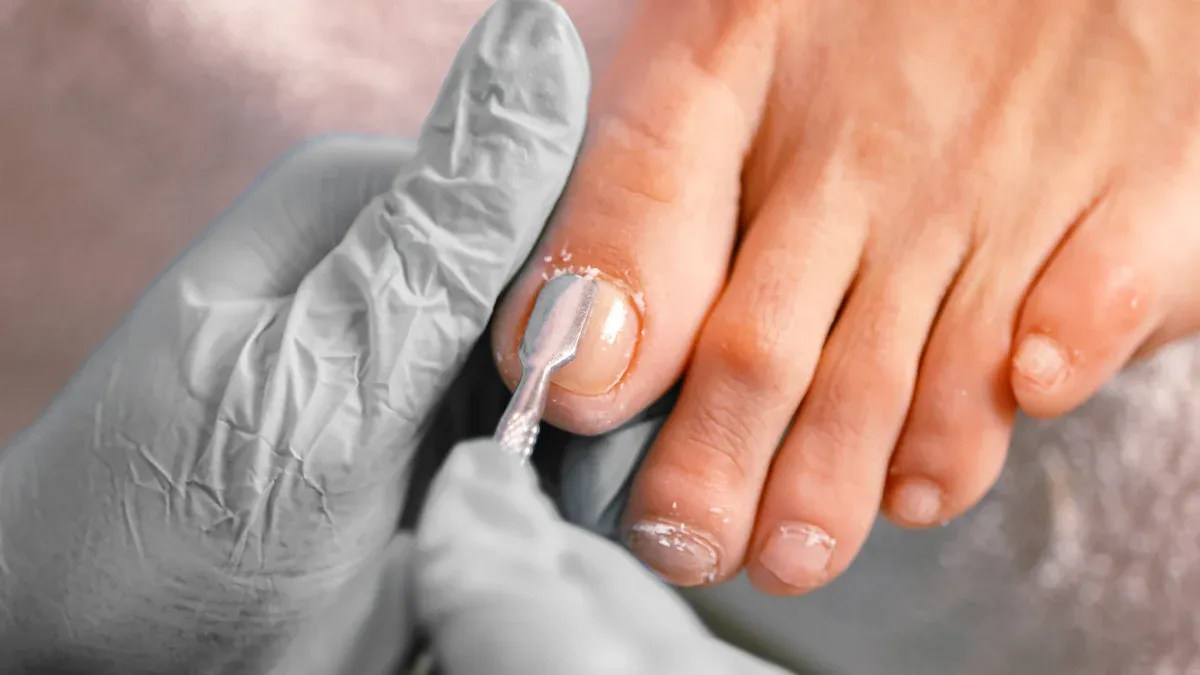
You want to know what to expect when you use baking soda for nail fungus. This section helps you understand the process. It also tells you when to see a doctor.
Consistency is Key for Results
You must use baking soda consistently. Natural home remedies take time to show results. You should apply the baking soda paste or use foot soaks daily. Do this for several weeks or even months. The fungus grows slowly. Therefore, its removal also takes time. Regular application helps create an unfavorable environment for the fungus. This prevents reinfection and helps your toenails heal.
Realistic Expectations for Improvement
Baking soda is a helpful remedy. It inhibits fungus growth and absorbs moisture. However, it may not be a quick fix. You might see initial improvements in nail appearance. The discoloration could lessen. The nail might feel less brittle. Complete eradication of the fungus can take a long time. This is especially true for severe infections. Baking soda works best for mild to moderate cases of foot fungus. It supports your body’s natural healing process. Do not expect overnight results. Patience and persistence are important for an effective treatment.
When to Seek Professional Medical Advice
Baking soda is a good starting point. However, sometimes you need a doctor’s help. You should seek professional medical advice if:
The infection has persisted despite consistent use of over-the-counter treatments for several months (3-6 months) without significant improvement.
The infection is spreading from one nail to multiple nails. You might see discoloration or new spots on previously healthy nails.
The nail has become significantly thickened, distorted, or separated from the nail bed. This indicates an advanced infection.
You experience persistent nail discoloration. This includes yellow, brown, white, or dark spots/streaks that do not improve after several weeks.
Your nails are thickened and brittle. They are difficult to trim, feel hard or woody, break easily, or split from the nail bed.
You notice a foul odor from affected nails. This persists despite regular washing.
You feel pain and discomfort. This includes pressure, soreness, tenderness, redness, swelling, or warmth around the nail. You might also develop ingrown nails.
The fungal infection spreads to other nails or surrounding skin. This could be athlete’s foot.
A doctor can diagnose the specific type of fungal infection. They can also recommend stronger treatments if needed.
Precautions and Potential Side Effects
Using natural remedies for health issues is often appealing. However, you must understand potential risks. Baking soda is generally safe. Yet, it can cause side effects for some people. You should know these before you use it.
Understanding Skin Irritation
Baking soda is alkaline. Your skin has a natural acidic pH balance. Applying baking soda can disrupt this balance. Prolonged use can lead to problems. It might cause dryness, irritation, or redness. Its gritty texture can also be too abrasive. This can create small tears in your skin. These tears make your skin vulnerable to infection. People with dry or sensitive skin may find it especially irritating. You might notice redness, itching, dry patches, or flaking skin. Rashes can also appear.
Recognizing Allergic Reactions
Some people can have an allergic reaction to baking soda. You should watch for certain signs. A sudden rash might appear. You could feel a burning or stinging sensation. This is especially true after shaving. Persistent redness that does not improve is another sign. You might also experience dryness or flaking of the skin. Persistent itchiness, pain, or swelling can also signal an allergic reaction. If you see these signs, stop using the product.
Limitations as a Standalone Treatment
Baking soda offers a helpful home remedy for foot fungus. It can manage mild cases. It absorbs moisture and creates an unfavorable environment for the fungus.
However, it rarely eliminates the infection fully. It cannot eradicate deep or severe fungus. Baking soda is not a substitute for proper medical treatment. This is especially true for advanced stages. You need professional care if the fungus spreads to multiple toenails. Seek help if you have pain, swelling, or redness. Also, if over-the-counter treatments show no improvement after a few months, see a doctor. People with diabetes or a weakened immune system should always consult a doctor.
Baking soda offers a promising, natural remedy for your toenails. It helps manage fungal symptoms and stops fungus growth. You must apply it consistently for the best results against this persistent fungus. This simple home remedy creates an alkaline environment and absorbs moisture, fighting foot fungus. For mild to moderate cases of foot fungus, baking soda is a great option. However, severe or persistent foot fungus needs professional medical treatment.
FAQ
Can baking soda completely cure nail fungus?
Baking soda helps inhibit fungus growth and absorbs moisture. It works best for mild to moderate cases. You should see a doctor for severe or persistent infections. Baking soda supports healing; it is not a guaranteed cure for all.
How long does it take to see results from baking soda?
You need consistency. You might see initial improvements in weeks. Complete healing can take several months. New nail growth replaces the infected part slowly. Continue daily application for the best outcome.
Can I use baking soda on my nails every day?
Yes, you can apply baking soda daily. Daily use helps maintain an unfavorable environment for the fungus. Watch for any skin irritation. Stop use if you notice redness or dryness.
What should I do if my skin gets irritated from baking soda?
Stop using baking soda immediately if your skin gets irritated. Rinse the area thoroughly with water. You can apply a gentle moisturizer. Consult a doctor if the irritation persists or worsens.


