You might sometimes feel a pulse in your neck. This sensation is often normal. Your carotid arteries are in your neck. They send vital blood to your brain. This blog helps you understand Carotid Artery Pulsating In Neck. It shows you the difference between a normal pulse and concerning signs. You will learn when you need to seek medical attention.
Key Takeaways
Feeling a pulse in your neck is usually normal. It shows blood flowing to your brain.
Things like exercise, stress, or caffeine can make your normal neck pulse more noticeable.
Watch for urgent signs like sudden changes in the pulse, neck pain, dizziness, or weakness on one side of your body. These mean you need medical help.
Serious problems like a weak artery wall or narrowed arteries can cause dangerous neck pulsations.
If you have urgent symptoms like sudden weakness or trouble speaking, call 911 right away. See your doctor for other concerns about your neck pulse.
Understanding Carotid Artery Pulsating In Neck

Carotid Arteries: Location and Function
Your neck contains important blood vessels called carotid arteries. These arteries are vital. They carry oxygen-rich blood from your heart directly to your brain. You have two main carotid arteries, one on each side of your neck. They run from your upper chest up to your skull.
You can find them on either side of your windpipe, just below your jawline.
The common carotid arteries travel up your neck next to your windpipe and esophagus.
They split into two main branches near your thyroid cartilage (at the C4 level). This split point is called the carotid bifurcation.
The external carotid arteries then go up the side of your neck towards your ear.
The internal carotid arteries also start at this split. They travel through your neck and enter your skull at its base.
Why You Feel a Normal Pulse
You feel a pulse because your heart pumps blood. Each heartbeat pushes blood through your arteries. This creates a pressure wave. You feel this rhythmic pressure wave as a pulse. It is a normal sign of blood flowing through your body. When you feel a Carotid Artery Pulsating In Neck, you are feeling this normal blood flow.
Factors Making Normal Pulsation Noticeable
Sometimes, you might notice your neck pulse more clearly. Several factors can make this normal pulsation more obvious. For example, after you exercise, your heart beats faster. This increases blood flow and makes your pulse stronger. Stress and anxiety also raise your heart rate. Drinking caffeine can have a similar effect. If you have a thin neck, the arteries lie closer to the surface. This makes their pulsations easier to feel or even see.
Common Causes of Prominent Carotid Pulsation
Increased Heart Rate
When your heart beats faster, you might notice a more prominent Carotid Artery Pulsating In Neck. Your heart pumps more blood with each beat. This creates a stronger pressure wave in your arteries. Conditions like sinus tachycardia make your heart’s natural pacemaker send signals faster. This increases your heart rate. While a fast heart rate often makes your carotid pulse more noticeable, sometimes very prominent neck pulsations can come from veins, not arteries, even with a high heart rate.
High Blood Pressure
High blood pressure, also known as hypertension, can make your carotid pulse feel stronger. Your heart works harder to push blood through your vessels. This increased force makes the pulsations more pronounced. You might feel or even see this stronger pulse in your neck.
Anemia and Hyperthyroidism
Anemia and hyperthyroidism can cause a very strong pulse. These conditions lead to a “hyperkinetic pulse.” Your heart pumps a large amount of blood with each beat. This happens even if your heart is otherwise healthy. Your left ventricle empties quickly. This creates a brisk, strong pulse in your arteries. These are examples of high-output states for your heart.
Pregnancy and Hormonal Shifts
Pregnancy and other hormonal changes can also make your carotid pulse more noticeable. Your body’s blood volume increases during pregnancy. Your heart also works harder to support both you and the baby. Hormonal shifts can affect your heart rate and blood vessel function. These changes can lead to a more prominent pulse in your neck.
Aortic Regurgitation
Aortic regurgitation is a heart valve problem. Your aortic valve does not close tightly. Blood flows backward into your heart after each beat. This causes a unique pulse. Your ascending aorta and its branching arteries first get smaller. Then, they suddenly get much larger when your heart contracts. This big change in artery size creates a very prominent carotid artery pulse. Doctors sometimes call this a Corrigan pulse. You can often see this strong pulsation in your head and arm arteries.
Atherosclerosis and Carotid Artery Disease
Atherosclerosis is a condition where plaque builds up in your arteries. This plaque can narrow your carotid arteries. When arteries narrows, blood flow can become turbulent. This can make the pulse feel different or more prominent. Carotid artery disease specifically affects these neck arteries. It can sometimes lead to a noticeable pulsation, especially if the narrowing is significant.
Urgent Signs: When Carotid Pulsation Signals Danger
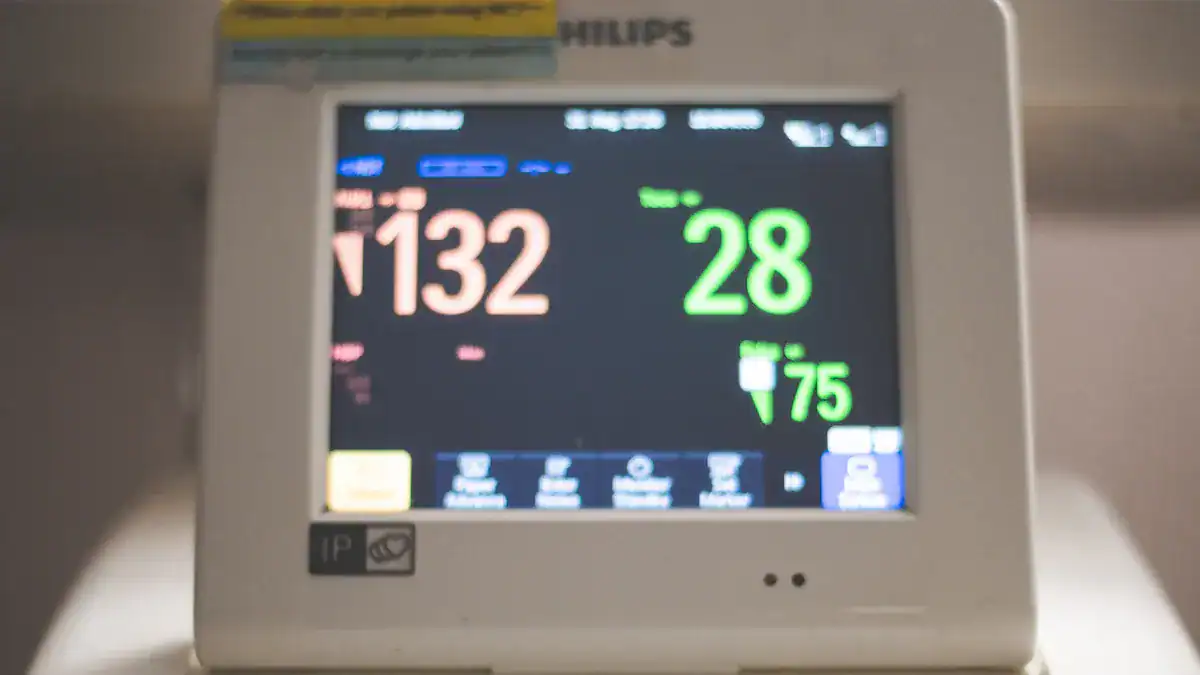
Sometimes, a pulse in your neck means something serious. You need to know the signs that signal danger. These signs mean you should seek medical help right away.
Sudden Change in Pulsation
You might notice a sudden change in how your carotid pulse feels. Perhaps it becomes much stronger, weaker, or irregular. Any abrupt change in the rhythm or intensity of the pulsation is a warning sign. Your body is telling you something is wrong. Do not ignore these sudden changes.
Neck Pain, Tenderness, or Visible Bulge
Feeling pain or tenderness in your neck along with a pulse is concerning. You might feel a “throbbing lump” in your neck. This could be a sign of a carotid artery aneurysm. An aneurysm is a weak spot in the artery wall that bulges out.
Sometimes, you might experience neck pain called carotidynia. This condition causes pain over the carotid artery. You might feel tenderness, swelling, or an increased pulsation in that area. The pain often stays on one side of your neck. It can spread to the same side of your head. Carotidynia is usually a self-limiting problem, meaning it gets better on its own within two weeks.
Doctors diagnose it when investigations do not show a structural problem. You might feel a continuous ache or throbbing pain in the front of your neck. Touching the carotid artery, swallowing, coughing, or moving your neck can make the pain worse. Doctors check for other conditions like migraine or giant cell arteritis. They might use an ultrasound. This test can show thickening in the artery wall where you feel tenderness.
Dizziness, Fainting, or Lightheadedness
If you feel dizzy, lightheaded, or actually faint when you notice a prominent neck pulse, this is an urgent sign. These symptoms mean your brain might not be getting enough blood. This can happen if there is a problem with blood flow through your carotid arteries. Your brain needs a steady supply of oxygen-rich blood to work correctly.
Shortness of Breath or Chest Pain
Shortness of breath or chest pain combined with a noticeable carotid pulse is a medical emergency. These symptoms often point to a problem with your heart. Your heart and carotid arteries work together to supply blood to your body. Issues like heart attacks or severe heart conditions can cause both chest pain and changes in your pulse.
Difficulty Swallowing or Speaking
You might find it hard to swallow (dysphagia) or speak (dysphonia) when you have a prominent neck pulse. These symptoms can happen if something is pressing on the nerves in your neck.
Nerves like the facial, vagus, and hypoglossal cranial nerves are very close to your carotid arteries. If these nerves get injured or compressed, you can have trouble swallowing or speaking. This can occur after neck surgery or if a mass is present.
Weakness or Numbness on One Side
Sudden weakness or numbness on one side of your body is a critical sign. This includes your face, arm, or leg. These symptoms, especially when they happen with a noticeable Carotid Artery Pulsating In Neck, can signal a stroke. A stroke occurs when blood flow to part of your brain stops. This is a medical emergency. You need immediate help.
Vision Changes
Changes in your vision can also be a serious warning. You might experience sudden, temporary loss of vision in one eye. Doctors call this amaurosis fugax. Other vision problems include central retinal artery occlusion (CRAO) or branch retinal artery occlusion (BRAO). These conditions happen when a blockage affects the blood supply to your eye. Often, small pieces of plaque from your carotid artery travel to the eye’s blood vessels. This blocks blood flow and causes vision loss.
Conditions Behind Urgent Carotid Pulsations
Sometimes, a prominent Carotid Artery Pulsating In Neck signals a serious underlying health problem. These conditions require immediate medical attention. You need to understand what causes these urgent pulsations.
Carotid Artery Aneurysm
An aneurysm is a weak spot in an artery wall. It bulges out like a balloon. When this happens in your carotid artery, it is a carotid artery aneurysm. This bulge can press on nearby structures. It can also rupture, causing severe bleeding. You might feel a throbbing lump in your neck. This lump can be visible. This is a serious condition.
Carotid Artery Dissection
A carotid artery dissection happens when a tear forms in the inner layer of your artery wall. Blood then flows between the layers. This separates them. This can narrow the artery. It can also form a blood clot. This reduces blood flow to your brain.
Several factors can cause a carotid artery dissection. You might experience a neck injury. This can happen from car accidents or extreme neck movements. Physical activities like swimming, yoga, or even sneezing can sometimes cause it. Chiropractic neck adjustments are a rare cause.
Certain risk factors make you more susceptible. These include genetic predispositions. You might have a family history of artery dissection. Health conditions that weaken artery walls also increase your risk. These include:
Fibromuscular dysplasia
Marfan syndrome
Ehlers-Danlos syndrome type IV
Autosomal dominant polycystic kidney disease
Osteogenesis imperfecta type I
Other risk factors include:
Recent infections
Migraine headaches
Oral contraceptive use
Hypertension
Smoking
Alcohol consumption
Low cholesterol levels
A long styloid process (Eagle syndrome)
Severe Carotid Artery Stenosis
Carotid artery stenosis means your carotid artery has narrowed. Plaque buildup, called atherosclerosis, usually causes this. This narrowing restricts blood flow to your brain.
When the narrowing is severe, it becomes very dangerous. Doctors consider a carotid artery stenosis grade of 70% or more as severe. This level often requires surgical procedures. A stroke rate of 3.3% per year is linked to carotid stenosis greater than 75%. This shows the seriousness of this condition.
Advanced Aortic Stenosis
Aortic stenosis means your aortic valve has narrowed. This valve controls blood flow from your heart to your body. When it is advanced, your heart works much harder.
This changes how blood flows through your arteries. You might see a prominent carotid artery pulsation. Doctors sometimes call these “bigeminal pulses.” This happens because your common carotid artery becomes twisted or looped. The increased blood flow from severe aortic stenosis and an enlarged left ventricle makes this worse. This altered blood flow creates the visible pulsations.
Other Heart Conditions
Several other heart conditions can cause urgent carotid pulsations.
Aortic Regurgitation: Your aortic valve does not close properly. Blood flows backward into your heart. This creates a strong, rapid pulse. It feels like a “jumpy” sensation. In severe cases, you might feel a “water-hammer” or Corrigan’s pulse. This pulse feels forceful and then collapses quickly. This happens because blood flows back into your left ventricle. This causes a larger stroke volume and wider pulse pressure.
Combined Aortic Stenosis and Regurgitation: You have both narrowing and leakage of your aortic valve. This can cause a “Pulsus bisferiens.” This means you feel two distinct peaks during each heartbeat. It feels like a “double bump.” This occurs due to the complex interaction of blood flow obstruction and regurgitation.
Hypertrophic Cardiomyopathy: Your heart muscle becomes abnormally thick. This can also result in a Pulsus bisferiens. It happens due to a blockage in blood flow and rapid heart ejection.
Severe Left Ventricular Systolic Dysfunction and Advanced Heart Failure: Your heart’s main pumping chamber weakens significantly. This causes “Pulsus alternans.” You feel strong beats alternating with weak beats. Your failing heart cannot maintain consistent blood output.
Cardiac Tamponade: Fluid builds up around your heart. This puts pressure on it. This can cause “Pulsus paradoxus.” Your blood pressure drops significantly when you breathe in. You might feel this as an abnormal carotid pulse. This happens because increased pressure inside your chest during breathing reduces blood return to your heart.
Stroke or TIA
A stroke or a transient ischemic attack (TIA) happens when blood flow to your brain is interrupted. A TIA is like a “mini-stroke.” It causes temporary symptoms. Both are medical emergencies. Problems in your carotid arteries often cause strokes and TIAs. For example, a blood clot from severe stenosis or a dissection can travel to your brain. This blocks blood flow. Recognizing urgent carotid pulsations can be a critical step in preventing or responding to these life-threatening events.
When to Seek Medical Help
You must know when to get medical help. Some signs mean you need immediate care. Other signs mean you should see your doctor soon.
Immediate Emergency Care
Call 911 right away if you experience certain urgent signs. These symptoms mean you might have a serious problem. Do not wait.
Sudden weakness or numbness: This affects one side of your body. It can be your face, arm, or leg. This means a blockage might stop blood flow to your brain.
Difficulty speaking or understanding speech: Your speech might be slurred. You might have trouble forming words. You might not understand what others say. This can signal a mini-stroke or early stroke.
Loss of vision or blurry vision: You might suddenly lose vision in one eye. Your vision might become blurry. You might feel like a curtain falls over your eye. This means blood flow to your eye is reduced.
Transient ischemic attack (TIA): This is a “mini-stroke.” It causes temporary brain problems. It is a critical warning sign. It means you have a high risk of a future stroke. Symptoms can include any combination of weakness, speech problems, or vision changes.
Consulting Your Doctor for Concerns
You should talk to your doctor if you have concerns. Do this even if your symptoms are not an emergency. Make an appointment if you notice a new or unusual Carotid Artery Pulsating In Neck. Also see your doctor if you have neck pain, tenderness, or a visible bulge. Your doctor can check for underlying issues. Early detection helps prevent serious problems.
What to Expect at a Doctor’s Visit
Your doctor will perform a physical exam. They will ask about your symptoms and medical history. They might listen to your neck with a stethoscope. This helps them hear any unusual sounds. Your doctor may order diagnostic tests. These tests help them understand what causes your symptoms.
Common diagnostic tests include:
Carotid Duplex Ultrasound: This is a common test. It uses sound waves to create images of your carotid arteries. It shows blood flow and blockages.
Magnetic Resonance Imaging (MRI) or Magnetic Resonance Angiography (MRA): These tests use strong magnets and radio waves. They create detailed pictures of your blood vessels and brain. MRA specifically looks at your arteries.
Computed Tomography Angiography (CTA): This test uses X-rays and a special dye. It creates detailed images of your blood vessels. It can show blockages or other problems.
These tests help your doctor find the best treatment plan for you.
Feeling a pulse in your neck is often normal. However, you must stay alert for unusual symptoms. Sudden changes, neck pain, or weakness on one side are urgent signs. Early detection is crucial for your health. Trust your instincts. Seek professional medical advice if you have any concerns. If you experience urgent symptoms, get prompt medical attention. Your health is important.