Index finger numbness often signals nerve compression or damage. You might experience tingling, frequent numbness, or a weak grip in your thumb, index, and middle fingers. Urgent signs include sudden onset of numbness, severe pain, weakness, or numbness that spreads.
While many causes of finger numbness are benign, some require prompt medical attention to prevent long-term issues. Understanding these symptoms helps you recognize when to seek professional advice for numb fingers and other causes of index finger numbness. This awareness is crucial for addressing persistent numbness.
Key Takeaways
Index finger numbness often means a nerve is pressed or damaged. This can cause tingling or a weak grip.
Common causes of numbness include carpal tunnel syndrome, a pinched nerve in your neck, or health issues like diabetes.
Watch for urgent signs like sudden numbness with weakness. Also, look for numbness that spreads or comes with vision changes.
These urgent signs mean you need to see a doctor right away. Early medical help can prevent long-term problems.
Common Causes of Index Finger Numbness: Nerve Compression
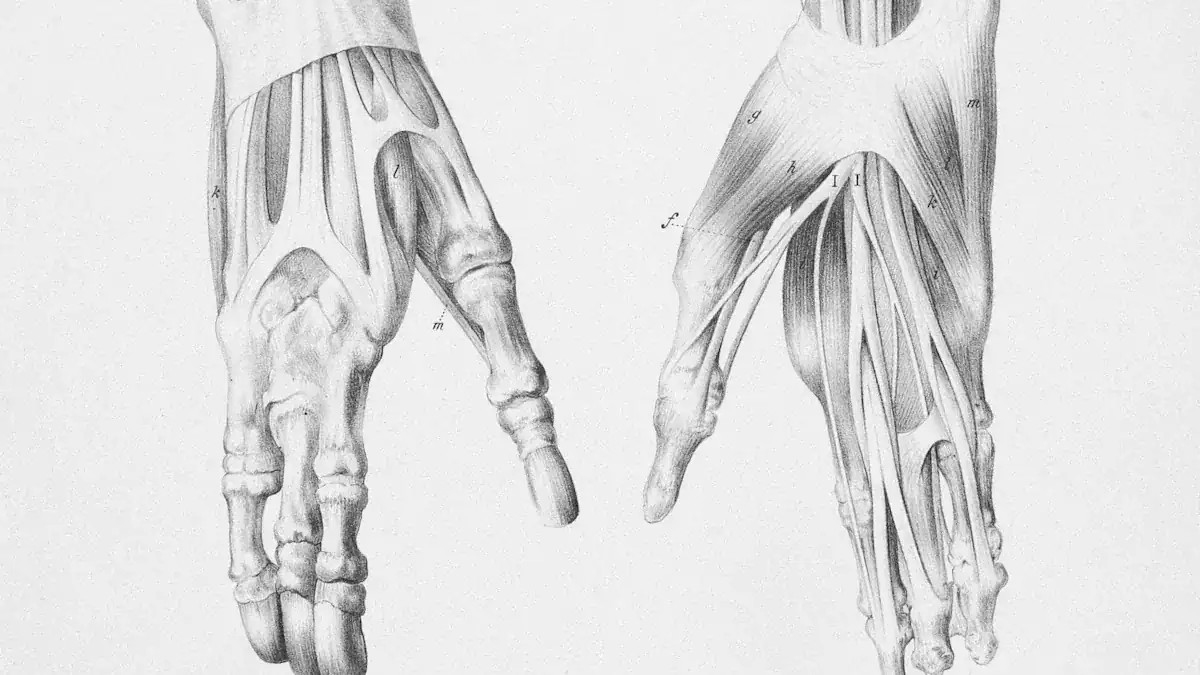
Nerve compression is a frequent reason for finger numbness. Prolonged pressure or repetitive use can lead to intermittent numbness. You might experience this when you sleep in certain positions or lean on your elbows. These actions can put pressure on nerves.
Carpal Tunnel Syndrome and Finger Numbness
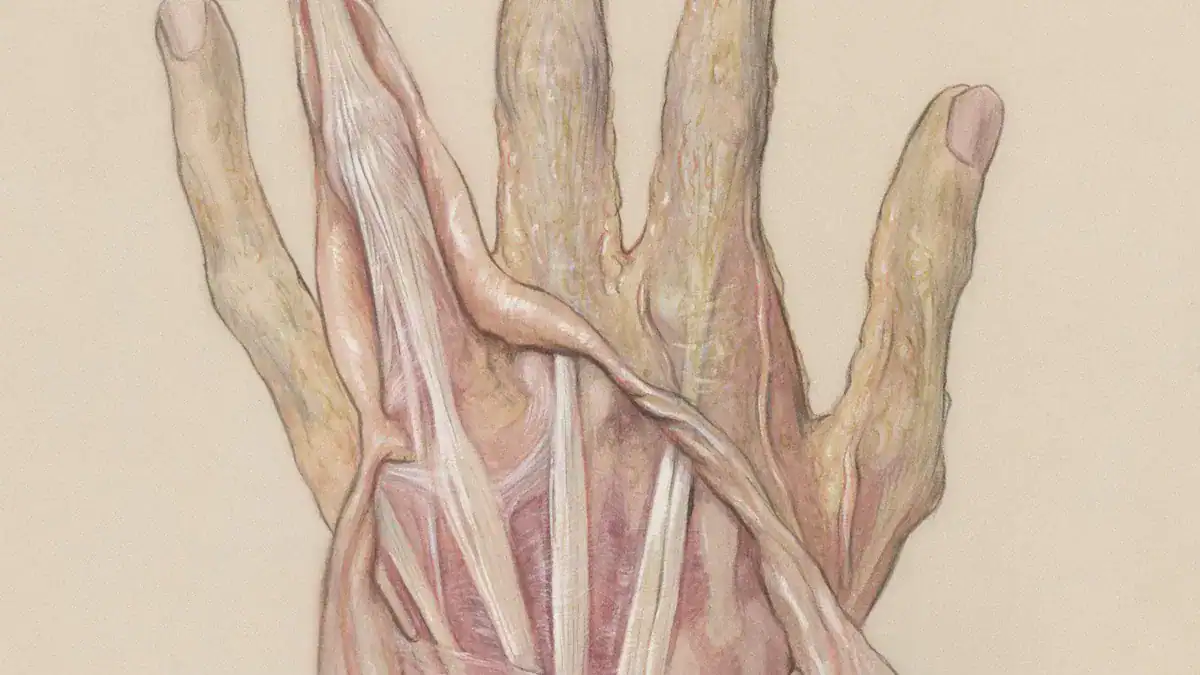
Carpal tunnel syndrome is a common cause of index finger numbness. This happens when the median nerve, which runs through your wrist, becomes compressed. You feel pain and paresthesias, which are tingling or prickling sensations.
These sensations occur in your thumb, index finger, and middle finger. Doctors look for specific signs to diagnose this condition. They check for a positive flick sign or a positive Phalen maneuver. These tests help confirm median nerve compression. In severe cases, you might have decreased sensation on the palm side of your index finger. You might also struggle to tell two points apart on your finger.
Cervical Radiculopathy Affecting the Hand
A pinched nerve in your neck can also cause finger numbness. This condition is called cervical radiculopathy. It happens when a nerve root in your neck becomes irritated or compressed. C6 radiculopathy often causes pain or numbness. This pain extends from your neck to the thumb and index finger. You might feel tingling, numbness, or pain radiating into your second digit, which is your index finger. This type of numbness can be quite bothersome.
Ulnar Nerve Entrapment and Sensation Changes
Ulnar nerve entrapment can also cause numbness. This nerve runs along the inside of your arm. It can get compressed at your elbow, a condition known as cubital tunnel syndrome. Compression can also happen at your wrist in Guyon’s Canal.
The ulnar nerve carries sensation to your pinky finger and half of your ring finger. Therefore, ulnar nerve entrapment primarily causes numbness and tingling in these fingers. Isolated index finger numbness is less common with this condition. If you have numbness in your thumb, index, or middle fingers along with your pinky and ring fingers, it suggests a broader nerve issue.
Systemic Conditions Causing Numbness
Broader health issues can also cause numbness in your fingers. These conditions affect your whole body. They can lead to nerve problems that show up as finger numbness.
Diabetes and Peripheral Neuropathy
High blood sugar levels can damage your nerves. This condition is called peripheral neuropathy. It is a common cause of numbness. High blood sugar harms the small blood vessels that feed your nerves. These vessels bring oxygen and nutrients. When nerves do not get enough of these vital resources, their cells can die. This leads to poor nerve function and numbness.
For example, high blood glucose damages tiny blood vessels inside your nerves. This injury reduces nerve fiber density. Also, high sugar levels cause harmful substances called AGEs to build up in nerve tissues. These AGEs are toxic to nerves. They can damage nerve cells and disrupt how nerves send signals. This can lead to distal fiber degeneration. Oxidative stress also plays a role. It creates free radicals that injure nerve tissue. This further contributes to nerve damage and numbness.
Vitamin Deficiencies and Nerve Health
Certain vitamin deficiencies can also cause nerve issues and numbness. Deficiencies in vitamins B1, B6, B12, and E can lead to nerve disruptions. These disruptions include neuropathy, which causes numbness, tingling, or nerve pain. Vitamin B12 deficiency is a major cause of peripheral neuropathy. It damages the myelin sheath, which protects your nerves.
This leads to improper nerve function. Even a mild B12 deficiency can affect your nervous system. It can cause conditions like polyneuropathy. If you do not treat it, the nerve damage can become permanent. Symptoms often include pain, numbness, and tingling in your hands or feet.
A common symptom of vitamin B12 deficiency is a tingling or numb sensation in your hands or feet. This happens because the protective layer around nerve fibers gets damaged. The numbness usually starts in your extremities. It can then spread to other body parts. Copper and vitamin B9 (folic acid) deficiencies can also cause nerve damage. Be careful with vitamin B6. Both too little and too much can cause nerve damage.
Thyroid Dysfunction and Hand Numbness
Your thyroid gland produces hormones that control many body functions. Problems with your thyroid can also cause finger numbness. Hypothyroidism means your thyroid is underactive. It can slow nerve signaling. This leads to sensory problems like tingling fingers or numb feet. Hypothyroidism can cause numbness in both hands. This happens because of carpal tunnel syndrome. Low thyroid hormone levels can cause substances to build up and swell the synovial membrane in your wrist. This compresses the median nerve. This compression leads to numbness.
A study showed that many people with hypothyroidism experience carpal tunnel syndrome. Hyperthyroidism means your thyroid is overactive. It is less common but can also cause neuropathy. It overstimulates nerves. This can lead to muscle weakness or twitching. Both conditions can result in neuropathy.
You might feel tingling, numbness, or burning pain, often in your hands and feet. Hormonal imbalances can also cause fluid retention. This leads to swollen fingertips. Swollen fingertips can compress nerves. This results in pins and needles or numbness in your extremities. These are all potential causes of index finger numbness.
Other Causes of Finger Numbness: Less Common but Serious
Sometimes, less common but serious conditions can cause finger numbness. These issues often require prompt medical attention. You should understand these potential causes.
Stroke: Sudden Onset Numbness
A stroke can cause sudden numbness. This happens when blood flow to a part of your brain stops. The brain controls your body’s sensations. If a stroke affects the thalamus, you might experience sensory problems. The thalamus relays much of your sensory input. For example, a stroke in the right thalamus can cause left-sided numbness. This numbness might appear around your mouth, thumb, and other fingers. You might feel it in your index finger. This type of numbness is a serious sign.
Multiple Sclerosis and Sensory Changes
Multiple Sclerosis (MS) is another cause of numbness. MS is a disease where your immune system attacks the myelin sheath. Myelin protects your nerves. When myelin gets damaged, nerves cannot communicate properly. This leads to altered sensations. You might feel tingling or numbness in various body parts, including your fingers. About 50% of people with MS experience sensory symptoms like numbness. A 2018 study showed 80% of MS patients felt tingling and numbness during a relapse. This nerve damage causes these “false discomforts.”
Tumors or Cysts Affecting Nerves
Tumors or cysts can also press on nerves. This pressure can cause finger numbness. Ganglion cysts are common hand tumors. Other benign growths like lipomas (fatty tumors) or schwannomas (nerve tumors) can also cause compression. These masses can vary in size. If they grow large enough, they press on nerves in your wrist or hand. This leads to pain, numbness, or muscle weakness. For instance, a mass on your forearm can cause loss of sensation in your thumb, index, and middle fingers. You might experience numbness and tingling in your index finger. Doctors use imaging like MRI or ultrasound to find these growths.
Other factors can also damage nerves and cause numbness. Exposure to lead, excessive alcohol, or tobacco can harm your nerves. Some medical treatments, like chemotherapy or radiation, can also lead to nerve damage. Bites from animals, insects, ticks, or spiders might also cause localized nerve issues. Certain medications can have numbness as a side effect. Myofascial pain syndrome, which involves muscle pain, can sometimes refer sensations like numbness to your fingers. These are all potential causes of index finger numbness.
Urgent Nerve Signs: When Numbness is a Red Flag

You might experience index finger numbness for many reasons. Some causes are minor, like sleeping on your arm. Other times, numbness signals a serious problem. It is crucial to know the difference. You need to recognize when your symptoms require immediate medical attention. Intermittent numbness that goes away with rest is usually less concerning. Persistent or worsening symptoms, however, are red flags.
Sudden Numbness with Weakness
Sudden numbness, especially when it comes with weakness, is a critical sign. This combination often points to a neurological emergency. If you suddenly cannot move your index finger or hand properly, and it feels numb, seek help immediately. This could indicate a stroke. A stroke happens when blood flow to your brain stops. The brain controls your body’s movements and sensations. Damage to a part of the brain can cause sudden weakness and numbness on one side of your body. This includes your index finger. Do not wait if you experience these symptoms.
Numbness Spreading or Worsening
You should also pay close attention if your numbness starts to spread or gets worse over time. Peripheral neuropathy symptoms often begin in your feet. They then move upwards to affect your legs. Your hands and arms typically become affected next. Conditions like diabetes, excessive alcohol consumption, and nutritional deficiencies can cause peripheral neuropathy. Medication side effects, toxic chemical exposure, and autoimmune disorders are also known causes. This condition can worsen if you do not address the underlying issue.
Neuropathy, if you leave it untreated, can lead to permanent nerve damage. It frequently starts in the longest, most distal parts of your nerves, commonly in your feet. Then, it spreads upwards to your legs. This progression is often slow and can take years. Common causes include diabetes, even prediabetes, and vitamin deficiencies, especially B12. Chemotherapy, toxin exposure, alcoholism, and certain infections also contribute. Poorly controlled diabetes and excessive alcohol consumption can make existing symptoms worse. This makes you more vulnerable to worsening conditions.
Peripheral neuropathy symptoms, such as numbness, can start intermittently. They can later become constant. They might begin in one area and then spread to other parts of your body. If these symptoms develop gradually over more than eight weeks, underlying causes could include autoimmune diseases, diabetes, hypothyroidism, paraproteinemia, or vitamin deficiencies. Chemotherapeutic agents can also be a cause. You must consult a doctor if your numbness follows this pattern.
Accompanying Symptoms Like Vision Changes
When numbness appears with other symptoms, especially vision changes, it signals a serious medical event. Focal neurologic deficits can include sensation changes like numbness. They also include vision changes such as reduced vision, decreased visual field, sudden vision loss, or double vision. Stroke is a known cause of focal neurologic deficits. Acute Ischemic Stroke is a neurological emergency. Its symptoms can include unilateral weakness or numbness and gaze deviation. This condition is a significant cause of disability and death. About 85% of strokes are ischemic. They happen due to diminished blood supply to the brain.
Certain vision changes are particularly concerning when they occur with numbness:
Blurred Vision: This can happen with numbness or tingling, especially if you have uncontrolled diabetes. If it appears suddenly with numbness, particularly on one side of your body, it could indicate a stroke.
Double Vision: This is a potential symptom of a stroke when it comes with numbness.
Vision Loss: This can be a sign of a stroke, especially when you experience it alongside numbness.
Other cranial neuropathy types can also cause vision changes:
Cranial Neuropathy Type | Vision Changes |
|---|---|
Microvascular cranial nerve palsy | Double vision, droopy eyelid, other eyesight problems |
Third nerve palsy | Sagging/drooping eyelid, double vision, difficulty moving the eye, enlarged pupil |
Fourth nerve palsy | Abnormal eye turning, double vision, head tilting when looking |
Sixth nerve palsy | Abnormal eye movement, double vision |
If you experience any of these vision changes along with numbness, seek emergency medical care.
Index finger numbness can come from many places. These range from simple nerve compressions to serious health issues. You learned about the various causes of index finger numbness.
Watch for urgent signs like sudden numbness with weakness, spreading numbness, or numbness with vision changes. These symptoms need immediate medical help. Do not try to diagnose yourself. Always seek a doctor’s opinion for persistent finger numbness, worsening numbness, or any acutely concerning finger numbness. Timely consultation ensures proper diagnosis and treatment. This prevents long-term problems with your numb fingers.