

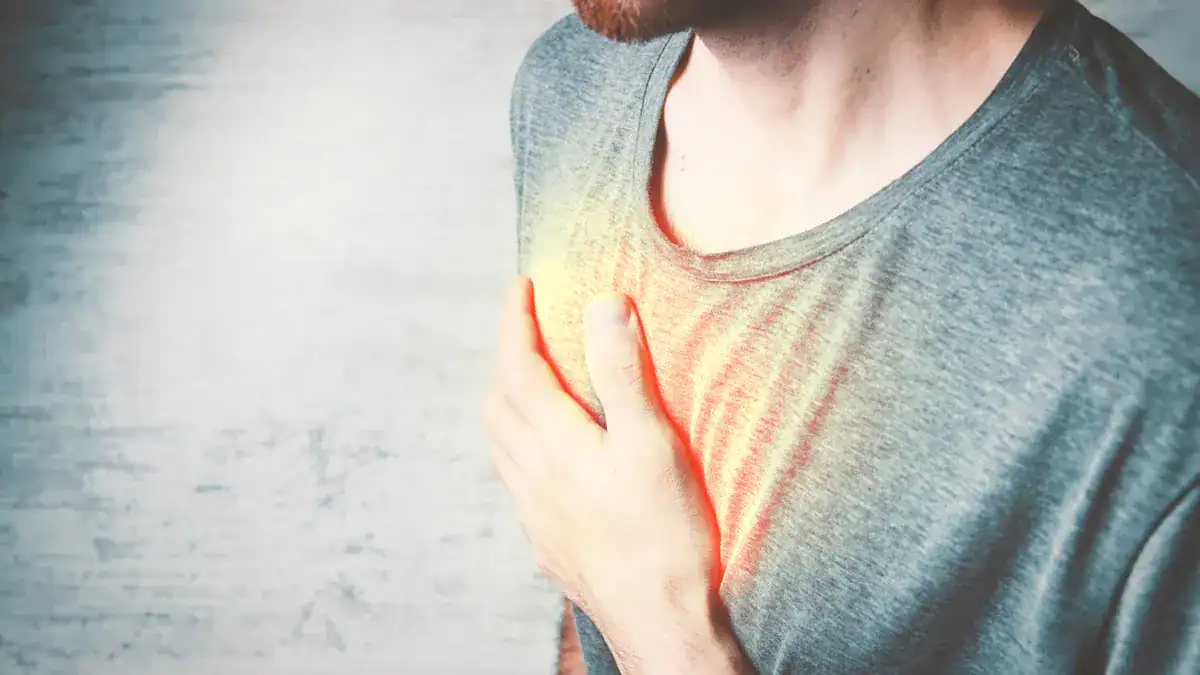
When you experience Rib And Back Pain On Left Side, it demands your attention. While much of this pain is harmless, some causes necessitate immediate medical care. This blog aims to help you understand the serious conditions that can lead to this type of pain. You will learn when to seek urgent medical help for your pain. This kind of discomfort can originate from various body systems, making an accurate diagnosis for your back pain crucial.
Key Takeaways
Left-sided rib and back pain can signal serious health problems. These problems need quick medical attention.
Heart attacks, aortic dissection, and pulmonary embolism are urgent causes. They show symptoms like chest pain, shortness of breath, or tearing back pain.
Other serious causes include pancreatitis, spleen issues, and severe infections. These conditions can cause intense abdominal or back pain.
Seek immediate medical help for red-flag symptoms. These include numbness, weakness, loss of bladder control, or sudden, severe pain.
Do not ignore persistent or severe left-sided pain. Early medical evaluation helps prevent worse health problems.
Urgent Cardiovascular Causes of Rib and Back Pain on Left Side
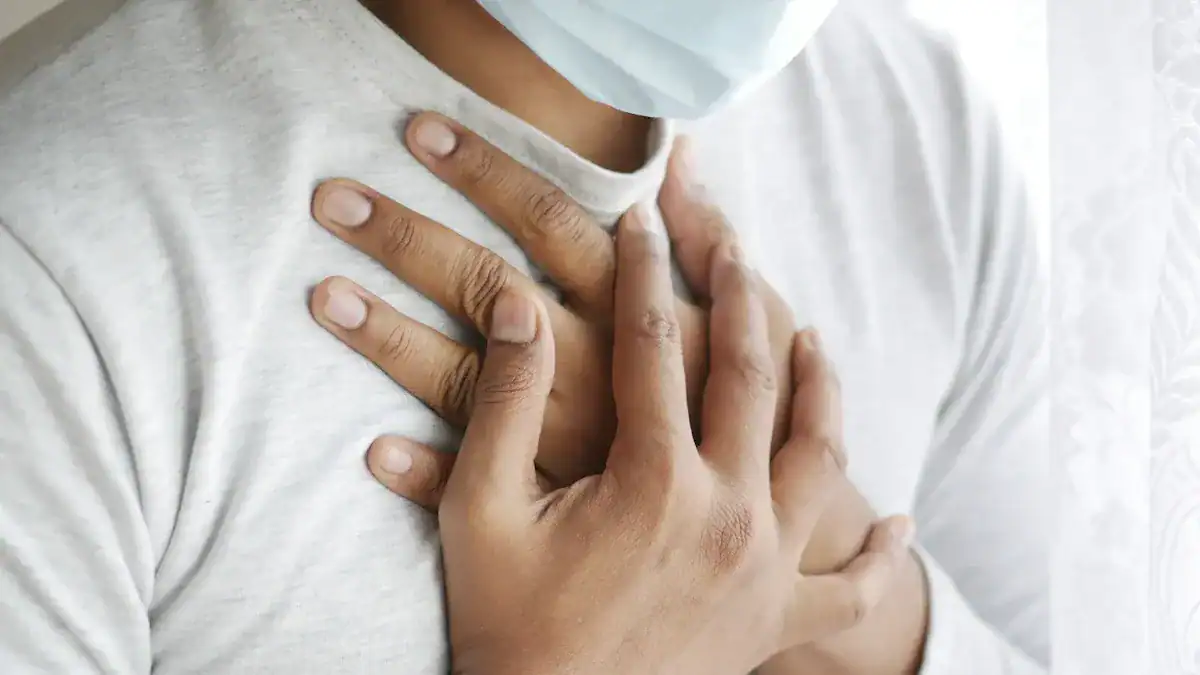
When you feel rib and back pain on left side, your heart could be the source. These conditions need immediate medical help. Understanding the signs helps you act fast.
Heart Attack Symptoms
A heart attack can cause severe chest pain. You might feel a squeezing, tightness, or crushing sensation in your chest. This pain often spreads to your left arm, jaw, or back. It can also go to your right arm, neck, or stomach. You may also feel short of breath, sweat a lot, or feel sick to your stomach. Sometimes, the pain is sharp or stabbing.
This type of pain might not improve with rest. Women, older adults, and people with diabetes might have different symptoms. They could feel mild chest discomfort, upper back pain, jaw pain, or extreme tiredness. You might also experience sudden weakness or nausea.
Aortic Dissection Signs
Aortic dissection is a very serious condition. It causes sudden, severe pain in your chest or back. People often describe this pain as a tearing or ripping feeling. The pain can move from your chest to your back or belly. This abrupt onset of intense pain is a key sign. If you feel this kind of pain, seek help right away.
Pericarditis Pain
Pericarditis is inflammation of the sac around your heart. This condition causes sharp, stabbing chest pain. The pain can get worse when you take a deep breath, cough, or lie down flat. It might also spread to your left shoulder or back. You may find that sitting up and leaning forward helps to ease the pain. This specific change in pain with position helps doctors tell it apart from other types of chest pain.
Respiratory and Gastrointestinal Emergencies
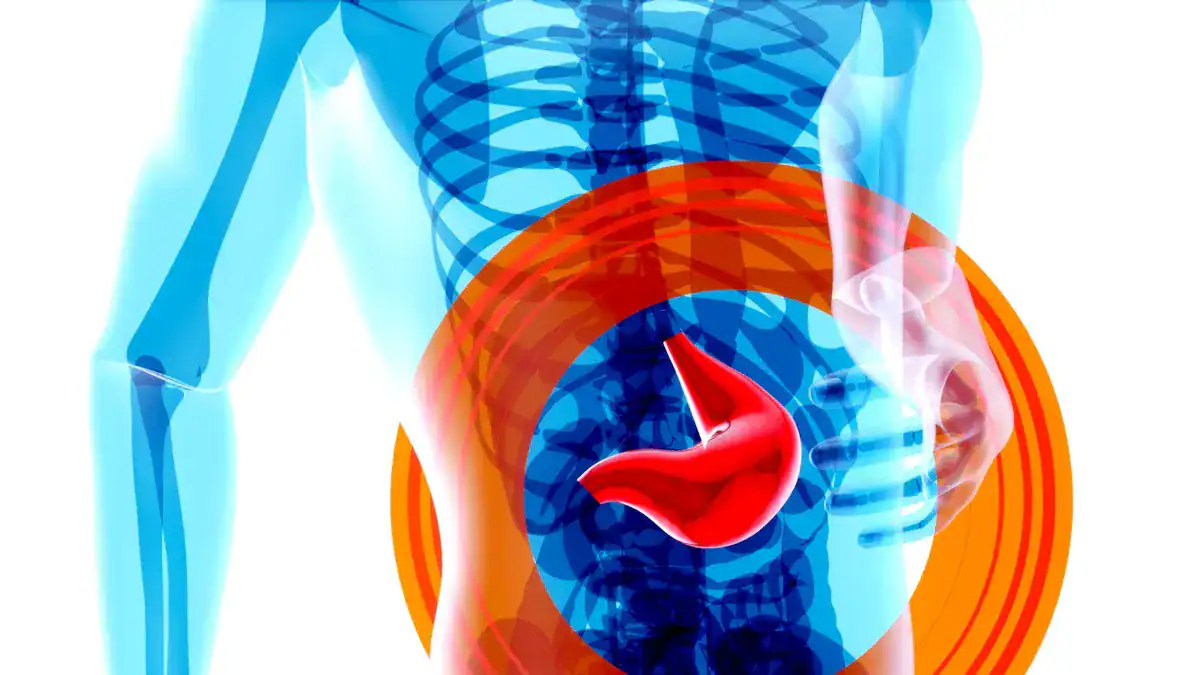
Your rib and back pain on left side can also signal urgent issues in your respiratory or digestive systems. These conditions require prompt medical attention.
Pulmonary Embolism
A pulmonary embolism happens when a blood clot blocks an artery in your lungs. You will experience sudden shortness of breath. This can occur even when you are resting. You might also feel a sharp chest pain.
This pain often gets worse when you take a deep breath or cough. You may develop a cough, sometimes with bloody mucus. Your breathing can become fast, and your heart rate may increase. This combination of symptoms needs immediate evaluation.
Pneumonia and Pleurisy
Pneumonia is a lung infection. Pleurisy is inflammation of the lining around your lungs. Both can cause significant pain. You might have a cough, fever, and chills. Breathing can become difficult. You will often feel a sharp chest pain that worsens when you breathe deeply or cough. This pleurisy pain can be quite severe. The pain can also spread to your back.
Pancreatitis and Spleen Issues
Pancreatitis is inflammation of your pancreas. It causes severe upper abdominal pain. This pain often radiates to your back. The pain can feel deep and penetrating. It might worsen after you eat fatty foods or lie flat. Sometimes, you feel pain below your left shoulder blade.
Issues with your spleen, like rupture or enlargement, also cause left-sided pain. You will feel pain in your upper left abdomen. This area might be tender to touch. You can also experience referred pain in your left shoulder. This shoulder pain can worsen with breathing. You might also feel dizzy or lightheaded if there is significant blood loss.
Musculoskeletal and Nerve Causes of Middle Back Pain
Sometimes, your rib and back pain on left side comes from issues with your bones, muscles, or nerves. These conditions can cause significant discomfort. You need to understand their specific symptoms.
Rib Fractures and Injuries
Rib fractures cause sharp, localized pain. You feel tenderness in the affected area. Breathing or moving often makes the pain worse. Trauma, like car accidents, falls, or sports injuries, commonly causes these fractures. Severe coughs or conditions like osteoporosis can also lead to rib fractures. Your chest wall has many nerves, which explains the intense localized pain you experience. This pain can be quite debilitating.
Shingles and Nerve Compression
Shingles can cause a burning pain before a rash appears. This pain often feels like tingling. It typically affects one side of your body, including your chest, back, or waist. The rash often forms a “belt” or “half belt” pattern around your rib cage. This burning pain can be intense. Nerve compression, like intercostal neuralgia, also causes pain along your ribs, chest, or abdomen. You might describe this pain as sharp, aching, or burning. It can also cause numbness or tingling. Chest injuries, infections like shingles, or even surgery can cause this type of middle back pain. You may find that movements like coughing or sneezing worsen this pain.
Disc Herniation and Strains
A disc herniation in your thoracic spine can cause middle back pain. This pain originates at the level of the herniated disc. It can sometimes radiate around your chest or abdomen. You might feel a sensation like a strap tightening around your chest. This pain can be dull, aching, or sharp. Numbness and tingling often appear in a band-like pattern around your torso. Movement, lifting, or prolonged sitting can worsen this middle back pain. Muscle strains are also a common cause of middle back pain. You experience localized pain in your back muscles. This pain often improves with rest.
When to Seek Immediate Medical Attention
You must understand when your left-sided rib and back pain signals an emergency. Recognizing these critical signs can save your life. Do not delay seeking help if you experience any of the following symptoms.
Critical Red-Flag Symptoms
You must recognize specific signs. These signs tell you to seek immediate medical help for your pain. Ignoring them can have serious consequences.
Numbness or Tingling: You might feel numbness or tingling in your back, arms, or legs. This indicates possible nerve compression.
Weakness: You could experience weakness in your legs. This may signal affected nerves that control movement.
Loss of Bowel or Bladder Control: This is a critical sign. It points to Cauda Equina Syndrome. This condition needs immediate emergency attention.
Unexplained Weight Loss: You might have back pain along with weight loss you cannot explain. This combination needs medical review.
Fever: You may have a fever with your back pain. This is especially true if over-the-counter medicine does not help. It suggests a possible infection.
Severe Pain After an Accident: You might feel severe pain after a car crash, fall, or sports injury. Seek help even if you feel “okay” at first.
Persistent Pain: Your pain lasts more than one or two weeks. This is true even with rest and home remedies. Or, your pain significantly worsens.
Debilitating Pain: Your pain is so severe it prevents sleep, work, or daily activities. This level of pain needs attention.
Sudden Sensation Loss: You might suddenly lose sensation in one or both legs. This can also happen in your groin, genital area, or anal region.
Inability to Walk or Stand: You cannot walk or stand. This is a clear emergency.
Difficulty Passing Urine: You have trouble passing urine. Or, you have uncontrolled bladder movements. These are serious signs.
Intolerable Pain: You feel sudden, intolerable pain in your lower back or legs. This is an emergency.
Radiating Abdominal Pain: Your back pain radiates to your abdomen. This needs immediate check-up.
Loss of Consciousness: You lose consciousness. This is a medical emergency.
Pain After Trauma: You have back pain after trauma. Examples include a fall, sports injury, or car accident.
Sudden Pain with Risk Factors: You have sudden back pain. You also have risk factors for fracture, like osteoporosis.
Never ignore your rib and back pain on left side. This pain can signal serious issues. You need professional medical evaluation for your back pain. An accurate diagnosis leads to proper treatment. Trust your instincts about your pain. Seek emergency care if you suspect a serious underlying condition causing your back pain. Early intervention significantly improves outcomes for many urgent causes of this pain. Do not let persistent back pain go unchecked. Your health depends on addressing this pain promptly. Ignoring the pain in your back can lead to worse problems. Always prioritize your pain.