

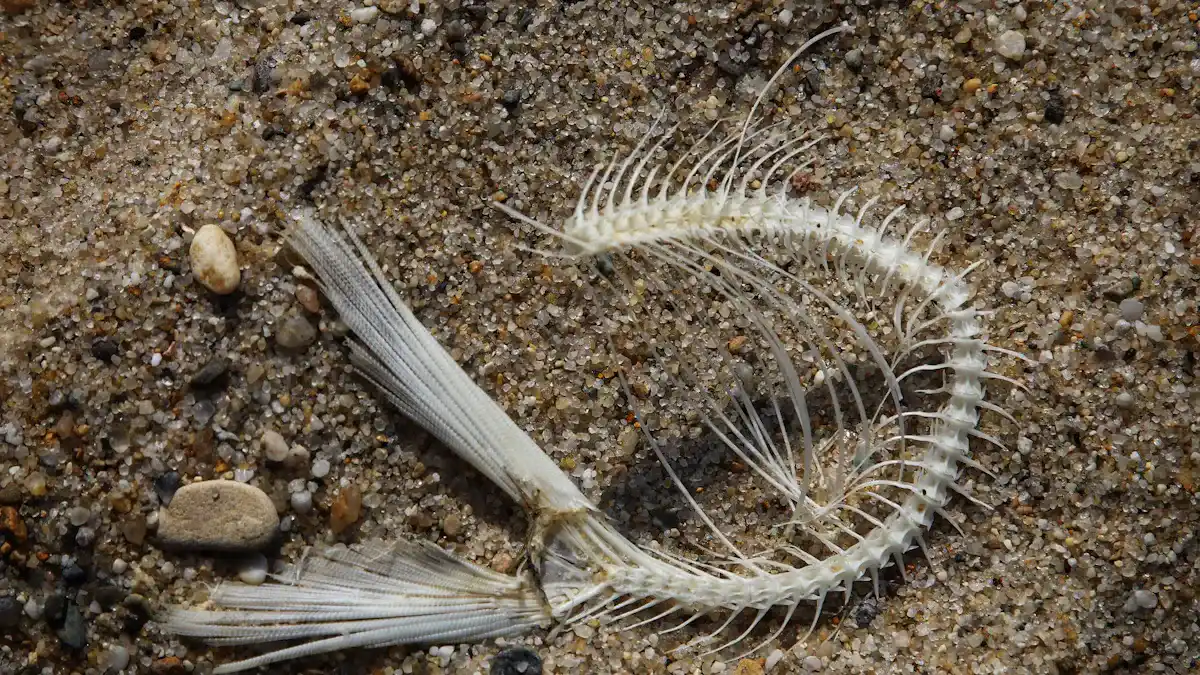
A sudden jolt of panic can strike when you feel a fish bone stuck in throat. This discomfort is immediate and alarming. It is crucial to stay calm. You must act quickly, but always with care. A fish bone stuck requires your immediate, thoughtful attention.
Key Takeaways
Stay calm if a fish bone gets stuck in your throat. Panic makes the situation worse.
Try home remedies like swallowing olive oil or soft foods. Stop if you feel more pain.
Seek medical help if you have trouble breathing or severe pain. Also see a doctor if home remedies do not work.
Prevent future incidents by eating slowly and carefully. Remove bones from fish before cooking.
Recognizing a Stuck Fish Bone

Common Symptoms
When you suspect a fish bone stuck in throat, you need to identify the specific signs. Recognizing these symptoms helps you understand the situation. You might experience a sharp pain when swallowing. This pain often feels persistent and does not go away. You may also have a constant scratchy sensation in your throat. Many people report difficulty swallowing food or even saliva. You feel something is truly stuck, like a foreign object lodged in place.
You might start coughing or gagging involuntarily. Some people feel tenderness in their neck, especially around the area of discomfort. A tickly sensation in your throat is also common. You might even notice a prickly or tingly feeling. Sometimes, you feel a fullness at the base of your neck. A sharp pain where the bone has impacted your throat is a clear sign. You might even spit up a small amount of blood. These symptoms tell you a bone is likely present.
Differentiating from a Throat Scratch
You might wonder if your discomfort is just a minor throat scratch. A throat scratch usually feels less intense. It often improves quickly. If a fish bone stuck in your throat, the discomfort will not go away. The feeling of something being there persists. A scratch might cause mild irritation. A bone causes more significant and painful swallowing. You will likely feel a specific point of irritation with a bone. A scratch often feels more general.
If your symptoms do not lessen after a few minutes, you likely have a bone. Pay attention to the intensity and duration of your discomfort. This helps you tell the difference. A scratch might feel like a general soreness. A bone often feels like a sharp, localized prick. You might also notice that a scratch does not cause the same level of gagging or coughing. A bone often triggers these stronger reactions. A scratch typically does not cause a feeling of fullness in your neck. A bone can cause this sensation.
Immediate Steps: What to Do if You Swallow a Fishbone
Staying Calm
When you feel a fish bone stuck in throat, panic can quickly set in. You might immediately think, “Am I going to die?” This fear is a natural response. The thought of negative outcomes, like surgery or permanent damage, can intensify your anxiety. This feeling of a lump in your throat, known as ‘globus,’ often links to anxiety. A traumatic event, like swallowing a rough object, can trigger it.
This happens even if no real injury exists. Psychological factors, including anxiety, often connect to globus sensation. Your mind can misinterpret symptoms. This leads to heightened anxiety. You must stay calm. Panic makes the situation worse. It can make you feel the bone more intensely. Take a deep breath. Focus on clear thinking. This helps you assess the situation better.
Initial Assessment
After you calm down, you need to assess the situation. This is the first step for what to do if you swallow a fishbone. First, check your breathing. If you have difficulty breathing, seek emergency medical attention immediately. This is a serious sign. If your breathing is normal, you can proceed with a visual check. Sit upright. Open your mouth wide.
Extend your tongue. You can use a flashlight to see better. A friend or family member can help you. They can use a tongue depressor. Look for the fish bone. If you see the fish bone, a doctor can remove it. They often use special forceps for this. If you do not see the bone, do not try to dig for it.
This can push it deeper. It can also cause more injury. If your breathing is not affected, you can wait and observe. Make sure your throat feels clear before you go to sleep. This helps prevent further issues. Knowing what to do if you swallow a fishbone helps you act effectively. You have a fish bone stuck. You need to be careful.
Safe Home Remedies
You can try several safe home remedies if a fish bone gets stuck in your throat. Always act with caution. Apply these methods gently. These remedies aim to dislodge the bone or help it pass safely.
Food and Drink Methods
You can use certain foods and drinks to help move the bone.
Olive Oil: Swallow one to two tablespoons of straight olive oil. The oil coats your throat and the bone. This lubrication can help the bone slide down more easily.
Soft Foods:
Banana: Take a large bite of banana. Hold it in your mouth for a moment. Let it soak up some saliva. Then, swallow it whole. The soft, bulky food can grab the bone and push it down.
Marshmallow: Chew a large marshmallow slightly. Do not chew it completely. Swallow it in one gulp. The sticky, soft texture can help pull the bone away from your throat lining.
Cooked Rice: Eat a spoonful of well-cooked, sticky rice. Form it into a small ball. Swallow it without chewing much. The rice can surround the bone and carry it down.
Acidic Beverages: Drink a small amount of vinegar or lemon juice. You can dilute it with water if it is too strong. The acid might help soften the bone. This makes it less rigid and easier to pass.
Physical Techniques
You can also try some physical actions to dislodge the bone.
Forceful Coughing: Cough forcefully several times. This action creates pressure in your throat. Strong coughs can dislodge a bone. This works especially well if the bone is stuck at the back of your throat or near your tonsils.
Gargling with Salt Water: Mix one teaspoon of salt into a glass of warm water. Gargle with this solution for about 30 seconds. The salt water can soothe your throat. It might also help loosen the bone. This can make removing a fish bone easier.
Important Tip: Stop immediately if any method causes more pain or discomfort. Do not force anything. These methods are for minor, superficial cases.
When to Seek Medical Help
You must know when to get professional help. Sometimes, a fish bone needs more than home remedies. You should not delay seeking medical care in certain situations.
Urgent Symptoms
Some symptoms mean you need immediate medical attention. You might feel like something is stuck lower in your esophagus. You could experience fullness at the base of your neck. You might also be unable to keep food and water down. These are serious signs. If you have severe pain when swallowing, or if you have difficulty breathing, you must contact a doctor right away. Do not wait. These symptoms suggest the bone is deeply lodged or causing significant harm.
When Home Remedies Fail
You tried the home remedies, but the bone is still there. You still feel discomfort. This means it is time to see a doctor. If you continue to feel a foreign object in your throat after trying safe methods, you need professional help. Ignoring it can lead to possible complications. A doctor can safely remove the bone. They prevent further injury. You should contact a doctor if the pain persists or worsens.
Signs of Infection
A lodged fish bone can sometimes cause an infection. You need to watch for these signs. You might develop a fever or chills. You could have a sore throat that gets worse. Other signs include upper abdominal pain or difficulty swallowing. In rare cases, you might experience vomiting or chest pain. These symptoms indicate possible complications like an abscess. If you notice any of these signs, you must contact a doctor quickly. An infection needs prompt medical treatment.
Medical Interventions for a Fish Bone Stuck in Throat
When home remedies do not work, you need professional help. Medical professionals can safely remove the bone. They prevent further injury.
Doctor’s Examination
You will visit a doctor’s office or an emergency room. A medical professional will assess your situation. If the fish bone stuck in throat is visible, a general practitioner or an A&E doctor might remove it.
They often check your tonsils or the back of your throat. If the bone is deeper, perhaps in your tongue or esophagus, you will see an ENT specialist. This doctor uses special tools. They might use a small camera on a flexible tube. This helps them find the bone.
Removal Procedures
Doctors use different methods for removing a fish bone. If the bone is visible and easy to reach, the doctor uses forceps. They gently pull the bone out. If the bone is deeper, you might need an endoscopy.
This procedure involves a thin, flexible tube with a camera. The doctor guides this tube down your throat. They locate the bone. Then, they use small tools passed through the endoscope to grasp and remove it. You might receive a local anesthetic or light sedation for this.
Post-Removal Care
After the bone is removed, your throat might feel sore. This is normal. You should eat soft foods for a day or two. This helps your throat heal. The doctor will give you specific instructions. If you develop a fever, increased pain, or difficulty swallowing, you must contact a doctor immediately. These are signs of possible complications. Sometimes, if an infection started, you might need antibiotics. Always contact a doctor if you have any concerns after the procedure.
Preventing Future Fish Bone Incidents
You can take proactive steps to enjoy fish without the worry of a bone getting stuck. Prevention is always better than dealing with a painful incident.
Careful Eating Practices
You control how you eat your fish. Always eat slowly. Take small bites. Chew your food thoroughly. This helps you detect any bones before you swallow a fishbone. Avoid distractions like television or your phone while eating. Focus on your meal. This mindful approach helps you identify and remove bones from your mouth before they become a problem.
Proper Fish Preparation
Preparing fish properly at home significantly reduces bone risks. Many fish fillets you buy, like True Cod or King Salmon, are often boneless. However, if you purchase a whole fillet or a whole fish, you typically need to remove pin bones before cooking. You can use specialized pin bone tweezers for this task.
Locate Bones by Protrusion: Place the fish fillet over an upside-down small bowl. This makes the bones stick out, making them easier to see.
Feel for Bones: Run your fingertips along the thickest part of the fish. Pin bones often concentrate there.
Gently Pull Bones: Once you find a bone, grasp its tip with the tweezers. Gently pull it away from the fish.
Repeat: Continue this process until the fish is bone-free.
Choosing Boneless Options
You can also choose fish types known for minimal bones. This makes your meal safer and more enjoyable.
Salmon: This fish is popular for its minimal bones and tender meat. It often comes as fillets, so you do not need to remove bones.
Tuna: Tuna has few bones. You usually buy it as steak cuts or canned.
Tilapia fillet: This fish has a mild flavor and soft texture. It is widely available in boneless fillet form.
Cod (skinless fillet): Cod has a tender, flaky texture. Properly filleted cod has minimal bones.
Haddock (boneless fillet): Haddock is similar to cod. You can find it in boneless fillets.
Remember, all fish naturally contain bones. ‘Boneless fish’ refers to cuts that professionals have descaled, degutted, and deboned. These cuts offer convenience and ease of eating, making them a safe choice, especially for children.
When a fish bone stuck in throat, remember to stay calm. You can try gentle home remedies like swallowing olive oil or soft foods. Seek medical help if symptoms worsen or a fish bone stuck persists. Always watch for signs of infection. Prevent future incidents by eating carefully and preparing fish well. You can handle these situations effectively.


