Experiencing Gallbladder Attacks brings significant discomfort and concern. Your gallbladder stores and concentrates bile, a fluid essential for digesting fats. When you eat fatty food, your gallbladder releases this concentrated bile into your small intestine, helping break down fats. However, certain dietary choices can disrupt this process, leading to a painful gallbladder attack.
This blog identifies common dietary triggers and guides you in managing and preventing future gallbladder issues. Understanding your dietary choices is crucial for improving your gallbladder health and avoiding recurring Gallbladder Attacks. You can prevent many gallbladder issues by making informed decisions about your food.
Key Takeaways
High-fat and processed foods often trigger gallbladder attacks. They make your gallbladder work harder.
Gallstones are hard deposits. They form in your gallbladder and can block bile flow. This causes pain.
Eating a low-fat, fiber-rich diet helps prevent gallbladder attacks. Choose lean proteins and whole grains.
Pay attention to your body. Identify personal trigger foods by keeping a food diary. This helps manage your gallbladder health.
Seek medical help for severe pain. Also, get help for fever, chills, or yellow skin. These are signs of a serious gallbladder issue.
Understanding Gallbladder Attacks and Their Causes
What is a Gallbladder Attack
A gallbladder attack is a sudden, intense pain in your upper abdomen. This pain happens when something obstructs the normal flow of bile from your gallbladder. Your gallbladder is a small organ under your liver. It stores bile, a digestive fluid. Bile helps you break down fats in your small intestine. Most often, gallstones cause these attacks. Gallstones are hard deposits that form in your gallbladder. When gallstones block the bile ducts, pressure builds up. This causes significant pain.
Here is how a gallbladder attack often happens:
Gallstone Impaction: Gallstones get stuck in the neck of your gallbladder or in the cystic duct.
Increased Pressure and Enlargement: This blockage makes pressure inside your gallbladder rise. Your gallbladder then swells.
Wall Thickening and Decreased Blood Supply: The walls of your gallbladder become thicker. Blood flow to your gallbladder also lessens.
Exudate Formation: Fluid may build up as a result of these changes.
Hypomotility and Bile Stasis: Your gallbladder muscles move less. This causes bile to sit longer. This prolonged bile stasis contributes to gallstones forming.
Bile Accumulation: Bile builds up because it cannot flow properly. This increases the chance of more gallstones.
Bilirubin Stone Formation: Sometimes, gallstones are made of bilirubin. This happens due to infections or increased bilirubin cycling.
How Diet Impacts Gallbladder Function
Your diet significantly affects your gallbladder. The gallbladder plays a key role in fat digestion. When you eat food, especially fatty food, your body releases a hormone called cholecystokinin (CCK). CCK tells your gallbladder to contract. This pushes bile into your small intestine. This process helps digest fats.
Dietary fat is a strong stimulator of gallbladder contraction. This can cause or worsen pain after you eat. While limiting dietary fat might reduce pain, it could also increase the risk of gallstones. This happens because reduced gallbladder emptying means bile stays longer.
Meal Type | Fat Content | CCK Release (mean ± sem) | Gallbladder Contraction (AUC) |
|---|---|---|---|
Pure Fat Meal | 25 g | 187 ± 27 | 3172 ± 361 (>85% of fasting) |
Mixed Meal | 8 g | 157 ± 12 | 6052 ± 342 (<50% of fasting) |
Fat-Free Meal | 0 g | 87 ± 13 | 6134 ± 500 (<50% of fasting) |
Note: Higher CCK release and lower AUC for gallbladder contraction indicate greater contraction.
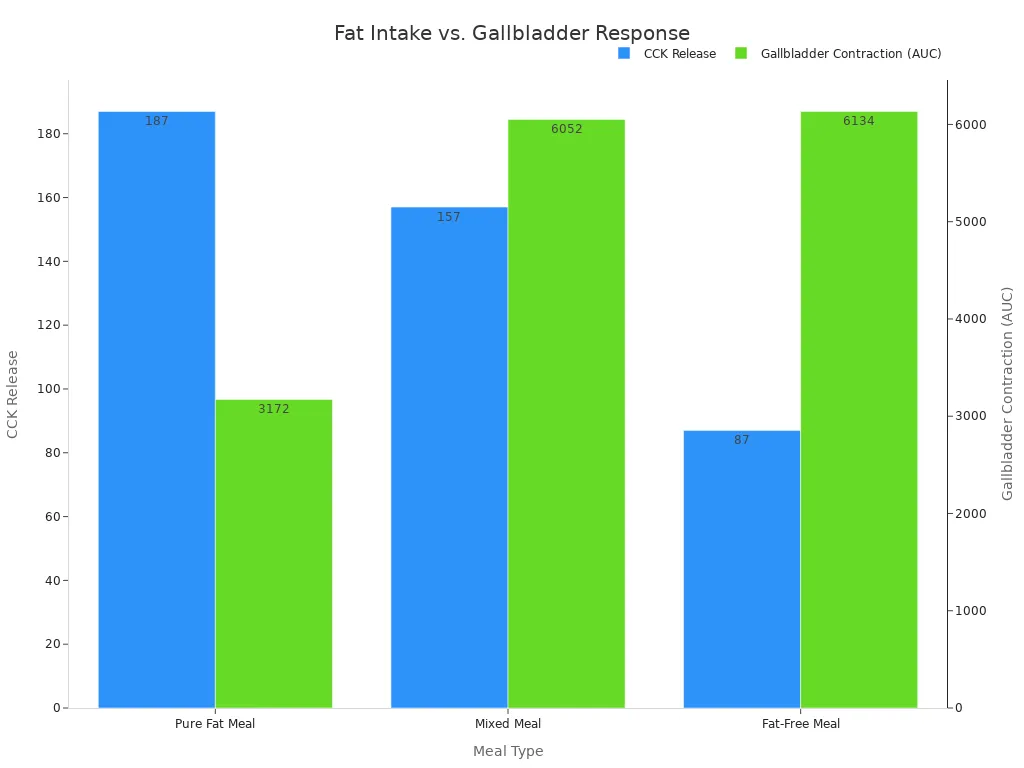
This chart shows how different meals affect your gallbladder. A pure fat meal causes the most CCK release and the strongest gallbladder contraction. This strong contraction can sometimes lead to a gallbladder attack if gallstones are present. Other factors beyond CCK are involved when you eat fat-free or low-fat meals.
A 25g fat intake can cause maximal gallbladder contraction. This might prevent understimulation and the formation of gallstones. However, for those with existing gallstones or gallbladder issues, this strong contraction can cause significant gallbladder strain. Understanding these dietary triggers helps you manage your gallbladder issues.
Key Foods That Trigger Gallbladder Attacks
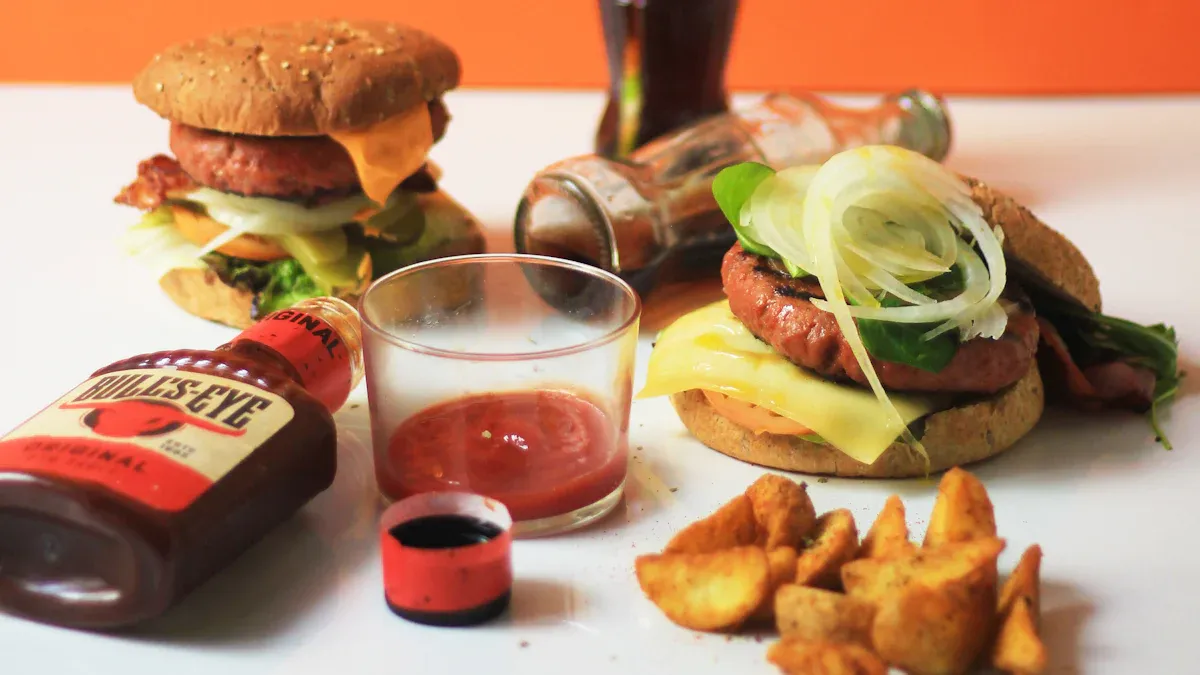
You need to know which foods can cause gallbladder attacks. Certain dietary triggers make your gallbladder work harder. This can lead to pain and discomfort. Understanding these food items helps you manage your gallbladder issues.
High-Fat and Fried Foods
High-fat and fried foods are major culprits. They force your gallbladder to contract strongly. This can cause pain if you have gallstones. Consider these common high-fat offenders:
Fried foods: Think fried chicken, French fries, pizza, bacon, and butter. These are high in unhealthy fats.
Fast food: Burgers, pizza, nuggets, loaded fries, tacos, and stuffed sandwiches often contain high fat.
High-fat snacks: Chips, nachos, cheese-filled snacks, buttered popcorn, and packaged fried foods hide fats.
Oily or spicy curries: Thick gravies made with ghee, butter, cream, or heavy oils, like biryani, korma, and butter chicken, are also problematic. These foods contain unhealthy trans fats. Trans fats make it harder for bile to break down fats. This strains your digestive system. It can lead to inflammation and gallstones. Some people even find eggs, especially when fried in oil or butter, can cause problems.
Processed and Refined Foods
Processed foods and refined items also pose a risk. They often lack fiber. They contain unhealthy fats, sugar, and preservatives. These components can irritate your digestive system.
Processed meats: Sausages, bacon, and hot dogs are full of saturated fats and preservatives. They increase bile cholesterol levels. This contributes to gallstones and inflammation.
Refined carbohydrates: White bread, pasta, and pastries cause blood sugar spikes. This leads to inflammation. It also slows bile flow. This increases your risk of gallstones.
Processed convenience foods: Fast food, canned meats, frozen meals, and processed sauces are often high in unhealthy fats, sugar, and sodium. These items can slow digestion. They also contain additives that contribute to gallbladder issues.
Full-Fat Dairy and Red Meats
Full-fat dairy products and red meats are often problematic. They are high in saturated fat and cholesterol. These can make your digestive system work harder.
Full-fat dairy products: Whole milk, yogurts, cheeses, cream, and ice cream can slow digestion. They thicken bile. This increases your risk of gallstones. A study showed a strong link between high-fat dairy products and an increased risk of gallstones.
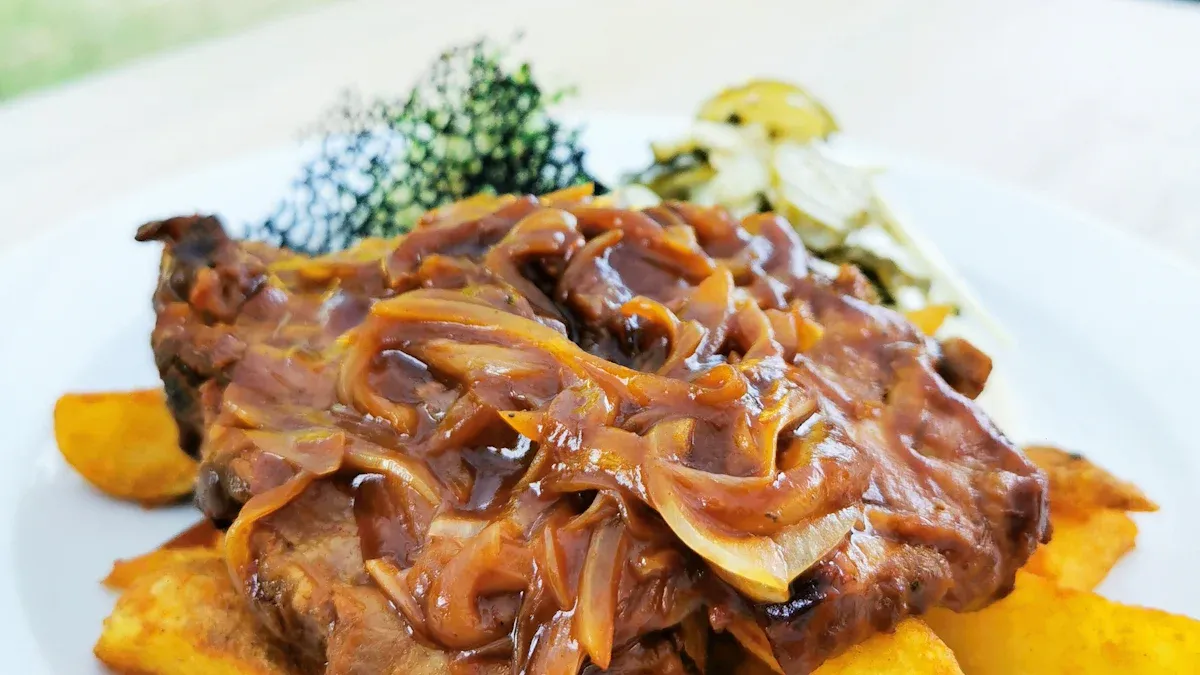
High fat meats: Beef, pork, and lamb contain high saturated fat. This concentrates bile. It leads to gallstone development, inflammation, and indigestion. Processed meats like sausages and hot dogs also fall into this category. You should avoid items like butter, cheese (cheddar, brie), and ice cream. They contribute to cholesterol imbalance. Your body struggles to digest them without proper bile flow. This can worsen gallbladder issues.
High-Sugar and High-Sodium Items
High sugar and high sodium items can also affect your gallbladder. Excess sugar, in particular, can disrupt its function.
Sugary foods: Candy, soda, baked goods, and desserts lead to insulin resistance. This changes bile composition. It also contributes to obesity. Both factors increase your risk of gallbladder issues.
Refined sugars and carbs: White bread, pastries, sugary cereals, soda, and desserts are low in fiber. They promote inflammation. They also cause bile cholesterol imbalance. High blood sugar levels can negatively impact your gallbladder’s ability to contract. This delays bile emptying. It increases your risk of gallstones. Here is how high sugar intake affects your gallbladder:
Increased Cholesterol Synthesis: High sugar raises blood sugar and insulin. This boosts cholesterol synthesis. It increases cholesterol excretion into bile. This leads to more bile cholesterol saturation.
Delayed Gallbladder Emptying: Long-term high sugar diets cause insulin resistance. This reduces sensitivity to cholecystokinin (CCK). Your gallbladder empties slowly. This causes bile stasis.
Compromised Gallbladder Integrity: Oxidative stress from too much sugar damages your gallbladder’s lining. It hinders its ability to contract. This speeds up cholesterol crystal formation.
Gut Microbiota Imbalance: High sugar intake disrupts gut bacteria. This harms your intestinal barrier. An abnormal intestinal barrier can speed up gallstone development. Salty snacks also contribute to gallbladder issues by often being highly processed and high in unhealthy fats.
Specific Vegetables and Legumes
Some healthy vegetables and legumes can surprisingly cause gallbladder issues for certain individuals. These foods can cause gas and bloating. This puts pressure on your digestive system.
Cruciferous vegetables: Broccoli, cauliflower, cabbage, and Brussels sprouts can cause bloating.
Onions and garlic: These can also lead to digestive discomfort.
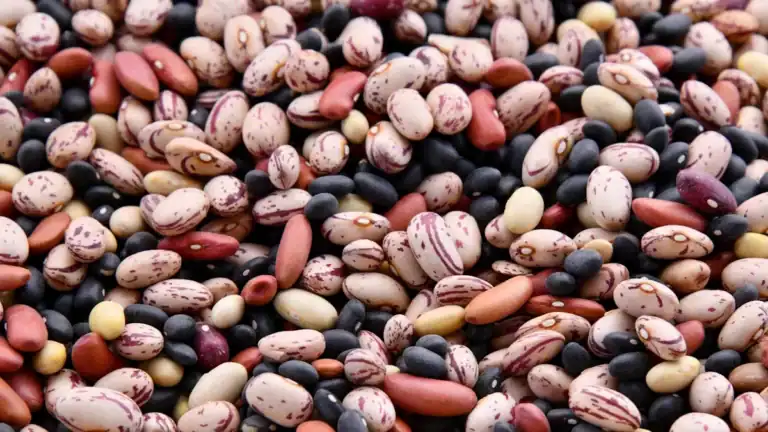
Legumes: Beans, lentils, and peas are known for causing gas. These vegetables can cause persistent bloating. This signals gut imbalance. It also indicates inflammation and slow bile flow. This impacts your gallbladder health. You should pay attention to how your body reacts to these items. Individual triggers vary greatly.
Recognizing Symptoms of a Gallbladder Attack
When you experience a gallbladder attack, your body sends clear signals. Understanding these symptoms helps you know when to seek help. A gallbladder attack often presents with distinct signs.
Acute Abdominal Pain
You will feel a sudden, intense pain in your upper right abdomen. This pain often starts after you eat a fatty meal. It is not constant; it comes in waves. The pain builds in intensity before it gradually subsides. This discomfort can last from 30 minutes to several hours. It can feel sharp, cramping, or like a deep ache. This severe pain is medically called biliary colic. If the pain lasts longer than several hours, it may mean a complication like cholecystitis. Most gallbladder attacks last a few hours. The worst pain usually occurs at the beginning. This pain is a primary indicator of gallbladder issues, often caused by gallstones.
Nausea, Vomiting, and Indigestion
Nausea and vomiting are common during a gallbladder attack. You might also feel indigestion or acid reflux. These symptoms are your body’s response to the underlying problem. Older individuals might have milder symptoms. They might just feel a vague loss of appetite or a general sense of being unwell. These feelings are a non-specific intestinal response to the irritation of your gallbladder. They often accompany gallbladder issues, especially when gallstones are present.
Referred Pain in Back or Shoulder
Sometimes, you feel pain in your back or right shoulder. This is called referred pain. It happens because nerves are interconnected throughout your body. When your gallbladder is affected, your brain can misinterpret the pain’s source. It sends pain signals to a different area. This pain often radiates to your right shoulder blade or lower back. It occurs when gallstones block the bile ducts. Your gallbladder tries to contract to expel bile. This contraction causes the referred pain. This is a common symptom of gallbladder issues.
Signs of Severe Gallbladder Attack
Some signs mean you have a severe gallbladder attack. You need immediate medical attention if you experience these:
Severe pain that does not go away.
Fever, especially a sudden spike. This can mean an infection.
Chills.
Yellowing of your skin or eyes (jaundice).
Dark urine.
Gallbladder pain lasting more than six hours. This suggests a possible infection. These symptoms indicate a more serious condition. They require prompt medical evaluation to prevent further gallbladder issues or complications from gallstones.
Dietary Strategies to Prevent Gallbladder Attacks
You can actively prevent gallbladder attacks by making smart food choices. Your diet plays a crucial role in managing your gallbladder health. You can significantly reduce your risk of developing gallstones and experiencing painful episodes. Focus on specific food groups and eating habits.
Adopting a Low-Fat Diet
A low-fat diet is a cornerstone for preventing gallbladder issues. High-fat foods force your gallbladder to contract intensely. This can trigger pain if you have gallstones. You should choose alternatives to high-fat options.
Consider these beneficial low-fat foods:
Whole Grains: Brown rice, oats, and whole wheat products provide essential nutrients and fiber. They aid digestion and can reduce your risk of gallstones.
Lean Proteins: Skinless poultry, fish, tofu, and legumes are easier to digest. They do not strain your gallbladder. Fatty fish like salmon and mackerel also offer beneficial omega-3s.
Dairy Alternatives: Low-fat or plant-based options are gentler on your gallbladder. Try almond, soy, or oat milk. Skim milk and low-fat yogurt are also good choices.
Here is an example of a low-fat meal plan you can follow:
Meal | Example Foods |
|---|---|
Breakfast | Dry cereal (1/2 cup) with skim milk (1/2 cup), 1 slice of toast with jelly, 1/2 cup of juice, coffee or tea. |
Lunch | 3 ounces of lean meat (e.g., turkey, chicken, fish) or 1/2 cup of tuna (water-packed), 1 slice of bread, 1/2 cup of vegetables, 1 piece of fruit, skim milk (1/2 cup). |
Dinner | 3 ounces of lean meat (e.g., turkey, chicken, fish), 1/2 cup of pasta or rice, 1/2 cup of vegetables, 1 piece of fruit, skim milk (1/2 cup). |
Snacks | 1 piece of fruit, 1/2 cup of gelatin, 1/2 cup of skim milk, 1/2 cup of juice, 1/2 cup of sherbet, 1/2 cup of yogurt (low-fat). |
Prioritizing Fiber-Rich Foods
You should prioritize fiber-rich foods. Increased dietary fiber intake significantly contributes to gallbladder health. It helps prevent gallstones. Higher intakes of total, soluble, and insoluble dietary fiber are strongly linked to a reduced risk of gallstone disease. For example, total fiber can lower your risk by 56%. Soluble fiber reduces it by 49%, and insoluble fiber by 44%.
Dietary fibers decrease the time food spends in your intestines. This reduces the production and absorption of secondary bile acids. These acids, like deoxycholate, can stimulate biliary cholesterol saturation. Reducing their levels helps prevent gallstones.
A study found strong inverse associations between dietary fiber intake and the odds of gallstone disease. People with the highest fiber intake had significantly lower odds of gallstone disease. This protective effect was even more noticeable in overweight and obese individuals. Women and those over 50 years old also showed significantly lower odds of gallstone disease with high insoluble dietary fiber intake.
Fiber-rich diets offer many benefits:
Counteracts Oxidative Stress and Inflammation: Fruits and vegetables provide antioxidants. These help reduce oxidative stress and inflammation. Both are risk factors for gallstone formation.
Improves Lipid Metabolism: Dietary fiber lowers LDL cholesterol levels. High LDL cholesterol is a known risk factor for gallstones.
Alleviates Obesity: Fiber increases fullness. It improves gut bacteria. It also regulates fat metabolism. These actions help manage obesity, a major risk factor for gallstones.
Improves Insulin Resistance: Dietary fiber enhances insulin sensitivity. Insulin resistance leads to higher cholesterol in bile. This promotes gallstone formation.
Promotes Gastrointestinal Peristalsis and Enhances Intestinal Flora: Fiber improves gut movement. It fosters a healthier gut microbiome. This positively influences bile salt transformation. It helps prevent gallstone formation.
Fermentation into Short-Chain Fatty Acids (SCFAs): Gut bacteria ferment dietary fiber into SCFAs. These SCFAs regulate bile acid metabolism. They offer a potential treatment for cholesterol gallstones.
Choosing Lean Protein Sources
You should choose lean protein sources. These are crucial for managing gallbladder issues. Lean proteins are lower in saturated fat. They are easier for your body to process.
Consider these excellent lean protein options:
Lean Meats:
Lean Beef: 3 ounces of 97% lean beef patty contains about 130 calories and low saturated fat.
Lean Ground Turkey: 3 ounces of 93% lean ground turkey has around 176 calories and low saturated fat.
Skinless White-Meat Chicken: 3 ounces contains about 123 calories and very low saturated fat.
Seafood: Fish and other seafood are excellent protein choices.
Sockeye Salmon: A 3-ounce serving has about 133 calories and less than 1g saturated fat. It is also rich in omega-3 fatty acids.
Shrimp: 3 ounces of cooked shrimp contains 84.2 calories and less than 1g fat.
*White fish:* Halibut, sea bass, sea bream, and turbot are good options due to their lower fat content.
Vegetarian Proteins: Beans, tofu, legumes, and peas are low-fat and low-cholesterol options. They help lower your saturated fat intake. Protein-rich vegetables like kidney beans, black beans, chickpeas, split peas, and lentils are also great choices. For dinner, roasted or grilled lean protein sources like chicken or fish are often good gallbladder-friendly options.
Smart Snacking and Hydration
You can support your gallbladder health with smart snacking and proper hydration. Maintain a balanced diet. This diet should be rich in fruits, vegetables, whole grains, and lean proteins. Limit refined carbohydrates and sugars. They can increase your gallstone risk. Consume healthy fats in moderation. These include fats found in fish, nuts, and olive oil. They stimulate bile flow. Avoid trans fats and excessive saturated fats.
Here are some smart snacking and hydration tips:
Plant-based proteins: Incorporate beans, nuts, seeds, or tofu into your snacks. They help reduce your gallstone risk.
Vitamin-C Rich Foods: Include citrus fruits, strawberries, or bell peppers. Vitamin C helps convert cholesterol into bile acids. Low levels of Vitamin C are linked to an increased gallstone risk.
Hydration: Drink plenty of water throughout the day. Water helps keep your bile thin. This prevents it from becoming too concentrated. Proper hydration supports overall digestive health.
Identifying Personal Trigger Foods
Your body is unique. What triggers gallbladder issues for one person might not affect another. You must identify your personal dietary triggers. Keep a food diary. Write down everything you eat. Note any symptoms you experience afterward. This helps you pinpoint specific foods that cause discomfort or gallbladder attacks. Once you identify these triggers, you can avoid them. This personalized approach is key to managing your gallbladder health effectively.
You now understand how certain food items act as dietary triggers, impacting your gallbladder. High-fat and processed foods often cause gallbladder issues. Making informed food choices is crucial to prevent future gallbladder attacks and avoid more gallbladder issues. Always consult healthcare professionals for personalized advice on your gallbladder issues. Taking control of your diet can significantly improve your quality of life, especially if you face gallbladder issues. You can manage your gallbladder health effectively.