You are increasingly seeking natural solutions for chronic health conditions. Liver disease is a significant global concern, ranking as the 14th most common cause of death worldwide in 2019. Factors like hepatitis infections, non-alcoholic fatty liver disease, and alcohol consumption often affect your liver.
This vital organ performs over 500 functions, impacting your overall well-being. This blog explores effective natural remedies, dietary changes, and lifestyle adjustments to support liver health and help you heal liver disease naturally. Remember, these approaches are complementary; always consult your doctor for professional medical advice.
Key Takeaways
Your liver does over 500 important jobs. You can help it stay healthy with natural remedies, good food, and healthy habits.
Some natural helpers for your liver are milk thistle, turmeric, and dandelion root. They protect your liver cells and help clean your body.
Eat foods like leafy greens, berries, and whole grains to keep your liver strong. Try to eat less processed foods, sugar, and unhealthy fats.
Exercise helps your liver burn fat. Getting enough sleep and managing stress also helps your liver heal and work better.
Always talk to your doctor before trying new remedies. Natural methods work best with medical advice, not instead of it.
Liver Health & Natural Healing
Liver’s Vital Functions
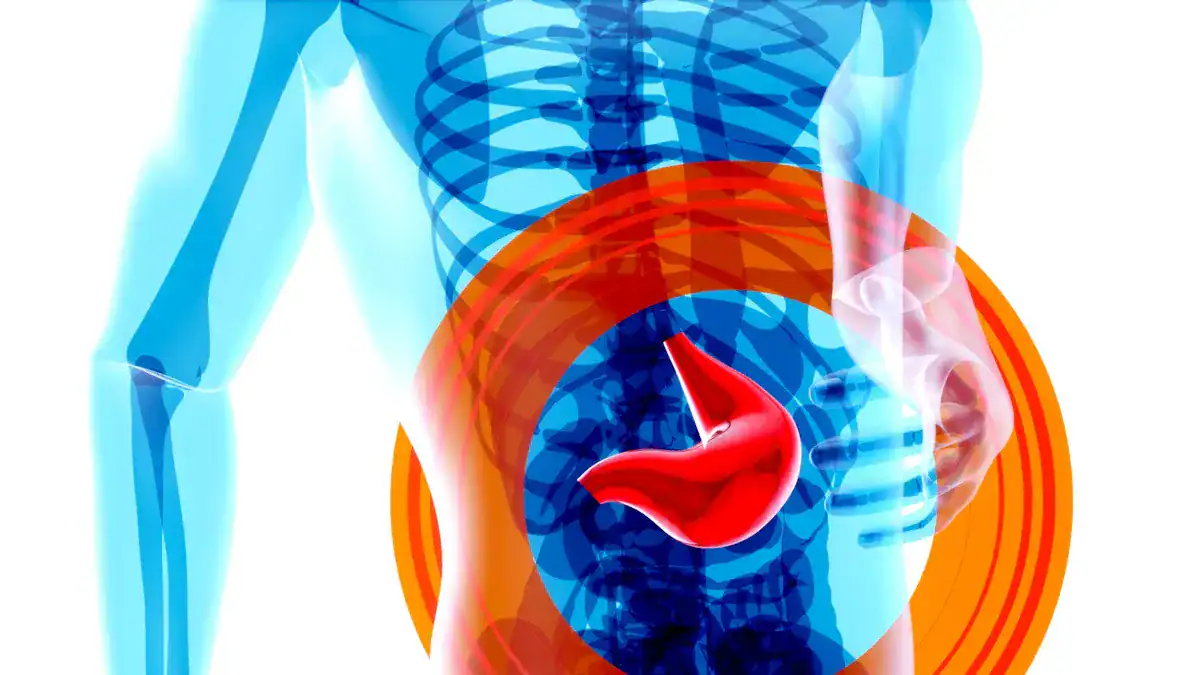
Your liver is an incredibly hardworking organ. It performs over 500 essential tasks every day. This vital organ acts as your body’s primary filter. It handles the detoxification of your organism, removing harmful substances. The liver also synthesizes various proteins and biochemicals crucial for digestion and growth. You rely on your liver for carbohydrate metabolism, converting unused glucose into glycogen for storage.
This process helps balance your blood sugar. The liver produces hormones and regulates amino acid levels in your blood. It also produces bile, which carries away waste and helps break down dietary fats. Your liver stores iron processed from hemoglobin and converts poisonous ammonia to urea.
It processes drugs and other poisonous substances. The liver also regulates blood clotting and fights infections by making immune factors. It removes bilirubin from red blood cells. This amazing organ truly keeps your body running smoothly.
Natural Support for Liver Function
You can actively support good liver health. Understanding the liver’s many roles highlights the importance of protecting this organ. Natural approaches focus on enhancing your body’s innate ability to heal and maintain balance. You can improve detoxification processes within the liver.
This helps your body manage the constant exposure to toxins. Supporting your liver function naturally can help prevent conditions like fatty liver disease. It also aids in recovery if you already face liver challenges.
A healthy liver efficiently performs its many tasks, including liver detoxification. You can protect your liver by making informed choices. These choices contribute to overall liver health and well-being.
Key Natural Remedies to Heal Liver Disease
You can find many natural remedies that offer significant support for your liver. These remedies work in various ways to help your body heal liver disease naturally. They protect your liver cells, reduce inflammation, and enhance detoxification processes.
Milk Thistle: Liver Cell Protector
Milk thistle is a well-known herb for liver health. Its active compound, silymarin, offers powerful protective effects on your liver cells. Clinical studies show that milk thistle can help people with cirrhosis.
For example, a study on 170 patients with cirrhosis, including alcoholic cirrhosis, found a lower mortality rate in those treated with a standardized silymarin product. The greatest benefit appeared in individuals with alcoholic cirrhosis and less severe disease.
Another study on 36 patients with chronic alcoholic liver disease showed that silymarin normalized bilirubin and liver enzyme levels. It also led to histological improvements.
Silymarin has cytoprotective properties. It concentrates in your liver cells more than in your blood. This compound protects your liver from damage caused by toxic chemicals.
Animal studies show that liver cells pre-treated with silybin, a component of silymarin, experience less damage when exposed to toxins. This suggests silybin may prevent toxins from entering cells or help remove them.
Milk thistle also helps your liver regenerate cells by stimulating DNA synthesis. A 2021 study indicated improvements in liver function for people with non-alcoholic fatty liver disease who took a milk thistle supplement. This suggests it can reduce liver inflammation and damage. Milk thistle also reduces liver damage from free radicals, which form when your liver processes toxic substances. You can find milk thistle in supplement form, often standardized to silymarin content.
Turmeric: Potent Anti-Inflammatory
Turmeric is a spice with strong medicinal properties. Its main active compound, curcumin, gives turmeric its potent anti-inflammatory effects. Curcumin helps to reduce inflammation throughout your body, including in your liver.
This can significantly benefit those dealing with liver conditions where inflammation plays a key role. Turmeric also acts as an antioxidant, protecting your liver cells from damage. You can add turmeric to your cooking or take it as a supplement. Many people use turmeric to support overall liver health.
Dandelion Root: Detoxification Aid
Dandelion root is a traditional remedy known for its ability to support liver detoxification. It acts as a diuretic, helping your body flush out toxins. Dandelion root also stimulates bile production. This helps your liver process fats and remove waste more efficiently. You can consume dandelion root as a tea or in supplement form. It helps improve detoxification pathways in your liver.
Artichoke Leaf: Bile Flow Booster
Artichoke leaf extract is excellent for boosting bile flow. Artichoke extracts show choleretic effects, meaning they stimulate bile production. This increased bile production helps remove harmful toxins from your liver. The beneficial effects on liver enzymes come from compounds like cynarin and chlorogenic acid.
These compounds inhibit lipid peroxidation and help regulate cell signaling. Artichoke extracts also have hepatoprotective properties. Their antioxidant and free radical scavenging abilities protect your liver cells from oxidative stress. You can take artichoke leaf as a supplement or drink it as a tea.
Licorice Root: Anti-Inflammatory
Licorice root contains glycyrrhizin, its primary active compound. Glycyrrhizin provides antioxidant, anti-inflammatory, and antimicrobial properties. These properties make licorice root beneficial for liver health.
Glycyrrhizin may help treat hepatitis C, a virus that causes liver inflammation and damage. Research shows its antimicrobial effectiveness against hepatitis C in cell samples. This suggests its potential as a future treatment. You can find licorice root in teas or as an extract.
Ginger: Inflammation Reducer
Ginger is a common spice with powerful anti-inflammatory properties. Its active compounds, such as gingerol and zerumbone, help reduce inflammation by inhibiting specific pathways in your body.
Ginger essential oil reduces lipid accumulations in the liver of obese mice. It also protects against steatohepatitis by enhancing antioxidant capacity and reducing inflammatory responses in the liver. Ginger can ameliorate alcoholic fatty liver disease by decreasing harmful enzyme levels and increasing liver antioxidant enzyme activity.
Ginger’s polyphenolic compounds, including gingerol, contribute to its antioxidant and anti-inflammatory effects. They trap radicals and inhibit lipid peroxidation, preventing liver toxicity. You can add fresh ginger to your meals or drink ginger tea to reduce inflammation.
Garlic: Detoxification Support
Garlic is more than just a flavor enhancer; it offers significant support for liver detoxification. Organosulfur compounds (OSCs) are the most effective constituents in garlic for enhancing your detoxification system.
Specific OSCs include allicin, diallyl disulfide (DADS), diallyl trisulfide (DATS), and S-allylcysteine (SAC). Diallyl disulfide (DADS) protects your liver against damage from toxic chemicals.
It blocks harmful metabolic activation and upregulates genes for important detoxification enzymes. Ajoene, another stable OSC in garlic, upregulates Nrf2, which helps synthesize detoxification enzymes and glutathione.
These compounds stimulate antioxidant enzymes like SOD, CAT, and GPx. They also induce phase II detoxifying enzymes such as glutathione S-transferases (GSTs) and NQO-1. Eating raw garlic or taking garlic supplements can improve detoxification and support your liver.
Beyond these specific remedies, other compounds also offer liver-protective qualities. Berberine, found in plants like barberry, shows promise in supporting liver health. Resveratrol, an antioxidant found in red grapes, also contributes to liver protection. You can typically consume these remedies as supplements, teas, or by incorporating them into your diet. Always follow recommended dosages.
Best Foods to Cleanse Your Liver & Support Health
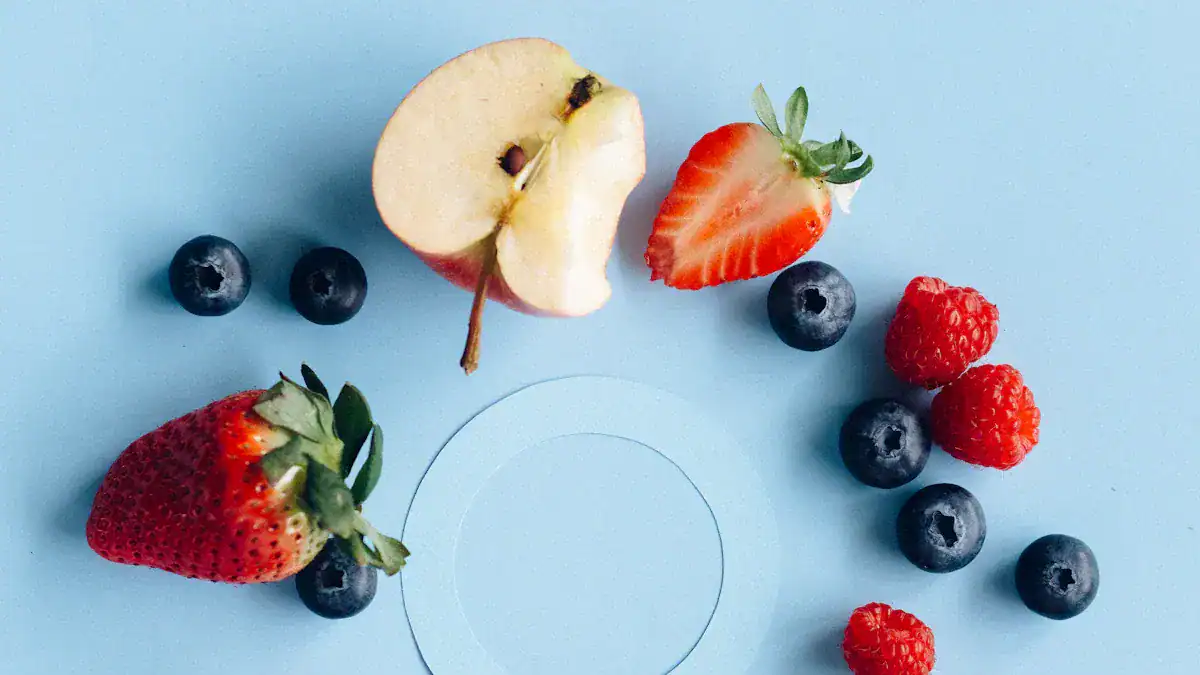
You can significantly support your liver by making smart food choices. A healthy diet helps your liver perform its many functions. It also aids in healing liver disease naturally. You want to choose foods that help cleanse your liver and protect it from damage.
Foods to Emphasize for Liver Health
You should build your diet around nutrient-dense foods. These foods provide the building blocks your liver needs to thrive.
Leafy Greens and Cruciferous Vegetables: These are powerhouses for liver health. You can choose from arugula, bok choy, broccoli, Brussels sprouts, cabbage, cauliflower, collard greens, kale, mustard greens, radish, and watercress. These vegetables are rich in vitamins, minerals, and fiber. Their deep colors often show high nutrient density. They also contain glucosinolates, compounds that may protect against cancer. Broccoli, for example, helps reduce fatty liver disease. Compounds in these vegetables modify detoxification processes. They protect you from harmful substances. Indole, found in these vegetables, may help prevent non-alcoholic fatty liver disease by reducing liver fat.
Folate Content (1/2 cup, cooked):
Broccoli: 84 mcg
Turnip greens: 85 mcg
Brussels sprouts: 42 mcg These vegetables are good sources of Vitamin B9 (folate). Folate is crucial for red blood cell and DNA formation. Collard greens, kale, and broccoli also provide Vitamin K.
Berries: Berries are full of antioxidants. Blueberries, raspberries, and cranberries protect your liver cells from damage. Blueberries, in particular, offer strong antioxidant support. You can enjoy blueberries in your oatmeal or smoothies.
Whole Grains: Foods like oatmeal, brown rice, and quinoa provide fiber. Fiber helps your digestive system work well. It also helps your body eliminate toxins.
Lean Proteins: Sources like fish, chicken, eggs, tofu, and lean cuts of meat support liver repair. They provide amino acids, which are essential for liver function.
Dairy Products: Milk, yogurt, and cheese offer calcium and protein. These contribute to overall health.
Nuts: Walnuts are especially good for your liver. They contain omega-3 fatty acids and arginine. These help your liver detoxify ammonia. Other nuts also provide healthy fats and antioxidants.
Green Tea: Green tea contains catechins, a type of antioxidant. These compounds help protect your liver from damage.
Olive Oil: This healthy fat provides antioxidants and helps reduce inflammation. Use it in moderation.
Citrus Fruits: Lemons, oranges, and grapefruit are beneficial for your liver. They contain vitamin C and other antioxidants. These fruits help flush out toxins. They reduce inflammation and stimulate bile production. These are crucial processes for liver detoxification. Grapefruit contains antioxidants like naringin and naringenin. These reduce inflammation and protect your liver from damage. Citrus fruits help your liver convert toxic substances into water-soluble compounds. This makes them easier to eliminate. You should know that grapefruit can interact with certain medications. Consult your doctor if you have concerns.
You can make a healthy diet a cornerstone of your liver health strategy. These best foods to cleanse your liver help you maintain a healthy liver.
Foods to Limit or Avoid
You must also know which foods can harm your liver. Limiting or avoiding these foods helps cleanse your liver and prevent further damage.
Processed Foods: These often contain unhealthy fats, sugars, and artificial ingredients. They put a heavy burden on your liver. Your liver works hard to process these substances.
Excessive Sugar: Too much sugar can lead to fatty liver disease. Your liver converts excess sugar into fat. This fat can build up in your liver. This causes inflammation and damage. You should watch out for hidden sugars in drinks and snacks.
Unhealthy Fats: Trans fats and saturated fats contribute to inflammation and fatty liver disease. You find these in fried foods, fast food, and many baked goods. These fats make it harder for your liver to function properly.
Alcohol: Alcohol is a major cause of liver damage. Your liver processes alcohol. This creates harmful byproducts. These byproducts can lead to inflammation, scarring, and severe liver disease. Limiting or avoiding alcohol is one of the most important steps you can take for your liver.
By reducing these items in your diet, you help your liver recover and stay healthy. This is a key part of any plan to cleanse your liver.
Hydration for Liver Cleansing
Proper hydration is vital for your liver’s detoxification processes. Water helps your body eliminate toxins.
Water: You should drink plenty of water throughout the day. Water helps your kidneys flush out waste products. This reduces the burden on your liver.
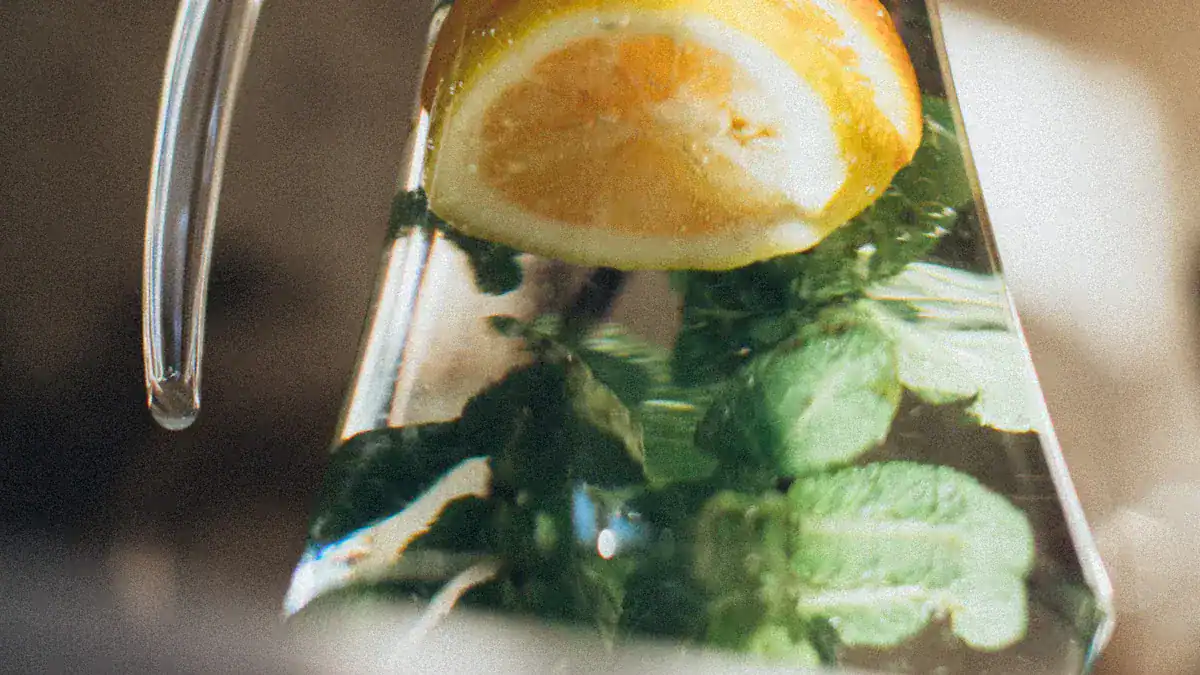
Lemon Juice: Adding lemon juice to your water can boost its cleansing effects. You can add 4-6 tablespoons of fresh lemon juice to your daily water intake. Lemon stimulates bile production. This helps your liver process fats and remove toxins.
Coffee: Coffee consumption can be beneficial, especially for fatty liver disease.
It reduces fat in your liver. It increases fat oxidation.
It lowers circulating cholesterol. It activates intestinal cholesterol efflux.
It improves lipid sensing. This helps your body manage fats better.
It reduces gut permeability. It restores tight junction proteins in your gut.
It helps control body weight. It increases energy expenditure and fat oxidation. These effects help your liver function better. They also help reduce the impact of fatty liver disease.
Staying well-hydrated supports your liver’s ability to cleanse your liver. It helps your body eliminate toxins efficiently.
Lifestyle for Liver Healing
You can greatly support your liver health through daily habits. These lifestyle choices help your liver heal and work better. They are important for your overall well-being.
Exercise for Liver Metabolism
Regular exercise helps your liver in many ways. It improves your body’s metabolism. Exercise reduces fat in your liver. It also helps your body use insulin better. Different types of exercise offer specific benefits.
Exercise Modality | Most Effective For | Specific Improvements |
|---|---|---|
Aerobic Exercise | BMI Reduction | Reduces body mass index |
Resistance Exercise | LDL-C Improvement | Lowers bad cholesterol |
HIIT | HDL-C Enhancement | Boosts good cholesterol |
Mind-Body Exercise | Overall Liver Function | Improves liver enzyme levels (AST, ALT, GGT) |
Aerobic exercise, like brisk walking or jogging, reduces fat inside your liver. It also lowers your body mass index (BMI). Resistance exercise, such as weightlifting, improves how your liver handles cholesterol.
High-intensity interval training (HIIT) helps raise your good cholesterol levels. Mind-body exercises, like yoga, improve overall liver function. They also help manage stress. All these exercises help your liver burn fat and reduce inflammation. They are crucial for managing conditions like fatty liver disease.
Stress Management for Liver
Chronic stress harms your liver. It can make existing liver problems worse. Stress causes inflammation in your liver. This inflammation can lead to more severe conditions. Stress also slows down your liver’s ability to heal itself. High stress levels increase hormones like cortisol.
These hormones can cause fat to build up in your liver. This increases your risk for fatty liver disease. Stress also makes you more likely to choose unhealthy coping methods. These include poor eating habits or drinking too much alcohol. Managing stress protects your liver.
Sleep for Liver Regeneration
Sleep is vital for your liver’s health. Your liver works to repair itself while you sleep. Getting enough quality sleep helps this process. A sleep duration of 7 hours is best for your liver.
Sleep Duration (hours) | Risk for Incident Hepatic Steatosis (HS) |
|---|---|
≤5 | Increased risk |
6 | Increased risk |
7 | Lowest risk |
8 | Low risk |
≥9 | Low risk |
Sleeping less than 7 hours can increase your risk for liver problems. Poor sleep can stop your liver from regenerating properly. It needs this time to recover and perform its many functions. Prioritize getting enough restful sleep each night. This supports your liver’s natural healing.
Safe Practices & Precautions
When to Consult a Healthcare Professional
You must always prioritize your health. Natural remedies complement medical care; they do not replace it. Seek immediate medical attention if you experience certain symptoms. Vomiting blood is a medical emergency. This can happen when high blood pressure in veins connected to your liver causes swollen veins to rupture.
Mental confusion, forgetfulness, or difficulty concentrating (hepatic encephalopathy) also needs urgent care. This means your liver cannot filter toxins well, affecting your brain. Bleeding varices, shown by vomiting blood or black, tarry stools, are very serious.
If you have fluid buildup in your abdomen (ascites) with sudden stomach pain and fever, get urgent help. The fluid can become infected. Advanced confusion or excessive sleepiness also demands immediate medical assistance.
Potential Interactions and Side Effects
Natural remedies can interact with your medications. For instance, milk thistle may affect drugs like warfarin or phenytoin. Curcumin can change levels of some antidepressants. St. John’s wort can reduce the effectiveness of many prescription medications; you should generally avoid it. Goldenseal also interacts with many drugs.
Always tell your doctor about all supplements you take. Herbal supplements can also cause side effects. You might experience nausea, diarrhea, itching, headaches, gas, or bloating. Some people see an increase in liver enzymes or bilirubin, usually without symptoms. Allergic reactions are possible, especially if you are allergic to plants like daisies. These precautions help you safely protect your liver.
You can significantly improve your liver health. A combination of powerful home remedies, a liver-friendly diet, and healthy lifestyle choices helps you heal liver disease naturally. We discussed natural remedies, beneficial foods, and crucial lifestyle adjustments for your liver. Consistency and a holistic approach are key to supporting your liver. Always consult your healthcare provider before starting any new regimen. These natural methods are complementary tools for your liver.