You may notice a small, bothersome lump under your skin. This common occurrence is often a sebaceous cyst. This non-cancerous lump typically fills with keratin. Sebaceous cysts are generally benign; they have almost no malignant potential. Less than one percent of these cysts on the skin become cancerous. This guide shows you how to get rid of sebaceous cyst. It provides nine easy, actionable solutions for managing and removal.
You will learn about home remedies and professional options for treatment. Many cysts respond to home care. However, knowing when to seek professional advice is crucial. Never try to remove a cyst by popping it yourself.
Key Takeaways
Sebaceous cysts are common, non-cancerous lumps under the skin. They often fill with keratin.
You can use home remedies like warm compresses, tea tree oil, or apple cider vinegar to help manage cysts. These can reduce swelling and encourage drainage.
See a doctor if a cyst is painful, infected, grows fast, or causes discomfort. They can offer treatments like steroid injections or surgical removal.
Never try to pop a cyst yourself. This can cause infection, scarring, or make the cyst come back.
Good hygiene and a healthy diet can help prevent new cysts. Clean your skin gently and eat nutritious foods.
Home Remedies for Sebaceous Cysts

You want to know how to get rid of sebaceous cyst. Many people find relief from sebaceous cyst symptoms using simple home remedies. These home treatment options can help manage your cyst and encourage drainage.
Remember, these remedies are not definitive cures. They should not replace professional medical advice for persistent or problematic cysts.
Warm Compress
A warm compress is a simple yet effective home treatment for a small, non-infected sebaceous cyst. It helps encourage drainage and reduces inflammation. The warmth increases blood flow to the area. This can soften the cyst and allow its contents to release.
Here is how to use a warm compress:
Soak a clean cloth in warm water.
Wring out excess water.
Apply the warm cloth directly to your cyst for 10 to 15 minutes.
Repeat this process three to four times daily.
After drainage, continue warm compress application as part of your post-drainage care.
Tea Tree Oil
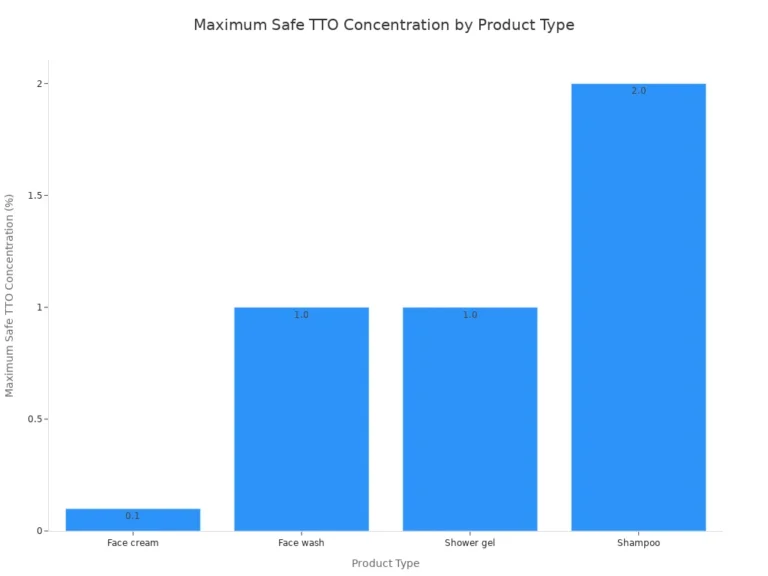
Tea tree oil offers strong antiseptic properties. This makes it a popular choice among home remedies for skin issues. Its antimicrobial and anti-inflammatory actions can help reduce the size and irritation of a sebaceous cyst. Studies show tea tree oil can reduce acne lesions. This demonstrates its effectiveness for skin conditions.
Always dilute tea tree oil before applying it to your skin.
Usage Area | Ratio (Tea Tree Oil : Carrier Oil) |
|---|---|
Face | 1 drop : 1 tsp (5 ml) |
Body | 2–3 drops : 1 tsp (5 ml) |
Mix the tea tree oil with a carrier oil like coconut or jojoba oil. Apply this diluted mixture directly to your cyst with a cotton swab. Do this once or twice a day.
Apple Cider Vinegar
Apple cider vinegar (ACV) is another of the popular home remedies. Its acidic properties can help break down the contents of a sebaceous cyst. ACV also has antiseptic qualities. This may help prevent infection.
To use apple cider vinegar:
Dilute raw apple cider vinegar with an equal part of water.
Apply the diluted solution to your cyst using a cotton ball.
You can secure it with a bandage for a few hours or overnight.
Repeat daily until you see improvement.
Ice Pack Application
An ice pack can help reduce swelling and inflammation associated with a sebaceous cyst. Ice acts as a vasoconstrictor. This means it narrows blood vessels. This action limits the transport of inflammatory chemicals and cells to the affected area. This reduces inflammation.
Follow these steps for ice pack application:
Wrap ice cubes in a clean towel or use a gel ice pack.
Apply the wrapped ice pack to your cyst for up to 10 minutes.
Repeat this three to four times daily.
Avoid prolonged cold application. Too much cold can reduce blood flow and delay healing. It can also cause tissue damage.
These home remedies can help manage symptoms. They may encourage drainage. However, they are not definitive cures. They should not replace professional medical advice for persistent or problematic cysts. Avoid any diy cyst removal attempts.
Natural Support for Cysts
You can also use natural ingredients to support your skin when you have a sebaceous cyst. These options offer soothing and healing properties. They can complement other home remedies.
Aloe Vera Gel
Aloe vera gel is well-known for its anti-inflammatory benefits. It helps calm skin irritation and promotes healing. Applying aloe vera can reduce redness and discomfort around a sebaceous cyst. This plant contains powerful anti-inflammatory compounds. These include polysaccharides and C-glucosyl chromone. These components help soothe your skin.
To use aloe vera:
Apply pure aloe vera gel directly to your cyst.
Gently massage it into the skin.
Repeat this process two to three times daily.
Aloe vera can help your skin heal.
Witch Hazel
Witch hazel has astringent properties. These properties can help dry out a cyst and reduce its size. Witch hazel contains tannins. These compounds tighten and tone your skin. This action can help reduce pore size. It also controls oil production. Astringents like witch hazel work by constricting proteins in skin cells. This creates a “puckering” effect. This helps reduce sebum and makes your skin look smoother. This natural treatment is often used for oily skin.
To apply witch hazel:
Dab a small amount of witch hazel onto a cotton ball.
Apply it directly to the sebaceous cyst.
Do this once or twice a day.
Castor Oil with Heat
Combining castor oil with heat can promote circulation. It may also encourage drainage and healing for a cyst. Castor oil contains ricinoleic acid. This acid has anti-inflammatory properties. Some traditional practices suggest castor oil packs can support lymphatic flow.
They may also reduce fluid accumulation. However, strong scientific evidence for these claims is limited. Most recommendations come from traditional use.
To use castor oil:
Apply castor oil directly to your cyst.
Place a warm compress or heat pack over the area.
Leave it on for 15 to 20 minutes.
Repeat this once daily. This natural treatment can help your skin.
Professional Help for Cyst Removal
Sometimes, home remedies are not enough. You may need professional help to get rid of sebaceous cyst. A doctor can offer effective solutions for sebaceous cysts. These professional treatment options ensure proper care and prevent complications. Never attempt any diy cyst removal. This can lead to infection or scarring.
Consulting a Dermatologist
You should consult a dermatologist if your sebaceous cyst causes problems. Look for specific signs.
Persistent Pain or Tenderness: Your cyst hurts or feels sensitive when you touch it. This could mean infection or other issues.
Signs of Infection: You see redness, warmth, pus, or swelling around the cyst. This needs quick medical help. It stops the infection from spreading.
Rapid Growth or Significant Size: Your cyst grows quickly or becomes very large. A healthcare provider should check it. Fast growth might point to an underlying problem.
Location Causing Discomfort or Interference: Your cyst is in a place that bothers you daily. For example, on your hands, feet, or near joints. Medical treatment can help with this discomfort.
If a cyst is not causing any trouble, you do not need medical treatment. However, a doctor is the most reliable way to remove a cyst.
During your consultation, a dermatologist will diagnose your cyst. They often do this by looking at it. They also ask about your symptoms. They may use other tests:
Physical Exam: A healthcare provider can often diagnose an epidermal inclusion cyst (sebaceous cyst) by looking at it. They also talk about your symptoms.
Radiology or Imaging Tests: These tests help doctors see what is inside the cyst. They also help plan for removal.
Ultrasound: This test checks the contents of the cyst.
CT Scan (Computed Tomography Scan): This scan confirms a large cyst diagnosis. It helps with surgical planning.
Biopsy: This involves taking a small tissue sample from the cyst. Doctors examine it. A sebaceous cyst is primarily diagnosed clinically. Doctors identify it by a lump under your skin. A biopsy can confirm the diagnosis. An ultrasound can also help in some cases.
Steroid Injections
Doctors can treat inflamed sebaceous cysts with steroid injections. This helps reduce swelling and inflammation. They use this for cysts that are inflamed but not infected. The steroid preparation most frequently used is triamcinolone acetonide. This is a type of corticosteroid. It is sometimes called “intralesional triamcinolone.” Shorter-acting corticosteroids like dexamethasone are sometimes used too. This professional treatment helps shrink the cyst.
Incision and Drainage
Incision and drainage is a medical procedure. A healthcare provider performs this to drain a cyst. They recommend it when there is a lot of fluid inside the sebaceous cyst. This procedure is for cysts that are:
Infected.
Very large.
Growing in a sensitive area.
Causing discomfort.
The doctor makes a small cut in the cyst. They then drain its contents. This offers quick relief from pain and pressure. However, this method has some risks:
Bleeding: This can happen for up to a week after the operation. You may need more treatment if it continues.
Infection: You might feel generally unwell, have a fever, or see foul-smelling discharge. This means infection. You may need antibiotics and a longer hospital stay.
Pain: You will feel some pain after the operation. Pain relief and local anesthetic help manage it.
Recurrence: The cyst may come back. You might need more treatment or surgery.
Prolonged wound healing: The healing process can take a long time.
After incision and drainage, you must care for the wound. Gently clean it daily with mild soap and warm water. Use ointment to prevent infection and help healing.
Surgical Excision to Remove a Cyst
Surgical excision is the most effective way to remove a cyst permanently. This method involves removing the entire cyst. Doctors consider complete surgical excision the “gold standard” for cyst removal. It ensures the lowest recurrence rate.
The primary advantage of surgical removal is that it removes the entire cyst, including its wall. Other treatments only address the contents. Eliminating the cyst wall removes the root cause.
This greatly minimizes the chance of recurrence. If only the contents are drained and the cyst wall remains, it can grow back. This is especially true for sebaceous cysts. Their delicate wall can break. This leaves pieces behind that lead to recurrence. Doctors favor excision for long-term results. It effectively stops the cyst from growing back.
After surgical removal, you will have a recovery period.
Initial Recovery (Days 1-3): You will have moderate to high pain and swelling. Keep the area clean and dry. Take prescribed pain medicine. Watch for too much bleeding or severe pain.
Early Healing (Days 4-7): Pain will lessen, and swelling will go down. Continue wound care. Limit your activity. Watch for signs of infection.
Mid Recovery (Days 8-14): You will have minimal pain. Stitches may come out. You can do light normal activities. Keep the incision site protected. Watch for the wound opening or discharge.
Advanced Healing (Weeks 2-4): The scar will be pink or red. It might be raised. You may feel some numbness. Most restrictions are lifted. You can start gentle scar massage if your doctor approves. Watch for keloid or hypertrophic scarring.
Final Healing (Months 1-3): The scar will fade and flatten. Internal healing is almost complete. Apply silicone sheets or gel if recommended. Protect the scar from the sun. Watch for new lumps or recurring symptoms.
You must follow post-operative care instructions. Change dressings as instructed. Clean the wound with mild soap and water. Keep it dry. Watch for signs of infection. These include redness, swelling, warmth, or discharge. Contact your doctor if you see these. Take prescribed medications. Rest and avoid strenuous activities. Attend all follow-up appointments. Do not touch the wound area. Do not soak the wound in water. Do not ignore symptoms.
Antibiotic Treatment
Antibiotics may be necessary for infected sebaceous cysts. Your doctor may prescribe oral or topical antibiotics. These control the infection. They can be used before or after other procedures. This helps clear up the infection. It prepares the area for cyst removal.
Preventing Future Sebaceous Cysts

You can take steps to lower your chances of getting more cysts. Good daily habits and smart choices help keep your skin healthy. These actions can prevent blockages that lead to cysts on the skin.
Good Hygiene
Good hygiene is very important for preventing sebaceous cysts. Poor personal hygiene can cause problems.
Not cleaning your skin regularly or using harsh products can lead to a build-up. Dead skin cells, oil, dirt, and bacteria can block your pores and hair follicles. This blockage increases the chance of a sebaceous cyst forming. Regular, gentle cleansing helps prevent these blockages. Maintaining good skin hygiene and using non-comedogenic products may help reduce your risk.
Here are key hygiene practices:
Gentle Cleansing: Wash your skin twice daily with lukewarm water.
Regular Exfoliation: Exfoliate your skin one to two times each week. Chemical exfoliants are often better than physical scrubs.
Moisturize Appropriately: Use a moisturizer that fits your skin type.
Sun Protection: Apply SPF 30 or higher sunscreen every day.
Avoid Comedogenic Products: Check product labels carefully. These products can clog pores.
You can choose specific products to help. For your face, try CeraVe Acne Foaming Cream Face Cleanser.
For your body, Panoxyl Acne Foaming Wash works well. Paula’s Choice Skin Perfecting 2% BHA Liquid Exfoliant is a good choice for exfoliation. La Roche-Posay Toleriane Double Repair Face Moisturizer can keep your skin hydrated. These products support healthy skin and can help prevent a new cyst.
Dietary Considerations
Your diet can also play a role in skin health. While there is no direct link between specific foods and sebaceous cyst formation, a balanced diet supports overall skin health.
Eating plenty of fruits, vegetables, and whole grains provides your skin with important nutrients. These nutrients help your skin function well. Limiting processed foods, sugary snacks, and excessive dairy may also benefit your skin. A healthy diet can reduce inflammation in your body. This might indirectly help prevent skin issues, including some types of cysts.
You now understand how to get rid of sebaceous cyst. Simple home remedies can manage many sebaceous cysts. They ease discomfort and promote drainage. However, most cysts do not fully disappear without professional treatment. They often reappear. Never try to pop a cyst yourself. Self-removal risks infection, scarring, and recurrence. Always seek professional medical guidance for safe cyst removal.
Choose the best solution for your situation. Combine home care with professional medical options. Prioritize proactive skin health and know when to seek expert professional care for any persistent cyst.