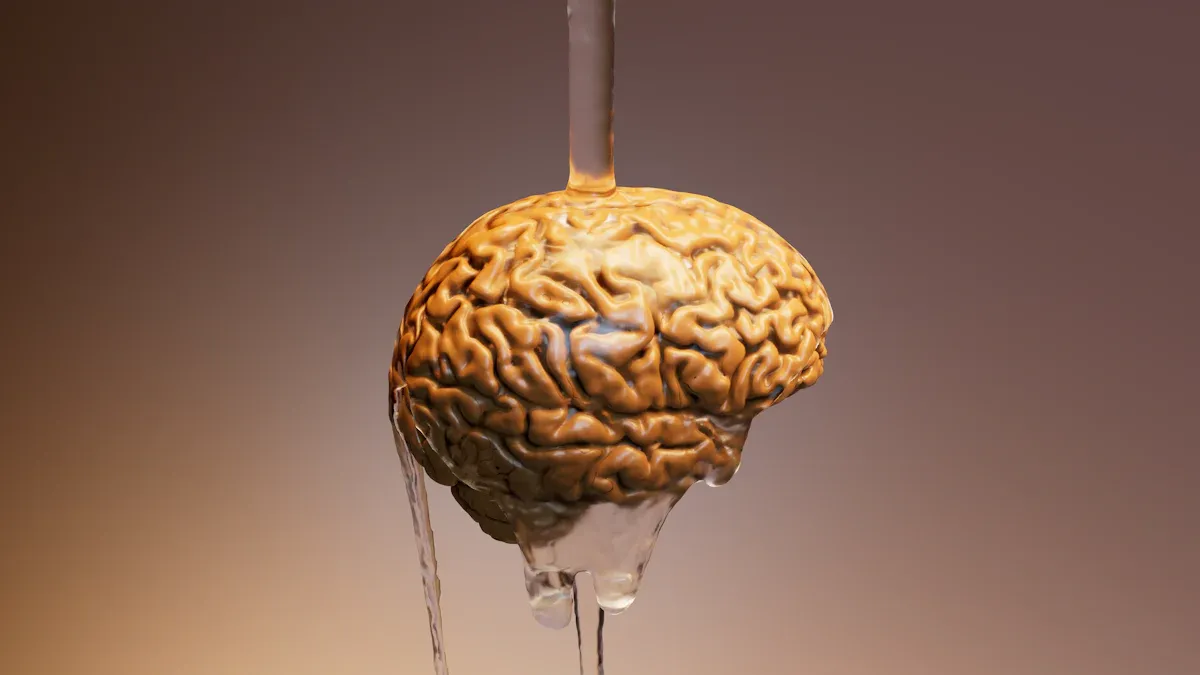
You experience hyperphantasia when your mental imagery is extremely vivid, lifelike, and immersive. It can feel as vivid as reality. This differs greatly from typical imagination. It also stands apart from aphantasia, where individuals cannot form mental images at all. Think of hyperphantasia as a unique cognitive variation, not a disorder. Its definition currently relies on personal self-reports. This extreme imagination offers a unique way to perceive the world.
Key Takeaways
Hyperphantasia means you have a very strong imagination. You can see, hear, and feel things in your mind as if they are real.
This strong imagination helps you be creative. It also helps you remember things better and solve problems.
Sometimes, your imagination can feel too strong. It can make it hard to tell what is real or make you feel overwhelmed.
You can learn to control your imagination. Try focusing on one sense or using special mental exercises.
If your imagination causes problems, you can ask for help. A therapist can teach you ways to manage it.
Understanding Hyperphantasia: The Basics

Defining Hyperphantasia: A Spectrum of Imagination
Hyperphantasia describes an extraordinary capacity for mental imagery. You experience mental images with extreme vividness and detail. This ability allows you to explore your imagination at extreme levels. You form very vivid visual images and sensations within your mind. Researchers note this is a widespread but often overlooked aspect of human experience. This indicates a need for further study. About 3% of people are thought to have hyperphantasia. It sits at one end of a spectrum of mental imagery. Aphantasia, the inability to form mental images, sits at the other end. Most people fall somewhere in the middle. You possess a unique way of processing and recalling information.
Sensory Experiences of Hyperphantasia
Your experience of hyperphantasia goes beyond just seeing things in your mind. It involves all your senses. You can mentally ‘see’ objects with incredible clarity. You might also ‘hear’ sounds, ‘feel’ textures, ‘taste’ flavors, and ‘smell’ odors. These experiences are often described as ‘realer than real’. They can be indistinguishable from actual perception. You can manipulate and explore these mental images with high fidelity.
This means you can change them, move them, or examine them from different angles. You feel a strong sense of presence and immersion within your mental simulations. This makes your inner world incredibly rich and detailed. You can visualise complex scenes and scenarios as if they are happening right in front of you.
Hyperphantasia: Superpower or Challenge
Living with hyperphantasia presents both remarkable advantages and unique difficulties. Many consider it a superpower. You gain enhanced creativity. This boosts your ability to generate and manipulate vivid mental images. This is very helpful for artistic endeavors like painting, writing, or composing. You also experience improved memory. You can visualise details and events with great clarity. This strengthens both your short-term and long-term memory. Your ability to visualise various scenarios helps you solve problems effectively. You can mentally picture solutions and make better decisions.
Tip: Your rich visual imaginations can make learning easier. You can visualise complex ideas and information. This helps you understand and retain knowledge.
You might find it easier to remember historical events, scientific principles, or mathematical formulas. The ability to visualize also helps you manage emotions. You can imagine calming or positive scenes. This helps you cope with stress, anxiety, or negative feelings. Your vibrant imagination provides entertainment, inspiration, and fulfillment.
However, this extreme vividness can also bring challenges. You might experience overstimulation. It can sometimes blur the lines between what is real and what you imagine. This dual nature means you must learn to manage your extraordinary ability.
The Science Behind Hyperphantasia

Neurological Correlates and Brain Regions
Scientists are actively studying the brain to understand hyperphantasia. You might wonder what happens in your brain when you visualise so vividly. Researchers use fMRI studies to observe brain activity. These studies show increased activity in specific brain regions.
The visual cortex, responsible for processing visual information, often shows heightened engagement. Your prefrontal cortex, involved in attention and control, also plays a role. This suggests your brain actively constructs and manipulates these detailed mental images. Scientists aim to understand how these brain areas work together. This research helps explain your extreme imagination. It also sheds light on creativity and certain mental disorders.
Genetic and Developmental Influences
The exact causes of this vivid imagery remain a subject of ongoing research. You might have inherited a predisposition for this unique mental ability. Some theories suggest a genetic component. Your brain development during childhood could also play a significant role.
Early experiences and learning patterns might shape how your brain forms mental imagery. Scientists are exploring if specific genes or developmental pathways contribute to your ability to visualise. This area of study is still new. More research will reveal clearer connections.
Links to Other Cognitive Traits
This extreme mental imagery does not exist in isolation. It often links to other cognitive traits you possess. Your exceptional ability to form vivid mental pictures strongly connects to enhanced creativity. Many artists, writers, and innovators report vivid mental imagery.
This allows them to generate novel ideas and detailed scenarios. You might also find connections to superior memory. Your ability to mentally re-experience events in detail can strengthen recall. Researchers are investigating these links. They want to understand the full spectrum of cognitive abilities associated with your powerful mind.
Living with Hyperphantasia: Benefits and Challenges
Living with hyperphantasia means your inner world is incredibly vivid. This extreme imagination can greatly enhance your daily life. It can also present unique difficulties. Your mental imagery is often nearly as real as reality. This impacts how you learn, remember, and interact with the world.
Advantages: Creativity, Memory, Problem-Solving
Your vivid mental imagery offers many benefits. You often experience enhanced creativity. You can generate and manipulate detailed mental images with ease. This ability to visualize helps you in artistic fields. Painters, writers, and musicians often find their rich visual imaginations fuel their work. You can mentally construct entire worlds or complex scenes. This makes creative expression more fluid and detailed.
Your memory also benefits from this vividness. You do not just recall facts. You often relive past events as high-definition movies. These mental replays come complete with sensory details. You experience colors, textures, and movement. Memory recall becomes a fully reconstructed scene.
You can mentally navigate detailed environments from your past. Think of your childhood home, with all its visual specifics. This strong ability to visualize strengthens your memory for both recent and distant events. You can also use your powerful imagination to solve problems. You can mentally simulate different scenarios. This helps you explore solutions and make better decisions.
Difficulties: Overstimulation and Reality Blurring
While powerful, your extreme imagination can also bring challenges. You might experience overstimulation. Your mind constantly generates vivid images, sounds, and sensations. This can feel overwhelming. It can be hard to quiet your mind. The line between what is real and what you imagine can sometimes blur. Your mental images are so lifelike.
You might occasionally confuse a vivid memory with an actual event. This intense vividness can amplify emotions. Simple worries can transform into elaborate mental scenarios. Imagined threats can feel very real. This makes managing stress or anxiety more complex.
Personal Experiences with Hyperphantasia
Many people share unique experiences due to their hyperphantasia. You might find certain media difficult to consume. One person cannot watch horror or graphic violence. Their imagination makes scary images appear in front of them. They can even feel injuries on screen happening to their body. This occurs even with minimal pain. Another individual constantly experiences a bombardment of images, sounds, conversations, and emotions. They note how this affects their mood, especially with an ADHD diagnosis.
Some describe their visual and auditory hyperphantasia as “sounds, but on 20 cups of coffee.” This often pairs with ADHD. Parents observe their children’s struggles. One parent noted their 15-year-old daughter’s anxiety and difficulty sleeping without white noise. They attribute this to heightened auditory hyperphantasia. You might have been able to vividly imagine things since childhood. Some can replay entire TV shows or movies with audio in their mind. They can build anything in 3D in their mind as if it were real, similar to AutoCAD.
However, this vividness can also create disconnects. An individual with extreme hyperphantasia felt disconnected from their aphantasiac partner. The partner could not recall shared memories or engage in hypothetical discussions. This made the hyperphantasiac feel their experiences held no emotional importance to their partner.
A 78-year-old individual over-reacts to many songs. They can imagine any scene described. They read hundreds of sci-fi/fantasy novels annually. They have added imaginary details to their environment since childhood. They also note their sense of smell and taste are overly sensitive. Someone with a strong imagination learned to lucid dream to escape vivid nightmares as a child. They describe their imagination as having “HD vision,” sometimes more detailed than real life. Yet, they still frequently experience vivid night terrors.
Managing and Harnessing Extreme Imagination
Living with hyperphantasia means you have a unique mental landscape. You can learn to manage its complexities. You can also leverage its strengths.
Strategies for Overcoming Challenges
You experience intense mental imagery. This can sometimes feel overwhelming. You can manage overstimulation effectively. Try mindfulness exercises. These help you focus on the present moment. Grounding techniques also help. You can focus on your breath. You can also notice physical sensations around you. This helps anchor you to reality.
Set clear boundaries for your mental activities. Schedule specific times for creative visualization. This prevents constant mental activity. You can also practice mental “off” switches. Imagine turning down the volume on your inner world. This helps you find quiet moments.
Cultivating and Directing Imagination
You possess a powerful imagination. You can learn to direct it productively. Try “Observational Imagery.” This involves immersing yourself in a single sense. You might focus on the taste of your mug’s contents. You can also observe athletes. You instinctively absorb their movements and sensations. This practice helps you engage other senses.
It benefits those who struggle with visual imagination. Another technique is PETTLEP. This layers elements for a multisensory experience. You can imagine yourself as a golfer. Feel your stance. Grip the club. Swing it. Experience the ball’s flight. This highly researched imagery technique promotes mastery and excellence in sports.
Functional Imagery Training (FIT) also helps. This dynamic approach combines motivational interviewing with imagery training. It ignites change rooted in intrinsic motivation. You dissect your goals. You uncover your values. You bridge imagery to behaviors. You can effectively visualise achieving it. You can also visualise overcoming obstacles.
When to Seek Professional Help
Your vivid inner world is usually a gift. Sometimes, it can become difficult. You might struggle to distinguish reality from your mental images. This can cause distress. You might experience persistent anxiety. You might also have difficulty functioning daily.
These are clear signs to seek professional help. A therapist can provide strategies. They help you manage your experiences. They can also help you maintain mental well-being. They offer tools for navigating your unique cognitive landscape. They can guide you in harnessing your abilities.
Hyperphantasia is a fascinating cognitive trait. You experience extremely vivid mental imagery. This ability offers profound gifts, like enhanced creativity and memory. Yet, it also presents challenges, such as overstimulation or blurring reality. Understanding your extreme imagination helps you navigate its complexities. Actively engaging with it can lead to a richer, more fulfilling life. Embrace your mind’s unique power. Celebrate the full spectrum of human cognitive experiences.