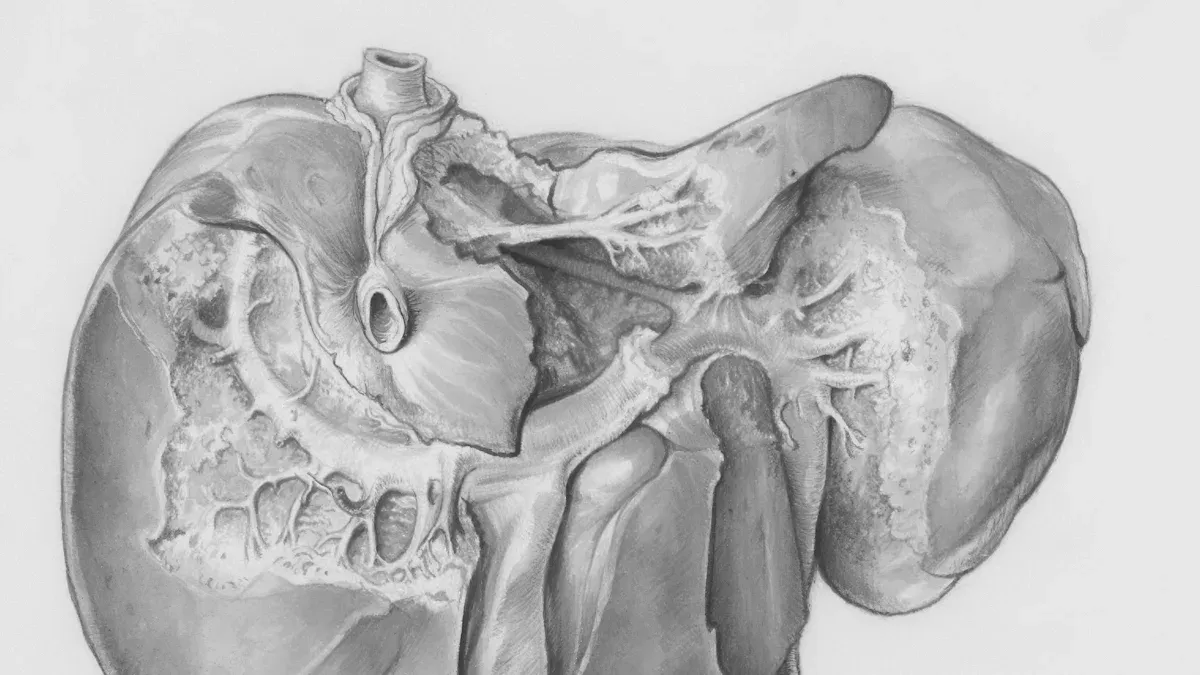
A lipoma is a common, benign fatty growth. It forms just under the skin. This soft, movable lump consists of fat cells. A lipoma is generally harmless and grows slowly. These growths are quite common; they affect approximately 2% of the general population. This makes a lipoma the most frequent type of soft tissue tumor. It accounts for about half of all benign soft tissue tumors.
Key Takeaways
A lipoma is a common, soft, fatty lump under the skin. It is not cancer and usually does not cause harm.
Most lipomas are painless and move easily. See a doctor if a lipoma grows fast, hurts, or changes how it feels.
Doctors can often tell if a lump is a lipoma by feeling it. Sometimes, they use imaging tests or a biopsy to be sure.
You do not always need to treat a lipoma. Doctors may remove it if it causes pain, grows large, or bothers you.
Lipomas can sometimes grow back after removal. However, this does not happen very often.
What is a Lipoma?
Defining This Common Lump
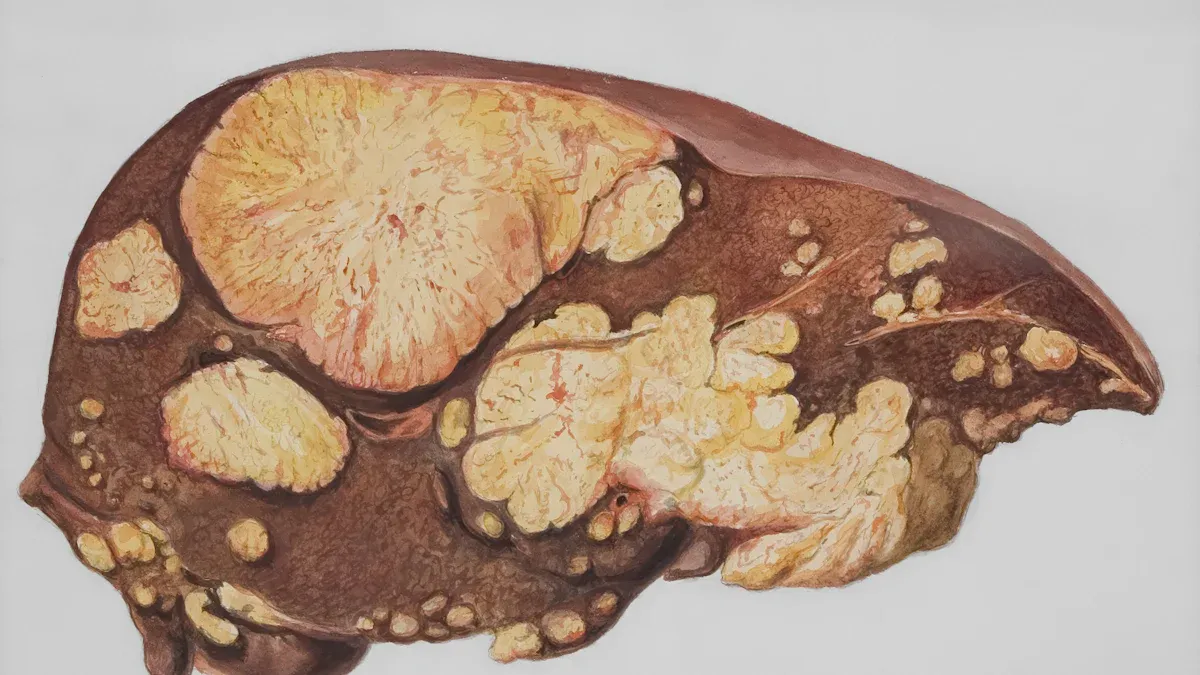
A lipoma is a common, benign growth. It consists primarily of fat. This round or oval-shaped lump of fatty tissue forms just beneath the skin. Doctors define a lipoma as a benign, slow-growing fatty tumor. It develops between the skin and the underlying muscle layer.
This growth is an overgrowth of fat cells. It is generally soft, painless, and movable under the skin. A lipoma is a type of benign soft tissue tumors. This means it is not cancerous and typically harmless.
Key Characteristics of Lipomas
Lipomas have distinct physical traits. They are usually soft to the touch. However, their consistency can vary if they contain more fibrous tissue. A lipoma may feel firmer and more spherical when a nearby muscle contracts. They are typically not tender, but some cases can cause tenderness. Doctors find lipomas are generally freely movable. They are not fixed to bone or skin. Some lipomas that grow within muscles might show reduced mobility.
Common Locations for Lipomas
Lipomas can appear in many body areas. They most often develop in superficial or subcutaneous locations. These include the upper back, thighs, buttocks, shoulders, and arms. Deep lesions can also occur. These are affixed to surrounding muscle. They are also common in the thighs, shoulders, and arms.
Lipoma Symptoms: Identifying a Lump Under Skin

Lipomas are generally harmless, but recognizing their typical features helps distinguish them from other skin growths. Understanding these characteristics can provide peace of mind. It also helps people know when to seek medical advice.
How to Recognize a Lipoma
People often discover a lipoma as a soft, movable lump under skin. This lump usually feels rubbery to the touch. It moves easily when someone pushes it with a finger. A lipoma is not hard like a bone or a stone.
It typically has a well-defined shape, often appearing oval or round. Doctors describe it as dome-shaped or egg-shaped. The overlying skin usually looks normal; it does not show discoloration or other changes.
A key characteristic of a lipoma is its “slipping sign.” This means the lump slips out from under the fingers when someone gently slides them across it. Lipomas grow slowly. They usually measure between 2 and 5 centimeters in diameter. Some can grow much larger, exceeding 10 centimeters; doctors call these “giant lipomas.” Most lipomas are painless. They are not attached to the overlying skin or the structures underneath. This makes them distinct from other types of growths.
When Lipomas Cause Pain or Discomfort
Most lipomas do not cause pain. However, some situations can lead to discomfort or pain. A lipoma might press on nearby nerves. This pressure can cause a dull ache or tenderness. If a lipoma grows near a joint, it can restrict movement. This restriction can lead to discomfort during daily activities. Sometimes, a lipoma can become inflamed. This inflammation makes the area tender and painful. These are some of the symptoms that can make a lipoma bothersome.
When to Consult a Doctor
While most lipomas are benign, certain symptoms warrant a visit to a doctor. People should consult a doctor if they notice any rapid growth in the size of a lipoma. A change in its texture, such as becoming hard or immovable, also requires medical attention. Pain or tenderness in the lipoma is another important sign. If the lump restricts movement, especially near joints or nerves, a doctor should evaluate it.
Other concerning changes include the lipoma becoming red or hot. Visible changes in the overlying skin, like discoloration or ulceration, also signal a need for professional advice. If someone feels uncertain about the nature of a lump, they should always seek a medical opinion. These are situations when to see a doctor to ensure an accurate diagnosis and appropriate management.
Causes of Lipomas
Doctors do not always know the exact causes of lipomas. However, several factors can increase a person’s risk of developing these fatty lumps. These factors range from genetics to certain medical conditions and even physical trauma.
Genetic Factors and Family History
Genetics play a significant role in the development of lipomas for some individuals. People with a family history of lipomas often have a higher chance of getting them. This suggests a genetic predisposition. Several genetic syndromes also include lipomas as a symptom.
For example, Bannayan-Riley-Ruvalcaba syndrome can cause multiple subcutaneous lipomas. Familial Multiple Lipomatosis (FML) is another inherited condition. It leads to many lipomas on the body and limbs. Other conditions like Neurofibromatosis type 1 (NF1) and Multiple Endocrine Neoplasia type 1 (MEN 1) also show an increased occurrence of lipomas.
Associated Conditions and Risk Factors
Certain medical conditions are linked to an increased risk of lipoma formation. Adiposis dolorosa, also known as Dercum’s disease, involves painful fatty tissue and multiple lipomas. Cowden syndrome and Gardner’s syndrome are other rare disorders. They also feature lipomas among their symptoms. Furthermore, components of metabolic syndrome, such as obesity, diabetes, and high blood pressure, correlate with more frequent lipoma occurrences. Mitochondrial disorders can also be among the causes of lipomas.
Trauma and Lipoma Development
Some research suggests a link between physical trauma and lipoma development. One theory proposes that blunt soft tissue trauma can cause fat cells to prolapse, forming a pseudolipoma.
Another idea is that injury releases certain chemicals. These chemicals then stimulate the growth of new fat cells. This leads to a lipoma. Studies have observed lipoma formation several months after blunt trauma. For instance, some patients developed lipomas after experiencing extensive bruising and fat necrosis. This indicates trauma can be one of the causes.
Idiopathic Lipomas: Unknown Origins
Despite research into genetic, medical, and traumatic causes, many lipomas appear without any clear reason. Doctors call these “idiopathic” lipomas. This means their origin remains unknown. They simply form spontaneously. This highlights that while many factors can contribute, sometimes a lipoma just develops without an identifiable trigger.
Diagnosing Lipomas
Doctors often begin diagnosing lipomas with a simple physical check. They look for specific features to tell a lipoma from other lumps. This process helps determine the best next steps.
Clinical Examination
A doctor typically starts by feeling the lump. They check its size, shape, and how it moves under the skin. A classic lipoma feels soft and rubbery. It moves easily when pressed. The skin over a lipoma usually looks normal. It does not show redness or other changes. This physical exam often provides enough information for a doctor to suspect a lipoma.
Imaging for Confirmation
Sometimes, a doctor needs more information. They may order imaging tests. These tests help confirm the diagnosis. They also rule out other conditions. Ultrasound is a common imaging tool. It uses sound waves to create pictures of the lump. On an ultrasound, a lipoma typically appears as:
Well-defined, oval or round masses with a distinct capsule.
Homogeneous, hyperechoic (bright) appearance due to high fat content.
Acoustic enhancement, causing increased sound wave transmission and a bright appearance behind the mass.
Lack of vascularity (avascular), confirmable with Doppler ultrasound.
Mobility, appearing to move freely under the skin during examination.
Doctors might use an MRI (Magnetic Resonance Imaging) for deeper or larger lumps. MRI provides detailed images of soft tissues. It clearly shows the fatty nature of the lump.
Biopsy: When It’s Needed
Most of the time, a doctor does not need a biopsy to diagnose a lipoma. However, they may recommend one if the lump has unusual features. For example, if it grows quickly, feels hard, or causes pain, a biopsy might be necessary. You should see a fine needle aspiration specialist for examination if you have fat deposits under the skin or fatty lumps that concern you. This examination can help determine if treatment options like lipoma removal are necessary.
While lipomas typically do not require removal unless they cause pain or discomfort, understanding symptoms helps patients recognize when to seek medical advice. Rarely, painful lipomas might be associated with conditions such as Dercum’s disease. A biopsy involves taking a small tissue sample from the lump. A pathologist then examines this sample under a microscope. This confirms the diagnosis and rules out any cancerous cells.
Treatment Options for Lipoma
Doctors offer several ways to manage a lipoma. The best approach depends on the lipoma’s size, location, and whether it causes problems. Not every lipoma needs treatment.
When Treatment is Recommended
Doctors often recommend treatment for a lipoma in specific situations. It is important to have doctors examine lipomas. They can sometimes look like a rare type of cancerous growth called a liposarcoma. A dermatologist might suggest surgical removal of a lipoma when the lump keeps growing. Pain is another reason for removal.
If the lipoma sits beneath deeper tissue, doctors may recommend treatment. Changes in appearance or changes in shape or size also prompt a recommendation for removal.
Cosmetic concerns can also lead to treatment. If the lipoma is visible or makes someone feel self-conscious, they might want it removed. Discomfort is another factor. A lipoma can grow large enough to press on nerves or muscles. This pressure can cause pain or discomfort. In these cases, surgical removal may be necessary to relieve the symptoms. Rapid growth is also a concern. Lipomas usually grow slowly. Any sudden or fast growth needs evaluation by a healthcare professional. Rapid growth can sometimes point to a more serious condition that requires treatment. These are the main reasons doctors consider various treatment options for lipoma.
Surgical Lipoma Removal Procedure
Surgical excision is a common and effective way to remove a lipoma. This lipoma removal procedure involves several steps.
Preparation:
Doctors review a patient’s medical history and perform a physical exam.
Patients might need blood work or imaging tests.
Patients must tell their doctor about any allergies to medications, anesthesia, or latex.
They also inform the doctor about current medications, supplements, or health conditions.
Patients may need to stop certain medications, like blood thinners, for a set time.
They should avoid eating or drinking for at least six hours before surgery.
Someone should drive the patient home after the procedure.
Patients sign a consent form after understanding the procedure’s benefits and risks.
Procedure:
The patient lies on the procedure table.
The medical team cleans the area and injects a local anesthetic to numb the skin.
The surgeon makes an incision. Its length depends on the lipoma’s size.
The surgeon then removes the lipoma.
The surgeon sutures the wound in a fine line to create a less noticeable scar.
Sutures can be absorbable or require removal 7 to 10 days after surgery.
Postoperative Care and Recovery:
Patients go to a recovery area for observation. They go home once their vital signs are stable.
Doctors provide medications to manage pain, swelling, bleeding, or bruising.
Patients receive instructions on how to care for the surgical site. They learn how to keep the wound clean and dry.
Patients should contact the surgeon immediately for redness, increased pain, swelling, persistent bleeding, or discharge.
They should avoid shaving the beard area until it heals, if applicable.
Patients should not use makeup at the operation site until the wound heals.
They should avoid clothes that might rub on the suture line.
Patients should not smoke for a set period to help healing.
They can resume normal daily activities in a few weeks, with some limits.
Patients attend a follow-up appointment to check their progress.
Surgical excision of lipomas generally has high success rates. Serious complications are very few. Studies show no complications or recurrence of the lipoma in many patients years after surgery.
Early fluid buildup can happen but usually resolves with aspiration. The local recurrence rate of lipomas after surgical excision is low, about 1-2%. This usually happens if the entire lipoma and its fibrous sac are not completely removed. New lipomas can still develop in other places even after successful removal of one. These lipoma removal procedures are very effective.
Monitoring at Home
People can easily monitor their lipomas at home. They should regularly check the lump for any changes. Look for increases in size or changes in shape. Also, notice if the lipoma becomes painful or tender. A lipoma should remain soft and movable. If it becomes hard or fixed, a doctor should examine it. Keeping track of these characteristics helps individuals know when to seek medical advice.
Understanding Recurrence
A lipoma can sometimes return even after removal. The recurrence rate depends on the type of lipoma and how completely doctors remove it.
Lipoma Type | Recurrence Rate | Key Factors |
|---|---|---|
Standard lipomas | 1-2% | Complete removal from root |
Multiple lipomas | Up to 5% | Genetic predisposition |
Intramuscular lipomas | 2.9% at 5 years | Deeper location, surgical complexity |
Atypical lipomatous tumors | 17% | Higher malignant potential |
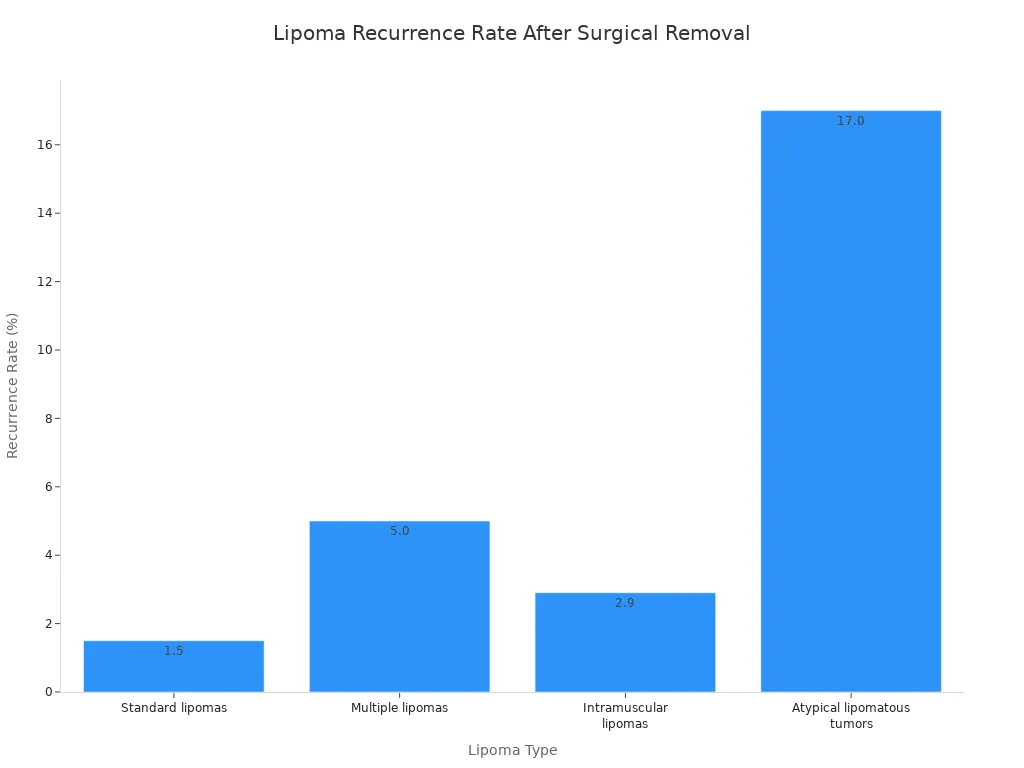
The recurrence rate of lipomas after surgical removal is generally low. This is especially true when surgeons completely remove the growth. Standard lipomas have a 1-2% recurrence rate. This rate can rise to 5% for individuals with multiple lipomas. Intramuscular lipomas show a 2.9% recurrence rate after five years. Atypical lipomatous tumors have a higher recurrence rate of 17%. Complete surgical removal is the most crucial factor in preventing recurrence.
Debunking Lipoma Myths
Many myths surround lipomas. People often believe false information about these common lumps.
Myth: Turmeric can shrink lipomas.
Reality: No scientific evidence shows that turmeric or its active ingredient, curcumin, can dissolve fat cells or treat lipomas.
Myth: Apple Cider Vinegar (ACV) can dissolve lipomas.
Reality: No scientific proof supports ACV’s ability to reduce fat lumps. Topical use may even cause burns or irritation.
Myth: Essential oils (e.g., frankincense, tea tree, castor oil) can break down lipomas.
Reality: Essential oils do not break down fat cells. No medical research confirms their effectiveness for shrinking lipomas.
Myth: Massaging a lipoma can make it disappear.
Reality: Lipomas have a thick covering. Massage will not break them down. Excessive pressure can cause pain or bruising.
Myth: Diet and exercise can remove lipomas.
Reality: Lipomas are abnormal fat cells. They do not respond to weight loss. They maintain their size even if a person loses overall body fat.
Myth: Lipomas Always Turn into Cancer.
Fact: Lipomas are benign. They do not develop into cancer. Doctors should assess changes in size, form, or pain to rule out rare conditions like liposarcoma.
Myth: Lipomas Are Caused by Poor Lifestyle Choices.
Fact: Lifestyle choices do not cause lipomas. Genetics play a role. Some individuals inherit conditions like multiple familial lipomatosis.
Myth: All Lipomas Must Be Removed.
Fact: Most lipomas do not require removal. Surgery is typically considered only if they are painful, rapidly growing, or cosmetically concerning.
Myth: Lipomas Are Contagious.
Fact: Lipomas are not contagious. They are non-infectious, non-transmissible growths. They develop due to biological or genetic factors.
Lipomas are typically benign, common, and usually harmless fatty growths. They rarely cause serious health issues. However, professional medical evaluation is important for any new or changing lump. This ensures accurate diagnosis and appropriate management. Always consult a healthcare provider for personalized advice and peace of mind regarding any skin concerns.
FAQ
What is the difference between a lipoma and a cyst?
A lipoma is a benign growth of fatty tissue. It feels soft and movable under the skin. A cyst is a sac-like pocket. It contains fluid, air, or other substances. Cysts can feel firmer and may sometimes become infected. Doctors diagnose them differently.
Can a lipoma grow back after removal?
A lipoma can sometimes grow back. This happens if surgeons do not remove all the fatty cells. The recurrence rate is low for standard lipomas. However, some types, like intramuscular lipomas, have a slightly higher chance of returning.
Are lipomas dangerous?
No, lipomas are generally not dangerous. They are benign tumors. This means they are not cancerous. They do not spread to other parts of the body. Doctors usually consider them harmless. However, they can cause discomfort if they press on nerves.
What causes a lipoma to form?
Doctors do not always know the exact cause. Genetics can play a role. Some people inherit a tendency to develop them. Trauma or certain medical conditions may also contribute. Many lipomas appear without any clear reason.