

Your body relies on special white blood cells called lymphocytes. These cells are critical components of your immune system, actively fighting off infections and diseases. Sometimes, you may experience a condition known as lymphocytopenia, or lymphopenia, where you have low lymphocytes.
This means your vital immune cells are at a lower-than-normal level. Understanding the causes of this condition is important. It can increase your risk of infection. Learning about its dangers and relief options is the first step toward managing your health.
Key Takeaways
Low lymphocytes mean your body has fewer immune cells. This makes you more likely to get sick.
Many things can cause low lymphocytes. These include infections, some medicines, and poor nutrition.
Low lymphocytes increase your risk of infections. You might get sick more often or have serious illnesses.
Doctors find low lymphocytes with blood tests. They look at your complete blood count.
Treating the cause of low lymphocytes helps. Eating well and living healthy also supports your immune system.
Understanding Lymphocytes: Role in Immunity
What Are Lymphocytes
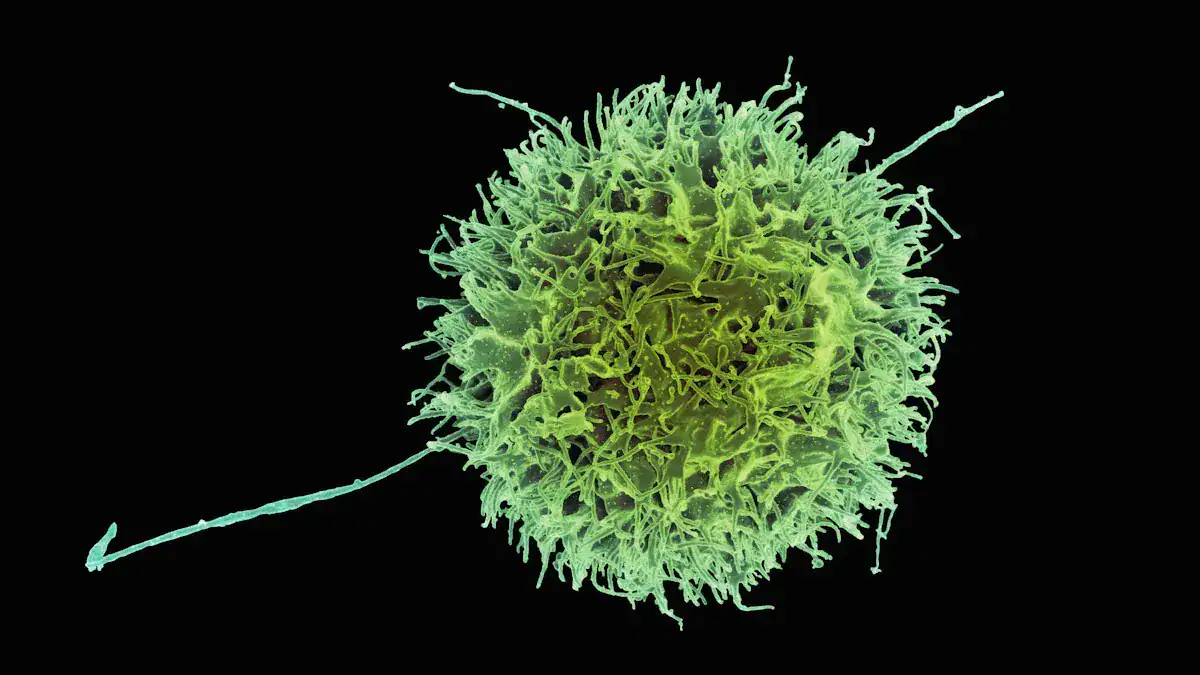
Lymphocytes are special white blood cells. Your bone marrow produces these cells. They regulate your immune system. You find them in your blood, lymph nodes, spleen, and tonsils. These cells include B cells, T cells, and natural killer (NK) cells. Their main job is to recognize and respond to infectious pathogens. These pathogens include bacteria and viruses.
Lymphocytes help create an immune response. This response eliminates harmful cells. They can also fight cancer. Some lymphocytes act as your immune system’s memory. They recognize pathogens you met before. This allows a rapid response. This is why vaccines work.
Types and Functions of Immune Cells
You have three major types of lymphocytes. These are T cells, B cells, and natural killer (NK) cells. T cells and B cells are key parts of your adaptive immune response. B cells defend against pathogens outside your cells. They do this by producing antibodies. T cells manage your immune response. They also eliminate pathogens inside your cells.
B lymphocytes (B cells): These cells are part of your humoral immunity. They produce antibodies. Antibodies are proteins that target viruses, bacteria, and other foreign invaders. Some B cells become memory cells. Others become plasma cells. Plasma cells produce specific antibodies.
T lymphocytes (T cells): These cells are part of your cell-mediated immunity. They control your body’s immune response. They directly attack and kill infected cells and tumor cells.
Cytotoxic (killer) T cells: These attach to antigens on infected or abnormal cells. Then, they kill them.
Helper T cells: These assist other immune cells. They help B cells make antibodies. They also activate cytotoxic T cells.
Regulatory (suppressor) T cells: These produce substances. These substances help end your immune system’s response. They prevent harmful reactions.
Natural Killer (NK) cells: These are important for your innate immunity. They recognize and destroy infected or cancerous cells.
These different lymphocytes work together. They protect you from many threats.
Defining Low Lymphocytes (Lymphopenia)
What is Lymphopenia
You have lymphopenia when your body has a lower-than-normal level of lymphocytes. This condition is also known as lymphocytopenia. Doctors define this condition clinically. For adults, you have lymphopenia if you have fewer than 1,000 lymphocytes per microliter of blood.
For children under 2 years old, this number is fewer than 3,000 lymphocytes per microliter of blood. This low count means your immune system may not protect you as effectively.
Normal vs. Low Lymphocyte Counts
Your lymphocyte count varies. Normal ranges exist for different age groups. For adults, a normal lymphocyte count typically falls between 1,000 and 4,800 lymphocytes per microliter of blood.
Children have higher normal counts. For example, children often have 3,000–9,500 lymphocytes per microliter. A count below these normal ranges indicates lymphopenia or lymphocytopenia. The specific number that is considered low depends on your age.
When Low Counts Become Concerning
A low lymphocyte count can become concerning. Doctors may diagnose lymphopenia if you have fewer than 1,500 lymphocytes per microliter. However, the real risk of infection significantly increases when your count drops below 500 per microliter.
The World Health Organization (WHO) classifies very low counts, like below 200 per mm^3, as severe. These very low levels increase your risk for serious infections and other health issues. A count below 1,000 per microliter may indicate a mild infection, but it also signals an increased risk for more serious problems.
Common Causes of Low Lymphocytes
Low lymphocyte counts can stem from many factors. These causes range from temporary issues to more serious underlying conditions. Understanding these factors helps you understand what affects your immune system.
Infections and Their Impact
Many infections can lead to lymphopenia. Viruses like HIV, rubeola, polioviruses, and varicella-zoster can infect your lymphocytes. This destroys them or temporarily drops their production. HIV-1 and HIV-2 infections specifically destroy CD4+ lymphocytes, which can lead to AIDS.
Widespread infections, such as tuberculosis and malaria, also cause lymphopenia. Acute bacterial infections, Rickettsia, and Ehrlichia can also result in low lymphocyte counts. You often see transient lymphopenia during common viral illnesses.
Autoimmune Conditions
Autoimmune disorders can lead to chronic lymphocytopenia. Your immune system mistakenly attacks your own healthy cells in these conditions. Examples include systemic lupus erythematosus (lupus), rheumatoid arthritis, and myasthenia gravis. These conditions can keep your lymphocyte levels low over time.
Medication-Induced Lymphocytopenia
Some medications lower your lymphocyte count. These often include drugs that suppress the immune system, like corticosteroids. Chemotherapy drugs for cancer also commonly cause lymphocytopenia.
Cancer and Treatment Effects
Cancer and its treatments significantly impact your lymphocyte levels. Advanced cancers like carcinomas, sarcomas, and lymphomas often lead to severe lymphopenia.
Treatments like systemic anti-cancer therapy (SACT), radiation, and chemotherapy can also drop lymphocytes. For example, chemotherapy for colorectal cancer can cause pre-treatment lymphopenia. This affects your survival. Immune-checkpoint inhibitors (ICPi) used in various cancers can also cause lymphocytopenia.
Nutritional Deficiencies
Poor nutrition is a significant risk factor for low lymphocyte counts. Your body needs proper nutrients to make enough lymphocytes. Deficiencies in protein, iron, zinc, and selenium can weaken your immune response.
Malnutrition, especially protein lack, directly reduces lymphocyte production. This leads to low lymphocyte counts.
Genetic Predispositions
Some people are born with genetic conditions that make them prone to lymphocytopenia. These conditions affect how your body produces or maintains lymphocytes. Examples include Severe Combined Immunodeficiency (SCID), Wiskott-Aldrich syndrome, and Ataxia Telangiectasia. Mutations in genes like GATA2 can also cause lymphopenia.
Other Medical Conditions
Other medical issues can also contribute to low lymphocyte levels. These might include kidney disease or certain blood disorders. Your doctor will look at your overall health to find the specific causes of lymphopenia.
Dangers and Symptoms of Low Lymphocytes
When you have low lymphocytes, your body’s ability to fight off illness weakens. This condition, known as lymphopenia or lymphocytopenia, leaves you vulnerable. You face a higher risk of various health problems. Understanding these dangers helps you recognize when to seek medical help.
Increased Risk of Infection
Your immune system relies on lymphocytes to protect you. When you have low lymphocytes, your body struggles to defend against invaders. This significantly increases your risk of infections. For example, individuals with lymphopenia, defined as blood lymphocytes below 1.1 × 10^9/l, have a 1.4-fold increased risk of hospitalization with infection. They also face a 1.7-fold increased risk of infection-related death.
The risk of infection increases sharply when your lymphocyte count drops below 1.4 x 10^9/l. If your count is as low as 0.1 x 10^9/l, your risk for any infection more than doubles.
Lymphocyte Count (x 10^9/l) | Multivariable Adjusted Hazard Ratio for Any Infection |
|---|---|
0.1 | 2.16 |
Below 1.4 | Increases sharply |
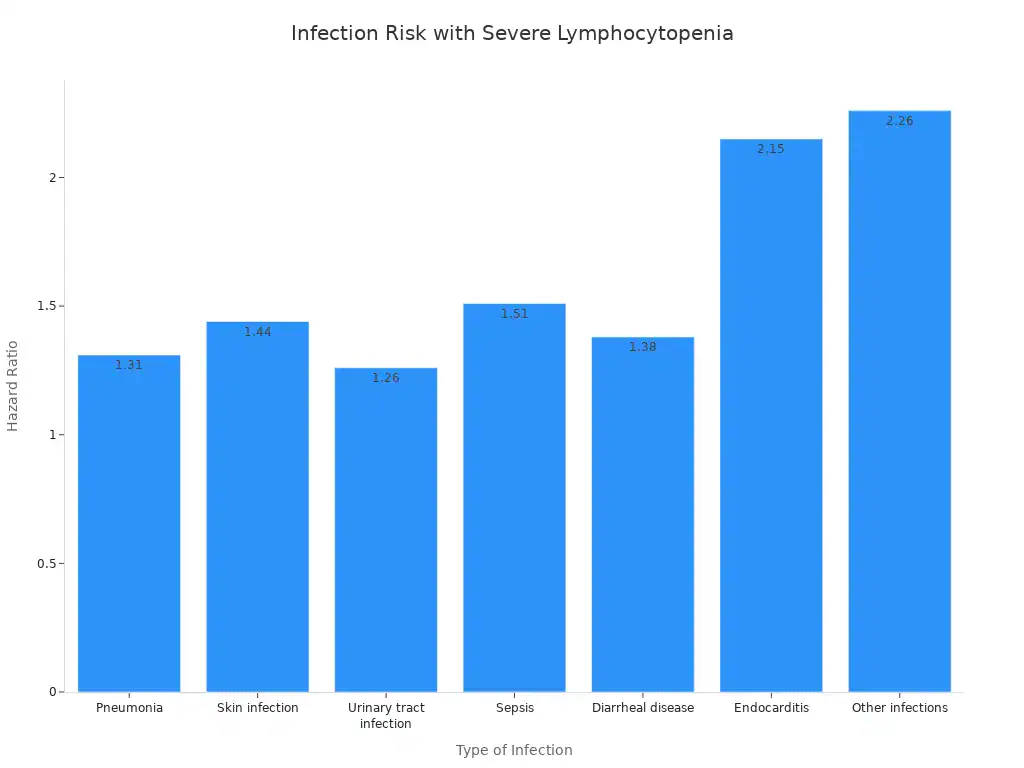
You also face higher risks for specific types of infections.
Type of Infection | Multivariable Adjusted Hazard Ratio (95% CI) |
|---|---|
Pneumonia | 1.31 (1.14–1.52) |
Skin infection | 1.44 (1.15–1.79) |
Urinary tract infection | 1.26 (1.02–1.56) |
Sepsis | 1.51 (1.21–1.89) |
Diarrheal disease | 1.38 (1.01–1.88) |
Endocarditis | 2.15 (1.16–3.98) |
Other infections | 2.26 (1.21–4.24) |
Recognizing Common Symptoms
You might not notice any symptoms of lymphopenia at first. Often, the symptoms you experience relate to the underlying cause of your low lymphocyte count. They can also come from the infections you get because your immune system is weak. You should watch for these common symptoms of lymphopenia:
Frequent infections, such as colds or pneumonia.
Unusual infections. Microbes, fungi, or parasites cause these. They rarely cause problems for people with healthy immune systems.
Long-lasting infections, such as tuberculosis.
Missing or abnormal tonsils.
Swollen lymph nodes.
Skin conditions and abnormalities. These include alopecia (sudden hair loss), eczema (long-term itchy, red skin), pyoderma (bumps on skin that turn into swollen, open sores), pale skin, jaundice (yellowing of the skin and eyes), small bruises, and sores in the mouth.
Failure to thrive (in children).
A spleen that is larger than normal. Your healthcare provider can feel this during an exam.
Potential Complications
Prolonged lymphocytopenia can lead to severe complications. Your body’s weakened immune response makes you susceptible to serious health issues.
Lymphopenia in the general population is associated with a 1.4-fold increased risk of infection.
It also increases the risk of hospitalization due to acute infections. These include pneumonia, skin infection, urinary tract infection, sepsis, diarrheal disease, and endocarditis.
Furthermore, it links to an increased risk of cardiovascular disease and cancer.
There is a 1.7-fold increased risk of infection-related death.
In critically ill patients, persistent lymphopenia predicts early and late mortality. It associates with a worse prognosis in sepsis and community-acquired pneumonia.
Chronic severe lymphocytopenia, especially with CD4 T-lymphocytopenia, increases your risk of opportunistic infections. These include pneumocystis pneumonia, esophageal candidiasis, herpes zoster, and systemic cytomegalovirus.
If you have systemic autoimmune diseases, lymphocytopenia was associated with a 5.2-fold and 4.7-fold increased risk of infection in two separate studies. For patients in intensive care units, lymphocytopenia persisting at day 3 linked to a 1.4-fold increased risk of infection and a 1.7-fold increased risk of 28-day mortality. This condition also associated with a 1.7-fold increased risk of infection-related death.
Diagnosing Lymphopenia
When you suspect you have low lymphocytes, your doctor will perform specific tests. These tests help them understand your immune health. They also help find the cause of your condition.
The Complete Blood Count (CBC)
Your doctor often starts with a complete blood count (CBC). This common blood test measures different parts of your blood. It checks the total number of white blood cells. It also counts red blood cells and platelets.
The CBC gives your doctor a general overview of your blood health. It can show if your white blood cell count is low. This initial test helps identify if you might have lymphopenia.
Further Diagnostic Tests
If your CBC shows low white blood cells, your doctor will order more specific tests. These tests help pinpoint the exact type of problem. A CBC with differential provides a more precise estimate.
It tells you the exact numbers of different white blood cell types, including lymphocytes. To measure levels of specific lymphocyte types, such as T cells, B cells, and natural killer cells, your doctor uses flow cytometry. This test helps identify which specific lymphocyte population is low. Sometimes, your doctor may perform a bone marrow analysis. This checks whether your bone marrow produces a normal amount of blood cells. It helps rule out problems with blood cell production.
Interpreting Your Results
Your doctor will carefully interpret all your test results. They look at your lymphocyte count. They also consider your overall health and any symptoms you have. A low lymphocyte count, or lymphopenia, can point to many different underlying issues. Your doctor uses these results to guide further investigation. They will work to find the specific cause of your lymphopenia. This helps them plan the best treatment for you.
Relief Options and Treatment for Low Lymphocytes
When you have low lymphocytes, your body’s ability to fight off illness is not as strong. The main goal of treatment is to address the specific reason your lymphocyte count is low. Once doctors treat the underlying medical condition, your lymphocyte levels should improve.
Treating the Underlying Cause
Your treatment for lymphopenia depends on what caused it. Doctors tailor your care to the specific disease or health problem.
Medications: Doctors may adjust or stop medicines that lower your lymphocyte count. These include drugs that suppress your immune system. They might also give you antiviral or antibiotic medicines to fight infections.
Intravenous Immunoglobulin (IVIG): This therapy helps boost your immune system. Doctors use it especially if you get infections often.
Bone Marrow Transplant: This is an option for very serious cases. Doctors consider it for genetic disorders.
Managing Symptoms and Preventing Infections
You must protect yourself from infections when your lymphocyte count is low. This helps manage symptoms and keeps you healthy.
Infection Control Measures: You should practice good hygiene. Wash your hands often. Keep your environment clean. These steps are safe. They help prevent infections.
Antimicrobial Chemoprophylaxis: Doctors might give you medicines to prevent infections. These include antibiotics, antifungals, antivirals, and antiparasitics. This method is often effective. However, it can have risks like drug resistance or side effects.
Passive Immunization (IV Immunoglobulin, IVIG): This can help if you have very low antibody levels and get many infections. Doctors use it for certain blood cancers.
Active Immunization: You should follow your adult immunization schedule. This helps restore immunity if treatments have weakened it. You must be careful with live vaccines.
Dietary Precautions: Eating a sterile or low-microbial diet is often suggested. This means eating foods that are less likely to carry germs.
Water Safety: Avoid water that might be dirty. Hospital water systems can have germs. Use water filters if you are at risk.
Contact with Healthcare Workers (HCW): Healthcare workers with infections should not be near you. They should also get their own immunizations.
Household Exposure: Your family members should also get immunizations. They should avoid certain vaccines, like oral polio vaccine, if you are immunocompromised.
Lifestyle and Dietary Support
You can support your immune system through your daily habits and food choices. These steps help your body make enough lymphocytes.
Balanced Nutrition: Eat foods rich in vitamins (A, C, D, E) and minerals. These nutrients help your immune system work well. They also support lymphocyte production.
Protein-Rich Foods: Include lean meats, beans, and dairy. These foods give you amino acids. Your body needs amino acids to make immune cells, including lymphocytes.
Zinc and Selenium Sources: Eat nuts, seeds, fish, and whole grains. These foods have zinc and selenium. They improve your immune response and help keep lymphocyte levels healthy.
Moderate Intensity Exercise: Exercise regularly. This improves blood flow and lymphatic movement. It can increase your lymphocyte counts.
Strength Training: Add strength training to your routine. This improves your immune responses. It also helps regulate lymphocyte levels.
Reducing Stress: Practice ways to lower stress. Try yoga, meditation, or mindfulness. High stress can lower your lymphocyte production.
Improving Sleep Quality: Get enough restful sleep. Set a regular sleep schedule. Good sleep boosts your immune health. It helps your body make lymphocytes.
Avoid Saturated and Trans Fats: Stay away from junk food, oily foods, and hydrogenated oils. These unhealthy fats can make lymphocytes less effective. Choose healthy fats like omega-3s instead.
Eat Beta-Carotene Rich Foods: Eat colorful fruits and vegetables. Carrots, sweet potatoes, spinach, and mango are good choices. Beta-carotene helps your immune system and boosts lymphocyte production.
Add Zinc-Rich Foods: Eat pumpkin seeds, chickpeas, nuts, and shellfish. Zinc is vital for cell activities. It increases T-cells and natural killer cells. It also strengthens your immunity.
Season Meals with Garlic: Garlic has allicin. This helps your immune response and makes lymphocytes. Its antioxidants protect lymphocytes.
Include Probiotic Foods: Eat yogurt and kefir. These foods keep your gut healthy. They reduce inflammation. They also improve your immune response. This is important for lymphocyte development.
Add Vitamin C-Rich Foods: Eat oranges, kiwis, and berries. These fruits have antioxidants. Kiwi helps make T and B cells. Berries protect lymphocytes and reduce inflammation.
Drink Green Tea: Green tea has compounds that stimulate lymphocyte activity and immune function.
Stay Hydrated: Drink plenty of water. Eat hydrating fruits like muskmelon. Avoid smoking and alcohol. These can harm white blood cell production.
Maintain Proper Hygiene: Wash your hands well before and after meals. This helps prevent infections.
Preventing Acquired Lymphocytopenia
You can take proactive steps to prevent acquired lymphocytopenia. These actions strengthen your body’s defenses. They help maintain healthy lymphocyte levels.
Healthy Lifestyle Practices
You strengthen your immune system through healthy lifestyle choices. Regular physical activity activates your tissue macrophages. It enhances the recirculation of immunoglobulins and anti-inflammatory cytokines. It also boosts neutrophils, NK cells, cytotoxic T cells, CD8+ T lymphocytes, and immature B cells. These components are vital for your immune defense.
Consistent moderate exercise improves your immune surveillance against pathogens. It reduces systemic inflammation. You will experience fewer infections, especially upper respiratory tract infections. Exercise also induces anti-inflammatory effects and improves your metabolism. Beyond direct immune benefits, physical activity improves your cardiovascular health.
It helps control blood pressure and weight. This ensures efficient transport of immune cells throughout your body. It also helps you manage stress and anxiety. Stress can influence disease states. Therefore, acute exercise is crucial for strengthening your immune system. It stimulates leukocyte exchange between your circulation and tissues.
You need balanced nutrition for lymphocyte production and overall immune function. Regular exercise helps maintain your immune health and reduces stress. Adequate sleep is crucial for immune system regulation and recovery. Stress management practices like meditation or yoga can mitigate chronic stress. Chronic stress impairs your immunity.
Vaccination and Infection Control
Vaccinations prevent infections that could lower your lymphocyte counts. You should follow recommended vaccination schedules. This protects you from common illnesses. These illnesses can temporarily or permanently reduce your lymphocytes. Practice good hygiene to control infections. Wash your hands frequently. Avoid close contact with sick individuals. These simple steps reduce your exposure to pathogens. They help prevent infections that could lead to lymphocytopenia.
When to Seek Medical Attention
You need to know when to contact your doctor about low lymphocytes. Your body gives you signals. Pay attention to these signs. Early action helps you manage your health.
Key Warning Signs
You should contact your healthcare provider if you experience a persistent infection. Also, reach out if you have chronic symptoms. Watch for symptoms that worsen over time. A doctor can perform a complete medical examination. This helps determine if lymphocytopenia is present.
Look for these specific warning signs:
Unexplained weight loss
Persistent fatigue
Swollen lymph nodes
Fevers lasting for weeks, even after antibiotic treatment
These symptoms can point to an underlying issue. They might indicate a more serious condition. For example, they could suggest severe lymphopenia.
Importance of Professional Consultation
You must consult a healthcare professional. They can accurately diagnose your condition. They will perform necessary tests. These tests help find the cause of your low lymphocyte count. Self-diagnosis or delaying medical advice can lead to complications. Your doctor creates a personalized treatment plan.
This plan addresses the root cause. It also helps manage your symptoms. They guide you through relief options. This ensures you receive the best care. Do not hesitate to seek their expertise.
Low lymphocytes, while concerning, are a condition you can often understand and manage. We explored its various causes, highlighting the increased infection risk as a primary danger.
Remember, treatment always targets the root cause. Early diagnosis and professional medical guidance are crucial for effective management of lymphocytopenia. If you suspect you have low lymphocytes or experience related symptoms, consult your healthcare provider. Personalized medical advice is paramount for your health