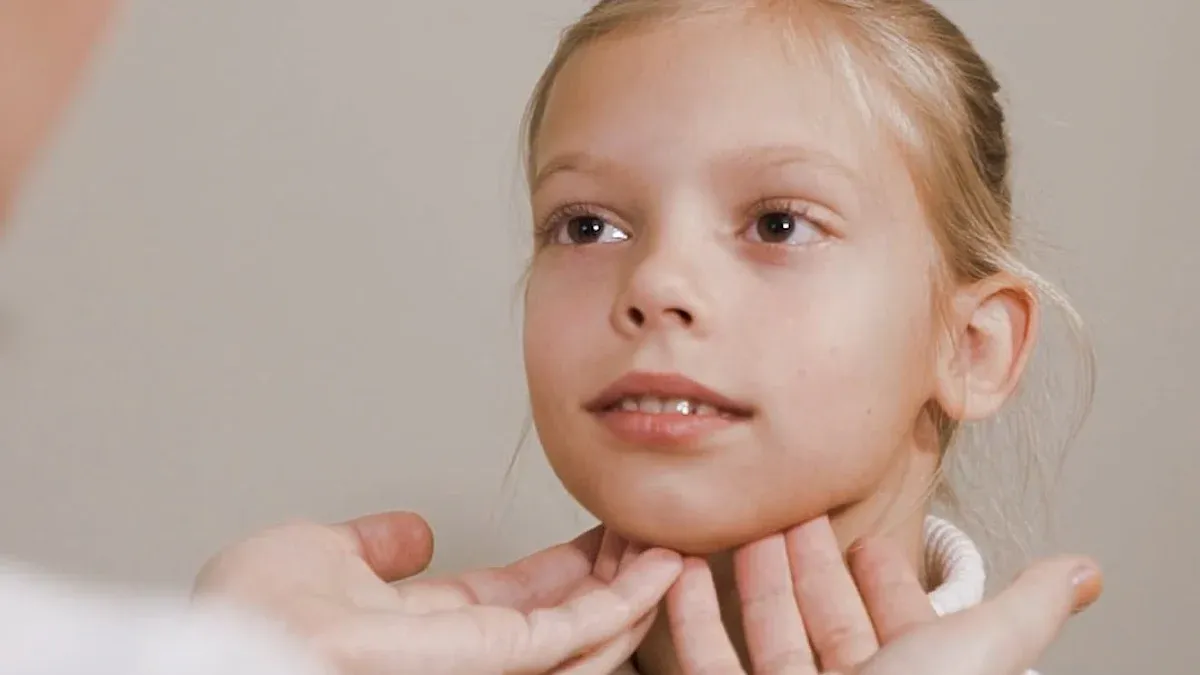
Discovering swollen lymph nodes under the jaw can cause concern. However, this often signals your body actively fights an infection or responds to an injury. Your lymph nodes are crucial components of your immune system. They filter out harmful substances. They also trap germs.
When these glands become enlarged, it usually indicates an active immune response. Many things can cause swollen lymph nodes. These range from common issues to more serious conditions. You must understand the symptoms. You also need to know when to seek medical advice for a swollen lymph node under the jaw.
Key Takeaways
Swollen lymph nodes under your jaw often mean your body is fighting an infection, like a cold or dental problem.
Most swollen lymph nodes are not serious, but watch for signs like rapid growth, hardness, or swelling that lasts over two to four weeks.
See a doctor if you have a persistent, hard, or growing lump, or if you have other symptoms like unexplained weight loss or night sweats.
Treatment for swollen lymph nodes depends on the cause; it can range from rest and fluids to antibiotics or dental care.
Do not self-diagnose; always consult a doctor for an accurate diagnosis and the right treatment plan.
Common Causes of Swollen Lymph Nodes Under The Jaw

When you find a swollen lymph node under the jaw, your immune system is often fighting something. These glands frequently swell when you have a cold or a sore throat. They usually return to normal within one to two weeks. Sudden, painful swelling often points to an infection or injury. Understanding the causes of swollen lymph nodes helps you know what to do.
Upper Respiratory Infections
Upper respiratory infections are a very common reason for swollen lymph nodes under the jaw. Your body produces more white blood cells to fight these invaders. This makes your lymph nodes enlarge. You might notice this during a common cold or the flu. These nodes are actively filtering out germs. Common viral infections include:
Colds
Flu
Mononucleosis
Other viral infections can also cause this. These include common colds, flu, hepatitis, chickenpox, shingles, measles, and rubella. Your body’s defense system is working hard.
Dental and Oral Health Issues
Problems in your mouth can also lead to swollen lymph nodes. A tooth problem, a dental abscess, or gum disease can trigger this response. Your body sends immune cells to the affected area. This causes the nearby lymph nodes to swell. You might feel pain in your jaw or teeth. An untreated cavity, for example, can easily cause this localized swelling.
Skin Infections Near the Jaw
An infection on your face, scalp, or neck can also make your lymph nodes swell. This includes conditions like cellulitis or impetigo. The lymph nodes filter the infected fluid from these areas. This causes them to become larger and sometimes tender. You might see a red, inflamed area on your skin.
Other Viral and Bacterial Infections
Beyond respiratory and oral issues, many other types of bacterial or viral infection can cause swollen lymph nodes. These can range from ear infections to strep throat. Even a minor cut or scratch that gets infected can cause nearby nodes to react. Your lymph nodes are working hard to clear the pathogens. This is why they become noticeable.
Serious Causes: When a Swollen Lymph Node May Indicate Cancer
Most times, a swollen lymph node under the jaw is not serious. It often means your body is fighting a common infection. However, you need to know when a swollen lymph node might signal something more concerning. Sometimes, a slow, painless swelling, especially a persistent lump under the chin, can be a sign of cancer or a tumor. You should pay attention to these differences.
Autoimmune Conditions
Your immune system usually protects you. Sometimes, it can mistakenly attack your own body. This is an autoimmune condition. These conditions can cause widespread inflammation. This inflammation can lead to swollen lymph nodes. You might experience other symptoms with these conditions. Examples include lupus or rheumatoid arthritis. These conditions cause your lymph nodes to stay enlarged for a long time. They are not fighting an outside infection. Instead, your body is reacting to itself.
Certain Medications
Some medications can cause your lymph nodes to swell. This is a side effect. Your body reacts to the drug. This reaction can make your lymph nodes enlarge. You might notice this after starting a new prescription. Always tell your doctor about any new symptoms. They can check if your medication is the cause. This swelling usually goes away when you stop the medication.
Lymphoma and Other Cancers
You need to be aware of certain signs. A persistent lump under the chin, especially if it is painless and grows slowly, can be a serious concern. This might be a sign of cancer. Lymphoma is a type of cancer that starts in the lymph nodes. Other types of cancer can also spread to the lymph nodes. This causes them to swell. These cancerous lumps often feel firm or rubbery. They might not move easily when you touch them. You might also experience other symptoms with cancer. These include unexplained weight loss, night sweats, or fever. If you find a persistent, firm, or growing swollen lymph node under the jaw, you must see a doctor. Early detection of cancer is very important.
Rare Infections
While common infections are the usual cause, some rare infections can also lead to persistently swollen lymph nodes. These infections might not respond to typical treatments. They can cause long-term swelling. Examples include tuberculosis or cat scratch disease. These are less common. However, your doctor will consider them if your swollen lymph nodes do not improve. You might need special tests to diagnose these rare types of infection.
Symptoms and When to Seek Medical Help for Swollen Lymph Nodes
When you notice swollen lymph nodes under the jaw, you should pay attention to other symptoms. These additional signs help you understand the cause. They also tell you when to seek medical help.
Accompanying Symptoms to Observe
You might experience more than just a swollen lymph node. Look for these common accompanying symptoms:
Fever: Your body temperature might rise. This often signals an infection.
Sore Throat: A scratchy or painful throat frequently accompanies respiratory infections.
Fatigue: You might feel unusually tired or run down.
Pain: The swollen area might feel tender or painful to the touch. This pain often suggests an active infection.
Runny Nose or Cough: These are classic signs of a cold or flu.
Earache: An infection in your ear can cause nearby lymph nodes to swell.
Signs Requiring Prompt Medical Attention
Some signs mean you need to see a doctor right away. Do not delay seeking medical advice if you notice any of these:
Rapid Growth: The swollen lymph node under the jaw grows quickly.
Hardness: The node feels very hard or rubbery.
Immobility: The lump does not move when you try to shift it. It feels fixed in place.
Persistent Swelling: The swelling lasts for more than two to four weeks.
Unexplained Weight Loss: You lose weight without trying.
Night Sweats: You wake up drenched in sweat at night.
Difficulty Swallowing or Breathing: The swollen node affects your ability to eat or breathe normally.
Redness or Warmth: The skin over the swollen node looks red or feels warm. This can indicate a severe infection.
No Obvious Cause: You have an unexplained lump and no other symptoms of infection.
When to Consult a Doctor
You should always consult a doctor if you have concerns about swollen lymph nodes. Even if you do not have severe symptoms, a medical professional can provide reassurance or further investigation.
Persistent Swelling: If your swollen lymph nodes do not improve after a few weeks.
No Clear Cause: You cannot identify a reason for the swelling.
Growing Lump: The lump under the chin continues to get larger.
Painful or Tender Nodes: The nodes are very painful or tender.
Other Concerning Symptoms: You experience any of the signs listed above that require prompt medical attention.
A doctor can properly evaluate your symptoms. They can determine the cause of your swollen lymph nodes. Early diagnosis leads to better outcomes.
A swollen lymph node under the jaw often signals your body fighting an infection or healing from an injury. However, persistent or concerning symptoms warrant medical evaluation. You learned about common causes, important symptoms to watch for, and when to seek professional help for swollen lymph nodes. Do not self-diagnose.
Always consult a healthcare provider for an accurate diagnosis and appropriate treatment plan. Trust your immune system, but manage your health proactively.