

Lower abdominal pain is a common and often concerning experience for many women. You might feel a range of sensations, from mild discomfort to sharp, intense pain. Understanding the potential causes of this abdominal pain is crucial, as its origins can vary widely. While some causes are benign, others demand immediate medical attention.
For instance, sudden, severe lower abdominal pain in females, especially if you are of childbearing age, could signal an ectopic pregnancy, a serious medical emergency for women. You also need to watch for other urgent symptoms like high fever or persistent vomiting. This guide helps you identify various causes, recognize key symptoms, and know when to seek professional help.
Key Takeaways
Lower abdominal pain in women has many causes. These causes can come from your digestive, urinary, or reproductive systems. Understanding these differences helps you know what might be happening.
Women experience unique causes of lower abdominal pain. These include menstrual cramps, ovulation pain, endometriosis, and ovarian cysts. Hormones also play a big role in how you feel pain.
Some symptoms need quick medical help. Look for sudden, severe pain, fever, chills, or constant vomiting. Blood in your stool or vomit also means you need to see a doctor right away.
You should prepare for your doctor’s visit. Write down your symptoms, when they started, and what makes them better or worse. This helps your doctor find the right diagnosis and treatment for you.
Understanding Lower Abdominal Pain

Lower abdominal pain can feel different for everyone. It can be acute, meaning it starts suddenly and lasts a short time. Or, it can be chronic, which means it lasts for weeks or even months.
This abdominal pain can come from various body systems. It might involve your digestive system, your urinary system, or your reproductive system. Knowing this helps you understand the broad range of possibilities.
Main Categories of Causes
Many things can lead to lower abdominal pain. These causes generally fall into three main categories. You might experience issues with your digestive tract. This includes organs like your stomach, intestines, and appendix. Your urinary tract can also be a source of discomfort. This involves your bladder, kidneys, and the tubes connecting them.
Finally, your reproductive organs are a common origin for pain. These include your uterus, ovaries, and fallopian tubes. Identifying the general area helps you and your doctor understand the potential causes of abdominal pain.
Unique Aspects for Women
Women often experience lower abdominal pain in unique ways. This is because of specific differences in your anatomy and body functions. Your digestive and reproductive organs sit very close together in your abdomen. This close proximity means that pain from one system can often feel like it comes from another. Hormonal fluctuations also play a significant role. Your menstrual cycle brings big changes in hormones like estrogen and progesterone. These hormones can affect your digestion. You might notice bloating, constipation, or increased pain sensitivity during certain times of the month. The causes of abdominal pain also change throughout your life. Young women might experience pain related to menstruation or ovulation.
During your childbearing years, you could face issues like ectopic pregnancy or ovarian cysts. As you get older, conditions such as diverticulitis can become more common. These unique factors make understanding lower abdominal pain in females especially important for women.
Gynecological Causes of Abdominal Pain
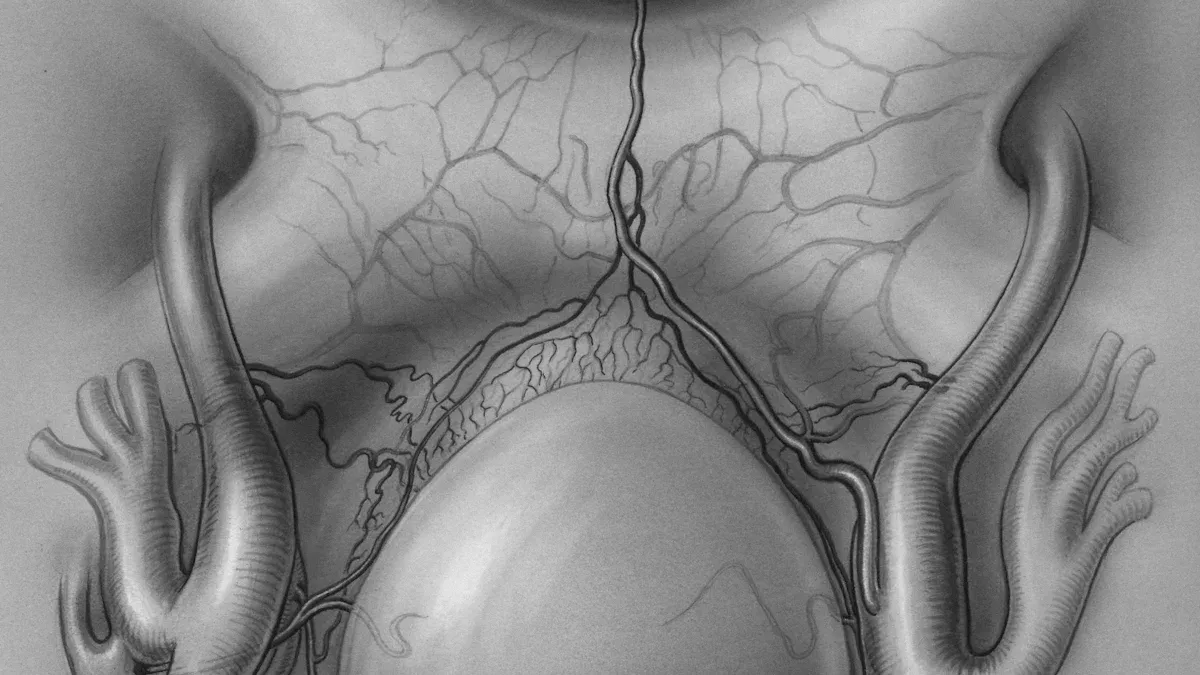
Many causes of lower abdominal pain are specific to your reproductive system. These conditions can range from common monthly occurrences to more serious issues. Understanding these gynecological causes helps you identify potential problems.
Menstrual Cramps and Dysmenorrhea
You might experience menstrual cramps, also known as dysmenorrhea, as a common type of lower abdominal pain.
These cramps happen when your uterus contracts to shed its lining during your period. You feel a dull, aching, or throbbing pain in your lower abdomen. This pain can sometimes spread to your lower back or thighs. For some women, these cramps are mild. For others, they can be severe enough to disrupt daily activities.
Ovulation Pain (Mittelschmerz)
Ovulation pain, also called mittelschmerz, is another common cause of lower abdominal pain in females. This pain occurs around the middle of your menstrual cycle when an ovary releases an egg. You typically feel this pain in your lower abdomen and pelvic region.
It usually affects only one side, the side that is releasing the egg. The sensation can range from a mild twinge to a sudden, sharp pain. While it can feel similar to menstrual cramps, ovulation pain happens about two weeks before your period. Approximately 40% of people who ovulate may experience mittelschmerz. This pain typically lasts a few minutes to several hours. It can persist up to 48 hours in some women. Many women experience it for just one day, while others have it for two or more days.
Endometriosis
Endometriosis is a condition where tissue similar to the lining of your uterus grows outside your uterus. This tissue can grow on your ovaries, fallopian tubes, or other pelvic organs. It still acts like uterine lining, thickening, breaking down, and bleeding with each menstrual cycle.
However, this blood has no way to leave your body, causing irritation and inflammation. This leads to significant lower abdominal pain. Endometriosis is estimated to affect 10% (190 million) of reproductive-age women globally.
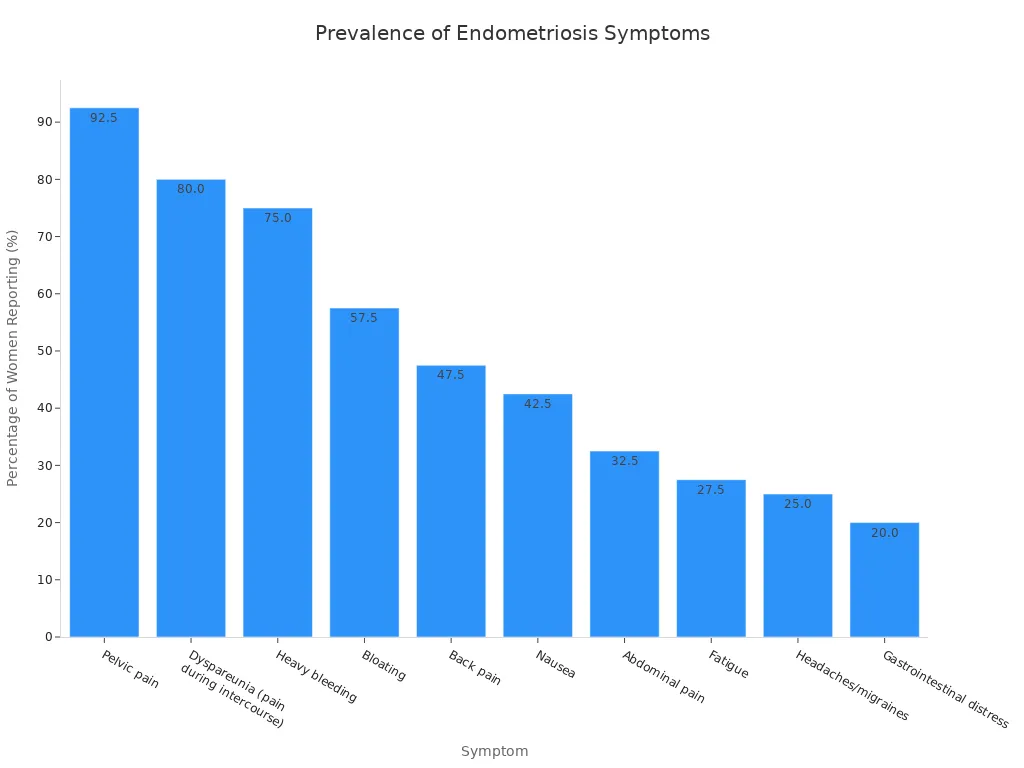
You might experience various symptoms with endometriosis. These include severe pain during menstruation, heavy menstrual bleeding, and chronic pelvic pain that continues even after your period ends. You might also notice abdominal bloating or nausea.
Symptom | Percentage of Women Reporting (N=40) | Example Description |
|---|---|---|
Pelvic pain | 92.5% | Described as a ‘knife’ or ‘stabbing’ pain, sometimes sharp or shooting. |
Dyspareunia (pain during intercourse) | 80.0% | Often extremely painful during intercourse, even throughout the entire cycle. |
Heavy bleeding | 75.0% | Requiring many pads daily due to heavy flow. |
Bloating | 57.5% | Stomach swells and gets puffy, leading to discomfort. |
Back pain | 47.5% | Starts in the lower back and spreads, often a dull pain. |
Nausea | 42.5% | Waking up nauseous, compared to morning sickness, regardless of cycle phase. |
Abdominal pain | 32.5% | Described as being ‘stabbed’ and ‘insides being twisted up’. |
Fatigue | 27.5% | Feeling drained and tired, a sensation of energy leaving the body. |
Headaches/migraines | 25.0% | Occurring about a week before and during the menstrual period. |
Gastrointestinal distress | 20.0% | Includes cramps, constipation, and diarrhea. |
Ovarian Cysts
Ovarian cysts are fluid-filled sacs that develop on or inside an ovary. Most ovarian cysts are functional cysts. They form as a normal part of your menstrual cycle and usually disappear on their own. Follicular cysts form when a follicle does not release an egg and continues to grow. Corpus luteum cysts develop when fluid accumulates after egg release.
Other types, called pathological cysts, are not related to your menstrual cycle and may need medical attention. These include dermoid cysts, endometriomas (linked to endometriosis), and cystadenomas. Most cysts do not cause symptoms. However, if a cyst grows large, ruptures, or twists the ovary, you might experience lower abdominal pain. This pain can feel like pelvic pain or pressure. You might also notice bloating, a sensation of fullness, or irregular menstrual cycles. Severe symptoms like intense pain, nausea, or dizziness require immediate medical attention.
Uterine Fibroids
Uterine fibroids are non-cancerous growths that develop in the uterus. They are very common, especially in women of fertile age. These growths can vary in size from tiny seedlings to bulky masses. They can cause various bleeding and pain symptoms.
Category | Prevalence Range (All Ages) | Prevalence Range (40-49 years) |
|---|---|---|
Uterine Fibroids | 4.5% (UK) to 9.8% (Italy) | 9.4% (UK) to 17.8% (Italy) |
Symptom | Women with Fibroids (%) | Women without Fibroids (%) |
|---|---|---|
Bleeding Symptoms | ||
Heavy Bleeding | 59.8 | 37.4 |
Prolonged Bleeding | 37.3 | 15.6 |
Bleeding Between Periods | 33.3 | 13.5 |
Frequent Periods | 28.4 | 15.2 |
Irregular/Unpredictable Periods | 36.3 | 23.9 |
Pain Symptoms | ||
Pressure on Bladder | 32.6 | 15.0 |
Chronic Pelvic Pain | 14.5 | 2.9 |
Painful Sexual Intercourse | 23.5 | 9.1 |
Mid-cycle Pain | 31.3 | 17.1 |
Post-menstrual Pain | 16.7 | 6.4 |
During Menstrual Bleeding Pain | 59.7 | 52.0 |
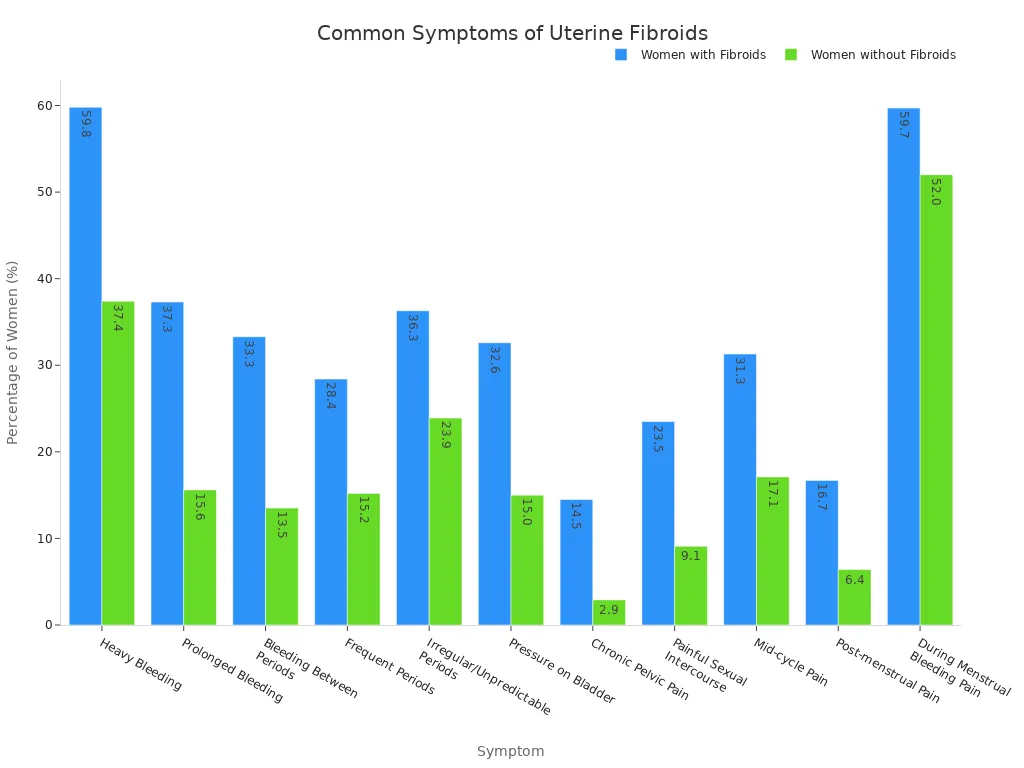
You might experience heavy or prolonged bleeding, pressure on your bladder, or chronic pelvic pain. Fibroids can also cause painful sexual intercourse or mid-cycle pain.
Pelvic Inflammatory Disease (PID)
Pelvic inflammatory disease (PID) is an infection of your reproductive organs. It often happens when sexually transmitted bacteria spread from your vagina to your uterus, fallopian tubes, or ovaries. PID can cause lower abdominal pain, fever, unusual vaginal discharge, and pain during sex or urination.
Common causes and risk factors for PID include:
A history of a sexually transmitted infection (STI).
Exposure to C. trachomatis.
Younger age at first sexual intercourse.
Higher numbers of sexual partners.
Higher numbers of concurrent partners.
Higher frequency of partner change.
Lack of consistent and effective condom use.
Bacteria like Prevotella spp., Peptrostreptococcus, and Streptococcus pyogenes can also contribute to PID.
Ectopic Pregnancy
An ectopic pregnancy occurs when a fertilized egg implants and grows outside the main cavity of the uterus. This usually happens in a fallopian tube. An ectopic pregnancy is a medical emergency because the tube can rupture, causing severe internal bleeding. You might experience early signs of pregnancy, such as a missed menstrual period, tender breasts, or an upset stomach.
Other early symptoms of an ectopic pregnancy include:
Abnormal vaginal bleeding.
Low back pain.
Mild pain in the abdomen or pelvis.
Mild cramping on one side of the pelvis.
If you suspect an ectopic pregnancy, seek immediate medical attention.
Sexually Transmitted Infections (STIs)
Sexually transmitted infections (STIs) can cause lower abdominal pain. This often happens when the infection spreads from your vagina, cervix, or urethra upwards into your uterus, ovaries, or fallopian tubes. This upward spread can lead to pelvic inflammatory disease (PID). STIs are responsible for the majority (85%) of PID cases. PID can cause chronic pelvic pain that you often perceive as lower abdominal pain, especially during menstruation, sex, bowel movements, or urination.
Common STIs that can cause abdominal pain include:
Gonorrhea: This can cause abdominal pain, often by leading to PID.
Chlamydia: This can cause abdominal pain, often by leading to PID.
Hepatitis A, B, and C: These can cause abdominal pain as a symptom of acute hepatitis.
Mycoplasma genitalium (mGen): If untreated, this can lead to PID, which causes pelvic pain that you might feel as abdominal pain.
Miscarriage
A miscarriage is the spontaneous loss of a pregnancy before the 20th week. Lower abdominal pain is a common symptom of miscarriage. The pain can range from mild cramping to severe, labor-like contractions. You might also experience vaginal bleeding.
Type of Miscarriage | Description | Potential Symptoms |
|---|---|---|
Chemical Pregnancy | Very early miscarriage, often before awareness of pregnancy; embryo starts to grow but stops developing. | Period slightly late or heavier than usual. |
Anembryonic Pregnancy (Blighted Ovum) | Fertilized egg attaches but no embryo develops; gestational sac and placenta grow, but sac is empty. | May or may not have vaginal bleeding and pelvic cramps; early pregnancy signs may be present initially. |
Missed Miscarriage | Embryo stops growing, but body doesn’t recognize loss or pass tissue. | Fading pregnancy symptoms, light bleeding, or no symptoms at all. |
Threatened Miscarriage | Bleeding in early pregnancy with a closed cervix. | Bleeding, cramps, or back pain. |
Inevitable Miscarriage | Heavy bleeding, strong cramps, and an open cervix; miscarriage cannot be stopped. | Heavy bleeding, strong cramps. |
Incomplete Miscarriage | Some pregnancy tissue has passed, but some remains in the uterus. | Heavy bleeding and strong cramps. |
Complete Miscarriage | All pregnancy tissue has passed from the uterus. | Bleeding and pain quickly improve after tissue passes. |
Septic Miscarriage | Miscarriage with an infection in the uterus. | Fever, chills, odorous discharge, heavy bleeding, severe pain. |
If you experience symptoms of miscarriage, contact your healthcare provider.
Ovarian Torsion
Ovarian torsion is a medical emergency where an ovary twists around the ligaments that hold it in place. This twisting cuts off the blood supply to the ovary and sometimes the fallopian tube. It causes sudden, severe lower abdominal pain. This pain often radiates to your groin.
You might also experience nausea and vomiting. Sometimes, the pain can be gradual or occur in several episodes over hours or days. If you experience sudden, severe pelvic pain, especially with nausea and vomiting, seek immediate medical attention. Fever or abnormal vaginal bleeding can indicate tissue death, making it even more urgent.
Gastrointestinal Causes of Lower Abdominal Pain
Your digestive system can also be a source of lower abdominal pain. Many conditions affect your stomach, intestines, and other organs. These issues can cause discomfort and other symptoms.
Irritable Bowel Syndrome (IBS)
Irritable bowel syndrome is a common condition affecting your large intestine. It causes abdominal pain, cramping, bloating, gas, and changes in bowel habits. You might have diarrhea, constipation, or both. Doctors use specific guidelines to diagnose irritable bowel syndrome. These are called the Rome IV criteria. You must have recurrent abdominal pain at least one day per week for the past three months. This pain must also relate to changes in stool frequency, form, or with defecation.
Subtype | Description |
|---|---|
IBS-C (Constipation-predominant) | More than 25% of bowel movements are hard (Bristol 1-2) and less than 25% are loose (Bristol 6-7). |
IBS-D (Diarrhea-predominant) | More than 25% of bowel movements are loose (Bristol 6-7) and less than 25% are hard (Bristol 1-2). |
IBS-M (Mixed pattern) | More than 25% of bowel movements are loose (Bristol 6-7) and more than 25% are hard (Bristol 1-2). |
IBS-U (Unclassified) | Your bowel pattern does not fit into other subtypes. |
Constipation
Constipation means you have infrequent bowel movements or difficulty passing stools. This can lead to abdominal pain and discomfort. Many factors can cause chronic constipation. Pregnancy and age increase your risk. Certain diseases like irritable bowel syndrome, spinal cord injury, or depression can affect colon movements. Older individuals often experience constipation due to aging, lack of exercise, poor diet, or certain medications. Women are more prone to constipation than men. Hormonal changes during pregnancy and before menopause can play a role.
Diverticulitis
Diverticulitis happens when small pouches in your colon, called diverticula, become inflamed or infected. This condition often causes abdominal pain, fever, and nausea. Complications can include tiny tears in the bowel walls, leading to infection. You might also develop an abscess, which is a pocket of pus. A blockage in your colon can occur due to scarring. This causes severe constipation and bloating. Sometimes, you might experience rectal bleeding or a fistula, which is an abnormal connection between organs.
Appendicitis
Appendicitis is an inflammation of your appendix. This small, finger-shaped pouch extends from your large intestine. It typically causes sudden, sharp abdominal pain that starts near your navel and moves to your lower right abdomen. The pain often worsens with movement, coughing, or walking. You might also have nausea, vomiting, loss of appetite, and a low-grade fever. Appendicitis is a medical emergency. You need prompt medical attention.
Inflammatory Bowel Disease (IBD)
Inflammatory bowel disease (IBD) includes Crohn’s disease and ulcerative colitis. These conditions involve chronic inflammation of your digestive tract. Both can cause abdominal pain.
Condition | Symptoms |
|---|---|
Ulcerative Colitis | Bloody diarrhea, abdominal pain, urgency to have a bowel movement |
Crohn’s Disease | Abdominal pain, diarrhea, weight loss, fatigue, sometimes joint pain or skin problems |
The symptoms of ulcerative colitis and Crohn’s disease are very similar.
Food Intolerances and Ulcers
Certain food intolerances can cause lower abdominal pain. Common culprits include lactose, histamine, and gluten. Lactose intolerance means your body cannot digest lactose in dairy products. A hydrogen breath test can diagnose this. For gluten sensitivity or histamine intolerance, doctors often suggest a food diary or an elimination diet. You remove suspected foods for a few weeks, then reintroduce them to see if symptoms return. Ulcers, which are sores in the lining of your stomach or small intestine, can also cause abdominal pain.
Urinary Causes of Lower Abdominal Pain
Your urinary system can also be a source of lower abdominal pain. Problems with your bladder, kidneys, or the tubes connecting them can cause discomfort. Understanding these specific causes helps you identify potential issues.
Urinary Tract Infection (UTI)
A urinary tract infection (UTI) is a common cause of lower abdominal pain. This infection can affect any part of your urinary system. You might feel a strong urge to urinate often. You may also experience burning when you urinate. Sometimes, you pass only small amounts of urine. Your urine might look cloudy, red, pink, or brown. It can also have a strong smell.
Some women feel pressure or cramping in their groin or lower abdomen. If the infection spreads to your kidneys, you might get a fever, chills, or lower back pain. Doctors diagnose UTIs by asking about your symptoms and doing a physical exam. They also test a urine sample for bacteria. Home test kits are available for UTIs.
Kidney Stones
Kidney stones are hard deposits that form in your kidneys. They can cause severe abdominal pain. These stones form from various substances. Calcium-oxalate and calcium phosphate stones are common. They form if you do not drink enough fluids or eat high-oxalate foods. Uric acid stones can develop from eating too much animal protein.
Bacterial infections can cause struvite stones. An inherited condition leads to cystine stones. You might not feel any pain until a stone starts to move. When a stone travels to your ureter, you will likely feel symptoms. The pain can be excruciating. It often appears in your lower back, side, or groin. This pain can be dull or sharp. It often comes in waves, which doctors call colicky pain. You might also feel nauseous or vomit.
Bladder Inflammation and Stones
Inflammation of your bladder, also known as cystitis, can cause lower abdominal pain. This often happens due to UTIs. You might feel pain or burning when you urinate. You also feel the need to urinate frequently, even if your bladder is empty. Bladder stones can also form. These are hard masses of minerals that develop in your bladder. They can cause similar symptoms to bladder inflammation. You might experience pain in your lower abdomen or groin.
Interstitial Cystitis
Interstitial cystitis (IC) is a chronic condition. It causes bladder pressure and pain. You might feel constant discomfort in your pelvis. This pain often gets better after you urinate but returns as your bladder fills. You also have an excessive urge to urinate and do so very frequently. Some women urinate up to 40 times a day. You might also experience painful intercourse. Doctors diagnose IC by looking for urgency, frequency, or pelvic pain. They also check for pinpoint hemorrhages in your bladder during an exam. They make sure you do not have other infections or conditions.
Other Causes of Lower Abdominal Pain
Sometimes, your lower abdominal pain comes from issues outside your reproductive or digestive systems. These causes can also lead to discomfort. You should know about them.
Muscle Strain
You can strain muscles in your abdomen. This happens when you overstretch or tear a muscle. You might feel pain in your lower abdomen. This pain can be on your left side or your right side. It can also be in your upper abdomen. You have several key muscle groups in your abs. You can pull any of them. Your oblique muscles go from your ribs to your pelvis.
They help you twist your body. Your rectus abdominus muscles run down the middle of your abdomen. They help you move between your ribs and pelvis. Your transversus abdominus muscles are your deepest abs. They keep your midsection stable and protect your organs. A strain in any of these can cause discomfort.
Hernias
A hernia happens when an organ or tissue pushes through a weak spot in your muscle or tissue. This can cause abdominal pain. Inguinal hernias, also called groin hernias, are common. They occur near the crease between your lower abdomen and upper thigh.
They can cause constant pain or discomfort. Ventral hernias happen in your abdominal wall. This includes umbilical hernias, which create a bulge near your belly button. Incisional hernias develop near old surgical cuts. The abdominal wall there has weakened. Other common hernias in women include femoral hernias. These happen when tissue pushes through a weak spot in your groin or upper thigh. Hernia pain can show up in your lower abdomen, lower navel, hip, or pelvic areas. It can also affect your upper thighs or legs.
Shingles
Shingles can also cause abdominal pain. This condition comes from the same virus that causes chickenpox. The virus can reactivate later in life. It causes a painful rash. You might feel burning or pain on one side of your body. This often happens in a small area.
You might also feel unusual sensations like numbness or tingling. These feelings can start several days before a rash appears. The shingles rash typically shows up as painful blisters. These clusters of blisters affect one side of your body. They usually do not cross the midline. The rash often appears on your trunk, which includes your abdominal region. New blisters form over a few days. Then they dry and scab over.
Recognizing Key Symptoms of Lower Abdominal Pain
Understanding the characteristics of your pain helps you and your doctor identify its cause. You can describe your symptoms more accurately. This section details how to recognize key symptoms of lower abdominal pain.
Pain Characteristics and Location
Lower abdominal pain can feel different depending on its origin. You might experience various sensations. These include sharp, dull, cramping, or burning pain. Each type can point to different underlying conditions.
Type of Pain | Indicative Conditions |
|---|---|
Sharp or stabbing pain | Appendicitis, kidney stones |
Cramping pain | Gas, menstrual issues, irritable bowel syndrome (IBS) |
Dull or aching pain | Inflammation, infection |
Burning pain | Acid reflux, ulcers |
Sharp abdominal pain feels sudden, intense, and stabbing. It can feel like a knife or needle piercing your gut. Dull abdominal pain, however, is a more persistent ache or discomfort. You might describe it as a general heaviness or tenderness. Both types of abdominal pain can come from minor indigestion or serious issues like appendicitis or kidney stones. Knowing these distinctions helps you understand potential causes.
You might also notice where the pain occurs.
Menstrual cramps can be severe. They might interfere with your daily activities. This could indicate conditions like endometriosis or fibroids.
Ovulation pain (Mittelschmerz) happens around the middle of your menstrual cycle. You feel it on one side of your lower abdomen. It can feel like a sharp or dull cramp.
Gas and Bloating cause general lower abdominal pain. Passing gas or having a bowel movement usually relieves this discomfort. Your dietary habits or digestive issues like IBS or lactose intolerance can cause it.
Pelvic Inflammatory Disease (PID) causes severe lower abdominal pain. You often have a fever, abnormal vaginal discharge, and painful intercourse or urination with it.
Ovarian Cysts can lead to abdominal pain. You usually feel it in your lower abdomen, often on one side. The pain may come and go. Large cysts can cause sudden, severe pain if torsion occurs.
Irritable Bowel Syndrome (IBS) involves bloating, cramping, diarrhea, and constipation. The pain usually sits in your lower abdomen. A bowel movement often relieves it.
Ectopic Pregnancy causes intense, localized pain on one side of your abdomen. You might also have light bleeding, dizziness, and shoulder discomfort.
Sometimes, you feel pain in the lower left abdomen. This could be from diverticulitis or IBS. Pain in the lower right abdomen might suggest appendicitis or an ovarian cyst.
Accompanying Symptoms
Other symptoms often appear with lower abdominal pain. These additional signs help doctors narrow down the cause. You should pay attention to any other changes in your body.
You might experience:
Fever
Uncontrolled vomiting
Chest pain
Bloody vaginal discharge unrelated to your menstrual cycle
A burning sensation when you urinate
Lower abdominal pain that lasts longer than 24 hours
Pain during sexual intercourse
Unexplained weight loss
These accompanying symptoms provide important clues. They help your doctor understand what might be happening inside your body. Many conditions in women present with a combination of these symptoms.
Urgent Symptoms to Watch For
Some symptoms require immediate medical attention. You should not ignore these signs. They can indicate a serious condition.
Seek urgent medical attention if you experience:
Severe and sudden pain: This is a major red flag. It could mean a ruptured appendix, a perforated ulcer, or an abdominal aortic aneurysm.
Pain with fever and chills: This suggests an infection. Examples include diverticulitis, cholecystitis, or pelvic inflammatory disease.
Persistent vomiting or blood in vomit: Vomiting lasting over 24 hours or containing blood can signal gastrointestinal bleeding or an esophageal tear.
Abdominal pain with blood in stools: This may indicate inflammatory bowel disease, colorectal cancer, or a bleeding ulcer. Bright red blood suggests lower GI bleeding. Dark, tarry stools point to upper GI bleeding.
Pain worsening over time: Pain that starts mild but intensifies or spreads needs attention. For example, in appendicitis, pain shifts from your navel to your lower right abdomen.
Difficulty breathing or chest pain: If abdominal pain comes with shortness of breath, chest pain, or dizziness, it could indicate a heart attack, especially in women.
Unbearable pain that disrupts your daily activities.
Pain with signs of internal bleeding (blood in vomit or stools).
Persistent vomiting or inability to pass stools or gas.
Severe dehydration symptoms, such as dizziness or confusion.
Pain following trauma, such as an accident or injury.
Severe or worsening pain that does not improve with rest or over-the-counter remedies.
Fever, chills, or vomiting accompanying abdominal discomfort.
Frequent or painful urination.
Unexplained weight loss or ongoing fatigue.
Visible abdominal swelling or tenderness to the touch.
Sharp, one-sided pain, abnormal bleeding, or feeling faint or dizzy (especially for women, potentially indicating reproductive health issues like ectopic pregnancy).
These urgent symptoms mean you need to see a doctor right away.
Steps for Diagnosis and Relief
Understanding your lower abdominal pain is the first step toward finding relief. You need to know when to seek professional help. A proper diagnosis leads to appropriate treatment.
When to Consult a Doctor
You should consult a doctor if your lower abdominal pain is severe or persistent. Seek medical attention if you experience sudden, sharp pain. Also, watch for pain accompanied by fever, chills, or persistent vomiting. If you have blood in your stools or vomit, or if you feel dizzy or faint, you need immediate care. These are urgent symptoms to watch for. If your pain worsens over time or does not improve with rest, you should see a doctor.
Preparing for Your Doctor’s Visit
Prepare for your doctor’s visit to help them make a proper diagnosis. Write down your symptoms. Note when the pain started, how long it lasts, and what makes it better or worse. List any other symptoms you have, like fever or changes in bowel habits. Include all medications you take. Also, mention your medical history and any recent illnesses or surgeries. This information helps your doctor understand your condition.
Diagnostic Tests and Procedures
Your doctor will perform various tests for diagnosis. They may start with a pelvic exam. This checks your reproductive organs for issues like infection or cysts. A urine pregnancy test is often a first step for women of childbearing age. This helps rule out conditions like ectopic pregnancy. Your doctor might order an abdominal or transvaginal ultrasonography. This imaging helps evaluate pain, especially in your lower left abdomen. It also helps diagnose gynecologic pathology like fibroids or ovarian masses. If you are at risk for sexually transmitted infections, your doctor will test for chlamydia and gonorrhea. These tests help pinpoint the cause of your abdominal pain.
Treatment Approaches
Your treatment depends on your diagnosis. For chronic pain, your doctor might suggest various treatment options. They may prescribe neuropathic pain medications like gabapentin or amitriptyline.
These can help manage nerve-related pain. Hormonal therapy can help if your pain fluctuates with your menstrual cycle. This is common for endometriosis. For conditions like uterine fibroids, your doctor might recommend laparoscopic myomectomy for large fibroids. Hysterectomy is another option for symptomatic fibroids, especially if other treatments fail. For endometriosis, laparoscopic surgery can improve pain. Your doctor will guide your appropriate treatment based on your specific condition.
Lower abdominal pain in females can stem from many causes. Accurate diagnosis is crucial. Self-diagnosis often misleads you. Always consult a healthcare professional for persistent, severe, or concerning symptoms. You must advocate for your health. Seek personalized medical advice. This brings effective management and peace of mind for women. Many women experience this pain.
Your health is important. Do not hesitate to get help.
FAQ
What is the difference between acute and chronic lower abdominal pain?
Acute pain starts suddenly. It lasts a short time. Chronic pain continues for weeks or months. It can be ongoing or come and go. You experience different feelings with each type.
What are common gynecological causes of lower abdominal pain?
Many gynecological issues cause pain. These include menstrual cramps, ovulation pain, and endometriosis. Ovarian cysts, uterine fibroids, and pelvic inflammatory disease also cause discomfort. Ectopic pregnancy is a serious cause.
What urgent symptoms should you watch for with lower abdominal pain?
You must watch for severe, sudden pain. Fever, chills, or persistent vomiting are urgent. Blood in your stools or vomit also needs immediate attention. Seek help if you feel dizzy or faint.
What is the role of hormones in women’s lower abdominal pain?
Hormones greatly influence your pain. Your menstrual cycle causes hormone changes. These changes can affect digestion. They also increase pain sensitivity. Conditions like endometriosis link to hormone fluctuations.