You want to lighten skin at home. Many people seek safe, accessible ways to achieve a brighter complexion. Natural home remedies for skin whitening offer a gentle path. Consumers increasingly choose chemical-free options. The natural sector is growing fast. This guide helps you brighten my skin naturally. We explore seven gentle, natural remedies.
These include lemon and honey, turmeric, aloe vera, potato, papaya, yogurt, and tomato. These ingredients work naturally. Expect gradual results. Consistency and safety are important when you lighten skin at home for a healthy glow. You can achieve this naturally.
Key Takeaways
Natural remedies can brighten your skin. They reduce the color pigment called melanin. This helps make your skin look lighter.
Natural ingredients work slowly. You need to use them often. It takes weeks or months to see good results.
Many natural ingredients stop an enzyme called tyrosinase. This enzyme helps make melanin. Less melanin means lighter skin.
Natural remedies also have antioxidants. These help protect your skin. They can make your skin look younger and healthier.
Always test new remedies on a small skin area first. This helps make sure your skin does not get irritated.
Understanding Natural Brightening
How Natural Ingredients Work
You want to lighten skin at home. Natural ingredients work in several ways to brighten your complexion. They target the process of melanin production. Melanin is the pigment that gives skin its color. Many natural remedies decrease melanin production. They also reduce existing pigmentation.
Natural compounds regulate melanin by directly inhibiting an enzyme called tyrosinase. This enzyme is key to melanin formation. Some ingredients suppress the uptake and distribution of melanosomes.
Melanosomes are structures that carry melanin. Other natural agents control tyrosinase at a post-transcriptional level. They interfere with the transfer of melanosomes between cells. For example, niacinamide and soybean extracts interfere with melanosome transfer. Certain compounds, like liquiritin, promote melanin dispersion. They also speed up the shedding of old skin cells. This leads to lighter skin.
Plant extracts offer significant benefits for skin brightening. Researchers have studied these extracts for a long time. Most natural whitening ingredients work by inhibiting tyrosinase activity. This reduces melanin production. They also act as antioxidants. This helps lessen skin pigmentation from oxidative stress.
Ingredient | Mechanism of Action | Model Used |
|---|---|---|
Curcumin | Inhibition of tyrosinase-related gene expression | B16F10 cell line; Zebrafish embryo model |
Pulsae | Inhibition of tyrosinase activity | In vitro Mushroom tyrosinase assay; B16F10 cell line |
Jujube flavonoids | Inhibition of MITF and tyrosinase | Mushroom tyrosinase assay; B16F10 cell line; Zebrafish embryo model |
Pterostilbene | Antioxidant; Inhibition of NRF2/ARE signaling pathway | B16F10 cell line; Keratin-forming cell line; Zebrafish embryo model |
Ferulic acid | Antioxidant | B16F10 cell line |
Salidroside | Antioxidant | B16F10 cell line; Guinea pig model |
Gallic acid | Antioxidant | B16F10 cell line |
Thymoquinone | Antioxidant | Swiss albino mice |
These natural ingredients also contain potent antioxidants. Saponins, flavonoids, quercetin, and polyphenols help maintain a youthful appearance. A meta-analysis showed that botanical preparations improved skin hydration. They reduced melanin levels and redness. They also increased skin elasticity. These findings support the use of natural remedies for skin brightening.
Setting Realistic Expectations
You can naturally brighten your skin. However, you must set realistic expectations. Natural remedies work gradually. They do not offer instant results. You need consistent use over several weeks to months. The exact timeline depends on your skin type. It also depends on the severity of your pigmentation.
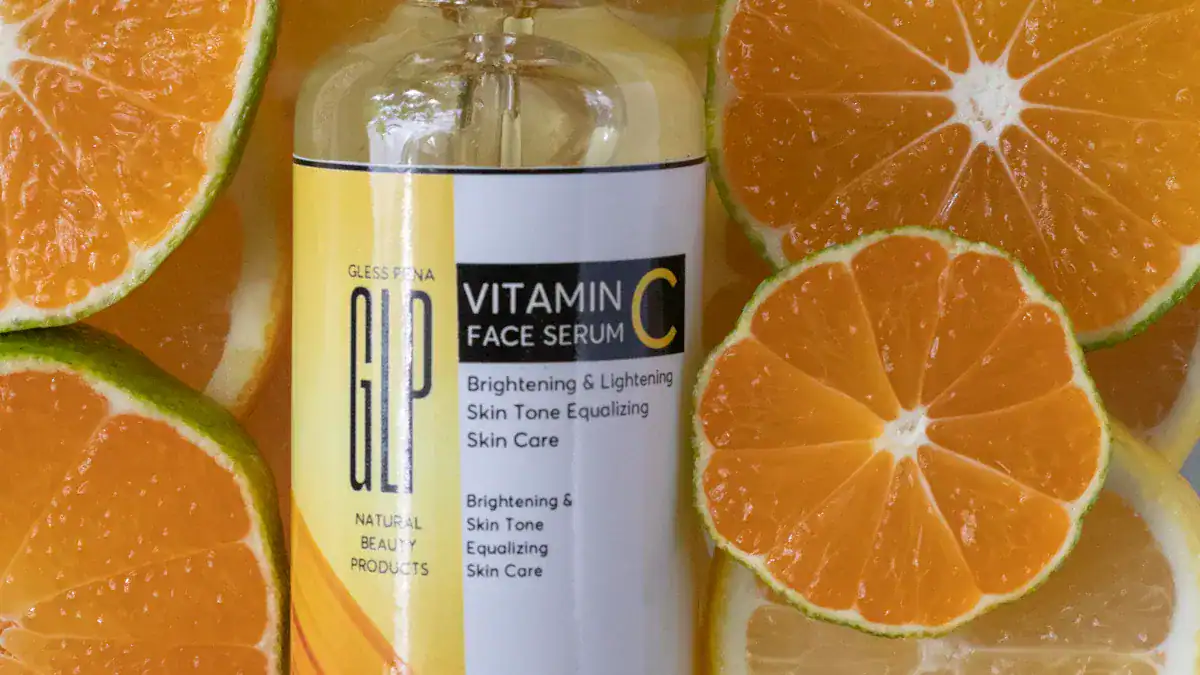
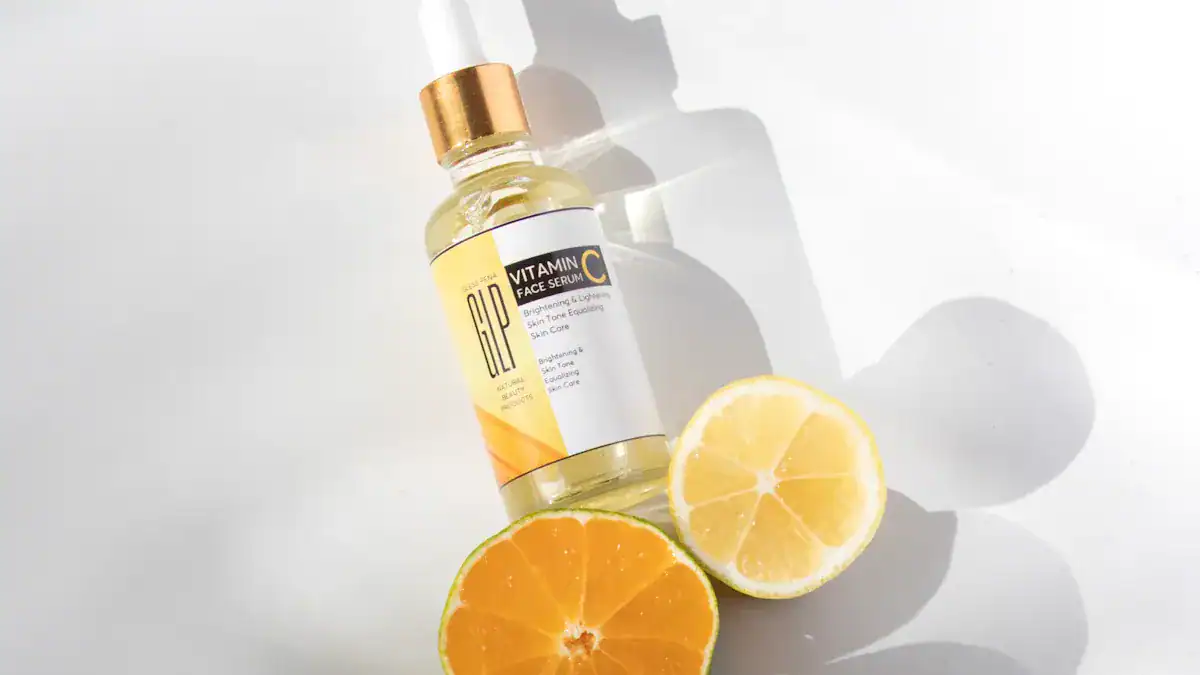
For example, consider Vitamin C, a common natural remedy.
Short-term Results (2-4 Weeks): You may notice subtle improvements. Your skin can look more radiant. It can feel smoother.
Moderate Results (4-8 Weeks): Visible changes in skin brightness start to appear. Dark spots may begin to fade. Consistent application brings more benefits.
Long-term Results (8-12 Weeks and Beyond): Significant improvements take time. Severe issues like melasma may need 12 weeks or more.
Patience and consistency are key. You will achieve a healthy glow with regular use of these natural methods.
Lemon & Honey Mask for Brightening
Lemon & Honey Mask for Brightening
Benefits: Exfoliation & Hydration
A simple lemon and honey mask can naturally brighten your skin and provide several benefits. Lemon contains citric acid, an alpha-hydroxy acid (AHA) that acts as a gentle exfoliant. It helps remove dead skin cells, revealing smoother, fresher skin underneath. Regular use can help even out your skin tone, brighten your complexion, and reduce the appearance of scars and dark spots—leaving your skin radiant and youthful.
Honey is equally powerful. As a natural humectant, it draws moisture into the skin, keeping it soft, supple, and hydrated. Its antibacterial properties also help promote clearer skin. Together, lemon and honey form an effective natural treatment for achieving a healthy, luminous glow.
Preparation & Application
Preparing this brightening mask is simple and requires only a few ingredients. Mix one tablespoon of raw honey with the juice from half a fresh lemon. Alternatively, you can combine one tablespoon of honey with one teaspoon of lemon juice. For added benefits, some variations include one tablespoon of plain yogurt and ¼ teaspoon of turmeric powder.
- Combine all ingredients in a small bowl and mix until smooth.
- Cleanse your face thoroughly before application.
- Apply the mixture evenly, avoiding the delicate eye area.
- Leave the mask on for 15–20 minutes.
- Rinse with lukewarm water and gently pat your skin dry.
Precautions & Patch Test
Using lemon on the skin requires caution. Lemon juice contains photosensitizing compounds that can increase your skin’s sensitivity to sunlight. Applying lemon and then going into direct sunlight can cause irritation, chemical burns, or heightened sunburn risk.
Never use lemon on your skin before sun exposure, and avoid it for several days before extended outdoor activities.
Always perform a patch test. Apply a small amount of the mixture to a discreet area of skin and wait 24 hours to check for reactions. This step is essential, especially for sensitive skin. If you notice redness, itching, or irritation, discontinue use.
This natural remedy can be effective and refreshing—just be sure to use it safely.
Turmeric & Gram Flour Paste
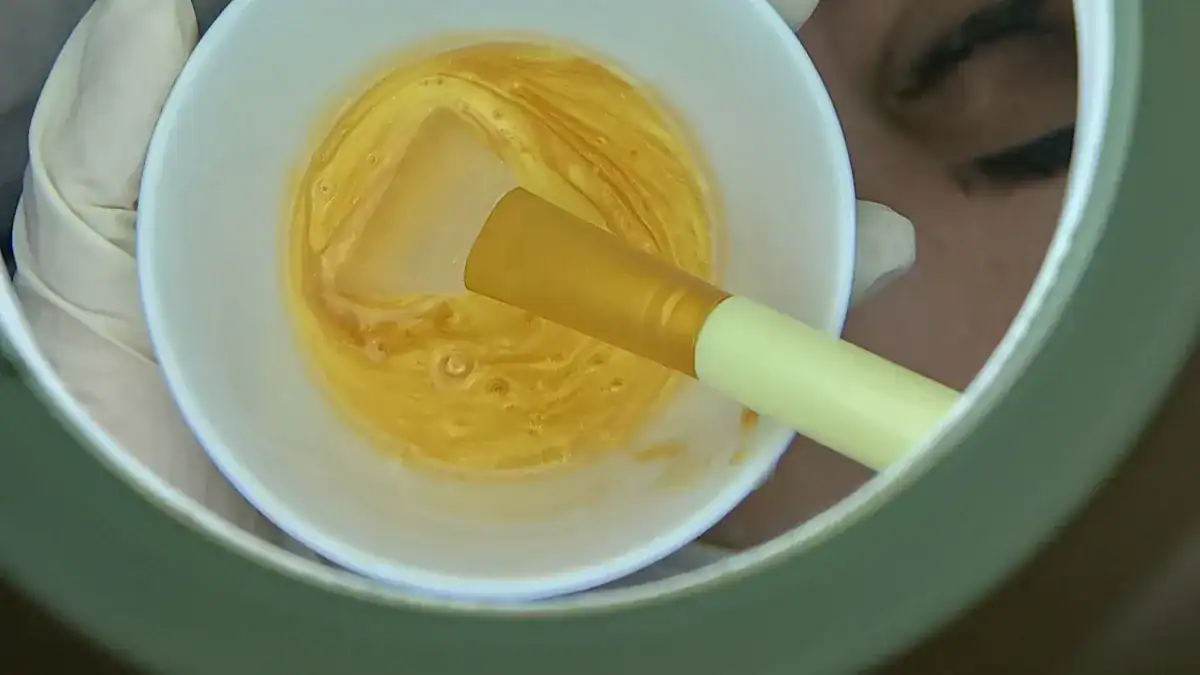
Benefits: Brightening & Exfoliation
You can use a turmeric and gram flour paste for skin brightening. Turmeric contains curcumin. People have used turmeric for centuries in India and other Asian countries. It helps manage superfluous hair. It also improves skin tone and tan. Turmeric is a traditional skin lightening product.
It helps with cosmetic ailments like dyspigmentation. Curcumin also has strong anti-inflammatory effects. It reduces inflammation in your skin. Gram flour (besan) is another powerful ingredient. It acts as a natural exfoliant.
Gram flour gently removes dead skin cells.
It unclogs pores and reduces blackheads.
Gram flour also has a skin-whitening effect.
It helps lighten hyperpigmentation and dark spots.
It evens out skin tone.
Gram flour removes tan and dullness.
Its natural antioxidants neutralize free radicals. This helps brighten your skin.
Preparation & Application
Making this paste is simple. You will need two tablespoons of gram flour. Add half a teaspoon of turmeric powder. Mix these with enough milk or water to form a smooth paste. You can also use yogurt for extra benefits. Clean your face before applying the turmeric paste. Apply an even layer to your skin. Leave the turmeric mask on for about 15 to 20 minutes. Do not let it dry completely. Rinse it off with lukewarm water. Gently pat your skin dry.
Precautions & Staining
Turmeric can stain your skin and clothes. You must take precautions.
Mix your DIY turmeric mask with ingredients like yogurt, honey, or milk.
Apply thin, even layers of the turmeric mask.
Remove the mask while it is still damp. Do not let it dry completely.
Exfoliate your skin before applying the turmeric mask. This helps prevent staining.
Use application tools. Avoid using your bare hands.
Wear an old t-shirt or use a towel to protect your clothes.
Always perform a patch test first. Apply a small amount of the turmeric paste to a hidden skin area. Wait 24 hours. Check for any irritation. This ensures safety. This paste helps brighten your complexion.
Aloe Vera Gel for Skin Tone
Benefits: Depigmentation & Soothing
You can use aloe vera gel to improve your skin tone. This natural remedy offers great benefits. Aloe vera contains a compound called aloin. Aloin is a natural depigmenting agent. It helps lighten dark spots and hyperpigmentation. Research shows that aloe vera leaf extract and aloin effectively cause melanin to clump together. This action is similar to adrenaline.
It leads to skin lightening. Aloin acts as a powerful, non-toxic agent that breaks down melanin. This makes it useful for treating dark skin patches. Beyond depigmentation, aloe vera also has soothing properties. It calms irritated skin. It reduces redness and inflammation. This makes it a gentle choice for sensitive skin.
Simple Application
Applying aloe vera gel is very easy. You can use pure aloe gel directly on your skin. First, clean your face thoroughly.
Then, take a small amount of fresh aloe vera gel. Gently massage it onto the areas you want to lighten. You can also apply it to your entire face. Leave the gel on for about 20 to 30 minutes. After this time, rinse your face with cool water. You can do this once or twice daily. Consistent use helps you see the best results.
Purity & Patch Test
You must ensure you use pure aloe vera gel. Many commercial products contain additives. Pure aloe vera gel should have aloe vera leaf juice as the main ingredient. It should contain at least 95% aloe vera juice. Look for products with no more than five ingredients. These usually include a preservative and a thickening agent. Authentic aloe gel is colorless.
Green or yellow gels often have artificial dyes. Pure aloe vera gel is also nearly odorless. Strong fragrances suggest synthetic additives. Always check the label carefully. Water should not be the first ingredient. Avoid gels with alcohol, as it can dry your skin. Always perform a patch test before applying aloe vera to your face. Apply a small amount to a hidden skin area. Wait 24 hours. Check for any irritation or allergic reactions. This step ensures your skin tolerates the aloe well.
Potato Slices or Juice
Benefits: Natural Lightening Enzyme
You can use potatoes for skin brightening. Potatoes contain an enzyme called catecholase. This enzyme helps with skin lightening. It is effective in removing stubborn pigmentation. Catecholase enzymes exfoliate dead skin cells.
This leads to brighter skin. A 2014 review in the Journal of Clinical and Aesthetic Dermatology highlighted potato extract’s tyrosinase-inhibiting properties. This helps combat melanin overproduction. Catecholase is thought to inhibit tyrosinase. Tyrosinase is the enzyme responsible for melanin production. This causes dark spots. Combined with Vitamin C, it may help fade hyperpigmentation, sun spots, and age spots. It can create a more even skin tone. It also reduces post-inflammatory hyperpigmentation. However, there is no clinical evidence to confirm that catecholase in potatoes can directly lighten skin. Consistent use of potato-based products can improve skin texture. It can also reduce dark patches on dry, non-sensitive skin.
Application Methods
You can apply potatoes to your skin in several ways.
Potato Slices: Cut a raw potato into thin slices. Rub a slice directly over the areas you want to lighten. Leave the juice on your skin for 15 to 20 minutes.
Potato Juice: Grate a potato and squeeze out its juice. You can also blend it and strain the pulp. Apply the juice to your skin using a cotton ball. Leave it on for 15 to 20 minutes.
Potato Face Packs: You can mix potato juice with other natural ingredients.
For example, combine potato juice with honey. Apply this pack once daily for 10-15 minutes.
Mix potato juice with turmeric. Use this pack 2-3 times per week for 15 minutes.
A pack with milk, glycerin, and potato can be used twice a week for 15 minutes.
Consistency & Patch Test
Consistency is very important for results. You will not see immediate changes. Regular application over several weeks helps improve your skin tone. For general potato application, you can use it once daily.
For potato juice on your face, start a few times per week. You can gradually increase to daily use if your skin tolerates it. Always perform a patch test first. Apply a small amount of potato juice or a potato slice to a hidden skin area. Wait 24 hours. Check for any redness, itching, or irritation. This ensures your skin reacts well to this natural remedy.
Papaya Mask for Brightening
Benefits: Exfoliation & Radiance
You can achieve a brighter complexion with a papaya mask. Papaya contains the enzyme papain. Papain exfoliates your skin. It breaks down keratin, a protein in your skin’s outer layer. This process dissolves dead and damaged skin cells. It promotes cell turnover. Papain removes the outer layer of dead, pigmented skin cells.
This reveals a brighter and more even complexion. It may also help regulate melanin synthesis. This prevents new dark spots from forming. Papain accelerates cell renewal. This promotes fresh, unblemished skin. This enzymatic action gently dissolves dead skin cells. It does not require harsh scrubbing. This leads to a smoother, more radiant complexion. The exfoliation helps reduce dullness and uneven texture. This contributes to skin brightening. You will see a healthy glow. Adding honey to this mask enhances its benefits. Honey provides extra moisture.
Preparation & Application
Making a papaya mask is simple. You need ripe papaya. Mash a small piece of ripe papaya into a smooth paste. You can add one teaspoon of honey for extra moisture and antibacterial benefits.
This addition of honey makes the mask more nourishing. Honey is a natural humectant. It draws moisture into your skin. Mix them well. Clean your face thoroughly. Apply the papaya mask evenly to your face. Avoid your eye area. Leave the mask on for 15 to 20 minutes. Rinse your face with lukewarm water. Gently pat your skin dry. You can use this mask once or twice a week. The honey adds a soothing touch. Honey is also good for your skin.
Precautions & Over-Exfoliation
You must use papaya masks carefully. Papain is a powerful enzyme. Using the mask too often can lead to over-exfoliation. This can harm your skin. Signs of over-exfoliation include excessive dryness and flakiness. You might feel burning sensations after applying products. Your skin can become red, irritated, and painful. You may also see inflammation and swelling. Itchiness and tightness are common. Your skin might have an uneven texture with scaly patches. It can look waxy, tight, and shiny but feel dry. Over-exfoliation increases sensitivity to other skincare products. It can also cause paradoxical breakouts.
This happens due to irritation, increased sebum, and clogged pores. Always perform a patch test first. Apply a small amount of the mask to a hidden skin area. Wait 24 hours. Check for any adverse reactions. If you experience irritation, do not use the mask. If your skin feels dry, you can apply a thin layer of honey after rinsing the mask. Honey helps soothe and moisturize. This pure honey application can calm your skin.
Yogurt & Oatmeal Scrub
Benefits: Lactic Acid & Soothing
You can use a yogurt and oatmeal scrub to improve your skin. Yogurt contains lactic acid. This acid is an alpha hydroxy acid (AHA). It works as a chemical exfoliant. Lactic acid weakens the bonds between dead skin cells. This allows them to shed easily. Your skin texture refines.
Your skin tone evens. You get a more youthful look. Lactic acid also reduces melanin production. This helps diminish dark spots. It improves uneven skin tone. It also helps with hyperpigmentation from sun damage or acne scars. This leads to a more radiant complexion. Consistent use of yogurt can enhance your complexion, making it brighter and more radiant. Oatmeal adds soothing benefits. It also provides a mild scrub. It calms your skin while gently exfoliating.
Preparation & Application
You can make this scrub easily. Mix one tablespoon of plain yogurt with one tablespoon of ground oatmeal. Make sure the oatmeal is finely ground. This creates a smooth paste. Clean your face thoroughly before you apply the scrub. Gently apply the mixture to your face. Use circular motions. Avoid the delicate skin around your eyes. Leave the scrub on for about 10 to 15 minutes. Then, rinse your face with lukewarm water. Pat your skin dry with a soft towel. You can use this scrub once or twice a week.
Precautions & Gentle Scrubbing
Always be careful when you use this scrub. If you have dairy sensitivity, this scrub might not be for you. Test a small area first. When you apply the scrub, be gentle. Do not scrub too hard. Harsh scrubbing can irritate your skin. It can cause redness or damage. Always perform a patch test. Apply a small amount to your inner arm. Wait 24 hours. Check for any reaction before using it on your face. This helps ensure your skin tolerates the ingredients well.
Tomato & Cucumber Mask
Benefits: Sun Protection & Cooling
You can use a tomato and cucumber mask for skin benefits. Tomatoes contain lycopene. Lycopene is a powerful antioxidant. It may offer a photo-protective effect. This means it provides some protection from UV light-induced erythema or sunburn. A 2006 study showed that people who ate lycopene or tomato products for 10 to 12 weeks had less sensitivity to UV radiation. This suggests potential for sun protection. However, it is not clear if applying tomatoes topically gives the same UV protection. Lycopene also has a powerful anticancer effect. This effect is mainly seen in studies involving dietary lycopene. An animal study showed mice fed a tomato diet had fewer tumors when exposed to UVB light. This suggests it might help prevent skin cancer. More research is needed for topical application in humans. A study by Stahl et al. (2001) found that eating tomato paste protects against sunburn in humans. Tomatoes also offer mild bleaching properties. Cucumbers provide cooling and soothing effects. They help calm irritated skin.
Preparation & Application
Making this mask is easy. You will need fresh tomato and cucumber. Mix fresh juice of tomato and cucumber in equal quantities. You can blend them together to make a smooth paste. Clean your face thoroughly before applying the mask. Apply the blended mixture evenly to your face. Avoid the delicate eye area. Leave the mask on for about 15 to 20 minutes. Then, rinse your face with cool water. Gently pat your skin dry. You can use this mask a few times a week.
Precautions & Acidity
You must take precautions when using this mask. Tomatoes are acidic. A person with sensitive skin might experience irritation from the acidity of a tomato. This can cause redness or a stinging sensation. Always perform a patch test first. Apply a small amount of the mask to a hidden skin area. Wait 24 hours. Check for any adverse reactions. If you feel any irritation, do not use the mask on your face. This step ensures your skin tolerates the ingredients well.
General Tips to Brighten My Skin Naturally
You can achieve a radiant complexion. Follow these general skincare tips to brighten my skin naturally. These practices support your efforts to lighten skin at home.
Consistency is Key
You need consistency for good results. Natural remedies work over time. You will not see instant changes. Make these practices part of your daily routine.
Exfoliate gently one to two times each week.
Apply a vitamin C serum or a natural brightening mask daily.
Cleanse your skin gently twice every day.
Exfoliate weekly with natural ingredients.
Use sunscreen every day. This helps you maintain your healthy glow.
Crucial Sun Protection
Daily sun protection is vital. Ultraviolet (UV) rays stimulate melanocytes. These cells produce pigment. Overproduction of melanin causes hyperpigmentation and dark spots. This can reverse your skin treatments. Consistent sun protection prevents excessive melanin production. It preserves an even skin tone. It also avoids worsening scars or conditions like melasma. Always protect your skin, even indoors.
Hydration & Healthy Diet
Your diet and hydration affect your skin. Drink enough water.
Men aged 19-30 should aim for 3.7 liters daily.
Women aged 19-30 should aim for 2.7 liters daily.
The European Food Safety Authority suggests 2.0 liters for women and 2.5 liters for men.
Drink at least eight glasses of water daily. This maintains fluid levels. It preserves collagen and elastin. It supports microcirculation. It aids in toxin removal.
Eat an anti-aging diet for optimal skin health and a natural glow.
Consume antioxidant-rich produce. Berries, leafy greens, and vibrant vegetables like blueberries, spinach, and tomatoes neutralize free radicals. They reduce oxidative stress. They protect against UV damage.
Eat foods promoting collagen production. Bone broth, lean poultry, and vitamin C-rich citrus fruits provide essential amino acids. They strengthen your dermis. They combat sagging.
Include crucial vitamins and minerals. Vitamin C helps with collagen cross-linking and brightening. Vitamin E strengthens cell membranes. Zinc aids wound healing. Selenium protects against UV radiation.
Choose anti-inflammatory foods. Reduce processed sugars and excessive omega-6 oils. Prioritize omega-3 fatty acids, fiber-rich whole grains, and phytonutrient-dense produce. This diminishes redness. It soothes acne. It refines skin texture.
Always Patch Test
Always perform a patch test before using new remedies. This ensures your skin tolerates the product.
Clean the skin area where you will apply the product. Use your usual cleanser. Pat it dry.
Apply a small amount (half a pea size) of the product. Place it directly in front of your ear. This is a facial area where you will use the product.
Monitor the treated skin area for 24 hours. If you see redness, itching, or irritation, wash the area. Use a gentle cleanser. Apply a fragrance-free skin-protecting cream or lotion.
If you observe no reaction after 24 hours, the product is likely safe.
If only slight redness occurs, and you still want to use the product, perform a second patch test. You can layer the product with a moisturizer. This assesses tolerance.
Consult a dermatologist for persistent rashes or if you cannot identify the cause of a reaction.
You have explored gentle, effective natural home remedies for skin whitening. These methods promote exfoliation, hydration, and protection without harsh chemicals. Remember, results are gradual. You need consistency, patience, and diligent sun protection to successfully lighten skin at home. Embrace these natural methods for a healthy radiance. If you experience persistent irritation, stubborn acne, or changes in moles, consult a dermatologist. They can address concerns that do not respond to home treatments.