Appendicitis is a serious medical condition. It involves inflammation of the appendix. The appendix, also known as the vermiform appendix, is a small, finger-like tube. It connects to the cecum, which is part of the large intestine. This organ typically measures around 9 mm in length, though its size can range from 5 to 35 mm. It has a diameter of 6 mm.
Doctors usually find the appendix in the lower right part of the abdomen, near the right hip bone. Its base sits 2 cm below the ileocecal valve. A short region of the mesocolon, called the mesoappendix, connects the appendix to the mesentery in the lower ileum. When this small organ becomes inflamed, it causes appendicitis. This condition requires prompt medical attention.
Appendicitis is most frequently observed in children aged 10 to 18 years. It affects approximately 70,000 children annually in the United States. It is the leading cause of emergency abdominal surgery in childhood.
While appendicitis can occur at any age, it is more common in older children and teenagers. It is uncommon for individuals under the age of five to develop appendicitis. Understanding the nature of appendicitis helps people recognize its seriousness.
Symptoms Needing Immediate Medical Attention
Recognizing appendicitis symptoms early is very important. These signs often appear suddenly. They can worsen quickly. The most common initial appendicitis symptoms include:
Abdominal pain: This pain often starts around the belly button. It then moves to the lower right side of the abdomen. This shift in pain is a key indicator.
Nausea and vomiting: These often accompany the abdominal pain.
Loss of appetite: A sudden lack of interest in food is common.
Low-grade fever: A slight fever, usually around 99-100°F, may develop.
Bloating and gas: Discomfort in the abdomen can occur. People sometimes mistake this for indigestion.
If someone experiences these appendicitis symptoms, they need to see a doctor right away. Delaying medical evaluation can lead to severe complications. The appendix can rupture, causing further problems.
Dangers of Untreated Appendicitis
Untreated appendicitis poses significant health risks. The inflammation in the appendix can increase pressure inside the organ. This pressure can cut off blood flow to the appendix tissue.
Eventually, the tissue can die. This leads to a perforation, or rupture, of the appendix. When the appendix ruptures, bacteria and infected material spill into the abdominal cavity. This causes a serious infection called peritonitis. Peritonitis is a life-threatening condition. It requires immediate medical treatment.
A ruptured appendix can also lead to an abscess. An abscess is a pocket of pus that forms in the abdomen. This also needs urgent medical intervention. Without proper treatment, these complications can cause sepsis. Sepsis is a severe, body-wide response to infection.
It can lead to organ failure and death. Therefore, medical treatment for appendicitis is not optional. It is crucial for survival and recovery. Do not attempt to treat appendicitis at home with natural remedies. Always seek professional medical help for suspected appendicitis.
Supportive Natural Approaches for Appendicitis

People often look for ways to ease discomfort when facing health challenges. While medical intervention is absolutely essential for appendicitis, some natural approaches can offer supportive relief for symptoms. These methods do not treat the underlying condition of appendicitis. They aim to provide comfort and support general well-being. Always remember, these are not substitutes for professional medical care.
Herbal Teas for Symptom Relief
Herbal teas can offer soothing properties for various digestive discomforts. They provide gentle ways to get relief from appendix pain and other symptoms. For instance, some teas help calm an upset stomach or reduce nausea.
Holy Basil Tea (Tulsi): This tea may help soothe an upset stomach. It can also protect against stomach ulcers, which sometimes cause stomach pain and nausea.
Spearmint Tea: Spearmint contains carvone. This compound helps reduce muscle contractions in the digestive tract. It can potentially relieve digestive distress, stomach pain, and bloating.
Licorice Tea: People traditionally use licorice tea to settle an upset stomach. Research suggests it might help heal stomach ulcers, which can cause nausea and indigestion.
Chamomile Tea: Chamomile is well-known for relaxing digestive muscles. It can help with issues like gas, indigestion, and nausea. Studies show it can reduce the frequency of vomiting and nausea.
Mint essence can also offer some pain relief. These herbal remedies provide comfort. They do not offer a cure or treatment for appendicitis.
Warm Compresses for Discomfort
A warm compress can be a simple way to ease localized discomfort. Applying gentle warmth to the abdomen may help relax muscles and reduce mild pain. People can use a warm, damp cloth or a heating pad on a low setting. Place the compress on the affected area, but avoid direct pressure on the lower right abdomen if it increases pain. This method offers temporary relief. It is one of the gentle ways to get relief from appendix pain. It does not address the inflammation of the appendix itself.
Dietary Support: An Appendicitis Diet Perspective
A supportive appendicitis diet focuses on easily digestible foods. It aims to reduce strain on the digestive system. This approach supports overall health, especially when the body is under stress. It is not a treatment for appendicitis.
People should consider foods rich in Vitamin C. These foods support the immune system. Green gram, fatty fish, turmeric, and ginger also offer beneficial properties. Leafy greens provide essential nutrients.
Easily digestible fiber-rich foods are important. They help regulate bowel movements without causing irritation.
Soluble Fiber: Oats, psyllium, and certain fruits and vegetables contain soluble fiber. This fiber forms a gel in water. It helps regulate bowel movements and is usually well-tolerated.
Low-FODMAP Fruits: Ripe bananas, blueberries, strawberries, and oranges are good choices. They have fewer fermentable carbohydrates that can trigger digestive symptoms.
Low-FODMAP Vegetables: Carrots, spinach, zucchini, and potatoes provide fiber without excessive FODMAPs.
Gluten-Free Grains: Certified gluten-free oats, rice, and quinoa are often recommended. They are less likely to cause irritation for some individuals.
Seeds: Chia seeds and flaxseeds are excellent sources of soluble fiber. Start with small amounts to check tolerance.
Easily digestible recipes like upma, dalia, and khichdi can be part of an appendicitis diet. These dishes are gentle on the stomach.
Probiotic-rich foods also contribute to gut health. They support the immune system.
Yogurt (traditional, flavored, Greek, nondairy)
Sauerkraut (unpasteurized)
Kimchi
Kefir
Tempeh
Miso
Kombucha (in moderation)
Other fermented vegetables (pickled with salt and lactic acid bacteria, not vinegar solution): Pickles, Pickled beets, Pickled carrots, Pickled radishes, Briny liquid from pickles
Fermented foods contain probiotics. These beneficial bacterial strains positively impact health. They improve digestive health and boost the immune system. They balance the gut microbiome, increase its diversity, and reduce inflammation.
Some people also find relief from specific juices. Carrots, cucumber, and beetroot juice may help with pain relief. This is a supportive measure. It does not replace the need for medical treatment for appendicitis.
During suspected appendicitis, rest is crucial. Avoid strenuous physical activity. Gentle activity supports general health before the onset of appendicitis. These natural remedies offer comfort and support. They are not a cure for appendicitis.
Lifestyle Support for Overall Well-being
When facing health concerns, supporting the body’s overall well-being becomes very important. These lifestyle adjustments do not treat conditions like appendicitis. Instead, they help the body cope and recover from general stress. They also promote better health.
Rest and Recovery
Rest and recovery are fundamental for good health. The body needs adequate rest to repair itself and maintain its functions. When someone experiences symptoms that might indicate appendicitis, rest is even more crucial. It allows the body to conserve energy. This energy can then support the immune system. Avoiding strenuous activities helps prevent further strain on the body. For individuals with suspected appendicitis, physical exertion can worsen discomfort. Prioritizing sleep and reducing physical demands are key components of recovery. This approach supports the body’s natural healing processes. It does not, however, address the inflammation of the appendix itself. Remember, rest is a supportive measure, not a cure for appendicitis.
Stress Management Techniques
Stress can impact overall health. Managing stress effectively helps the body function better. While stress does not cause appendicitis, reducing it can improve general well-being. Various techniques can help individuals manage stress.
Deep Breathing Exercises: These exercises calm the nervous system. They can reduce feelings of anxiety.
Mindfulness Meditation: Focusing on the present moment helps clear the mind. It can lessen worries.
Gentle Stretching: Light stretching can release muscle tension. It promotes relaxation.
Listening to Calming Music: Music can have a soothing effect. It helps reduce stress levels.
These techniques offer comfort and support. They help the body maintain balance. They are not treatments for appendicitis. If someone suspects they have appendicitis, they must seek medical attention. These stress management methods simply support overall health. They do not resolve the underlying issue with the appendix.
When to Seek Professional Medical Help
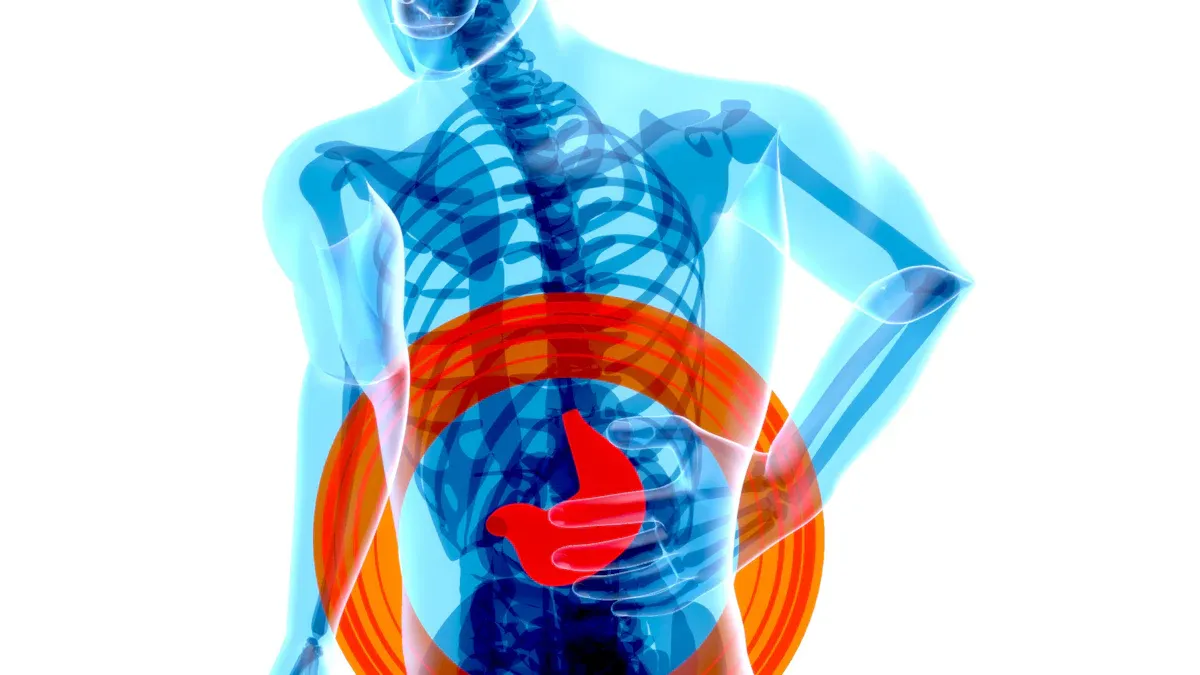
Appendicitis is a serious medical emergency. People must seek professional medical help immediately if they suspect appendicitis. Delaying care can lead to severe complications. The inflamed appendix can rupture. This causes life-threatening infections. Doctors provide the only effective treatment for appendicitis. Do not wait for symptoms to worsen. Prompt medical evaluation saves lives and prevents further health issues.
Dispelling Myths About Natural Remedies for Appendicitis
Many people look for alternative ways to manage health issues. However, natural remedies do not cure appendicitis. They cannot reduce the inflammation of the appendix. Relying on natural remedies for appendicitis can be dangerous. It delays necessary medical care. This delay increases the risk of a ruptured appendix, which can lead to peritonitis or sepsis.
Common misconceptions exist about treating acute appendicitis. Some people believe certain items can help. These include:
Herbs
Garlic
Ginger
Yogurt and milk
Warm compresses
These beliefs often come from cultural practices. People might think these items offer a cure for appendicitis. However, no scientific evidence supports these claims for appendicitis. These substances do not resolve the underlying problem with the inflamed appendix. Only surgery or specific medical interventions can address the appendix effectively. Always consult a doctor for suspected appendicitis. They provide the correct diagnosis and necessary care. The appendix requires professional attention.
FAQ
What causes appendicitis?
Appendicitis often occurs when a blockage forms inside the appendix. This blockage can be from stool, foreign objects, or swollen lymph nodes. The blockage leads to inflammation and infection. This condition requires prompt medical attention.
Can natural remedies cure appendicitis?
No, natural remedies do not cure appendicitis. They cannot reduce the inflammation of the organ. Only medical intervention, usually surgery, effectively addresses appendicitis. Relying on home remedies delays necessary care. This delay increases serious health risks.
What is the purpose of an appendicitis diet?
An appendicitis diet supports overall well-being. It focuses on easily digestible foods. This diet helps reduce strain on the digestive system. It does not treat appendicitis itself. Doctors recommend it for comfort and general health support.
How do doctors diagnose appendicitis?
Doctors diagnose appendicitis through a physical exam. They also use blood tests and imaging scans. These scans include ultrasound or CT scans. These methods help confirm the inflammation of the appendix. Early diagnosis of appendicitis is crucial for effective care.