Inflammation is your body’s protective response. Acute inflammation helps you heal from injuries or infections. However, chronic inflammation is a different story. It silently contributes to many modern diseases. In fact, chronic inflammation links to 70% of all chronic conditions.
You can combat this pervasive inflammation. Natural, accessible methods, especially through diet and lifestyle, are powerful tools. This blog provides 10 actionable tips for a Natural Way to Remove Inflammation.
Key Takeaways
Chronic inflammation harms your health. It links to many serious diseases. You can fight it with natural methods.
Eat an anti-inflammatory diet. Focus on whole foods like fruits, vegetables, and healthy fats. Limit processed sugars and unhealthy fats.
Move your body regularly. Get enough sleep. Manage your stress. These lifestyle changes help control inflammation.
Support your gut health. Stay hydrated. These actions help your body fight inflammation.
Consider natural remedies. Supplements like curcumin and omega-3s can help. Topical aids like diclofenac gel also provide relief.
Understanding Chronic Inflammation
What is Chronic Inflammation
Your body’s immune system protects you. When you get hurt or sick, it sends out a team to fix things. This is acute inflammation. It is a good thing. But sometimes, this team stays on duty too long. This leads to chronic inflammation. It is a long-term, low-level response. Your body keeps fighting even when there is no real threat. Inside your cells, signals can get mixed up.
This causes your body to make too many chemicals that cause inflammation, like cytokines. Your body also creates harmful molecules called reactive oxygen species (ROS). These ROS can damage your DNA. This damage can make cells grow too fast. It can also stop cells from dying when they should. This constant internal battle is what we call chronic inflammation.
How Inflammation Harms Health
This ongoing internal fight takes a toll on your body. Chronic inflammation does not just cause discomfort. It actively harms your health. It plays a role in many serious conditions. For example, it contributes to autoimmune diseases like lupus and rheumatoid arthritis.
You also see its effects in cardiovascular diseases, including heart disease and high blood pressure. Certain cancers can develop or worsen because of it. Gut problems like Crohn’s disease and inflammatory bowel disease are also linked. Lung diseases such as asthma and COPD often involve inflammation. Even mental health conditions like depression and anxiety can connect to this silent process. This constant inflammation can damage your cells and tissues over time. It makes your body work harder and can lead to many health problems.
Embrace an Anti-Inflammatory Diet
You can significantly reduce chronic inflammation through your food choices. An anti-inflammatory diet focuses on overall dietary patterns. It is not just about individual foods. This approach helps your body fight inflammation naturally.
Focus on Whole Foods
Your plate should feature whole, unprocessed foods. These foods provide essential nutrients. They also contain compounds that fight inflammation. For example, your diet should include dietary fiber, vitamin C, vitamin E, omega-3 fatty acids, zinc, and polyphenols. These components work together to protect your cells.
Many whole foods have strong anti-inflammatory properties. You should eat plenty of fruits and vegetables. Think about alliums like onions and garlic. Include apples, avocados, and berries. Cruciferous vegetables such as broccoli and kale are excellent choices.
Green leafy vegetables like spinach and chard also help. Don’t forget citrus fruits, dark chocolate, and fatty fish like salmon. Nuts and seeds, olive oil, and various spices like ginger and turmeric are also beneficial. These foods provide antioxidants and other protective compounds. They support healthy eating and reduce your body’s inflammatory response.
Adopt Mediterranean Principles
The Mediterranean diet is a great example of an anti-inflammatory eating pattern. It emphasizes whole, plant-based foods. You will find plenty of fruits, vegetables, whole grains, legumes, and nuts in this diet. These foods are rich in fiber and antioxidants.
This eating style prioritizes healthy fats. Olive oil is a primary fat source. You use it instead of butter. Nuts like almonds and walnuts are also important. You can enjoy moderate amounts of dairy, fish, and poultry. Eat fish and seafood, especially fatty types, a few times a week.
Limit red meat consumption. Also, reduce sugary desserts and sweetened drinks. The Mediterranean approach also encourages mindful eating. You eat with family and friends. You savor your meals. This helps your body and mind. This way of eating helps lower overall inflammation in your body.
Foods to Limit for Less Inflammation
You can make big changes to your health by knowing which foods to avoid. Some foods actively promote inflammation in your body. Limiting these choices helps you reduce inflammation.
Reduce Processed Sugars and Refined Carbs
Sugary drinks and processed foods often contain high amounts of processed sugars. These include fructose, sucrose, and High Fructose Corn Syrup (HFCS). Studies show these sugars can increase blood lipid levels and inflammatory markers like hs-CRP. When you eat a lot of these sugars, especially from beverages, your body can develop metabolic problems. This leads to more inflammatory chemicals and low-grade chronic inflammation.
Refined carbohydrates, like white bread and pasta, also cause problems. They quickly raise your blood sugar. This leads to high insulin levels. Your body then produces harmful molecules called reactive oxygen species (ROS). These ROS activate a pathway that releases pro-inflammatory cytokines. Refined carbohydrates also harm your gut bacteria. This can increase pro-inflammatory factors in your gut. These factors can then affect your whole body.
Minimize Unhealthy Fats and Oils
Not all fats are equal. Some fats can make inflammation worse. Saturated fatty acids (SFAs) are a concern. You find them in foods like coconut oil. Some research suggests these fats can increase endotoxin levels in your body. This can lead to inflammation. However, the science on fats is complex. It is not always clear which fats are definitively pro-inflammatory. Focus on reducing fats that are highly processed or come from unhealthy sources.
Cut Down on Processed Meats and Dairy
Processed meats often contain ingredients that promote inflammation. These include saturated fat, sodium, and various chemicals. These chemicals can damage your cells. Examples of processed meats are bacon, sausages, and deli meats.
Dairy products can also be a source of inflammatory compounds for some people. They contain saturated fat, especially in cheese and full-fat products. Dairy also has cholesterol, lactose, casein, and whey protein. For some individuals, these components can trigger an inflammatory response. You might find that reducing your intake of these foods helps your body feel better.
Foods That Fight Inflammation
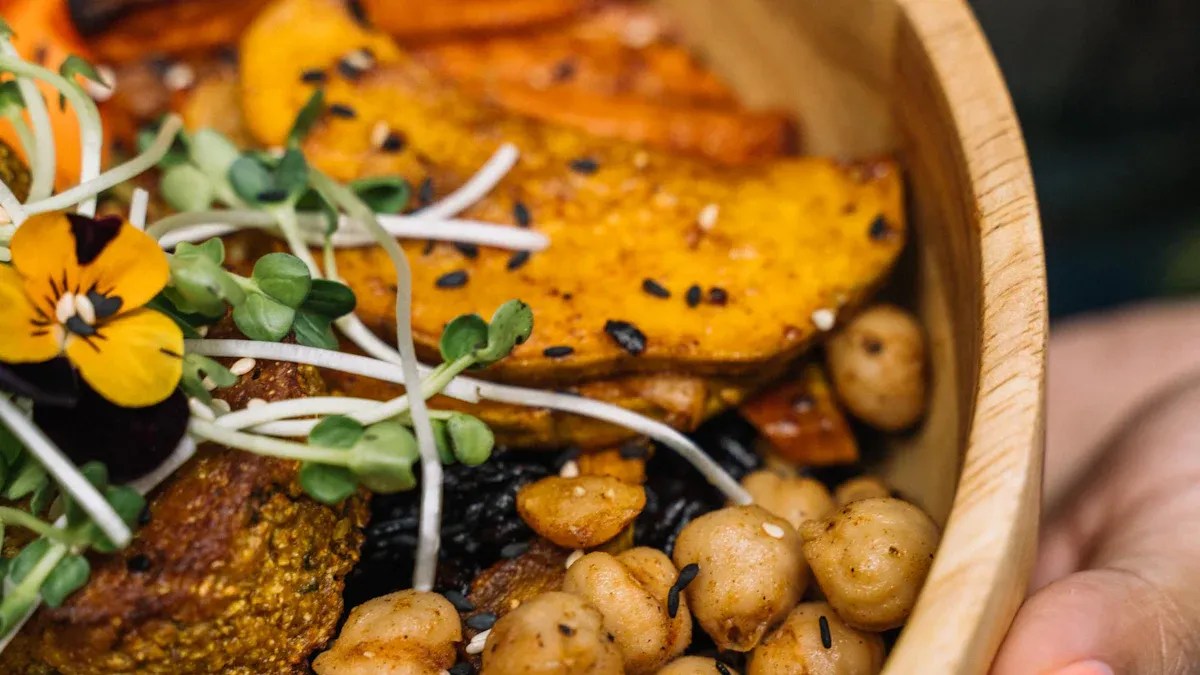
You can actively choose foods that fight inflammation. These choices help your body heal and stay healthy. Eating the right things is a powerful way to lower inflammation.
Consume Antioxidant-Rich Produce
Your diet should include plenty of colorful fruits and vegetables. These are excellent anti-inflammatory foods. They contain antioxidants like vitamin C, vitamin E, beta-carotene, and selenium. These compounds help protect your cells from damage. They also work to reduce chronic inflammation. For example, you can eat blueberries, apples, and leafy greens like spinach and kale. Strawberries, raspberries, blackberries, and cherries are also great choices. Tomatoes, carrots, and colorful peppers provide beneficial carotenoids. Carotenoids help lower C-reactive protein (CRP), a marker of inflammation in your body.
Incorporated Omega-3 Rich Foods
Omega-3 fatty acids are essential for reducing inflammation. Your body cannot make these fats, so you must get them from food. You find ALA (alpha-linolenic acid) in plant-based sources. These include flaxseed oil, soybean oil, canola oil, chia seeds, and walnuts. For EPA (eicosapentaenoic acid) and DHA (docosahexaenoic acid), look to fatty fish. Salmon, mackerel, tuna, herring, and sardines are excellent sources.
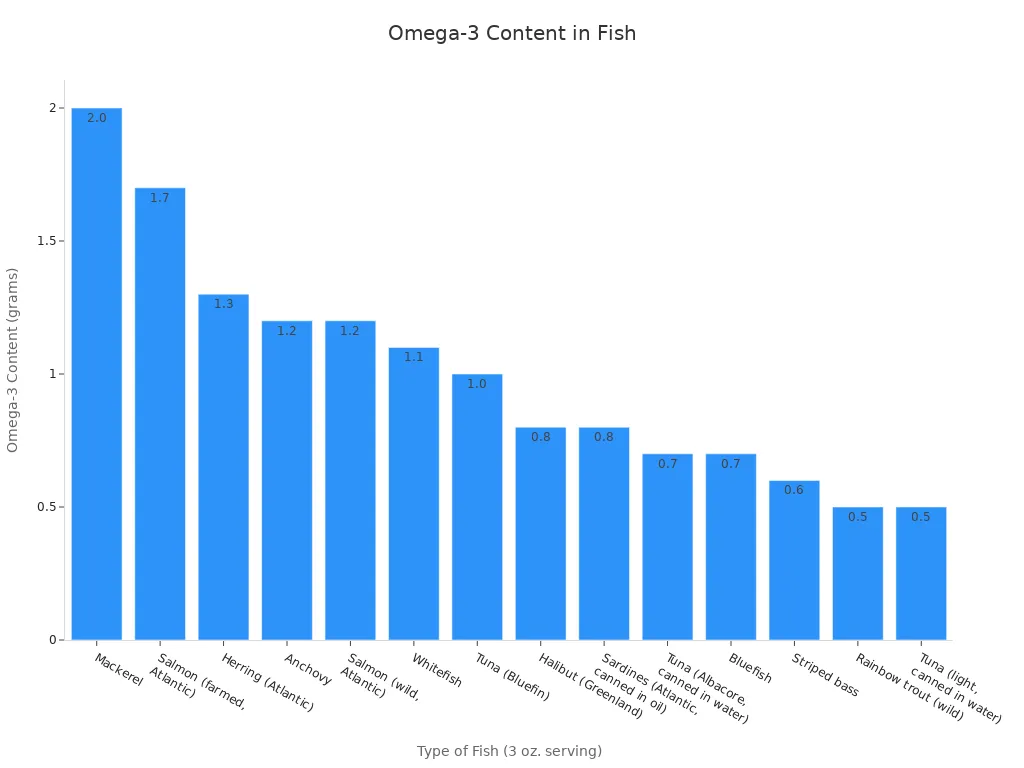
Type of fish (3 oz. serving) | Omega-3 content (DHA + EPA) |
|---|---|
Mackerel | 2.0 grams |
Salmon (farmed, Atlantic) | 1.7 grams |
Herring (Atlantic) | 1.3 grams |
Anchovy | 1.2 grams |
Salmon (wild, Atlantic) | 1.2 grams |
Whitefish | 1.1 grams |
Tuna (Bluefin) | 1.0 grams |
Halibut (Greenland) | 0.8 grams |
Sardines (Atlantic, canned in oil) | 0.8 grams |
Tuna (Albacore, canned in water) | 0.7 grams |
Bluefish | 0.7 grams |
Striped bass | 0.6 grams |
Rainbow trout (wild) | 0.5 grams |
Tuna (light, canned in water) | 0.5 grams |
These foods for fighting inflammation help calm your body’s response.
Utilize Anti-Inflammatory Spices
Spices do more than add flavor. Many have powerful anti-inflammatory properties. Turmeric contains curcumin, which blocks inflammatory pathways. Ginger has gingerol and shogaol.
These compounds also block inflammation in your body. Garlic contains diallyl disulfide. This limits the effects of pro-inflammatory cytokines. Cinnamon, with cinnamaldehyde and cinnamic acid, offers antioxidant benefits. Cayenne pepper contains capsaicinoids. These also have anti-inflammatory effects. Adding these spices to your meals is a simple way to boost your intake of anti-inflammatory foods. They help reduce overall inflammation.
Lifestyle for Inflammation Control
Your daily habits play a big role in controlling inflammation. Beyond what you eat, how you live your life offers a powerful natural way to remove inflammation. These lifestyle changes help your body stay balanced and healthy.
Regular Physical Activity
Moving your body regularly helps you reduce inflammation. Moderate exercise guides your immune system toward an anti-inflammatory state. You do not need intense workouts. Just 20 to 30 minutes of moderate activity, like a brisk walk, can have anti-inflammatory effects. For example, a single 20-minute session of moderate treadmill exercise reduced stimulated immune cells producing TNF by 5%. Increasing the frequency and intensity of your aerobic training further enhances these anti-inflammatory benefits. Make physical activity a regular part of your routine.
Prioritize Quality Sleep
Getting enough quality sleep is crucial for your health. When you sleep, your body repairs itself. Poor sleep can increase inflammatory markers in your body. Aim for 7-9 hours of restful sleep each night. Create a relaxing bedtime routine. This helps your body calm down and prepare for deep sleep.
Manage Stress Effectively
Chronic stress can trigger and worsen inflammation. Finding ways to manage stress effectively is vital. Mindfulness and meditation practices are excellent tools. They reduce stress hormones and decrease markers of inflammation, such as C-reactive protein (CRP). Stress management interventions also lower inflammatory biomarkers in individuals who are overweight or obese. This shows their potential as a cost-effective treatment.
Intervention Type | Effect on Proinflammatory Cytokines/Markers | Effect on Anti-inflammatory Cytokines |
|---|---|---|
Cognitive Therapy | Reduction (d = -0.95) | N/A |
Lifestyle Interventions | Reduction (d = -0.51) | N/A |
Mindfulness-Based Interventions | Reduction (d = -0.38) | Increase (d = 0.69) |
Heartfulness meditation significantly decreased cortisol levels, a stress biomarker, in meditators. You can also consider quitting smoking and limiting alcohol. These changes further support your body’s ability to fight inflammation.
Gut Health and Hydration
Your gut health and hydration levels significantly impact your body’s ability to manage inflammation. You can support your overall well-being by focusing on these two key areas.
Stay Adequately Hydrated
Water is vital for many bodily functions. It helps flush out toxins and lubricates your joints. Proper hydration also supports your body’s natural ability to fight inflammation. For most healthy individuals, you should aim for a daily intake of 30 to 50 ounces of water. This is about 1 to 1.5 liters. Drink water gradually throughout your day. Your daily water needs can change. For example, you need more water during exercise or physical activity due to sweat loss. Higher outside temperatures also mean you need more water. Certain health conditions or medications can affect water retention. Older individuals may also need to pay closer attention. They might have a reduced sense of thirst.
Support a Healthy Gut Microbiome
Your gut is home to trillions of bacteria. A balanced gut microbiome helps reduce inflammation throughout your body. You can support these beneficial bacteria with prebiotics and probiotics. Prebiotics are fibers that feed good gut bacteria. Natural sources include tomatoes, bananas, asparagus, berries, garlic, and onions. You also find them in chicory, green vegetables, legumes, and oats. Many fruits and vegetables like apples, oranges, beets, broccoli, and dandelion greens are also great sources. Grains like barley, buckwheat, and quinoa provide prebiotics too. Nuts and seeds such as cashews, chia seeds, and walnuts also help.
Probiotics are live beneficial bacteria. You find them in fermented foods. Common probiotic foods include yogurt with live cultures, kimchi, and many cheeses. Pickles, kombucha, and sauerkraut with live cultures are also good choices. Buttermilk, cottage cheese, and kefir also provide probiotics. These foods contribute to healthy eating and help maintain a balanced gut. A healthy gut reduces systemic inflammation.
Natural Remedies for Inflammation
You can explore specific natural remedies for inflammation. These options include supplements and topical applications. They offer additional ways to support your body’s healing process.
Explore Key Supplements
You can explore several key supplements as natural remedies for inflammation. These remedies help your body fight inflammation from within.
Curcumin: This compound from turmeric significantly reduces inflammatory markers. Studies show it helps people with metabolic syndrome and cancer patients.
Omega-3 fatty acids: DHA, found in fish oil, lowers inflammatory markers. These essential fats are powerful remedies.
Bromelain: This enzyme, often from pineapple, may reduce swelling after surgery. It is one of the natural remedies.
Green Tea: Its extract, especially EGCG, acts as an antioxidant. It reduces inflammation, especially when combined with exercise.
Garlic: Aged garlic extract improves inflammatory markers like TNF-α and IL-6. It is a potent remedy.
Vitamin C: This powerful antioxidant neutralizes free radicals. It helps reduce inflammation.
Ginger: Daily ginger intake improves blood sugar control and decreases inflammation. It also lowers inflammatory markers in some cancer patients.
Resveratrol: This compound can improve symptoms and inflammation in conditions like ulcerative colitis.
Spirulina: This blue-green algae may improve inflammatory markers and immune function in older adults. These remedies offer broad support.