Norovirus is a highly unpleasant illness. It causes severe symptoms like nausea and can lead to rapid dehydration. A global meta-analysis found norovirus causes about 19% of all acute gastroenteritis cases, often called the stomach flu. Another review showed incidence rates from 12.5 to 60 per 1000 person-years. Managing a norovirus infection requires careful attention. Your diet plays a crucial role in alleviating discomfort.
This guide offers clear, actionable diet tips. You will learn what to consume and what to avoid to support your body’s healing process. Proper food choices are fundamental for a speedy recovery from the stomach flu.
Key Takeaways
Drink plenty of clear fluids like water, broth, and sports drinks to avoid dehydration.
Eat bland foods like bananas, rice, applesauce, and toast to help your stomach heal.
Avoid fatty, spicy, sugary foods, and dairy products because they can make your symptoms worse.
Wash your hands often with soap and water to stop the virus from spreading.
Understanding Norovirus Infection
What is Norovirus
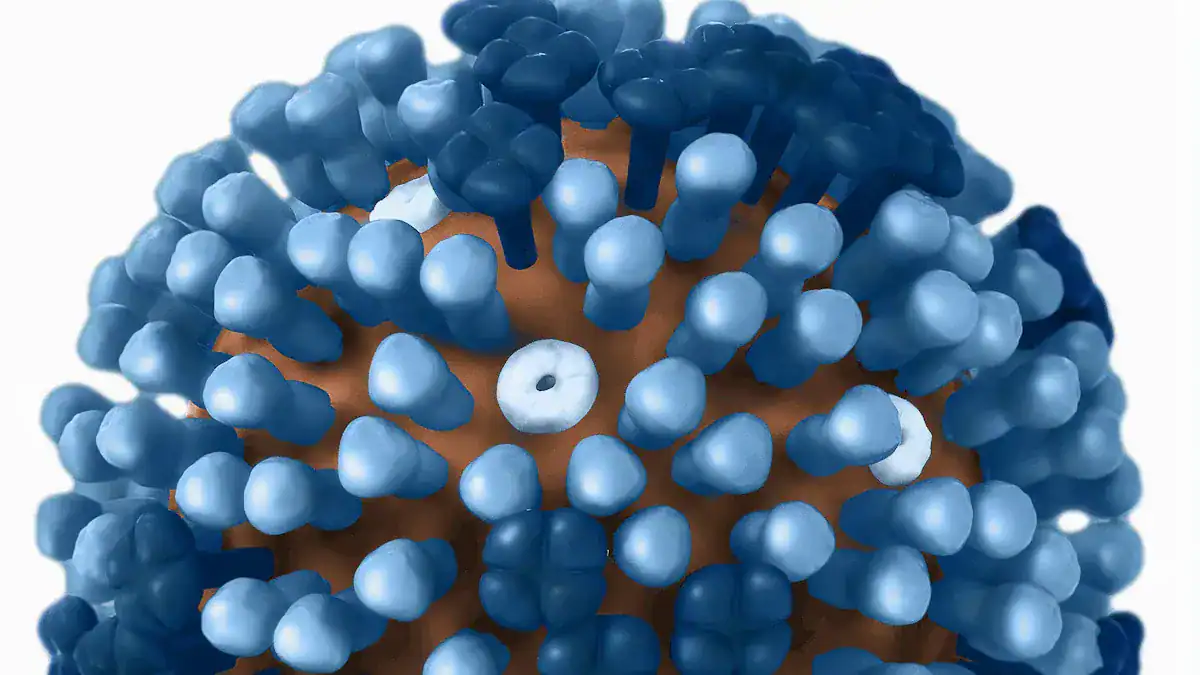
Norovirus is a very common virus. It causes an illness often called the stomach flu. This is not the same as the influenza flu, which affects your breathing. Norovirus infection leads to inflammation of your stomach and intestines. This condition is known as viral gastroenteritis. You can get very sick quickly.
Noroviruses spread easily. They primarily transmit through the fecal-oral route. This means you can get sick from consuming contaminated food or water. You can also get it from direct person-to-person contact. Vomiting can create tiny virus particles in the air. These particles can then enter your mouth or land on surfaces. The virus can live on surfaces for a long time. This makes it easy for new infections to start. Person-to-person spread is a main way outbreaks happen. Foodborne transmission is also common, often from infected food handlers.
If you get a norovirus infection, you will likely feel sick quickly. The time from exposure to when symptoms start is usually short. This incubation period typically ranges from 12 to 48 hours. Many people feel sick within one to three days. A study found the average time to symptom onset is about 32 hours.
Why Diet is Crucial
When you have the stomach flu, your body goes through a lot. You experience vomiting and diarrhea. These symptoms can quickly lead to dehydration. Your body loses important fluids and electrolytes. This is why your diet becomes extremely important. Eating the right foods helps your body recover. It also prevents you from getting more dehydrated. Choosing the wrong foods can make your symptoms worse. It can also slow down your recovery from the stomach flu. Making smart food choices helps you feel better faster.
Hydration: Key to Norovirus Recovery
When you battle the stomach flu, your body loses fluids quickly. Vomiting and diarrhea cause this rapid loss. You must replace these lost fluids right away. This is true even if you cannot eat solid foods. Proper hydration is your most important step toward recovery.
Essential Fluids for Rehydration
Focus on clear fluids first. They help prevent dehydration. Drink small, frequent sips. This helps you avoid more nausea or vomiting. Good choices include clear broths. These provide sodium, an important electrolyte. Non-caffeinated sports drinks also help. They replace lost salts and sugars. Herbal teas, like ginger or peppermint, can soothe your stomach. Ice chips are another good option. They provide slow, gentle hydration.
You need to replenish key nutrients. Electrolytes like potassium and sodium are crucial. Bananas contain potassium. Broth provides sodium. Water is always essential. Oral rehydration solutions (ORS) are very effective. They have the right balance of salts and sugars. Coconut water offers gentle hydration too. It contains natural electrolytes.
Fluids to Limit or Avoid
Some drinks can make your symptoms worse. Avoid them during a norovirus infection. Sugary drinks, like soda or fruit juice, can worsen diarrhea. Their high sugar content can pull more water into your intestines. Caffeinated beverages, such as coffee or energy drinks, can also increase fluid loss. They act as diuretics. Alcohol irritates your stomach lining. It also contributes to dehydration. Steer clear of these until you feel much better. Your body needs gentle care to recover from the stomach flu.
Foods to Eat for Norovirus Recovery

When you recover from norovirus, your body needs gentle care. You want to choose foods that are easy to digest. These foods help your stomach heal. They also give you energy without making your symptoms worse.
Gentle, Bland Options
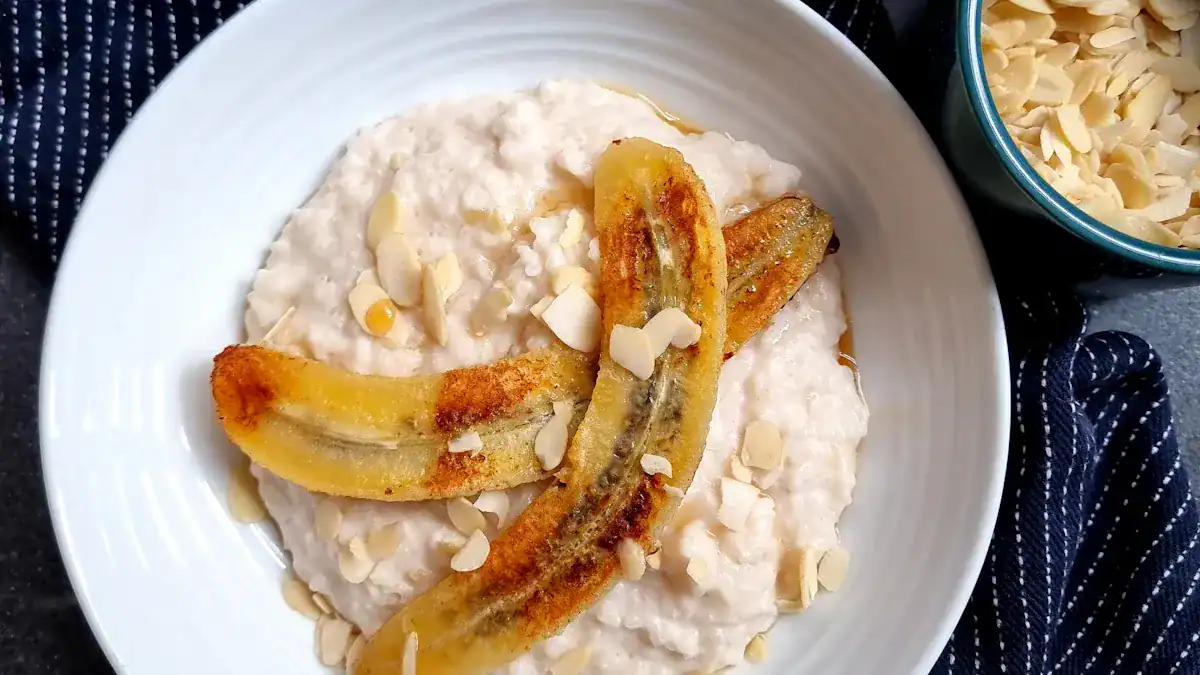
Start with very bland foods. These foods do not irritate your stomach. Many people know the BRAT diet. BRAT stands for bananas, rice, applesauce, and toast. These foods are low in fiber and easy on your digestive system.
While some sources suggest the evidence for the BRAT diet specifically is not strong, many still recommend eating whatever foods sound appealing and are tolerable. Bland foods, boiled starches, and certain drinks can help you recover from the stomach flu. A bland diet includes foods that are easy to digest and do not strain your stomach.
You can also include other gentle options. Cooked starches are good choices. These include plain white rice, boiled potatoes, and pasta made from refined white flour. These carbohydrates are low in fiber. They are easy for your body to break down.
Bananas: They provide potassium, an important electrolyte.
Plain white rice: It is easy to digest and helps bind your stool.
Unsweetened applesauce: It offers some nutrients and is gentle on your stomach.
Dry toast: Choose white bread. It is less irritating than whole-grain options.
Boiled potatoes: Peel them first. They are a good source of energy.
Plain crackers: These can help settle your stomach.
Other helpful foods include clear broths. These provide some nutrients and help with hydration. You can also try lean protein sources. Plain chicken breast or turkey are good options. Cook them simply, without much seasoning or fat.
Gradual Introduction of Solids
You can start reintroducing solid foods after about 24 hours. This is when your vomiting has stopped. Begin with small portions of bland foods. Listen to your body. It will tell you what you can handle.
After the first 24 hours, you can reintroduce solid foods. Eat bland foods as tolerated. Do this especially for the first 48-72 hours of the stomach flu.
Here is a good way to bring back solid foods:
Start with liquids: Make sure you can tolerate clear fluids first.
Add crackers or toast: If you feel hungry, try a few plain crackers or a piece of dry toast.
Slowly add simple carbohydrates: Include foods like rice, potatoes, or broth-based soups.
Introduce fruits: Applesauce and bananas are good choices.
Monitor your tolerance: If your symptoms worsen, go back to clear fluids. Try solids again later.
It may take one to two weeks before you can eat your typical diet. Do not rush the process. High-fiber foods can be hard to digest. They can make symptoms like bloating or nausea worse. Avoid raw fruits and vegetables at first. They can ferment in your gut. This can increase bloating. Cooked fruits and vegetables might be easier to tolerate.
Foods to Avoid During Norovirus
When you have the stomach flu, certain foods can make you feel much worse. You need to protect your digestive system. Avoiding these items helps your body recover faster.
Irritating and Hard-to-Digest Foods
Your stomach is already upset. You should avoid foods that will irritate it further or are hard to digest. These foods can worsen your symptoms like nausea and diarrhea.
Here are specific items you should avoid:
Fatty and Greasy Foods: Foods like fried chicken, pizza, burgers, and other fast food are very hard for your body to break down. They can upset your stomach and cause more vomiting.
Spicy and Highly Seasoned Foods: Hot peppers, strong spices, and heavily seasoned dishes can irritate your sensitive stomach lining. They can increase discomfort.
Dairy Products (Temporarily): Milk, cheese, and ice cream can be difficult to digest when you have a norovirus infection. Your body might temporarily lose the ability to digest lactose. This can lead to more bloating and diarrhea.
High-Fiber Foods (Initially): While fiber is usually good for you, too much can be tough on an upset stomach. Avoid whole grains, nuts, seeds, and raw vegetables at first.
Raw or Dried Vegetables and Fruits: Except for bananas and applesauce, avoid most raw fruits and vegetables. They can ferment in your gut and cause more gas and bloating. Dried fruits are also very concentrated in sugar and fiber, making them hard to digest.
Many food components can irritate your gastrointestinal tract during this time. These include:
Added sugars
Dairy
Citrus
Spicy foods
Artificial sweeteners
Other additives
You want to give your digestive system a break. Choose simple, bland foods instead.
Beverages to Steer Clear Of
Just like with foods, some drinks can hinder your recovery from the stomach flu. You need to choose your beverages carefully.
Caffeinated Beverages: Drinks like coffee, black tea, and energy drinks contain caffeine. Caffeine can act as a diuretic, meaning it makes you lose more fluids. This interferes with hydration. You should stay away from caffeine until your stomach settles. Drinks without caffeine are suggested for mild dehydration caused by norovirus.
Carbonated Beverages (Soda): The bubbles in soda can cause gas and bloating. The high sugar content can also worsen diarrhea.
Alcohol: Alcohol irritates your stomach lining and contributes to dehydration. It can also make you feel more nauseous.
Sugary Drinks and Juices: While some fruit juices might seem healthy, many contain a lot of sugar. This can pull more water into your intestines, making diarrhea worse. Avoid these until you are fully recovered.
Focus on clear, non-caffeinated fluids to help your body heal.
Preventing Norovirus Infection
You can take important steps to avoid getting norovirus. These actions protect you and others from this highly contagious illness. Prevention involves careful food handling and good hygiene.
Food Safety Practices
You play a key role in preventing norovirus through safe food practices. Always wash your hands before and after handling food. This is especially true for raw ingredients. You must cook certain foods thoroughly. For example, you should cook shellfish, like oysters, to an internal temperature of at least 145 degrees Fahrenheit. Quick steaming does not kill norovirus effectively. You should never eat raw or undercooked shellfish. Always rinse fresh fruits and vegetables under running water before you eat them. This removes any potential virus particles from their surfaces.
Hygiene Beyond Diet
Good hygiene goes beyond what you eat. It is your best defense against norovirus. You must wash your hands often with soap and water. Do this for at least 20 seconds. Wash your hands especially after using the restroom, changing diapers, and before eating or preparing food. Alcohol-based hand sanitizers are not effective against norovirus. This virus has a tough protein shell that alcohol cannot penetrate. This is different from other viruses. Therefore, always choose soap and water for hand hygiene.
You also need to clean and disinfect surfaces. Norovirus can live on surfaces for a long time. Use a chlorine bleach solution or other disinfectants approved for norovirus. You must allow the disinfectant to stay on the surface for the recommended contact time. This ensures it kills the virus. For example, a sodium hypochlorite solution (bleach) at 160 ppm can inactivate the Norwalk Virus in 30 seconds. Other disinfectants require longer contact times:
Disinfectant Type | Concentration | Contact Time | Target Virus/Surrogate |
|---|---|---|---|
Peracetic Acid (PAA) | 1000 ppm | 5 minutes | Murine Norovirus |
Accelerated Hydrogen Peroxide (AHP) | 0.18% | 5 minutes | Feline Calicivirus |
Sodium Hypochlorite | 2700 ppm | 1 minute | Feline Calicivirus and Murine Norovirus |
Always follow the product instructions for proper use.
Strategic diet choices are crucial for managing Norovirus symptoms and promoting a quicker recovery. You should embrace bland, hydrating foods and avoid fatty, spicy, sugary, and dairy items. Prioritize hydration and listen to your body’s signals. Seek medical attention if your symptoms are severe, persistent, or if you show signs of dehydration, such as decreased urination or dizziness. Remember, the stomach flu is temporary, and proper care helps you feel better.