

You often see Sudocrem everywhere. Many people think Sudocrem is very gentle. However, you must understand the potential side effects of sudocrem and its associated risks. Does Sudocrem have side effects? Yes, it does. While generally safe, adverse reactions and specific warnings exist. You should know about common side effects, allergic reactions, and the dangers of sudocrem for different age groups. We will also cover emergency protocols and safe application guidelines to ensure your safety with Sudocrem application.
Key Takeaways
Sudocrem can cause mild skin irritation, burning, or redness. Stop using it if you see these signs.
Allergic reactions to Sudocrem can happen. Look for swelling, blistering, or intense itching. Stop using it right away if this occurs.
Be careful when using Sudocrem on babies. Some ingredients can be harmful to their sensitive skin. Always use a very thin layer.
Never let children eat Sudocrem. Some ingredients are toxic if swallowed. Keep it out of their reach.
Always apply Sudocrem to clean, dry skin. Use a thin layer and do not put it on open wounds.
Common Side Effects of Sudocrem
While many people find Sudocrem gentle, you should know about some common side effects. These reactions are usually mild and temporary. You might experience them at the site where you apply Sudocrem.
Mild Skin Irritation
You might notice some mild skin irritation after using Sudocrem. This is one of the common side effects of Sudocrem. Your skin might feel a little uncomfortable or sensitive. This type of irritation is often temporary. It usually goes away on its own.
Burning or Stinging Sensation
Some people report a burning or stinging sensation when they apply Sudocrem. This particular reaction can be surprising. It typically lasts only a short time. If you feel this, it often means your skin is reacting to the product.
Skin Redness and Warmth
You might also see some skin redness or feel warmth at the application site. These are common reactions. Sometimes, a mild rash can develop. If you notice increased irritation or a persistent rash, you should pay attention. These are potential side effects of Sudocrem.
Allergic Reactions to Sudocrem
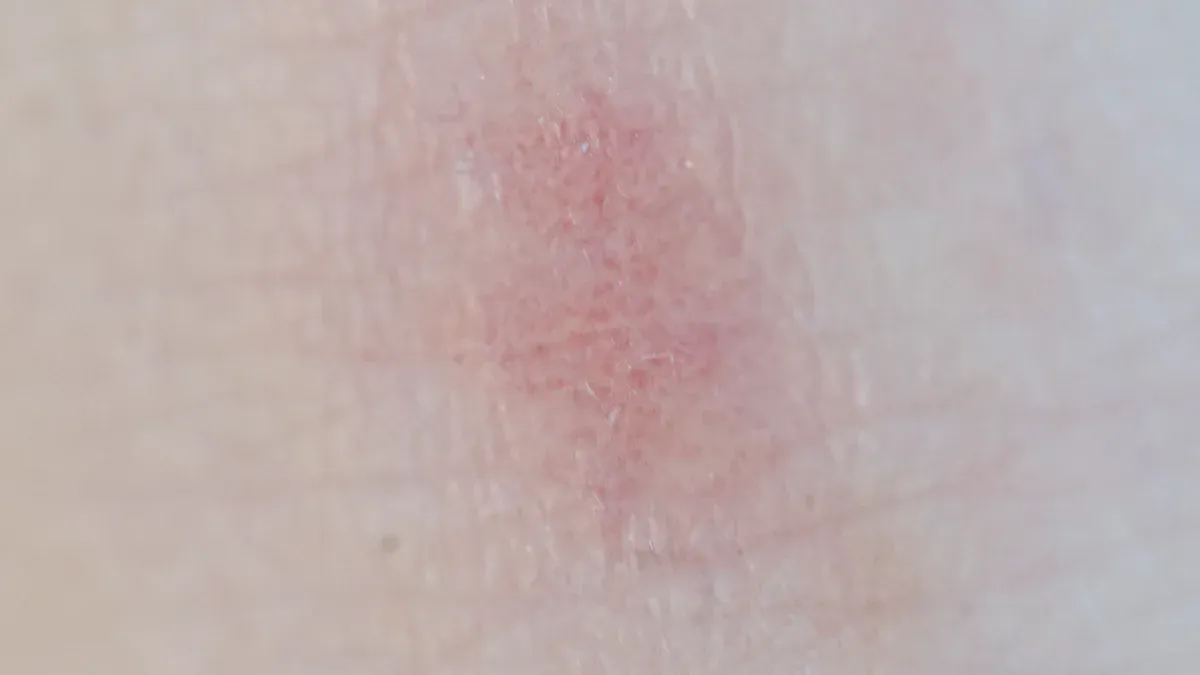
Sometimes, you might experience allergic reactions to products, even gentle ones like sudocrem. These reactions are not common, but they can happen. They occur especially if you have sensitive skin or an allergy to certain ingredients.
Recognizing Allergic Reactions
You need to know how to spot allergic reactions. They are different from mild irritation. Mild irritation usually goes away quickly. Allergic reactions can get worse and last longer. You might notice new symptoms that were not there before. These signs tell you your body is reacting to something in the product.
Symptoms of Contact Dermatitis
Allergic contact dermatitis is a type of allergic reaction. It happens when your skin touches something you are allergic to. You might see redness, swelling, or blistering on your skin. Itching can be intense. Sometimes, the skin can become dry, flaky, or cracked. Ingredients like Benzyl Benzoate and Benzyl Cinnamate, which are fragrances, are known EU allergens. They can cause contact dermatitis. Lanolin is another ingredient that can cause allergies. While some sudocrem products are ‘Lanolin Free,’ you should still be aware of its potential to cause reactions if present in other formulations.
When to Discontinue Use
If you notice any signs of allergic reactions, you should stop using sudocrem right away. Do not try to keep using it to see if the symptoms improve. If the redness, itching, or swelling gets worse, or if you develop blisters, discontinue use immediately. If your skin shows persistent irritation or other severe reactions, you should talk to a doctor. Your health professional can help you understand what caused the reaction and suggest the next steps.
Sudocrem Safety for Children

You must pay special attention to safety when you use sudocrem for children. Parents need to understand the specific considerations for young ones. Their skin is more delicate and sensitive than adult skin.
Risks for Newborns and Infants
Newborns and infants have very sensitive skin. You should know about certain ingredients in sudocrem that can pose risks to them. Sudocrem contains BHA, which scientists identify as an endocrine disruptor. This means it can interfere with hormones. The product also includes fragrance. This fragrance often contains parabens and phthalates. These chemicals can also affect a baby’s delicate system. Furthermore, sudocrem contains petrochemicals and propylene glycol. These ingredients can cause unwanted reactions on sensitive infant skin.
Sodium benzoate is another ingredient you should know about. This component may cause local irritation. It can also increase jaundice in newborn babies up to 4 weeks old. Therefore, you should be very careful when using sudocrem on babies, especially newborns.
Over-Application Risks in Infants
You might think more cream offers better protection. However, this is not always true, especially for infants. Over-application of sudocrem can create problems. A thick layer might trap moisture against the skin. This can make a diaper rash worse instead of better. It can also prevent the skin from breathing properly.
For effective and safe use, you should apply a very thin layer of sudocrem. You can apply it after each diaper change or as needed. This thin layer creates a protective barrier for babies without suffocating their skin. Always follow these guidelines to ensure proper care.
Keeping Sudocrem Out of Reach
You must always keep out of reach of children. Sudocrem is not a toy. Young children might try to eat it if they find it. Accidental ingestion can lead to serious health issues. The ingredients, especially camphor (in some formulations), can be toxic if swallowed. Always store sudocrem in a secure place where children cannot access it. This simple step prevents potential emergencies.
Specific Ingredient Risks in Sudocrem
You need to understand the specific ingredients in sudocrem. Some of these ingredients pose risks, especially if you misuse or ingest the product. Knowing these components helps you use sudocrem safely.
Camphor Toxicity and Symptoms
Some sudocrem formulations contain camphor. Camphor can cause rapid toxicity. This happens within 5 to 15 minutes if someone ingests it. It leads to serious symptoms, especially in children. For example, a 2-month-old girl developed elevated serum transaminases. This occurred after someone applied a 4.8% camphor ointment to her chest and neck three times daily for five days. The fatal dose of camphor for children is reported to be 500 mg/kg body weight. You must keep products with camphor away from children. Symptoms of camphor toxicity include nausea, vomiting, stomach pain, and difficulty breathing. It can also cause seizures. These are serious risks you should not ignore.
Sodium Benzoate Concerns
You should also be aware of sodium benzoate. This ingredient is present in sudocrem. It may cause local irritation on the skin. For newborn babies up to 4 weeks old, sodium benzoate can increase jaundice. This is a concern for very young infants. Always consider these potential risks when you apply sudocrem, especially to sensitive skin or newborns. Understanding these specific ingredient risks helps you avoid the dangers of sudocrem.
Accidental Ingestion Risks
You must understand the serious consequences if someone swallows Sudocrem. This is especially true for children. Swallowing too much Sudocrem can lead to significant health issues.
Symptoms of Ingestion
If someone swallows Sudocrem, they may experience various symptoms. You might see nausea, vomiting, or stomach pain. Difficulty breathing or fainting can also occur. Ingestion usually does not cause severe symptoms. However, possible symptoms include an episode of vomiting, loose stools, or mild diarrhea. Remember, some formulations contain camphor. Camphor can cause rapid toxicity. This can lead to serious symptoms like seizures, especially in children. These are important risks to consider.
Immediate Actions for Ingestion
You must act quickly if someone swallows Sudocrem. First, give the person a few sips of water. Then, observe them closely for symptoms. Look for loose stools, vomiting, or diarrhea. If symptoms occur, persist, or if you are unsure about the substance or amount ingested, immediately call the Poison Center Hotline at 1-800-222-1222. Do not wait. If symptoms persist, contact the Poison Center Hotline immediately. Understanding these immediate actions helps you manage the dangers of sudocrem ingestion.
Eye Contact Protocol
Sometimes, Sudocrem can accidentally get into your eyes. If this happens, you need to rinse your eyes thoroughly. Use plenty of clean water. Flush your eyes for several minutes. If irritation or discomfort continues after rinsing, you should seek medical advice. This helps prevent further eye irritation or potential damage.
When to Seek Medical Advice
You need to know when to get professional help. Sometimes, a minor issue can become more serious. Understanding these guidelines helps you protect your health.
Persistent or Worsening Rash
You should contact a doctor if a skin issue does not improve. If a rash worsens or lasts for more than 7 days after you use sudocrem, seek medical advice. This is important to prevent potential complications. You should also remember that using sudocrem for off-label applications should not replace prescribed medications. Always consult a healthcare professional if you have concerns about your skin condition.
Severe Allergic Symptoms
You must seek immediate medical attention for severe allergic reactions. These can include widespread hives, difficulty breathing, or swelling of your face or throat. These are serious reactions that require prompt care. Do not delay if you experience any of these symptoms.
Post-Ingestion Medical Care
You must act quickly if someone accidentally swallows sudocrem. In cases of accidental ingestion, you should immediately seek medical advice. Present the product packaging or relevant information to the doctor. If sudocrem is accidentally swallowed, medical assistance should be sought. This ensures the person receives proper care and evaluation.
Safe Application and General Warnings
You must follow proper safety precautions when you use sudocrem. This ensures you get the best results and avoid potential problems. Understanding these guidelines helps you use the product safely.
Proper Application Techniques
You should always clean the affected area first. Use a gentle, fragrance-free cleanser and lukewarm water. Pat the skin completely dry. Then, apply a small amount of sudocrem. A pea-sized amount is usually enough. Remember, a little goes a long way. Gently rub in the cream with circular motions. You want to create a thin, even layer. A translucent, slightly white film should remain on the skin. Do not rub it in completely.
This visible layer provides protection. Allow the cream to absorb. Reapply it as needed, usually 2-3 times daily. This is especially important after bathing and before bed. You should monitor for improvement. Discontinue use if your condition worsens. Always wash your hands after application, unless you are treating your hands. Avoid applying excessive amounts. This can hinder air circulation.
Storage and Product Integrity
You must store sudocrem correctly to maintain its effectiveness. Keep it in a cool, dry place. Store it below 25°C. Keep it away from direct sunlight. Always replace the lid tightly after each use. This prevents contamination. Do not share your sudocrem with others. This is another important safety measure. Always keep it out of reach of children. These precautions help keep the product safe and effective.
Avoiding Use on Open Wounds
You should never apply sudocrem to open wounds. This product is for intact or mildly irritated skin. Applying it to broken skin can cause further irritation or infection. You must avoid using on broken skin. If you have an open wound, consult a healthcare professional for proper treatment. This is a crucial precaution for your skin’s health.
Sudocrem is a widely used and effective product. However, understanding the side effects of sudocrem is paramount. You must adhere to safe application guidelines. Remember the crucial risks and warnings discussed. Always read product labels carefully. You should perform a patch test before full application. This patch test helps identify any reactions. Consult healthcare professionals for any concerns, especially regarding children. Your informed usage ensures skin health and safety. These precautions are vital for safe application.
FAQ
Is Sudocrem effective for eczema?
Sudocrem can soothe mild eczema symptoms. It helps reduce redness and irritation. However, it is not a primary treatment for severe eczema. You should consult a doctor for a proper eczema treatment plan. This product offers symptomatic relief for eczema.
Can Sudocrem help with diaper rash?
Yes, Sudocrem is a common treatment for diaper rash. It forms a protective barrier. This barrier helps heal the skin and prevents further irritation. You should apply a thin layer after each diaper change. It aids in the treatment of diaper rash.
What is the best treatment for severe eczema?
For severe eczema, you need a doctor’s treatment plan. This often includes prescription creams or oral medications. Sudocrem is not effective in treating eczema that is severe. It provides only temporary relief. Always seek professional medical treatment.
Is Sudocrem a medicated diaper rash cream?
Sudocrem is a medicated diaper rash cream. It contains active ingredients like zinc oxide. These ingredients help to heal and protect the skin. It provides a good treatment option for mild to moderate diaper rash.


