Your body offers valuable clues about your health, and your stool provides significant insights. While it may seem an unusual topic, understanding your stool is a simple yet powerful way to monitor your overall digestive well-being.
A stool color chart, often called a poop color guide or poop color chart, helps you interpret these signs. This tool demystifies what different poop colors and consistencies indicate about your digestion. You can then better understand your digestive health and know when to seek professional advice.
Key Takeaways
Your stool color and shape give clues about your health. A stool chart helps you understand these signs.
Brown stool is normal. Green stool often comes from food. Yellow stool can mean too much fat.
Red or black stool can be serious. It might mean bleeding. See a doctor if you see these colors.
The Bristol Stool Chart shows stool shapes. Types 3 and 4 are healthy. Hard or watery stool means a problem.
See a doctor if stool changes last long. Also, look for pain, blood, or other bad symptoms.
Understanding Your Stool Color Chart
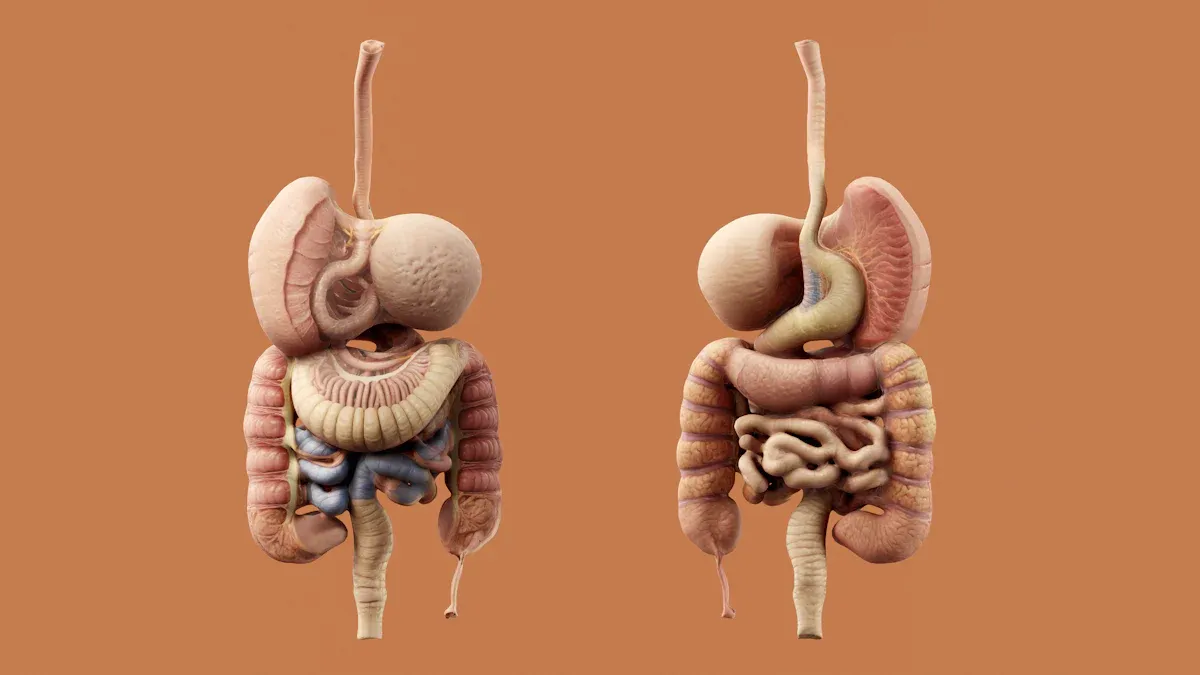
Understanding your stool color chart helps you interpret these signs. This poop color chart is a vital resource.
Normal Stool Color: What to Expect
You might wonder about the ideal color of your poop. Normal stool color ranges from tan to espresso brown. This brown coloration is primarily due to what you consume and the amount of bile present in your stool.
Bile, a fluid your liver produces for fat digestion, starts as a yellowish-green color. As its pigments travel through your digestive system, they undergo chemical changes. These changes result in the familiar brown coloration.
All shades of brown and even green are generally considered normal. This is the expected color of normal stool. Your stool color chart helps you recognize these healthy variations. This poop color guide is a useful tool.
Green Stool: Common Causes and When to Worry
You might occasionally see green stool. This can be surprising, but it often has simple causes. Eating a lot of green leafy vegetables, like spinach or kale, can turn your poop green.
Food dyes in green drinks or desserts are also common causes. Sometimes, if food moves too quickly through your digestive system, bile does not have enough time to break down completely.
This rapid transit can result in green stool. You should not worry about green stool unless it persists or you experience other symptoms. Persistent green stool, especially with diarrhea, can sometimes indicate an infection or other digestive issues. These are some common causes of green poop.
Yellow Stool: Decoding Its Meaning
Yellow stool can indicate several things. Changes in your diet can impact your stool color, potentially leading to yellow stool. Your food choices are likely responsible for yellow stool. Consuming foods rich in beta-carotene or those with yellow, orange, or red dyes can cause this. Beta-carotene is found in:
Carrots
Squash
Sweet potatoes
Some leafy greens and herbs
Certain supplements
Sometimes, yellow stool indicates too much fat in your poop. This can happen if your body does not absorb fats properly. Conditions like celiac disease or pancreatic issues can lead to fatty, yellow stool. If your yellow stool is greasy, foul-smelling, or persistent, you should talk to a doctor. This could be a sign of unhealthy stools. Your poop can tell you a lot. These are some common causes of yellow poop.
Red Stool: Food, Bleeding, and Concerns
Seeing red in your stool can be alarming. Often, food is the cause. Many red foods and drinks can temporarily change your stool color. These include:
Jello
Red drinks (e.g., Kool-Aid)
Candy
Frosting
Food coloring
Beets
Red peppers
Rhubarb
Tomatoes (including juice, soup, sauce)
Cranberries
However, red stool can also indicate bleeding in your lower digestive tract. Bright red blood usually means bleeding closer to the rectum, such as from hemorrhoids or anal fissures. If you see red stool and have no recent intake of red foods, or if you experience pain, dizziness, or weakness, seek medical attention immediately. These stool color changes are serious. A quick check of your poop can save you worry.
Black Stool: Iron, Diet, or Internal Bleeding?
Black stool can be a sign of something harmless or something serious. Eating dark-colored foods like blueberries or black licorice can turn your poop black. Certain medications and supplements are known to cause black stool. These include:
Iron supplements
Bismuth subsalicylate (commonly found in Pepto Bismol®)
Activated charcoal
However, black, tarry stool (melena) often indicates bleeding in the upper digestive tract, such as from an ulcer. The blood changes color as it travels through your system. If your black stool is sticky, foul-smelling, and not explained by diet or medication, you need urgent medical evaluation. These stool color changes are a red flag. Your poop provides important clues. Always pay attention to your poop.
Pale Stool: White, Gray, or Clay-Colored Indicators
Pale stool, appearing white, gray, or clay-colored, is never normal. This color indicates a lack of bile in your stool. Bile gives poop its brown color. When bile cannot reach your intestines, your stool becomes pale. This often points to a problem with your liver, gallbladder, or bile ducts.
Gallbladder disease: Conditions like gallstones can block the bile duct. This leads to pale stool, intense pain, nausea, vomiting, fever, chills, and jaundice.
Liver problems: Issues with the liver or bile ducts prevent bilirubin from passing into the stool. This causes it to appear pale or clay-colored. Examples include infectious diseases (hepatitis A, B, C), alcohol-related liver damage, and fatty liver disease. Other symptoms can include nausea, vomiting, fatigue, dark urine, fatty stool, itching, and swelling in the ankles or legs.
Cholestasis of pregnancy: This liver disease, which can occur during pregnancy, causes pale stool along with intense itchiness, dark urine, pain in the upper right abdomen, and jaundice.
You should seek immediate medical attention if you notice pale stool. This is one of the most significant stool color changes and can indicate serious underlying causes. A poop color guide helps you identify these unhealthy stools. This stool color chart is a vital resource. These are the main causes of pale poop.
Stool Consistency: The Bristol Stool Chart Explained
You already know your stool color offers clues about your health. The shape and texture of your poop also provide vital information. The Bristol Stool Chart is a simple tool. It helps you understand the consistency of your stool. This chart classifies poop into seven different types. It helps you identify if your digestive system works well. You can use this poop consistency chart to monitor your digestive health.
Types of Stool on the Bristol Stool Chart
The Bristol Stool Chart helps you categorize your poop. It shows seven different types of stool. Each type tells you something about your digestion.
Types 1 and 2: These types indicate constipation. Type 1 appears as separate, hard lumps. They look like nuts. Type 2 is sausage-shaped but lumpy. These stools are hard, dry, and difficult for you to pass. They may also appear darker in color. This happens when food moves too slowly through your digestive system.
Types 3, 4, and 5: These are generally the most typical stool types.
Types 6 and 7: These types are unusually loose. They may indicate diarrhoea and urgency.
Ideal Stool Consistency for Digestive Health
You want to aim for a specific type of stool for optimal digestive health. Types 3 and 4 on the bristol stool chart are considered ideal. They are typical and easy for you to pass.
Type 3: This stool looks like a sausage. It has cracks on its surface.
Type 4: This stool also looks like a sausage or snake. It is smooth and soft.
These types of poop show that your body absorbs nutrients well. They also show that your digestive system processes waste efficiently. A healthy stool passes easily. You should not strain to have a bowel movement. This ideal consistency means your body has enough fiber and water. It shows good overall digestion.
Constipation: Hard and Difficult Stool
Constipation means you have hard and difficult stool. You might experience infrequent bowel movements. Your poop will often be Type 1 or Type 2 on the bristol stool chart. This condition can cause discomfort. Many factors can lead to constipation.
Lifestyle factors: You might not eat enough fiber. You may not drink enough water, leading to dehydration. A lack of exercise can also contribute. Changes in your routine, like travel or different eating patterns, can affect you. Consuming large amounts of milk or cheese can cause constipation. Stress also plays a role. Resisting the urge to have a bowel movement makes constipation worse.
Medications: Some medicines cause constipation. Strong pain medicines, like codeine, are examples. Nonsteroidal anti-inflammatory drugs (NSAIDs) like ibuprofen can also cause it. Antidepressants, antacids with calcium or aluminum, and iron pills are other culprits.
Hormonal changes: Pregnancy and the time after childbirth can lead to constipation. The fetus can compress your intestines.
Neurological disorders: Conditions like spinal cord injury, multiple sclerosis, and Parkinson’s disease affect bowel function. A stroke can also cause constipation.
Digestive diseases: Obstructed defecation syndrome and intestinal pseudo-obstruction are examples. Lazy bowel syndrome means your colon contracts poorly. Intestinal obstruction and structural defects also cause constipation.
If you experience persistent constipation, you should talk to your doctor.
Diarrhea: Loose or Watery Stool
Diarrhoea means you have loose or watery stool. Your poop will often be Type 6 or Type 7 on the bristol stool chart. This condition can be uncomfortable and urgent. Many things can cause diarrhoea.
Dietary Factors: Certain foods, drinks, and supplements can lead to loose stools. Sugar alcohols, found in fruits and artificial flavorings, have a laxative effect. Diets high in lactose, a sugar in milk products, can cause diarrhoea if your body malabsorbs it. Alcohol, rich foods, spicy foods, coffee, and magnesium can also cause loose poop.
Infections: Viruses, bacteria, or parasites can inflame your stomach and intestines. This results in loose stools. Viral infections are the most common cause. Norovirus causes many foodborne illnesses. Bacterial infections like Salmonella and E. coli also cause foodborne illnesses.
Chronic Conditions: Ongoing loose stools, lasting over four weeks, often point to underlying health issues. Irritable Bowel Syndrome (IBS) is a common chronic digestive condition. It affects many people in the U.S. Loose stools and diarrhoea are common symptoms. Ulcerative Colitis (UC) causes inflammation and ulcers in your colon. Crohn’s Disease causes long-term inflammation in your digestive system. Celiac Disease is an autoimmune condition. Gluten triggers inflammation in your small intestine. All these conditions can lead to diarrhoea and loose poop.
Liver and Gallbladder Disorders: Problems with these organs can impair bile function. Bile is crucial for fat breakdown in your intestines. This can lead to loose stools.
If you have persistent diarrhoea, you should seek medical advice. Your poop consistency can tell you a lot about your digestive health.
What Influences Your Stool Appearance
Many factors can change your stool. Your daily habits and what you put into your body directly affect your poop. You can learn a lot about your digestive health by understanding these influences.
Diet and Hydration’s Impact on Stool
What you eat and drink greatly affects your stool. Fiber and water are key for healthy stool. Eating enough fiber helps your digestion. It adds bulk to your poop. This makes stool easier to pass.
Not enough fiber can lead to constipation. Studies show lower dietary fiber intake relates to a higher risk of constipation based on stool consistency. Increasing fiber can help alleviate constipation symptoms. However, some research suggests increasing fiber might cause constipation in very active people. Drinking enough water keeps your stool soft. Dehydration makes your poop hard. This also causes constipation.
Medications and Supplements Affecting Stool
Many medicines and supplements can change your stool. They can alter its color or consistency. You might notice stool color changes.
Black stools: Iron supplements, charcoal, and bismuth (like Pepto-Bismol) are common causes.
Red or orange stools: Phenazopyridine, rifabutin, rifampin, and antacids with aluminum can cause this.
Reddish stools: Cefdinir (Omnicef) can cause this when it mixes with iron in baby formulas.
Green poop: Iron supplements and antibiotics can lead to green stool. These medications can also affect your stool’s consistency and shape.
The Role of Gut Bacteria in Stool Health
Your gut contains trillions of bacteria. These tiny organisms play a big role in your digestion. They help break down food. They also produce vitamins. A healthy balance of gut bacteria leads to healthy stool. An imbalance can cause digestive issues. This includes changes in stool color and consistency. Good gut health supports efficient digestion.
Stress and Lifestyle Effects on Digestion
Your mind and body are connected. Stress can directly impact your digestive system. High stress levels can speed up or slow down your digestion. This can lead to diarrhea or constipation.
Lack of exercise also affects your bowel movements. Regular physical activity helps move food through your intestines. This promotes regular, healthy stool. These lifestyle factors are common causes of changes in your poop.
When Stool Color Changes Warrant a Doctor’s Visit
Your stool offers important clues about your health. While many changes are harmless, some stool color changes signal a need for medical attention. You must know when to seek professional advice.
Persistent Stool Color Changes: Red Flags
You should pay close attention to how long stool color changes last. If you notice changes in your stool color that persist for several days, seek medical advice. This persistence can be a red flag. For example, if your poop remains an unusual color without a clear dietary cause, you should consult a healthcare provider. These persistent stool color changes can indicate underlying issues.
Accompanying Symptoms to Watch For
Beyond just color, other symptoms of stool color changes can tell you when to worry. You should watch for:
Blood in your stool.
IBS-like symptoms with a fever or dramatic weight loss.
Black or tarry stools not caused by diet or medicine.
Red stools that persist or come with pain.
Green stools that continue and include diarrhea.
Mucus in your stool, especially with abdominal pain or persistent diarrhea or constipation.
Persistent or unusually foul-smelling stools.
Constipation or diarrhea lasting longer than two weeks.
Severe diarrhea with other symptoms like fever, chills, or vomiting.
Stools that are deep red, maroon, or black and tarry with a strong odor.
Sudden urges to have a bowel movement.
Mucus or fluid leaking from your rectum. These symptoms, combined with stool color changes, often point to unhealthy stools.
Urgent Signs: Blood, Mucus, or Severe Pain
Some signs require immediate medical care. If you see a large amount of blood in your poop, or if you pass blood without any stool, go to the emergency room (ER) immediately. You should also go to the ER if you are vomiting blood.
If you experience a sudden drop in blood pressure, lightheadedness, or feel like fainting, go to the ER right away. Call 911 if you faint, are too weak to stand, or suspect a life-threatening emergency. These are serious causes for concern.
Preparing for a Medical Consultation
When you decide when to see a doctor, gather information. Note the exact stool color changes you observe. Write down any accompanying symptoms and how long they have lasted. This information helps your doctor understand the causes of your unhealthy stools and make an accurate diagnosis.
Monitoring your stool color and consistency is a simple, crucial practice for your digestive health. Your poop offers valuable clues about your digestion. Many changes are harmless and diet-related. However, persistent or alarming symptoms need professional medical attention for your digestive system. Be proactive about your digestive well-being. Use this information as a guide, not a diagnostic tool for your digestion.
Listen to your body. Consult healthcare professionals for personalized digestive advice.
This simple check of your poop helps you stay healthy. 💩
FAQ
What is the main purpose of a stool color chart?
A stool color chart helps you understand your digestive health. It shows what different stool colors mean. You can use it to monitor your body’s signals. This helps you know when to seek medical advice.
What does it mean if my stool color changes frequently?
Frequent stool color changes often reflect your diet. Foods with strong pigments can alter your poop’s color. For example, beets can make your stool red. These changes are usually harmless.
What is the Bristol Stool Chart?
The Bristol Stool Chart classifies stool consistency. It has seven types, from hard lumps to watery. You use it to check your bowel health. Types 3 and 4 are ideal for good digestion.
What foods can change my stool color?
Many foods can change your stool color.
Green: Leafy greens, green food coloring.
Red: Beets, red berries, red food coloring.
Black: Blueberries, black licorice. These changes are usually temporary.
What should I do if I see blood in my stool?
If you see bright red blood, it could be from hemorrhoids. Black, tarry stool can mean bleeding higher up. You should always contact your doctor if you see blood in your stool. This is important for your health.