

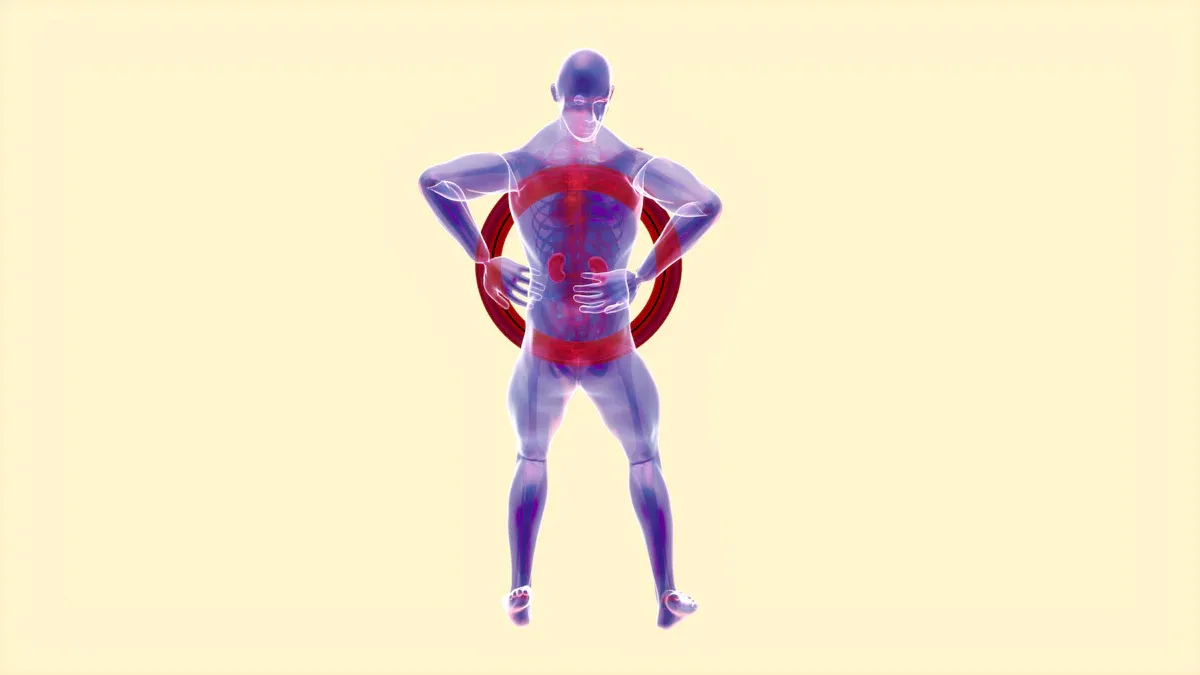
You may often experience frustrating upper back pain. This common discomfort can disrupt your daily life. An upper back pain location chart offers a helpful tool for initial self-assessment. This pain location chart helps you understand your symptoms. Pinpointing the specific location of your pain gives you clues about its potential cause. Remember, this chart is for informational purposes only. It does not replace a professional medical diagnosis.
Key Takeaways
An upper back pain chart helps you understand where your pain is. It shows different areas of your back. You can match your pain to these areas.
Many things cause upper back pain. These include muscle strain, bad posture, and problems with your spine. Pain can also come from other body parts.
Pain on the left or right side of your upper back has specific causes. These include muscle problems, rib issues, or pain from other organs.
You must see a doctor for certain pain. Look for ‘red flag’ symptoms like sudden weakness or loss of bladder control. Also see a doctor if your pain lasts a long time.
Upper Back Anatomy
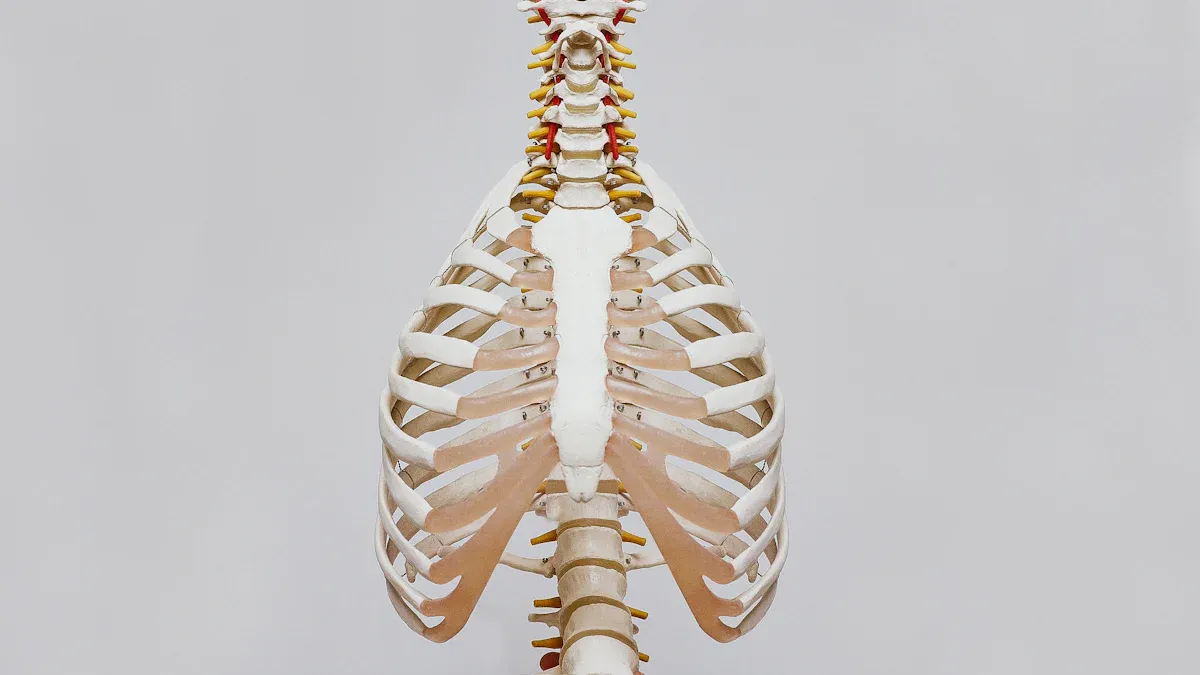
Understanding your upper back’s structure helps you pinpoint where your pain comes from. This area, also known as the thoracic spine, includes many important parts.
Key Upper Back Structures
Your upper back contains many structures. The vertebral column is a main part. It has 33-35 vertebrae in total. The thoracic region, relevant to your upper back, consists of vertebrae T1 through T12. These bones are crucial. They connect to your ribs, forming the back of your rib cage. This design gives stability and protects vital organs like your heart and lungs. It also limits movement compared to your neck or lower back.
Muscles also play a big role. You have superficial (extrinsic) muscles. They sit just under your skin. These muscles help move your arms and shoulders. You also have deep (intrinsic) muscles. They run along your spine. These muscles help you keep good posture and move your spine. Ligaments are tough tissues. They connect bones and keep your spine aligned. Intervertebral discs sit between your vertebrae. They act like cushions, absorbing shock and allowing flexibility. Each disc has a strong outer layer and a soft, gel-like center. These structures can be sources of discomfort. Conditions like osteoporosis or osteoarthritis can affect them, leading to tenderness or pain.
Pain Signal Pathways
When you feel pain, a complex process begins. Pain messages start in your peripheral nervous system. They travel to your spinal cord. In the spinal cord, nerve fiber bundles have ‘gates.’ These gates control how pain messages flow to your brain. Many things influence these gates. The intensity of the pain, other nerve messages like touch, and signals from your brain all play a part.
The message can go directly to your brain, change before it goes, or stop completely. Once in your brain, pain messages follow different paths. ‘Fast’ pain travels quickly to parts of your brain for immediate action. ‘Slow’ pain, often chronic, goes to areas that affect stress and emotions. Your brain also interprets pain based on your personal feelings and surroundings. Messages from your brain can even make pain signals stronger or block them entirely.
Using the Upper Back Pain Location Chart
An upper back pain location chart is a visual tool. It helps you understand your discomfort. This chart highlights specific vertebrae. It also pinpoints areas of inflammation, discomfort, and affected nerve pathways. You use this pain location chart to match your specific pain area to zones on the chart. This process helps you identify where your pain originates.
Identify Your Pain Zone
You begin by looking at a typical diagram. This diagram shows different regions of your upper back. You match your specific discomfort to these zones. For instance, if you feel discomfort directly between your shoulder blades, you find that zone on the diagram. If your discomfort is more to the left or right, you locate that corresponding area.
Many body maps are available. You see an image of a body, like the Michigan Body Map. You then indicate areas of persistent or recurrent discomfort. You check all relevant areas on the body image where you experience discomfort. This method helps you visualize your discomfort patterns. This initial step helps you narrow down potential causes based on the exact spot of your discomfort.
Interpret Pain Characteristics
Once you identify your discomfort zone, you consider the characteristics of your pain. The type of sensation you feel offers important clues. For example, muscle pain from spasms feels tight, cramped, and localized. You might describe it as a deep, unyielding ache or a hard knot. This sensation often occurs between your shoulder blades.
Muscle spasms can also cause other symptoms. You might feel radiating discomfort. This discomfort starts at the spasm site but can spread to your neck, shoulders, or even down your arms. You may experience sharp, stabbing sensations. This is often sudden and distinct from a dull ache. A tight knot sensation is common. This feels like a hard, unyielding knot that is difficult to massage away. You might also have cramping sensations. The muscle feels seized up and unwilling to release. Intense stiffness makes simple movements difficult. You might even feel discomfort with breathing. This is common due to the connection between back muscles and your rib cage. It causes sharp sensations with inhalation. Numbness or tingling can extend into your arms or hands. This happens if the spasm puts pressure on nearby nerves. If this occurs, or if you have weakness, you need medical attention.
In contrast, nerve pain typically presents differently. You feel a shooting, burning, or electric sensation. This sensation travels along specific pathways, like the discomfort associated with sciatica. Understanding these differences helps you better describe your symptoms to a healthcare professional.
Central Upper Back Pain Causes
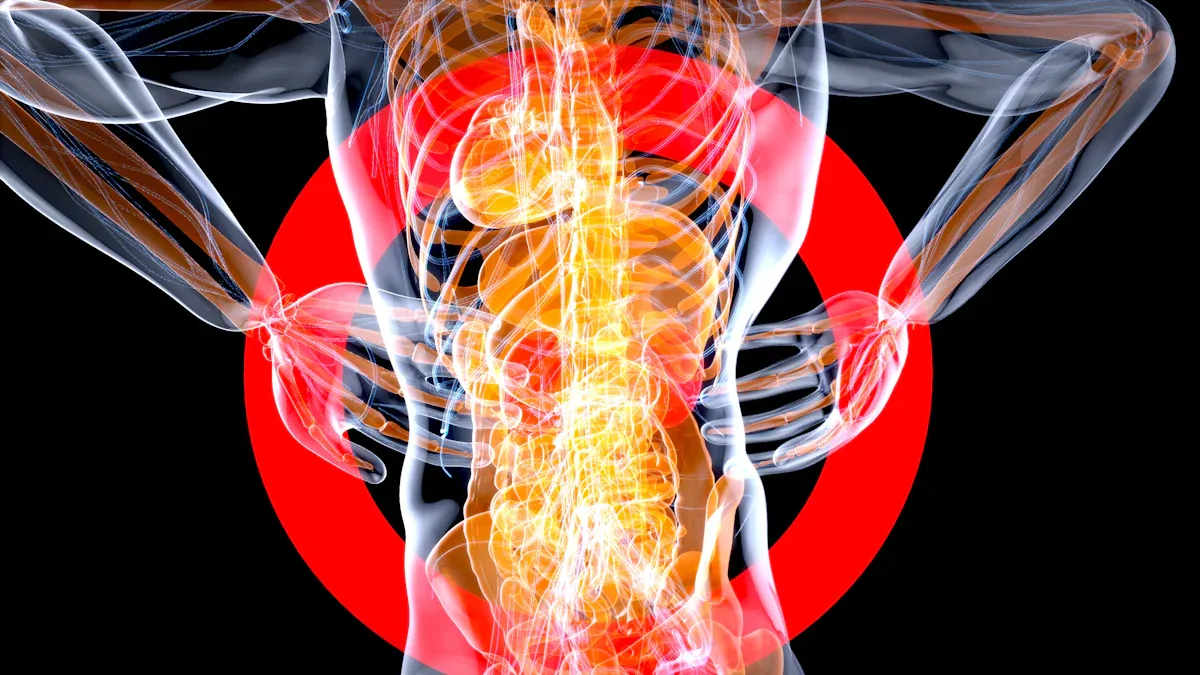
Many things can cause central upper back pain. Understanding these causes helps you find relief.
Muscle Strain and Spasms
Muscle strains and spasms are very common causes of central upper back pain. You might strain your muscles by lifting heavy objects. Improper lifting techniques often lead to this problem. Overuse or sudden movements can also cause your muscles to tighten up. This creates a deep, aching pain. You might feel a hard knot in your back. This pain can make it hard to move freely.
Postural Issues
Poor posture also leads to central upper back pain. Many people who have upper back pain find it hard to sit or stand straight. Slouching or hunching over a desk for long periods puts stress on your spine. This constant stress makes your muscles work harder. Over time, this causes fatigue and pain in your upper back. Maintaining good posture helps prevent this common issue.
Thoracic Spine Dysfunction
Sometimes, your thoracic spine does not work right. This is called thoracic spine dysfunction. You might feel a dull, pressing pain on or between your shoulder blades. This pain gets worse when you move your upper back. You may also have limited upper body movement or a bent posture. Discomfort in your neck can also happen. Sometimes, you feel radiating pain along your ribs or chest. This can be a form of referred pain. This referred pain can get worse with deep breaths. It might even make breathing difficult. Disk problems, like slipped or bulging disks, can also cause this type of pain. These issues can lead to referred pain in other areas of your body.
Left Upper Back Pain Causes
You might feel discomfort specifically on your left side. Several reasons can cause this left upper back pain. Understanding these causes helps you address your symptoms.
Muscle Imbalances
Muscle imbalances often lead to left upper back pain. Your body’s muscles work in pairs. When some muscles become weak and others too tight, an imbalance occurs. This often happens from poor posture. Sitting for long periods can weaken your postural muscles. Other muscles then become overused. Incorrect exercise techniques can also make these issues worse. For example, you might have tightness in your upper back and neck muscles. Your chest and shoulder muscles might be weak. This imbalance can cause your head to lean forward. Your shoulders might round. This puts stress on your upper back. Muscle imbalances can strain your joints. They can also stress nerves. This results in pain. Your body might try to compensate. This can lead to more imbalances and more pain. This pain can affect your neck, shoulders, and upper back.
Rib Dysfunction
Your ribs can also cause left upper back pain. Rib dysfunction means a rib is not moving correctly. You might feel tenderness in your ribs. You could also have pain in your ribs. Breathing might become difficult. The pain often sits along a specific rib line. It can also be at a rib’s joint. Twisting your body can make the pain worse. Taking a deep breath can also increase the pain. This pain might affect one or both sides of your back. It can also spread to your shoulders or chest. Stiffness from tight muscles makes daily activities hard. You might feel chest pain when you move your arm. Reaching for something can also cause pain. Coughing or sneezing can make the pain worse.
Referred Pain
Sometimes, pain you feel in your left upper back comes from another part of your body. This is called referred pain. It means the actual problem is not in your back. For example, a kidney stone can cause dull, one-sided pain in your upper abdomen. This pain can then travel to your upper back. Pancreatitis, which is inflammation of the pancreas, causes upper abdominal pain. This pain can also radiate to your upper back. It often gets worse after you eat. Gallstones can also cause referred pain in your upper back. A heart attack can cause chest pain. This pain might spread to your neck, jaw, or upper back. Lung cancer can sometimes cause back pain as an early symptom. However, coughing or chest pain are more common signs. Foraminal stenosis can cause referred pain. This pain radiates from your lower neck to your shoulder blade. You might also feel tingling, numbness, or weakness. A vertebral compression fracture can cause pain in the middle or on both sides of the spine. This pain can be more noticeable on the left if a spinal nerve on that side is pinched. Myofascial pain syndrome can also cause referred pain. This condition creates sensitive trigger points. These points are often in your trapezius muscle. This can lead to discomfort in your upper left back.
Right Upper Back Pain Causes
You might experience discomfort specifically on your right side. Several factors can cause this right-sided upper back pain. Understanding these causes helps you address your symptoms effectively.
Repetitive Strain
Repetitive strain is a common cause of right upper back pain. You perform the same motions repeatedly over time. This can happen when you type on a computer or practice an instrument. Athletes also experience this from repeated movements, like throwing a baseball. Shoveling snow or leaning over a computer for long periods can also lead to this issue. Working out too hard without proper warm-up and cool-down also causes strain. Poor posture when sitting or standing contributes to it. Working with vibrating tools or in cold environments can also cause this type of pain. These activities make your muscles work harder. This leads to muscle strain and tightness in your right upper back.
Scapular Dyskinesis
Scapular dyskinesis is another cause of right upper back pain. This condition affects your shoulder blades. Your shoulder blades do not move correctly. They might stick out abnormally, which people call ‘winging.’ This instability can cause a deep ache next to your right shoulder blade. You might feel this pain during tasks like washing dishes or folding laundry. You may also feel a constant tightness in your levator scapula on the right side. When you raise your arms overhead, you might feel constriction in your upper and mid-back around your shoulder blades. This condition increases your risk of injury. It makes activities like lifting objects difficult and painful.
Referred Pain
Sometimes, the pain you feel in your right upper back comes from another part of your body. This is called referred pain. It means the actual problem is not in your back. For example, gallstones can cause referred pain. This referred pain often appears in your right upper back or shoulder. Pancreatitis, an inflammation of the pancreas, also causes referred pain. This referred pain can radiate to your upper back. You might notice this referred pain gets worse after you eat. Other conditions can also cause referred pain. It is important to remember that referred pain originates elsewhere. You feel the referred pain in your back, but the source is different. This type of referred pain needs careful evaluation. You should not ignore referred pain.
Pain Between Shoulder Blades
You might feel discomfort between your shoulder blades. Many things can cause this. These include muscle strain, spine issues, and referred pain from organs. Poor posture, slouching, or prolonged sitting can lead to muscle fatigue. Lifting heavy objects improperly also causes strain. Stress makes your muscles tense. This leads to painful knots and spasms. Sometimes, the discomfort you feel is referred pain from other body parts. For example, issues in your neck can cause referred pain in this area. Gastrointestinal conditions like GERD or peptic ulcers can also cause referred pain to your upper back. Respiratory problems like pneumonia can cause discomfort, especially when you breathe deeply. Even cancer, though rare, can cause referred pain between your shoulder blades.
Rhomboid Muscle Strain
You often feel discomfort between your shoulder blades. Rhomboid muscle strain is a common cause. Your rhomboid muscles connect your shoulder blades to your spine. You can strain these muscles from exercises, lifting, or carrying heavy items. Poor posture also causes strain.
You might feel tenderness when you touch the area between your spine and shoulder blade. You may also notice muscle knots or spasms. These feel like tight, hard lumps. You experience a deep, aching, or burning pain. This discomfort worsens with deep breaths, coughing, or sneezing. You might hear popping or grinding sounds when you move your shoulder. Your shoulder motion might be limited. It becomes hard to reach overhead or behind your back. This discomfort can spread to your upper back, neck, or chest. Your arm might feel tired. Prolonged sitting or standing makes symptoms worse.
Nerve Impingement
A pinched nerve can also cause discomfort between your shoulder blades. This happens when tissues like muscles or bones press on a nerve. This pressure disrupts nerve signals. You might feel trapped nerve pain in your shoulder blade. You could also experience numbness, burning, or tingling in your shoulder or arm.
The brachial plexus, a nerve bundle from your neck, often gets affected. Faulty signals from nerve compression cause aching or burning discomfort. This discomfort can be dull, achy, throbbing, or sharp. It often comes from an inflamed disc or joint in your neck.
This is a type of referred pain. Nerve entrapment can also cause chronic tightness and aching discomfort. This happens when nerves get stuck to surrounding tissues. This prevents normal nerve movement. This also causes referred pain. Sometimes, a pinched nerve in your neck causes referred pain that you feel near your shoulder blade.
Thoracic Disc Issues
Thoracic disc issues can also cause discomfort between your shoulder blades. A sharp pain between your shoulder blades can indicate an upper back herniated disc. This discomfort intensifies with breathing.
This condition is less common than lower back herniations. It can significantly impact your daily life. You might experience radiculopathy. This is discomfort in your mid-back that can extend around your chest. This is a form of referred pain. It comes from a pinched nerve root. You might describe it as a tightening sensation around your chest. Myelopathy can also occur.
This happens when a herniated disc presses on your spinal cord. It can cause dysfunction below the herniation level. You might feel leg weakness and numbness. This can also be a type of referred pain. Sometimes, you have a herniated disc but feel no discomfort. Many people have thoracic herniated discs without symptoms. Therefore, a disc on an MRI might not be the direct cause of your discomfort. Other conditions are more common causes of upper back discomfort than a herniated disc.
When to Seek Medical Advice
You use an upper back pain location chart for initial understanding. It helps you identify potential problem areas. However, this pain location chart is a tool for self-assessment, not a diagnostic instrument. You must know when to seek professional medical advice. Certain pain symptoms and accompanying symptoms signal a more serious issue.
Red Flag Symptoms
You need immediate medical attention if you experience certain “red flag” symptoms with your back pain. These signs suggest a serious underlying condition.
You have back pain after physical trauma, like a bad fall or car crash.
Your back pain comes with bowel or bladder control issues.
You experience back pain alongside a fever.
You suddenly lose sensation in one or both legs, the groin, genital area, or anal region.
You cannot walk or stand.
You cannot control your bowel movements.
You have difficulty passing urine or experience uncontrolled bladder movements.
You feel sudden, intolerable pain in your lower back or leg(s).
Your back pain radiates to your abdomen in front.
You lose consciousness.
You have sudden back pain with known risk factors for a fracture, such as osteoporosis.
Your pain worsens with a deep breath, you have shortness of breath, or you cough up blood and feel faint. This could indicate a pulmonary embolism or another serious health issue.
You experience severe pain in your side and back below your ribs, discomfort during urination, or red/brown urine. These are signs of potential kidney stones.
You have severe back pain with fever, numbness, or tingling in your arms, especially if you are immunosuppressed, have cancer, diabetes, or obesity. This could mean a spinal infection.
You feel numbness or weakness in your arms, or searing chest pain with upper back pain. These symptoms suggest a potential stroke or aortic tear.
You have upper back pain with nausea, shortness of breath, or extreme fatigue. These can be signs of a heart attack.
You experience numbness or weakness in your arms or legs. This could indicate a neurological injury from a slipped disc.
Your pain travels from your chest to your back and does not go away. This might be costochondritis.
You have numbness or tingling in your arms.
You experience a severe, sudden headache.
You feel dizzy.
Persistent Pain
You should also seek medical advice if your pain persists. Your upper back pain needs medical evaluation if it is severe or continues after you have tried supportive care.
Your upper back pain persists for more than three weeks and does not gradually improve.
The pain is severe enough to limit your activity, cause weakness, or interfere with your regular sleep patterns.
You have fever or night sweats in addition to back pain.
Your pain disrupts your sleep or worsens at night.
You have a history of prolonged steroid use.
You have a history of osteoporosis.
You have a recent history of infection or a temperature over 100 degrees F.
You experience unexplained weight loss.
You notice slowed reaction time, clumsiness of your arms and legs, or changes in your gait.
You have chronic, unrelenting, or severe pain that lasts for four to six weeks.
Professional Diagnosis
A healthcare professional helps you get a proper diagnosis. They typically diagnose the cause of your upper back pain by asking questions about your pain. They will inquire about any other symptoms or health concerns you have. Then, they perform a physical examination.
This process helps them understand your specific situation. An upper back pain location chart assists healthcare professionals in identifying specific pain areas. Remember, the chart is a tool for initial understanding, not a diagnostic instrument. X-rays, CT scans, or MRI scans are usually not helpful for diagnosing the cause of upper back pain. These scans generally do not alter your treatment plan.
An upper back pain location chart helps you understand your discomfort. This visual aid clarifies your pain patterns. It helps you identify potential root causes. Pinpointing your specific pain guides early actions. It also helps your conversations with healthcare providers. As Dr. Sherri Haas says, “Someone’s chronic pain is as unique as their fingerprint.” You must describe your pain clearly. Always consult a doctor or physical therapist for persistent or severe upper back pain. Maintain good posture and move regularly for better back health.
FAQ
What is the thoracic spine?
The thoracic spine is the middle part of your back. It includes 12 vertebrae, from T1 to T12. These bones connect to your ribs. They protect your organs and provide stability.
What is referred pain?
Referred pain is pain you feel in one area of your body. However, the actual problem is in a different area. For example, a gallstone can cause pain in your upper back.
What are “red flag” symptoms for back pain?
“Red flag” symptoms are signs that mean you need immediate medical help. These include sudden weakness in your legs, loss of bladder control, or back pain after a serious injury.
What is scapular dyskinesis?
Scapular dyskinesis means your shoulder blades do not move correctly. They might stick out abnormally. This can cause pain and instability in your upper back and shoulder.
What causes central upper back pain?
Central upper back pain often comes from muscle strain, poor posture, or issues with your thoracic spine. Lifting heavy objects incorrectly or slouching can cause this pain.