Vitamin A, also known as retinol or retinoic acid, is a fat-soluble essential nutrient. This vitamin A is crucial for many bodily functions. You need vitamin A for clear vision, strong immune health, and proper growth. This vitamin A also supports healthy cell function. Globally, vitamin A deficiency remains a serious concern. For instance, about 2.8 million preschool-age children face blindness risks from low vitamin A. Another 251 million children have compromised health and survival due to insufficient vitamin A. This vitamin A deficiency is especially high in regions like Sub-Saharan Africa.
Understanding these challenges highlights the immense vitamin a benefits. You will discover the significant health benefits of vitamin a. This vitamin A helps maintain your healthy organs and tissues.
Key Takeaways
Vitamin A is important for good vision, a strong immune system, and healthy growth.
You can get vitamin A from foods like liver, eggs, dairy, carrots, and sweet potatoes.
Not getting enough vitamin A can cause night blindness and make you sick more often.
Too much vitamin A, especially from supplements, can be bad for your health and cause problems like headaches or liver damage.
It is best to get vitamin A from a balanced diet and talk to a doctor before taking supplements.
Health Benefits of Vitamin A

You will find many health benefits of vitamin A. This essential nutrient plays a vital role in your body. The effects of vitamin A on health are widespread. It supports many critical bodily functions.
Vision and Eye Health
Vitamin A is crucial for maintaining healthy vision. It helps you see clearly, especially when helping vision in dim light. Your eyes use a specific form of vitamin A, called 11-cis-retinal. This molecule combines with proteins called opsins. Together, they form visual pigments.
These pigments are responsible for sensing light. When light hits your eye, 11-cis-retinal changes shape. This starts a process that turns light into electrical signals. Your brain then interprets these signals as vision.
Your body constantly recycles vitamin A to ensure a steady supply for this process. Without enough vitamin A, your eyes cannot adapt to darkness. This leads to a condition called night blindness (nyctalopia). A lack of vitamin A can also cause dry eyes, known as conjunctival xerosis. It can even lead to more severe issues like corneal ulcers.
These problems can cause permanent scarring and vision loss. Vitamin A also helps prevent the accumulation of toxic compounds in your eyes. These compounds can impair eye function and contribute to conditions like age-related macular degeneration. Maintaining sufficient vitamin A levels helps protect your eyes from damage and reduces the risk of age-related macular degeneration.
Immune System Support
Vitamin A is a powerful natural defence against illness. It helps your body fight off infections. This vitamin supports your skin and the linings of your respiratory and intestinal tracts. These act as your body’s first line of defense against germs. Retinoic acid, a form of vitamin A, helps regulate your immune cells. It helps your white blood cells grow and specialize. These cells are crucial for fighting off invaders.
Retinoic acid also guides immune cells, like T cells, to your intestines. This helps maintain a strong immune response where it is most needed. When you have enough vitamin A, your immune system works better.
It can fight off common illnesses like colds, diarrhea, and the flu. Studies show that vitamin A can reduce the severity of infections. For example, it helps children recover from measles. It also improves your body’s ability to respond to vaccines.
Growth and Cell Function
Vitamin A profoundly influences tissue differentiation throughout your body. It regulates the growth and specialization of virtually all your cells. This means it helps cells develop into their specific types, like skin cells or muscle cells. This process is vital for your overall growth and development.
Vitamin A plays important roles in embryonic development and organ formation during fetal development. It ensures the proper development of babies. It helps form organs like the heart, lungs, and kidneys.
For pregnant women, vitamin A is integral to the growth and development of major organs in the unborn child. It also supports the proper functioning of these organs throughout your life. The effects of vitamin A on health extend to cellular communication. It helps your cells talk to each other. This ensures your organs function correctly.
Skin and Reproductive Health
Vitamin A is essential for healthy skin. It helps maintain the integrity and differentiation of your epithelial tissues. These tissues form the protective linings of your skin and internal organs. Vitamin A helps these cells regenerate and produce mucus. Mucus acts as a protective barrier. Without enough vitamin A, your skin and linings can become dry and damaged. This makes you more susceptible to infections.
This vitamin is also crucial for both male and female reproduction. It supports the development of babies from conception. In females, adequate vitamin A intake ensures normal reproduction and embryonic development. A deficiency can lead to reproductive failures. In males, vitamin A is vital for maintaining the genital tract and for healthy sperm production. It also plays a role in the early stages of reproductive cell development in both sexes.
Sources and Intake of Vitamin A

You need to know where to find vitamin A. This section will cover where to find vitamin A and how much you need. Your body gets vitamin A from two main types of foods. These foods provide vitamin a in different forms.
Good Sources of Vitamin A
You can get vitamin A from two main categories of foods. These are preformed vitamin A (retinoids) and provitamin A carotenoids. Both are important for getting enough vitamin A.
Preformed vitamin A comes from animal products. Your body can use this form directly. Good sources of vitamin A include:
Dairy products like cheese, milk, and yogurt
Eggs
Oily fish such as salmon, sardines, trout, herring, or mackerel
Fortified low-fat spreads
Liver and liver products (e.g., liver pâté), which are exceptionally rich sources.
Many animal products are a rich source of vitamin A. For example, organ meats like beef liver offer a very high amount.
Food Source | Serving Size | Vitamin A Content (mcg retinol) | % Daily Value (DV) |
|---|---|---|---|
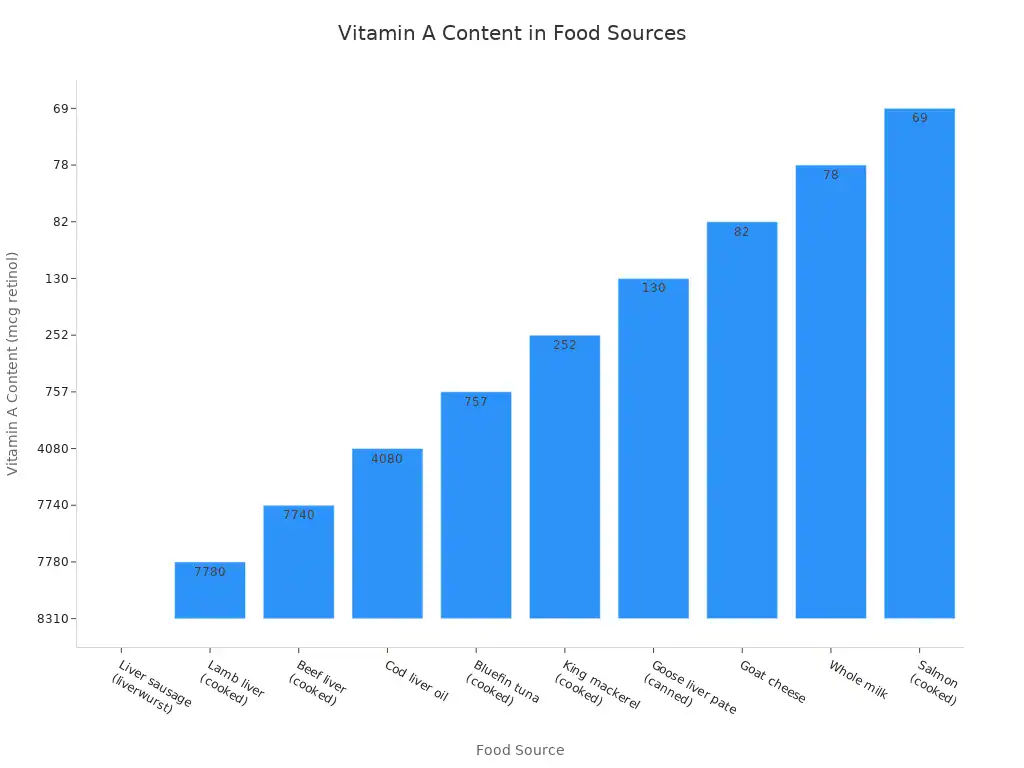
Beef liver (cooked) | 3.5 oz (100 g) | 7,740 | 860% |
Lamb liver (cooked) | 3.5 oz (100 g) | 7,780 | 864% |
Liver sausage (liverwurst) | 3.5 oz (100 g) | 8,310 | 923% |
Cod liver oil | 1 tbsp (14 g) | 4,080 | 453% |
King mackerel (cooked) | 3.5 oz (100 g) | 252 | 28% |
Salmon (cooked) | 3.5 oz (100 g) | 69 | 8% |
Bluefin tuna (cooked) | 3.5 oz (100 g) | 757 | 84% |
Goose liver pate (canned) | 1 tbsp (13 g) | 130 | 14% |
Goat cheese | 1 oz (28 g) | 82 | 9% |
Whole milk | 1 cup (237 ml) | 78 | 9% |
You can see how much vitamin A different foods contain in this chart:
Provitamin A carotenoids come from plant-based foods. Your body converts these into vitamin A. This conversion happens after you eat them. These foods are also good sources of vitamin A. You will find vitamin A and carotenoids in many colorful fruits and vegetables.
Excellent plant-based sources of provitamin A carotenoids include:
Yellow, red, and green leafy vegetables: spinach, carrots, sweet potatoes, and red peppers.
Yellow fruits: mango, papaya, and apricots.
Specific carotenoids:
α-carotene and β-carotene: Carrots, winter squash, and spinach.
β-cryptoxanthin: Papaya, sweet red peppers (raw or sautéed), orange juice, tangerines, cooked carrots, cooked yellow corn, watermelon, and paprika.
Recommended Daily Intake
You might wonder, “how much vitamin A do I need?” The recommended dietary allowance (RDA) helps you know. This amount is enough for normal gene expression, immune function, and vision. Getting enough vitamin A is crucial for your health.
For adult men, the RDA for vitamin A is 900 micrograms (mcg) of retinol activity equivalents (RAE) per day. This equals 3000 international units (IU). For adult women, the RDA is 700 mcg RAE per day. These amounts ensure you get the benefits of vitamin A and carotenoids. Knowing “how much vitamin A do I need” helps you plan your diet. You can choose foods provide vitamin a to meet these needs.
Vitamin A Deficiency and Toxicity
You need to understand the risks of getting too little or too much vitamin A. Both situations can harm your health.
Risks of Deficiency
Not getting enough vitamin A can lead to serious health problems. This condition is called vitamin A deficiency. You might notice changes in your skin, hair, and nails, like rashes or different types of dermatitis. Your eyes can also suffer, leading to vision loss, night blindness, and other eye problems. A common sign of vitamin A deficiency is trouble seeing in dim light. This happens because your body has low levels of rhodopsin, a pigment essential for low-light vision. If left untreated, this can lead to permanent blindness, especially in children.
Other signs include difficulty getting pregnant, dry or inflamed skin (eczema), and frequent chest or throat infections. Children might experience delayed growth. Severe cases can lead to dry eyes, which can cause complete blindness or dying corneas, known as Bitot’s spots. A long-term lack of this nutrient can also cause problems with lung development.
It can increase your risk of respiratory diseases like pneumonia. You might also face a higher risk of anemia and a greater chance of death from various causes. Your body also becomes less able to fight off infections. You face a higher risk and more severe outcomes from common infections, especially measles and diarrhea.
Certain groups face a higher risk of vitamin A deficiency. Females are often at higher risk. This can be due to diet restrictions for weight control. Pregnancy also increases risk because your blood volume expands, and the baby uses your vitamin A reserves. Breastfeeding transfers a lot of vitamin A to the baby, further depleting your stores. Males can also experience significant health loss from vitamin A deficiency. Young children are especially vulnerable.
Babies aged 6-11 months face challenges during weaning. Breast milk also has less vitamin A over time. Children under 5 years old are a high-incidence group. They can get caught in a cycle where infections use up vitamin A, and then the lack of vitamin A makes them more prone to infections.
Dangers of Toxicity
Too much of this nutrient can also be harmful. This is called hypervitaminosis A. Acute toxicity happens when you take a very large amount of vitamin A quickly. You might experience a severe headache, blurred vision, nausea, dizziness, and aching muscles. You could also have problems with coordination.
In serious cases, increased pressure in your brain can lead to drowsiness, coma, and even death. Other acute symptoms include vomiting, loss of appetite, abdominal pain, irritability, and skin rashes or peeling skin.
Chronic toxicity occurs when you take too much vitamin A over a long period. You might notice dry skin, painful muscles and joints, fatigue, and even depression. Liver tests can show abnormal results. Your liver and spleen might become enlarged.
You could also experience severe headaches, thin and coarse hair, hair loss from your eyebrows, itching, and dry, rough, or cracking skin. Your lips might become dry or cracked. Weakness, bone pain, easy fractures, and joint pain are also possible. If you consume too much beta-carotene, your skin might turn a harmless yellow-orange color. This is called carotenodermia.
For adults, the maximum amount of vitamin A you can safely consume each day without negative health effects is 3,000 mcg RAE. This equals 10,000 IU. This is called the Tolerable Upper Intake Level (UL).
Population Group | Tolerable Upper Intake Level (UL) |
|---|---|
Adults | 3000 μg RE/day |
Infants (4–11 months) | 600 μg RE/day |
Adolescents (15–17 years) | 2600 μg RE/day |
Special Considerations
Certain groups need to be extra careful about their vitamin A intake.
Pregnant Women: Pregnant women need to be very careful with vitamin A intake. Too much preformed vitamin A can cause serious birth defects. These can include malformations of the baby’s eyes, skull, lungs, and heart. Doctors advise pregnant or breastfeeding women against taking high doses, specifically over 3,000 mcg RAE daily. If you are of childbearing age, you should know that excessive vitamin A use just before or during pregnancy can harm your baby. The recommended daily allowance for pregnant women is around 1,000 RE per day, which is about 3,300 IU. Some experts suggest a maximum of 5,000-8,000 IU of vitamin A (as retinol/retinyl esters) per day before or during pregnancy. High doses, like 25,000 IU or more, are not recommended. Always consult your doctor before taking any vitamin A supplements if you are pregnant or might become pregnant.
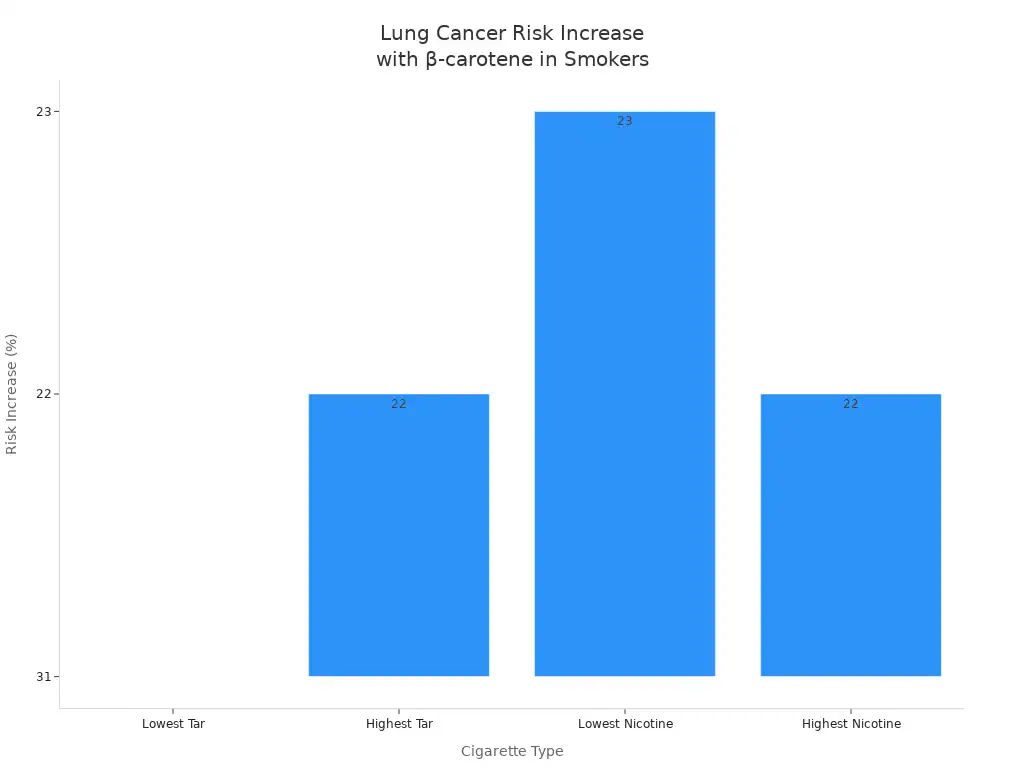
Smokers: Smokers also have special considerations regarding vitamin A. High doses of beta-carotene supplements, specifically 20-30 mg per day, have been linked to an increased risk of lung cancer and higher mortality in smokers. This happens because cigarette smoke can break down beta-carotene into harmful substances. These substances can interfere with important cell signals and damage your cells’ powerhouses, called mitochondria. They can also increase the harmful effects of oxidative stress. Studies show that beta-carotene supplements increased lung cancer in male smokers, no matter the tar or nicotine content of their cigarettes.
Health organizations advise against taking beta-carotene supplements for cancer prevention, especially if you are a smoker or have a history of smoking.
Maximizing Vitamin A Benefits
You can safely get enough vitamin A. This section offers practical advice. You will learn how to incorporate vitamin A into your diet.
Balanced Dietary Approach
You should get your vitamin A from a varied, nutrient-rich diet. This is the best way. Your diet should include foods rich in preformed vitamin A. It should also have foods rich in provitamin A carotenoids. You can find retinol in animal-derived foods.
These include eggs, animal liver, fish, and dairy products. Provitamin A carotenoids come from plant-derived products. Look for yellow and orange fruits. Also, eat dark-green vegetables like carrots and spinach. Increasing your vegetable consumption is crucial. Darker vegetables have higher nutritional value. Carrots and spinach contribute significantly to your daily vitamin A intake. They have high levels of provitamin A carotenoids.
To optimize vitamin A absorption, consume it with healthy fats. Vitamin A is a fat-soluble vitamin. Its absorption improves with fat. Cook vegetables like carrots and kale with healthy oils. This helps your body absorb more vitamin A. Pair vitamin A-rich foods, such as carrots, with nuts. This significantly increases bioavailability. This balanced approach ensures you are getting enough vitamin A. It supports vitamin A and healthful eating.
Supplementation Guidance
You should be cautious with vitamin A supplements. Always consult a healthcare professional first. High doses of vitamin A can lead to liver damage. Blurred vision is another potential side effect. You might also experience bone pain. Vitamin A is a fat-soluble vitamin.
It can accumulate in your body’s fat tissues. This leads to toxicity when taken in high doses without medical supervision. Oil-soluble supplements, like vitamin A, stay in your body. They can build up and cause harmful effects. You should prioritize getting your vitamin A from foods. This helps you avoid the dangers of too much.
Vitamin A offers many vitamin a benefits. It is crucial for your vision, strong immunity, and healthy growth. You must get vitamin a from a balanced diet. Diverse foods provide essential vitamin a. Prioritize nutrient-rich foods for your well-being. Remember the vitamin a benefits come from proper intake. Be cautious with vitamin a supplements. Too much vitamin a can cause harm. A moderate intake of vitamin a is vital. Ensure you get enough vitamin a from natural foods. This supports your overall health.
FAQ
What is vitamin A good for?
Vitamin A helps your body in many ways. It keeps your vision sharp, especially in dim light. This vitamin A also strengthens your immune system. It helps you fight off sickness. Furthermore, vitamin A supports healthy growth and cell function.
What foods are rich in vitamin A?
You can find vitamin A in many foods. Animal products like liver, eggs, and dairy contain preformed vitamin A. Plant foods offer provitamin A carotenoids. These include carrots, sweet potatoes, spinach, and mangoes. Eating these foods gives you vitamin A.
What are the signs of low vitamin A?
If you do not get enough vitamin A, you might notice some signs. You could have trouble seeing at night. Your skin might become dry. You may also get sick more often. These are common signs of low vitamin A.
Can too much vitamin A be harmful?
Yes, too much vitamin A can be harmful. Taking very high doses, especially from supplements, can cause toxicity. This can lead to headaches, blurred vision, and liver problems. Always follow recommended intake levels for vitamin A.