


You possess unique strengths and interests. Finding engaging activities for adults with autism supports your well-being. These ideas promote personal growth and social connection. We designed these activities to adapt to your preferences and sensory needs. Discover the best hobbies for autistic adults. You can explore new interests and find joy in your daily life.
Key Takeaways
Find activities that match your interests and strengths. This makes them more fun and rewarding.
Think about your sensory needs. Choose activities that feel comfortable for your senses.
You can change activities to fit you better. Break tasks into small steps or use visual guides.
Try new things without pressure. It is okay if you do not like an activity; just try another one.
Creative Arts & Crafts
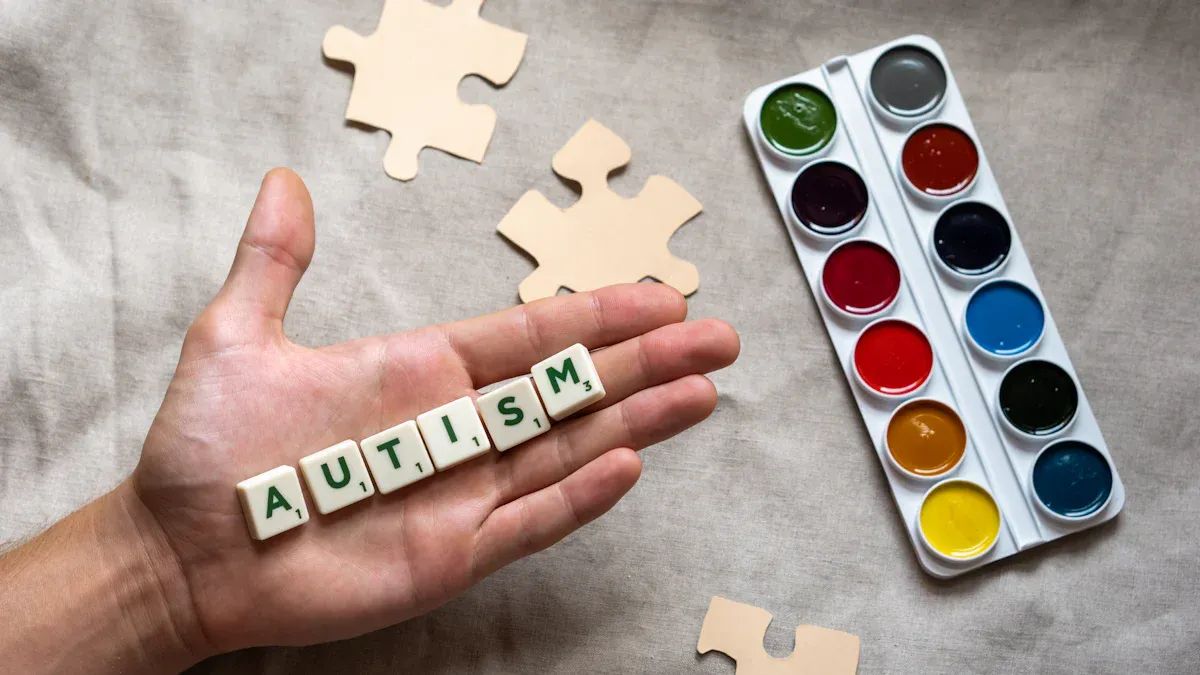
Engaging in creative and artistic activities offers many benefits. You can express yourself freely. These activities also help with fine motor skill development. They provide significant stress reduction and emotional well-being. You can find joy and a sense of accomplishment through art. These options are adaptable for different skill levels and sensory needs.
Painting & Drawing
Painting and drawing allow you to put your thoughts on paper or canvas. You can use various materials. Try watercolors for soft effects or acrylics for bold colors. Pencils, charcoal, or pastels offer different textures. If you prefer a quiet space, set up a dedicated art corner. You can experiment with different paper types or brushes. This helps you find what feels right. Focus on the process, not just the final product.
Pottery & Sculpture
Working with clay or other sculpting materials is a very tactile experience. You use your hands to shape and mold. This can be very calming and grounding. Pottery wheels offer a rhythmic, focused activity. Hand-building clay allows for more free-form creation. You can create functional items like bowls or decorative sculptures. Consider different clay types. Some are smoother, others have more texture. You might enjoy the quiet concentration this activity brings.
Digital Art & Design
Digital art uses technology to create visual pieces. You can use a tablet and stylus or a computer with design software. Programs like Procreate, Photoshop, or GIMP offer many tools. You can draw, paint, or design graphics. This option provides precise control. You can adjust screen brightness or use specific brushes. Digital art allows for easy undo options. This reduces pressure and encourages experimentation. It is a great way to explore creativity without physical mess.
Nature & Outdoor Exploration
Connecting with nature offers many benefits. You can find peace and engage your senses. Outdoor activities provide diverse stimuli. These help you process sensory information effectively. You can improve your sensory processing skills. This leads to increased calm and better emotional regulation. Spending time outdoors also boosts your cognitive abilities. It reduces stress and anxiety. You can discover new things about yourself. This builds self-confidence.
Nature Walks & Hikes
Walking in nature is a simple yet powerful activity. You can explore local parks or forest trails. Nature provides calming, sensory-friendly environments. These are ideal for you. Spending time outdoors supports emotional regulation. It fosters social connection and promotes cognitive growth. Nature helps you feel more regulated and connected. Its predictable patterns, like rustling leaves, calm you. They do not overwhelm you like city noises. Varied natural textures, sights, and sounds offer rich sensory engagement. Just 120 minutes per week in nature improves your physical health. It also boosts your psychological well-being. This can be a local park or a tree-lined street. 🌳
Gardening & Plant Care
Gardening lets you connect with the earth. You can plant flowers, herbs, or vegetables. This activity is very hands-on. You feel the soil and watch things grow. It offers a calming routine. You learn about plant life cycles. This can be very rewarding. You can garden in a small pot on your balcony. Or you can tend a larger plot. Caring for plants gives you a sense of purpose. It also provides a quiet, focused task.
Bird & Wildlife Watching
Observing birds and other wildlife is a peaceful hobby. You can do this from your window or a park bench. You learn to identify different species. You notice their behaviors. This activity sharpens your observation skills. It encourages patience. You can use binoculars or a field guide. This helps you spot and identify creatures. It is a quiet way to engage with the natural world. You can find joy in these small discoveries. 🐦
Skill Development & Independence
Engaging in skill development and independence activities helps you build practical abilities. These activities boost your self-reliance. They foster personal growth and can open doors to potential vocational paths. Greater vocational independence leads to improvements in your daily living skills and can reduce maladaptive behaviors. This shows that development continues throughout adulthood. Maximizing your independence can lead to reductions in autism symptoms and improvements in practical daily living skills.
Learning Music
Learning music offers many benefits. You can learn an instrument like a piano, guitar, or drums. This activity improves your fine motor skills and coordination. It also enhances your cognitive abilities. Music learning requires discipline and patience. You can join a community band or take private lessons. This can be a fulfilling hobby. It also provides a structured way to express yourself.
Language Learning
Learning a new language expands your communication skills. It also sharpens your memory and problem-solving abilities. You can use apps, online courses, or local classes. Learning a language connects you with different cultures. It can also be a valuable asset in many jobs. This cognitive and skill-building activity helps you grow personally. It also boosts your confidence in new situations.
Coding & Programming
Coding and programming offer significant vocational benefits. These fields involve logical, structured tasks. They also require a focus on detail. These aspects often align well with your strengths. The demand for these skills is high. This leads to many employment opportunities. Many programming roles allow remote work. They can also be in environments that accommodate sensory sensitivities. This provides flexibility and reduces workplace stress.
You can work independently on projects. Clear expectations and objective performance metrics contribute to a positive work experience. An intervention study found that autistic adults in supported community work programs showed improved autism symptoms and quality of life. This suggests vocational activities play a key role in your development. This skill-building support can lead to greater independence.
Mindful Movement & Wellness

Mindful movement and wellness activities help you connect with your body. They reduce stress and promote a sense of calm. These practices improve your physical health and mental well-being. You can find peace and focus through gentle exercises.
Yoga & Tai Chi
Yoga and Tai Chi involve gentle movements and controlled breathing. You learn to focus on your body and breath. These practices improve your flexibility and balance. They also reduce stress and increase body awareness. You can find classes designed for all levels. Many resources offer quiet spaces or modified poses. This helps you feel comfortable and engaged.
Swimming & Water Activities
Swimming and water activities offer unique benefits. The water supports your body. This makes movement easier. You improve your motor skills, endurance, and strength. Your coordination also gets better. The aquatic environment helps regulate your senses. You can practice movements with less gravity. This makes it a great way to exercise.
Water activities also boost your mental well-being. You gain self-confidence and self-esteem. You feel a sense of accomplishment. Many people experience fewer repetitive movements and stress reactions. Your communication skills can also improve. The water helps limit high arousal levels. This creates a calming experience.
Mindful Meditation
Mindful meditation teaches you to focus on the present moment. You pay attention to your breath and body sensations. This practice reduces stress and improves your focus. It helps you regulate your emotions. You become more aware of your thoughts without judgment. Meditation is a powerful form of self-care. You can try guided meditations or simply sit in silence. Even short sessions can bring significant benefits.
Community & Social Engagement
Engaging with your community offers many rewards. These activities foster a sense of belonging and reduce feelings of isolation. You can experience enhanced social connections and improved emotional well-being. Participation in social activities leads to increased self-esteem, confidence, and overall happiness. You also develop social skills by interacting with others in supportive environments. Regular social interaction and community involvement can decrease symptoms of anxiety and depression. Contributing to a community or participating in shared activities gives you a greater sense of purpose and meaning.
Book Clubs & Discussions
Joining a book club allows you to explore new stories and share your thoughts. You discuss books with others, which improves your verbal communication skills. These are excellent social and group indoor activities. You can find clubs focusing on specific genres or topics that interest you. This provides a structured way to engage in social interaction and communication. You meet new people who share your passion for reading. This helps you build friendships and expand your social circle.
Volunteering
Volunteering offers a powerful way to contribute to your community. It builds your self-esteem and fosters social connections. You can help with park clean-ups, food drives, or animal care. These projects give you a sense of achievement and purpose. Volunteer work promotes independence and helps you fulfill a role in the community. This provides meaningful engagement and facilitates skill development. This reduces feelings of social isolation. Community service offers invaluable opportunities to develop social skills, build new friendships, and boost self-confidence.
Interest Meetups
Interest meetups bring together people with common hobbies. You can find groups for board games, hiking, coding, or art. These gatherings provide a relaxed setting for social engagement. You connect with others who share your specific interests. This makes starting conversations easier. You practice your communication skills in a comfortable environment. Meetups help you expand your network and discover new aspects of your hobbies. They offer a great way to build a support network and nurture your independence.
Engaging Indoor Activities for Adults with Autism
You can find many fulfilling ways to spend your time indoors. These engaging indoor activities offer opportunities for learning, relaxation, and personal growth. They provide structured environments that often align well with your preferences. Exploring these options helps you discover new passions and build valuable skills.
Cooking & Baking
Cooking and baking are practical and rewarding indoor activities for adults with autism. Learning to prepare your own meals fosters greater autonomy and independent living. Teaching life skills, including cooking, can lead to increased self-confidence, self-understanding, and self-advocacy. Cooking also serves social functions, bringing people together. It is a foundational skill that enhances adaptation in both home and community settings. You can follow recipes precisely or experiment with new flavors.
Collecting Hobbies
Collecting is one of the most engaging indoor activities. You can collect stamps, coins, comic books, or unique rocks. This hobby offers a focused pursuit. It allows you to delve deeply into a specific interest. You learn about the history and details of your chosen items. Organizing your collection can be a calming and satisfying task. It provides a sense of accomplishment and order. Many collectors also enjoy connecting with others who share their passion.
Puzzles & Strategy Games
Puzzles and strategy games are excellent indoor activities for adults with autism. They offer significant cognitive benefits. These activities can enhance executive functions, including planning, problem-solving, and working memory. You improve your cognitive flexibility, allowing you to adapt to new situations and perspectives. Engagement with such games leads to better attention regulation and focus.
They offer opportunities for developing logical reasoning and critical thinking skills. You can choose from jigsaw puzzles, board games like chess, or complex video games. 🧩
Sensory-Friendly Indoor Activities
You can find many ways to create a calming environment indoors. These sensory-friendly indoor activities help you manage sensory input. They provide a safe space for relaxation and focus. You can engage your senses in a controlled and comfortable way. These options are perfect indoor activities for adults with autism. They support your well-being and reduce overstimulation.
Sensory Bins & Tools
Sensory bins offer a hands-on experience. You can fill them with rice, beans, sand, or water beads. Add small objects like smooth stones, soft fabrics, or textured toys. Exploring these materials helps with sensory regulation and comfort. You can use sensory tools like fidget spinners, stress balls, or weighted blankets. These items provide tactile input. They help you stay calm and focused. Creating your own sensory bin is a simple and effective activity. It allows you to control the sensory experience.
Gentle Massage & Relaxation
Gentle massage can be very soothing. You can use a foam roller or a massage ball. Focus on areas of tension. Self-massage helps release muscle tightness. It promotes overall relaxation.
You can also try a gentle hand or foot massage. Use a calming lotion or oil. This activity reduces stress. It increases body awareness. It is a wonderful way to unwind after a busy day. These are beneficial indoor activities for adults with autism.
Quiet Reading Nooks
Creating a quiet reading nook provides a peaceful retreat. Choose a comfortable chair or beanbag. Add soft blankets and pillows. Ensure good lighting. This space becomes your personal sanctuary. You can read books, listen to audiobooks, or simply relax.
This quiet time helps you decompress. It offers a break from external stimuli. It is one of the best indoor activities for adults with autism for mental calm. You can enjoy your favorite stories in a serene setting.
Writing & Storytelling
Writing and storytelling offer powerful ways to express yourself. You can explore your thoughts and share your unique perspective. These activities help you develop communication skills. They also provide a creative outlet.
Journaling & Creative Writing
Journaling gives you a private space to explore your emotions. You can track patterns in your feelings. This helps you understand yourself better. Journaling improves stress management and emotional regulation. It provides an outlet for processing difficult feelings. You can reflect on social situations without pressure. This strengthens your communication skills.
Journaling also reduces anxiety. It helps you organize thoughts and confront worries. This practice reveals recurring thought patterns. Regular journaling boosts your mood and promotes self-awareness. Creative writing, like stories or fan fiction, allows you to explore emotions metaphorically. This is helpful if you process the world through patterns or imagination.
Blogging & Content Creation
Blogging and content creation let you share your interests with a wider audience. You can write about your hobbies, experiences, or expertise. This helps you develop your writing skills. You also learn about digital platforms. Creating content can be a fulfilling way to connect with others. You can build a community around your passions. This activity offers a structured way to express your thoughts.
Poetry & Spoken Word
Poetry and spoken word provide unique forms of expression. You can play with language and rhythm. This allows you to convey deep emotions or complex ideas. Writing poetry helps you refine your thoughts. Performing spoken word can build confidence. You share your voice with others. These activities offer a creative and artistic outlet. They help you explore your inner world.
Practical Life Skills
You can gain greater autonomy by mastering practical life skills. These activities boost your confidence. They also enhance your daily functioning. Developing these skills supports your overall well-being and independence.
Household Chores & Organization
Managing your living space is a vital skill-building activity. You learn to keep your home tidy and functional. This includes tasks like cleaning, laundry, and organizing your belongings. Creating routines for these chores helps you maintain a structured environment. A well-organized home reduces stress. It also makes daily life smoother. You can use visual schedules or checklists to track your progress. This helps you stay on top of tasks.
Meal Prep & Nutrition
Learning to prepare your own meals is crucial for your health and independence. Many autistic individuals experience digestive issues. These can link to irritability and difficulty with attention. An imbalance in gut microbiota can affect mood swings and focus. It can also lead to increased gut discomfort. Dietary interventions, like digestive enzymes and probiotics, show positive effects. Sensory sensitivities often influence mealtime experiences. You might avoid certain flavors or prefer plain foods. Strong smells can be difficult. You may have preferences for specific textures. Picky eating is common due to sensory issues or food fears.
Meal preparation offers many benefits. You control ingredients, selecting fresh and healthy options. You can personalize meals to your preferences. This reduces reliance on fast food. Prepped meals save time. A meal plan minimizes decision-making anxiety. It is also cost-effective. Involving you in planning and preparation enhances your confidence. It gives you a sense of control over food choices. 🥕
The Mediterranean diet is beneficial for health. It includes fruits, vegetables, whole grains, proteins, and healthy fats. For restricted diets, focus on proteins, Omega-3s, and Vitamin D. You might struggle to recognize hunger and thirst signals. Visual or tactile prompts can help.
Offering choices and involving you in meal prep increases engagement. Support and learning improve your ability to manage eating. Building a collection of favorite meals simplifies planning. Organizing shopping lists by meal plan helps efficiency. This skill-building promotes your development.
Personal Care Routines
Establishing consistent personal care routines is essential for your self-care. This includes daily hygiene tasks like showering, brushing your teeth, and getting dressed. Regular routines promote good health. They also contribute to your sense of well-being. You can use visual aids or alarms to help you remember each step. This ensures you maintain these important habits. Consistent personal care boosts your confidence and helps you feel ready for the day.
Educational & Cultural Pursuits
You can expand your knowledge and engage with culture. These activities offer intellectual stimulation. They also provide opportunities for personal growth. You can explore new subjects and broaden your horizons.
Online Learning & Workshops
Online learning platforms offer many courses. You can learn new subjects or develop existing interests. Workshops provide explicit instruction in skills like validation and empathy. You can practice these skills in a safe online environment. This practice helps you build emotional safety and trust in relationships.
Online groups foster self-awareness and confidence regarding your identity and neurodiversity. This leads to deeper friendships and improved working relationships. The accessibility of online services allows individuals from various locations to participate. This addresses a significant need for autism services across wider geographical areas. Online groups provide a crucial space where neurodiverse individuals can share personal stories. You feel accepted and understood by peers who relate to your experiences. This sense of acceptance fosters a safe environment for self-exploration and social connection. You feel supported and not alone in your journey. This is a great skill-building opportunity.
Museums & Galleries
Visiting museums and art galleries offers a rich cultural experience. You can explore history, science, or art. Many museums provide quiet hours or sensory-friendly exhibits. This allows you to enjoy the displays without feeling overwhelmed. You can learn about different cultures and historical periods. Art galleries offer a chance to appreciate visual creativity. You can find inspiration and new perspectives. 🖼️
Documentaries & Ed Videos
Watching documentaries and educational videos is an accessible way to learn. You can explore a vast range of topics from the comfort of your home. Many streaming services offer educational content. YouTube also has many channels dedicated to learning. This activity allows you to delve deeply into subjects that interest you. It is a flexible and engaging way to gain new knowledge. This is a valuable skill-building activity.
Choosing Activities for Adults with Autism: Key Considerations
You want to find the best activities for adults with autism. Consider several important factors. These considerations help you select engaging and beneficial options. They ensure the activities support your well-being and personal growth.
Individual Interests & Strengths
Start with your unique interests. What do you enjoy doing? What topics fascinate you? Choosing activities based on your passions increases engagement. It makes the experience more rewarding. Think about your strengths. Are you good at detailed tasks? Do you enjoy creative expression? Do you prefer logical puzzles? Matching activities to your natural abilities builds confidence. It also fosters a sense of accomplishment. Explore new hobbies that align with these areas. This approach ensures you find joy in your chosen pursuits.
Sensory Needs & Preferences
Your sensory needs are very important. Some environments might feel overwhelming. Others might be calming. Consider sounds, lights, textures, and smells. Do you prefer quiet spaces? Do bright lights bother you? Look for activities that accommodate these preferences. You can modify many settings. For example, wear noise-canceling headphones. Choose activities with predictable sensory input. This helps you feel comfortable and focused. Prioritize your comfort to make any activity enjoyable.
Activity Adaptation Tips
You can adapt many activities to fit your needs. Break down complex tasks into smaller steps. This makes them less daunting. Use visual schedules or checklists. These tools provide clear guidance. They help you stay organized. You can also adjust the pace of an activity. Take breaks when you need them. Find a supportive environment. This might be a quiet room or a small group setting. Do not be afraid to ask for modifications. Many organizations welcome suggestions. They want to make their activities accessible. These adaptations ensure you fully participate in activities for adults with autism.
Finding engaging activities for adults with autism brings you joy. These pursuits foster your personal growth. They support your overall well-being. Your journey to discover new interests is unique. Experiment without pressure. Every form of engagement and connection is valuable. It enriches your life. Explore these activities for adults with autism. Find what resonates most with you. Discover your perfect activities for adults with autism.
FAQ
What activities help with sensory regulation?
Many activities support sensory regulation. You can try sensory bins with varied textures. Gentle massage or quiet reading nooks offer calm. Swimming provides soothing water input. Mindful meditation helps you focus inward. These options create controlled sensory experiences.
What are the benefits of engaging in skill-building activities?
Skill-building activities boost your independence. They foster personal growth. You develop practical abilities. These skills can lead to new vocational paths. Learning music, languages, or coding enhances your cognitive functions. They also build your self-reliance.
What should I consider when choosing new activities?
Consider your individual interests first. Think about your strengths. Evaluate your sensory needs and preferences. Do you prefer quiet or active settings? Look for activities you can adapt. This ensures comfort and enjoyment. Choose what truly resonates with you.
What if I do not enjoy an activity I try?
It is perfectly fine if you do not enjoy an activity. Your journey of discovery is unique. Do not feel pressured to continue. Simply try something else. The goal is to find joy and engagement. Experiment until you find what truly fits you. 🌟


