Kidney stone pain can be excruciating. You are not alone; many people experience kidney stones.
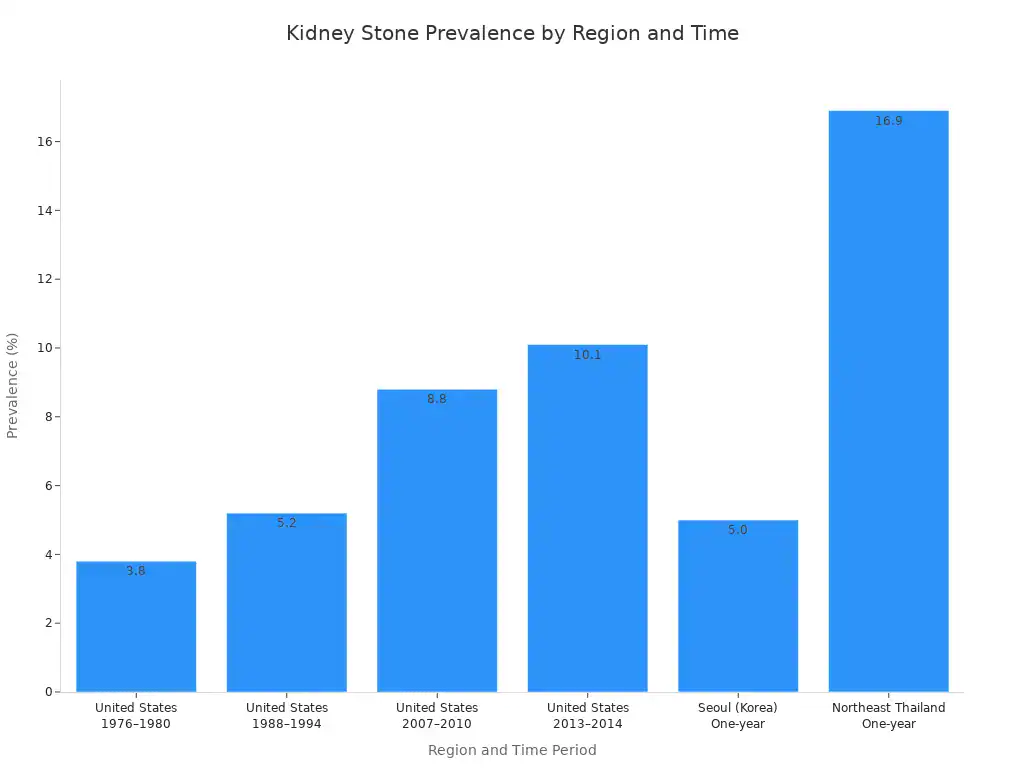
Certain home remedies for kidney stones can offer relief. They also help prevent kidney stones. Kidney stones are hard deposits of minerals. They form in your kidneys, often due to dehydration. You encounter different types:
Calcium Oxalate Stones: The most common type. They form when urine has low citrate and high calcium, oxalate, or uric acid.
Calcium Phosphate Stones: These result from urinary system abnormalities.
Struvite Stones: These form due to certain urinary tract infections.
Uric Acid Stones: These link to insufficient water intake or diets high in animal protein.
Cystine Stones: A hereditary genetic disorder causes these.
For severe pain, fever, or blood in your urine, seek medical attention immediately. These natural remedies are complementary. They do not replace professional medical advice. Now, discover 9 easy natural fixes.
Key Takeaways
Drink plenty of water to help flush out kidney stones and stop new ones from forming.
Use natural remedies like lemon juice, apple cider vinegar, and pomegranate juice to help manage kidney stone symptoms.
Change your diet by eating less salt and animal protein. Eat more fruits and vegetables to help prevent kidney stones.
Stay active and keep a healthy weight. This lowers your chance of getting kidney stones.
See a doctor right away if you have a fever, bad pain, or blood in your urine. These are serious signs.
Effective Home Remedies to Pass a Kidney Stone
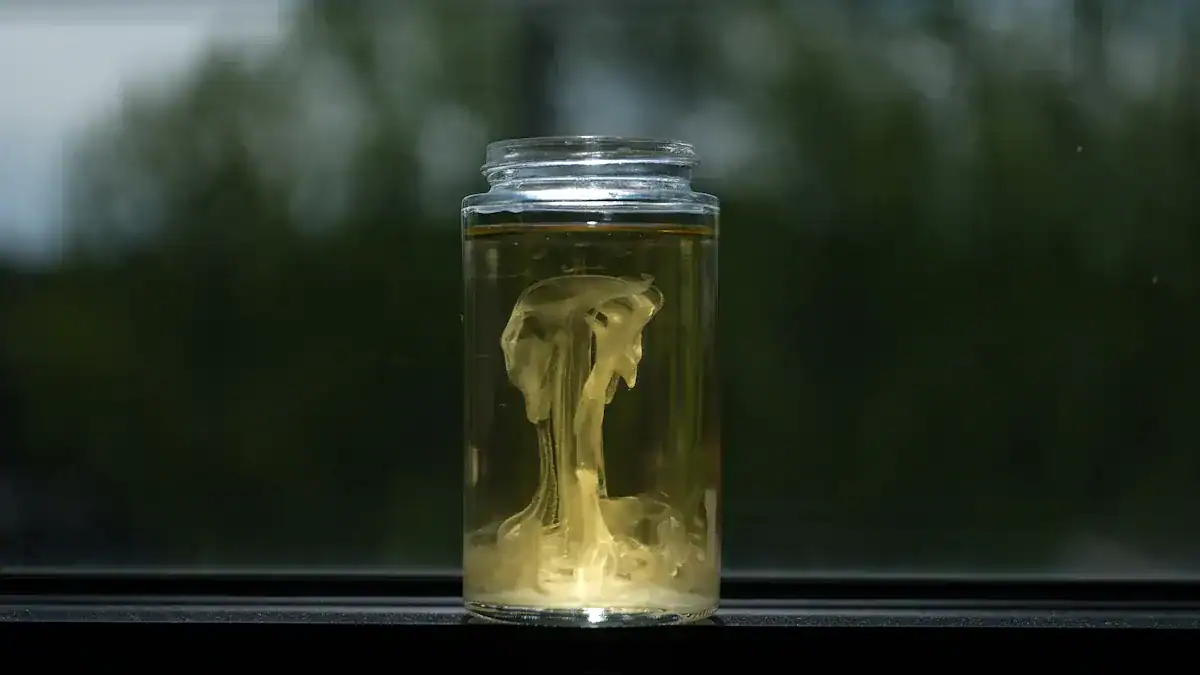
This section details effective home remedies for kidney stones. These natural remedies help manage symptoms. They also facilitate the passage of kidney stones.
1. Hydration: Drink More Water
Drinking enough water is the simplest and most crucial step. It helps flush out existing kidney stones. It also prevents new ones from forming. You should aim to drink enough water to produce 2.5 to 3 liters of urine daily. This often means consuming more than 3 liters of water per day, or at least 13 8-ounce glasses. Even a small increase in your daily water intake helps. More water helps you pass a kidney stone more easily.
2. Lemon Juice for Kidney Stones
Lemon juice is a powerful ally against kidney stones. Its citric acid content is key. Citric acid in lemon juice increases urinary citrate. This prevents calcium oxalate salts from forming. Lemon juice does not increase urinary oxalate excretion. To help dissolve stones, mix 4 ounces of lemon juice with 2 liters of water. Drink this mixture daily.
Consuming 4 ounces of lemon juice daily also boosts urine citrate levels. This helps prevent new kidney stones. For natural pain relief, you can combine lemon juice with olive oil. This combination can ease kidney stone pain. Many find lemon juice a simple addition to their daily routine.
3. Apple Cider Vinegar Benefits
Apple cider vinegar (ACV) offers significant benefits. Its acetic acid content may help dissolve kidney stones. Acetic acid in apple cider vinegar does this by changing gene expression in kidney cells. This leads to more citrate and less calcium in your urine.
Both are critical for calcium oxalate stone formation. Acetic acid also helps restore kidney cell integrity. It reduces crystal adhesion. Lab studies show acetic acid can dissolve kidney stones and reduce their size. A pilot study showed daily vinegar intake reduced stone recurrence. It increased citrate and reduced calcium in urine.
A recent study highlighted ACV’s antioxidant properties. It dissolved calcium oxalate in lab settings. Another study found fermented vinegar helps prevent kidney stones. It links to a reduced risk of formation. Mix 2 tablespoons of apple cider vinegar in 6-8 ounces of water. Drink this mixture a few times a day. This makes apple cider vinegar a versatile remedy.
4. Pomegranate Juice
Pomegranate juice is a traditional remedy for kidney health. It improves kidney function. It also helps prevent stone formation. Pomegranate juice contains antioxidants like ascorbic acid and polyphenols. These benefit heart health for people with kidney issues.
An animal study showed pomegranate juice could lessen heavy metal harm to kidneys. It increased zinc levels. Studies show pomegranate extract reduces calcium oxalate supersaturation.
This helps manage kidney stone risk. In rat studies, pomegranate extract inhibited inflammation. It regulated oxalates, calcium, and phosphates. It also reduced oxidative damage in kidney tubules. Drink a glass of pomegranate juice daily.
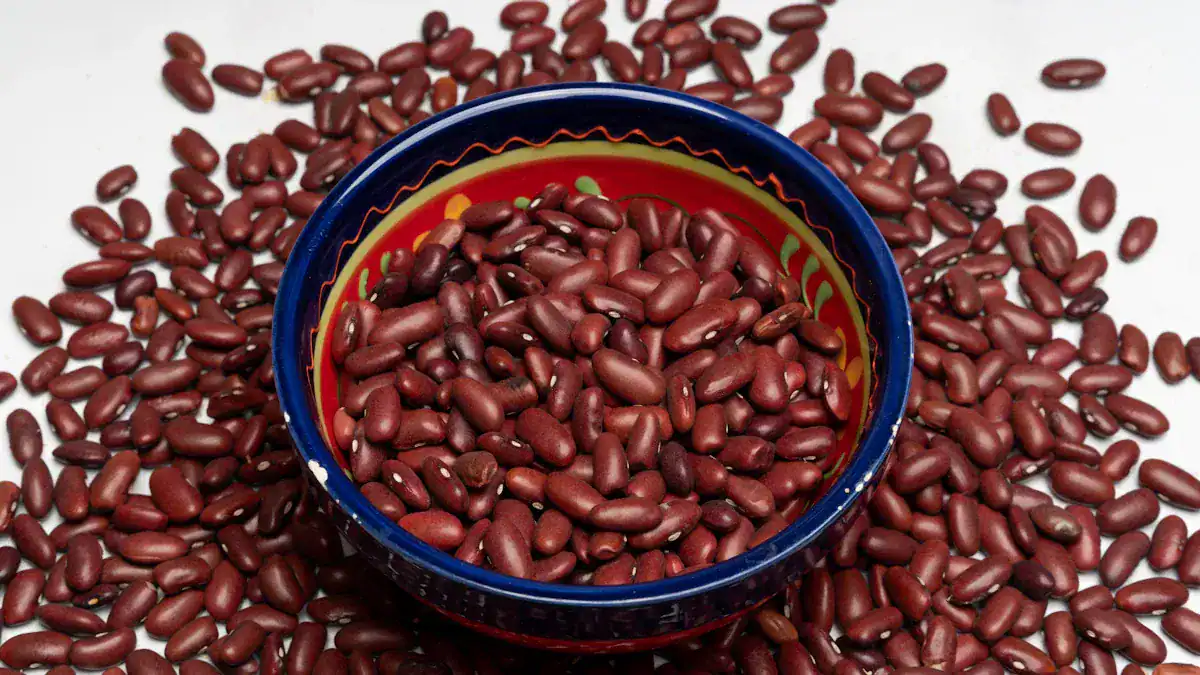
5. Kidney Bean Broth
Kidney bean broth is a simple, natural remedy. People in India traditionally use kidney bean broth. It helps dissolve and flush out kidney stones. It also improves urinary and kidney health.
You prepare it by straining the liquid from cooked kidney beans. Then you drink it throughout the day. This is one of the effective home remedies for kidney stones.
6. Dandelion Root Tea
Dandelion root tea acts as a diuretic. A 2018 study showed dandelion prevents kidney stone formation. Dandelion root juice also helps kidneys. It increases urine output. This helps eliminate waste and aids digestion. It provides beneficial vitamins and minerals. To make the tea, steep 1 teaspoon of dried dandelion root in hot water for 10 minutes. If you have kidney issues, talk to a doctor before using dandelion tea. It could increase complication risks.
7. Celery Juice
Celery juice offers a refreshing way to support kidney health. It acts as a powerful diuretic. Compounds like 3-n-butylphthalide and apigenin give celery this effect. They help your body remove excess fluid. This happens without disrupting your sodium and potassium balance. Celery also helps eliminate toxins. It promotes urination.
This action supports kidney health. It can be beneficial for kidney stones. Studies show celery extract can help break down kidney stones in rats. Celery extract was more effective than apigenin alone. Other research suggests celery seed extracts have anti-inflammatory effects. These may help reduce inflammation and pain linked to urinary tract stones. Drink one glass of celery juice daily.
8. Basil Juice
Basil juice is another natural option. It contains eugenol and flavonoids. These compounds are antioxidants. They also reduce inflammation. These properties contribute to basil’s kidney-cleansing abilities. Traditional medicine uses a mix of honey and Holy Basil leaf juice.
This helps pass kidney stones. It can facilitate stone passage within six months. Basil’s acetic acid may help dissolve stones. It also alleviates associated pain. Drink one teaspoon of basil extract or pure juice daily. This helps prevent and treat kidney stones.
9. Wheatgrass Juice
Wheatgrass juice offers many benefits for urinary tract health. It contains powerful antioxidants. These cleanse your urinary tract. They also improve kidney function. Wheatgrass has diuretic compounds. These increase urine flow. This helps you pass a kidney stone.
It also reduces the risk of future kidney disease. It flushes toxins during urinary tract infections. Lab studies show wheatgrass extract can dissolve calcium-based kidney stones. Wheatgrass juice acts as a natural diuretic. Its tannin content increases urine volume. This helps pass kidney stones. More human research is needed to confirm its full effectiveness. Drink 2-8 ounces of wheatgrass juice daily.
Prevent Kidney Stones: Long-Term Strategies
Dietary Changes to Prevent Kidney Stones
You can significantly reduce your risk of future kidney stones through dietary adjustments. Limit your sodium intake to 2,300 milligrams daily. High sodium increases urinary calcium, which contributes to stone formation. Manage oxalate intake by consuming a varied diet.
Drink extra water, or pair high-oxalate foods with dairy. Dietary calcium binds with oxalate in your intestines, preventing its absorption. Aim for 1,000-1,200 mg of calcium daily from food sources. These include dairy, soy, beans, seeds, fortified tofu, and certain green vegetables.
Restrict animal protein intake to 8 ounces daily. Increase your consumption of fruits and vegetables to boost urinary citrate levels. A balanced calcium intake of 1200 mg/day, combined with low sodium and animal protein, can reduce the risk of new stone events by about 50%. Excessive calcium supplementation can increase your risk of stone formation.
Lifestyle Adjustments for Prevention
Lifestyle changes also play a vital role to prevent kidney stones. Mild to moderate physical activity offers protection. Exercise stimulates thirst, leading to increased fluid intake. It also decreases urinary sodium excretion. These effects boost circulating blood volume, potentially lowering stone formation risk. Moderate exercise has a protective effect against these formations. However, vigorous physical activity (VPA) can increase risk if you do not maintain adequate hydration.
Your body mass index (BMI) also affects your risk.
BMI (kg/m2) | No. Diagnosed With Kidney Stone (%) | Odds Ratio (95% CI) | p Value |
|---|---|---|---|
Males: | |||
Less than 20 | 2.2 | — | — |
20.0–24.9 | 3.2 | 1.28 (0.76–2.17) | 0.3550 |
25.0–29.9 | 4.0 | 1.58 (0.94–2.66) | 0.0829 |
30.0–34.9 | 6.4 | 2.44 (1.45–4.10) | 0.0008 |
35.0–39.9 | 6.9 | 2.74 (1.61–4.67) | 0.0002 |
40.0–44.9 | 6.6 | 2.66 (1.49–4.73) | 0.0009 |
45.0–49.9 | 7.8 | 3.18 (1.61–6.29) | 0.0009 |
50.0 or Greater | 5.0 | 2.03 (0.84–4.09) | 0.1135 |
Females: | |||
Less than 20 | 1.7 | — | — |
20.0–24.9 | 1.7 | 0.99 (0.77–1.28) | 0.9443 |
25.0–29.9 | 2.1 | 1.15 (0.99–1.49) | 0.3009 |
30.0–34.9 | 3.5 | 1.95 (1.51–2.51) | <0.0001 |
35.0–39.9 | 3.3 | 1.84 (1.38–2.44) | <0.0001 |
40.0–44.9 | 4.2 | 2.42 (1.75–3.37) | <0.0001 |
44.0–49.9 | 4.1 | 2.31 (1.45–3.67) | 0.0004 |
50.0 or Greater | 4.4 | 2.54 (1.48–4.35) | 0.0007 |
An obese BMI is associated with an increased risk of kidney stone disease. The risk appears stable in the morbidly obese population. Once your BMI is greater than 30 kg/m2, further increases do not significantly increase the risk of stone disease.
When to Seek Medical Attention
You must seek medical attention immediately if you experience certain symptoms.
Fever higher than 101.5 degrees Fahrenheit
Excruciating pain
Burning sensation while urinating
Cloudy or red urine
Persistent nausea and vomiting
Inability to urinate
Blood in your urine
You have high-risk, chronic conditions like diabetes or kidney disease
Delaying treatment for severe kidney stone symptoms carries significant risks. You could face chronic and severe pain. Blocked urinary tracts increase pressure on your kidneys. This leads to swelling and potentially irreversible damage or failure.
These formations can trap bacteria, causing frequent UTIs. Untreated UTIs can spread to your kidneys. Large stones can completely block the ureter. This prevents urine flow, causing extreme pain and kidney swelling. It also risks kidney failure, requiring immediate intervention.
These natural home remedies for kidney stones offer potential benefits. You can manage symptoms and prevent kidney stones. A holistic approach is key. This includes diet, hydration, and lifestyle changes. Always consult a healthcare professional before starting new remedies. This is especially true if you have severe symptoms or underlying conditions. Empower your kidney health naturally and proactively.