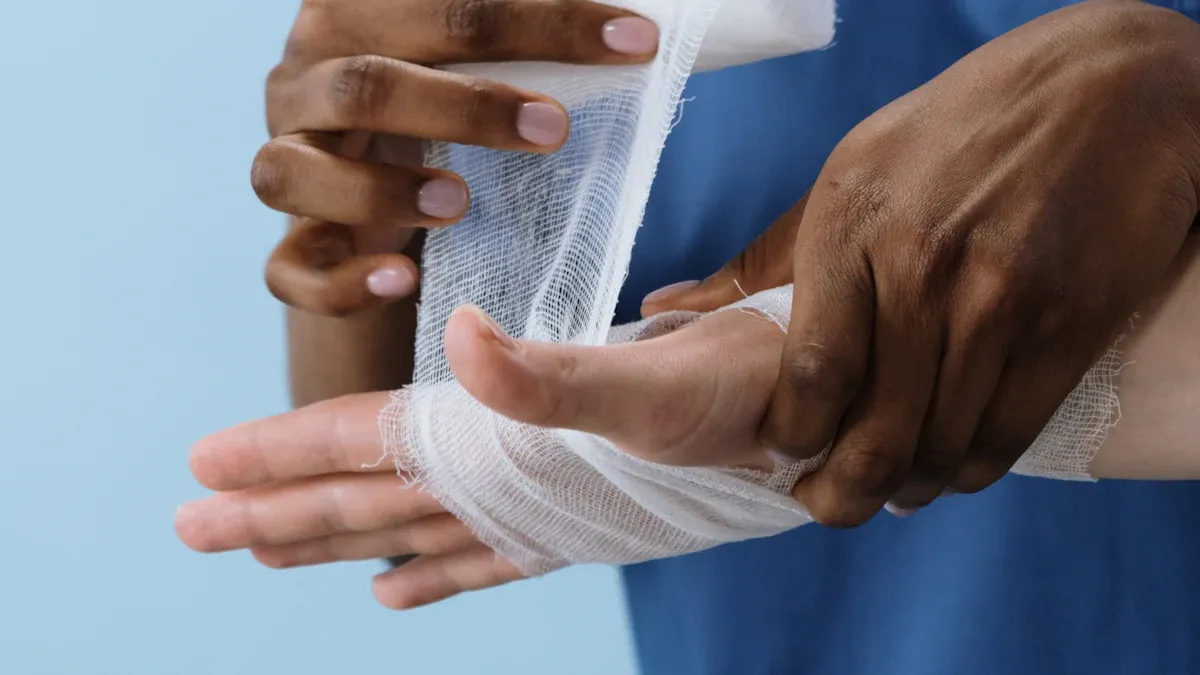
Experiencing a swollen hand after an injury is a common and often uncomfortable event. You might feel immediate pain and notice changes in your hand’s appearance. This post will guide you through understanding the causes of hand swelling, recognizing key symptoms, and performing crucial immediate care steps for a swollen hand due to trauma.
Swelling can occur quickly, such as with a broken bone, a direct result of the injury. This injury can affect your finger, wrist, or even multiple fingers and parts of your wrist. Prompt action is important for managing the pain and swelling, and understanding the symptoms is key. You need to know when to seek professional medical attention, as hand swelling can signal an underlying medical condition.
Key Takeaways
Hand swelling after an injury is common. It happens when fluid builds up in your tissues. Your body starts to heal itself.
Many things can cause a swollen hand. These include sprains, broken bones, bruises, and burns. Each type of injury has different signs.
Look for key signs of a serious injury. These include bad pain, numbness, or a hand that looks crooked. These mean you need to see a doctor.
Use the RICE method right away for a swollen hand. This means Rest, Ice, Compression, and Elevation. This helps reduce swelling and pain.
See a doctor if your hand does not get better. You might need X-rays or other tests. They can help you heal properly.
Understanding Hand Trauma & Swelling
Defining Hand Trauma
Hand trauma refers to any injury affecting your hand. This includes your fingers, thumb, palm, and the back of your hand. You can experience hand trauma from many different events. For example, you might fall, hit your hand against something, or get your hand caught in machinery.
These incidents can cause damage to bones, muscles, tendons, ligaments, nerves, or skin. A direct impact or a twisting motion can lead to significant damage. Even a minor accident can result in a painful injury to your finger or wrist.
Why Hands Swell Post-Injury
When you injure your hand, your body immediately starts a healing process. This process often causes swelling. Swelling, also known as edema, happens because fluid builds up in the tissues outside your blood vessels. Your body responds to an injury by increasing blood flow to the affected area. This makes tiny blood vessels, called capillaries, more permeable.
Chemicals released during inflammation, such as cytokines and prostaglandins, cause this increased permeability. These chemicals allow proteins and fluid to leak out of the capillaries and into the surrounding tissue. This fluid accumulation is a key reason for the visible swelling.
Normally, your lymphatic system helps drain excess fluid. However, after an injury, the amount of fluid in the interstitial space (the space between cells) can become too much for the lymphatic system to handle. This obstruction of the lymphatic system contributes to the persistent swelling. This imbalance of fluid movement causes your hand, finger, or wrist to become noticeably larger and often feel tight. This is a natural part of your body’s response to a swollen hand due to trauma.
Causes of Swollen Hand Due to Trauma
Many different types of injuries can cause a swollen hand. Understanding these specific causes helps you recognize the severity of your situation and seek appropriate care. Here are common causes of hand swelling after an injury.
Sprains & Strains
You can experience a sprain or a strain in your hand. A sprain happens when you stretch or tear a ligament. Ligaments connect bones to other bones. A strain involves stretching or tearing a muscle or tendon. Tendons connect muscles to bones. Both are common acute injuries.
When you sprain or strain your hand, you will likely feel pain or discomfort. You might also notice stiffness and swelling. The area can feel warm to the touch. You may see bruising around the affected area with a sprain. With a strain, the affected muscle might experience spasms. Your range of motion will likely be limited. Sometimes, you might hear a popping sound in your hand or wrist.
Sprains have different levels of severity:
First degree: You might have bruising, mild pain, and moderately impacted mobility. This happens when a ligament stretches.
Second degree: You will likely experience swelling, weakness, and prolonged pain. Your range of motion will be limited because a ligament is partially torn.
Third degree: You will see bruising and significant swelling. You will feel severe pain and have very limited range of motion. You will find it difficult to use your wrist due to a complete tear of the ligament.
Fractures & Broken Bones
A fracture means you have a broken bone. This is a common cause of a swollen hand due to trauma. Almost all hand fractures result from trauma, such as falls, motor vehicle accidents, or sports injuries. These injuries typically cause pain, swelling, deformity, and bruising of the hand. They can also inhibit your finger and wrist motion.
Metacarpal fractures are very common. These are the bones in your palm. They account for one in ten broken bones. They are the most frequent hand injury for people aged 18 to 34. You will experience significant pain, swelling, and potential deformity. This impacts your hand and wrist movement. Swelling and discoloration can spread from the fracture site throughout your hand.
Other common broken bones include:
Scaphoid fractures: This is a common wrist fracture. The area at the base of your thumb becomes tender and swollen.
Fractures of the hook of hamate: These can happen from impacts like striking the ground with a stick or during golf. You will feel tenderness in the lower part of your palm at the base of your little finger.
Contusions & Bruises
A contusion is another name for a bruise. It occurs when soft tissue is crushed without breaking the skin. This is a common cause of hand swelling. When you get a contusion, blood from broken capillaries (small blood vessels) leaks out under your skin. This trapped blood forms a red or purplish mark and causes pain.
A muscle contusion is a bruise in the muscle. A direct hit crushes muscle fibers and connective tissue without breaking the skin. This injury breaks blood vessels, leading to bleeding into the affected muscle. You will notice swelling in the affected area and skin bruising. You might also feel weakness or stiffness and have difficulty using nearby joints. Contusions cause swelling and pain, and they can limit your joint range of motion. Torn blood vessels may lead to bluish discoloration. A lump, called a hematoma, indicates a collection of blood within the damaged tissue.
Tendon or Ligament Injuries
Your hand contains many tendons and ligaments. Tendons connect muscles to bones, allowing movement. Ligaments connect bones to bones, providing stability. An injury to these structures can cause significant swelling.
Symptoms of hand tendonitis, a type of tendon injury, include:
Pain and swelling at the base of your thumb.
A “snapping” or catching sensation when you move your hand.
A small lump or fluid-filled cyst at the base of your thumb.
The area feels tender or warm to the touch.
You have difficulty moving your hand and wrist.
Painful movements, such as making a fist, turning your wrist, or grasping objects.
Specific signs of a hand tendon injury also include an inability to bend or straighten one or more finger joints. You will feel pain when bending or straightening your finger. You might also notice tenderness on the palm side of your hand along the finger.
Puncture Wounds & Lacerations
Puncture wounds and lacerations break the skin barrier. This can lead to swelling and a high risk of infection. A laceration is a cut. A puncture wound is a deep, narrow hole.
Puncture wounds, unlike clean lacerations, may not bleed much externally. However, their narrow opening can trap bacteria, dirt, or foreign objects deep within the tissue. This creates a breeding ground for infection. This introduction of bacteria can quickly multiply, leading to cellulitis, abscess formation, or even systemic infections. The depth and location of the puncture significantly influence the likelihood and severity of these complications. Puncture wounds can also damage underlying structures like tendons, nerves, or blood vessels, further contributing to complications and swelling.
Puncture wounds, especially from rusty objects or animal bites, carry a high risk of infection. Signs of infection include redness that spreads from the wound, warmth, swelling, a throbbing sensation, discharge of pus or fluid, increased pain, and sometimes fever.
Clenched-fist bite wounds, common on the hand, often appear as small lacerations. However, they can cause significant damage to deeper structures. This high level of involvement with underlying structures significantly increases the risk of infection and subsequent complications.
Crush Injuries
Crush injuries happen when a heavy force compresses your hand. This is a severe injury. A compressive force dramatically increases tissue pressures within your hand. This force damages multiple tissue types, including bones, blood vessels, nerves, and soft tissues. This leads to significant inflammation and swelling.
Crush injuries can tear muscles and tendons. They can rupture blood vessels and shred nerves. The affected area may swell, bruise, or bleed internally. Some crush injuries may initially show few external signs. Internal damage can develop over several days. Potential complications include compartment syndrome or other vascular damage.
Burns (First & Second Degree)
Burns can also cause a swollen hand. First-degree burns affect only the outer layer of your skin. They cause redness and pain. First-degree burns can cause swelling. Second-degree burns affect both the outer and underlying layers of skin. They cause blisters, pain, and significant swelling.
For second-degree burns, your body’s immune system activates through inflammation. This leads to swelling and skin discoloration as your body works to heal itself. Second-degree burns are generally more painful and swollen than first-degree burns. If you have a burn, remove any jewelry, rings, or clothing that might become too tight if your skin swells. Keep a burned hand or arm raised as much as possible for the first 24 to 48 hours to help decrease swelling.
Symptoms of a Swollen Hand Injury

When you experience a swollen hand due to trauma, your body sends clear signals that something is wrong. Recognizing these symptoms helps you understand the severity of your injury. It also guides you on when to seek medical attention. Here are the common symptoms you might notice.
Visible Swelling & Discoloration
The most obvious sign of a hand injury is visible swelling. Your hand, finger, or wrist might look larger than normal. This swelling can make your skin appear shiny. You might also see swollen patches of skin. These patches can look red or sometimes blue.
Discoloration often comes with swelling. You might see different colors depending on the type of injury and how long ago it happened.
White (blanching): This happens when blood vessels tighten.
Blue (cyanosis): This color appears when your blood does not have enough oxygen.
Red (post-ischemic hyperemia): You see this color after blood flow returns to an area that had little blood.
You might also notice brownish or reddish discoloration, especially on your palms or soles.
Joint swelling in your hands and feet is a typical sign. It becomes more noticeable as the condition gets worse. Inflammation can also cause the skin around your joints to look red on lighter skin tones. It might appear hyperpigmented on darker skin tones. This happens because inflammation makes blood vessels wider, increasing blood flow to the area.
Pain & Tenderness
Pain is a primary symptom of any hand injury. You will likely feel pain right after the trauma. The pain can range from a dull ache to a sharp, throbbing sensation. The level of pain often depends on the severity of the injury. Tenderness means the area hurts when you touch it. Even light pressure can cause significant pain. This pain and swelling can make simple tasks very difficult.
Limited Mobility
A swollen hand often means you cannot move it as freely as before. You might find it hard to bend your fingers, make a fist, or rotate your wrist. This limited mobility happens because swelling puts pressure on your joints and tissues. It also happens because moving the injured area causes more pain. You might also feel stiffness in your hand or finger.
Numbness or Tingling
Numbness or tingling sensations in your hand or finger can be a serious symptom. These feelings might mean nerve damage. They can also indicate pressure on nerves from the swelling. You might feel a “pins and needles” sensation. You might also lose feeling in part of your hand or wrist. Do not ignore these symptoms. They can point to a more severe underlying issue.
Deformity or Misalignment
A visible deformity or misalignment is a clear sign of a serious injury, such as a fracture. Your fingers or hand might look crooked. They might bend at an unusual angle. They could also appear misaligned. Any noticeable deformity needs a specialist to look at it.
Here are some specific deformities you might see:
Malunion of a fracture: A bone heals in a wrong position, causing a lasting deformity.
Boxer’s fracture: This is a break in the neck of the fifth metacarpal bone (the bone leading to your little finger).
Bennett’s fracture: This is a break at the base of the first metacarpal bone (your thumb).
Thumb fracture: A break or crack in the bones of your thumb, especially serious near the wrist.
Finger joint dislocation: The bones of your finger move away from their normal place.
Dupuytren’s contracture: Thickening of tissues in your palm causes your fingers to bend inward.
Mallet finger: The end of your finger bends and you cannot straighten it.
Boutonnière deformity: A tendon injury to the middle joint of your finger prevents it from straightening.
If you have a displaced metacarpal fracture, your hand may look misshapen. The affected finger might appear misaligned or shorter than usual.
Warmth or Redness
Your injured hand might feel warm to the touch. The skin might also look red. These symptoms often mean inflammation. They can also point to an infection.
Cellulitis: This is an infection deep in your skin tissue. It can spread quickly. If your hands are hot, swollen, painful, or red, cellulitis could be the cause. It often starts after an injury, even a tiny cut.
Inflammatory Conditions: Conditions like Rheumatoid Arthritis cause ongoing inflammation. This increases blood flow to the affected area. Inflammatory disorders affecting your hands or wrist can make them feel unusually warm. Rheumatoid arthritis makes your body attack joint tissue, causing swelling, pain, and inflammation.
Erythromelalgia: This is a rare disorder. It can cause an intense burning sensation, itching, redness, and a feeling that your hands are hot. This feeling usually lasts a few hours. It can get worse in warm weather.
Immediate Care for Swollen Hand Injury
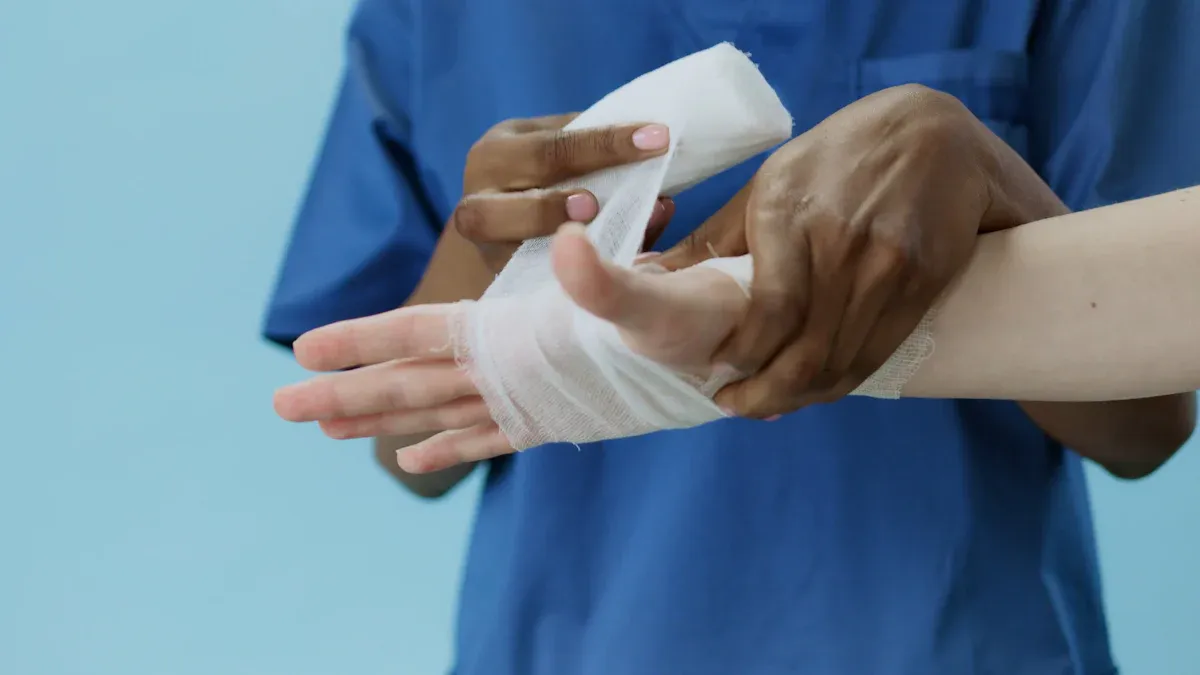
You need to act quickly when you have a swollen hand due to trauma. Immediate care can reduce pain and swelling. It also helps prevent further damage. The RICE protocol is your first line of defense.
RICE Protocol for Swelling
You can manage your injury with the RICE protocol. This method helps reduce pain and swelling. You should use this method for the first 1 to 3 days after an injury. If your pain and swelling do not improve in 5 to 7 days, you should see a doctor.
Rest: Stop your activity. Rest for the first 2 days. Avoid putting weight on the injured area for 48 to 72 hours. You can usually start moving the day after the injury if it does not cause more discomfort.
Ice: Apply an ice pack to your hand. Cover the ice pack with a towel. Apply it for 15 to 20 minutes every 2 to 3 hours during the first 24 to 48 hours. You can also apply ice for 10 minutes, stop for 20 minutes, and repeat one or two more times. Stop icing within 6 hours of the injury. For pain relief and to help stop bleeding, apply ice only in the first eight hours after injury. Use brief, 10-minute intervals. Always use a skin barrier. Apply ice for 10 to 20 minutes at a time, every hour or two, for 3 days or until the swelling stops.
Compression: Wrap the injured area with an elastic medical bandage. Wrap it snugly to prevent swelling. Make sure it is not too tight. It should not cut off blood flow. Loosen the bandage if your skin turns blue, feels cold, numb, or tingly. This gentle pressure helps control severe swelling.
Elevation: Raise the injured part of your hand, finger, or wrist. Keep it above the level of your heart. This helps reduce pain, throbbing, and swelling. It slows blood flow, limits bleeding, and encourages fluid drainage. You can do this even without ice.
This rest ice compression elevation method is crucial for initial care.
At-Home Pain Management
Managing pain is important for your comfort and recovery. You can use over-the-counter pain relievers. Non-steroidal anti-inflammatory drugs (NSAIDs) like ibuprofen or naproxen can help reduce both pain and swelling. Always follow the dosage instructions on the label. If you have any health conditions or take other medications, talk to your doctor or pharmacist before taking new pain medication.
Protecting the Injured Hand
You must protect your injured hand to prevent further damage. Avoid activities that put stress on your hand, finger, or wrist. You might use a splint or brace. These devices can stabilize the injured area. They help keep it still while it heals. If your doctor recommends it, you can start gentle movements. These movements should not cause pain. Protecting your hand is a key part of your care.
What Not to Do
You should avoid certain actions after a hand injury. Do not apply heat to the injury too early. Heat can increase swelling in the first 24 to 48 hours. Do not ignore severe pain. Do not try to “work through” the pain. This can make the injury worse. Do not delay seeking medical attention if your symptoms are severe or do not improve. You should not remove a splint or bandage unless a medical professional tells you to. Proper care is essential for healing.
When to Seek Medical Care
You need to know when your swollen hand injury requires professional help. Sometimes, home care is enough. Other times, you need to see a doctor right away. Recognizing these signs helps you get the right care.
Urgent Care Indicators
You should seek urgent medical attention for certain symptoms. If you notice swelling caused by an infection, you need prompt care. Numbness or tingling with any kind of swelling, especially after a traumatic injury, also signals a need for urgent care.
Watch for sudden, unexplained swelling in just one hand or wrist. Other serious signs include swelling accompanied by chest pain, trouble breathing, or coughing up blood. A fever with swelling, or skin that is red and warm to the touch, also means you need urgent medical attention. These symptoms suggest a more serious issue than a simple injury.
Emergency Room Situations
Some hand injuries demand immediate emergency medical treatment. You must go to the emergency room for open fractures. These are broken bones that break through your skin. They require immediate surgical consultation. If you have purulent tenosynovitis, which is an infection of the tendon sheath, you need emergent consultation.
This condition shows signs like slight finger flexion, uniform swelling, tenderness along the tendon, or pain when you passively extend your finger. Swelling, redness, tenderness, and eventual fluctuation in your thenar (thumb base) or midpalmar areas suggest an infection. These require urgent consultation for drainage and antibiotics. Fight bites, which are common severe injuries to the hand, are treated similarly. They also need urgent consultation for drainage and antibiotics. These situations involve significant pain and potential for serious complications.
Consulting a Specialist
You should consult a hand specialist for specific concerns. If you have severe pain and swelling that does not improve with rest or over-the-counter medication, see a specialist. Sudden bruising, deformity, or changes in your hand’s appearance may indicate broken bones or dislocations.
Persistent symptoms like continuous pain, stiffness, or limited range of motion, despite home remedies, also warrant a specialist’s opinion.
If you cannot perform daily tasks like gripping or typing, even with ongoing treatment, you need specialized care. A condition that progressively worsens despite following recommended treatments also means you should see a specialist. An obvious deformity or inability to move your hand, wrist, or finger normally are clear reasons to consult a specialist.
Diagnosis & Treatment
When you have a swollen hand due to trauma, getting a proper diagnosis is the first step toward effective treatment.
Medical Examination & Imaging
Your doctor will examine your hand and ask about your injury. They will check for signs of a fracture, assess your range of motion, and look for areas of pain. To get a clearer picture, they might order imaging tests.
X-rays are common for checking bone injuries like a fracture in your finger or wrist.
MRI (Magnetic Resonance Imaging) provides detailed images of bones and joints. It helps detect subtle fractures and joint injuries. An MRI is very useful for finding tears or strains in tendons and ligaments. It can also show nerve compression, which can cause swelling. This imaging helps diagnose tendonitis and tenosynovitis, which are inflammations of tendons and their sheaths that cause pain and swelling.
Dynamic radiography, like stress testing, assesses ligament damage when you have focal swelling after an acute injury.
Ultrasound (USS) can diagnose carpal tunnel syndrome by showing swelling or compression of the median nerve. It also helps evaluate synovial diseases and tendon diseases, which cause chronic wrist pain and swelling.
Non-Surgical Treatments
Many hand injuries do not need surgery. Your treatment will focus on reducing pain and swelling and promoting healing.
RICE Protocol: You should continue with Rest, Ice, Compression, and Elevation. This helps reduce swelling quickly. Apply ice for 15-20 minutes, use an elastic bandage for compression, and keep your hand elevated above your heart.
Medications: Nonsteroidal anti-inflammatory drugs (NSAIDs) like ibuprofen can relieve pain and inflammation.
Immobilization: Your doctor might use a cast or splint to keep your hand still. This helps a fracture heal.
Physical Therapy: You might need physical therapy to strengthen muscles, improve your range of motion, and increase flexibility in your hand and wrist.
Injections: Corticosteroid injections can temporarily relieve pain and inflammation in the affected area. Platelet-Rich Plasma (PRP) therapy uses your own blood to promote healing in injured tendons.
Surgical Interventions
Sometimes, surgery is necessary, especially for severe injuries. If you have a complex fracture, significant tendon or ligament tears, or severe nerve damage, you might need surgery. The goal of surgery is to repair damaged structures and restore function to your hand. After surgery, you will likely need physical therapy to regain strength and mobility.
Rehabilitation & Recovery
Your journey to full hand function continues after initial treatment. Rehabilitation helps you regain strength and mobility. This process is crucial for a successful recovery.
Physical Therapy & Exercises
Physical therapy is a key part of your recovery. You will learn specific exercises to strengthen your hand and improve movement. For example, you can do Wrist Extension and Flexion.
Place your forearm on a table with your palm down. Let your hand hang off the edge. Move your hand up and down at the wrist. You can add pressure from your other hand to extend the stretch. Repeat this with your palm facing up. You can also practice Thumb Extension and Flexion.
Start with your palm open. Move your thumb to touch your little finger. Continue moving your thumb back and forth. These exercises improve coordination. You can also improve fine motor skills by Stacking Coins or Pinching Clothespins with Each Finger. Consistency with these exercises helps your hand heal.
Managing Recovery Pain
Managing pain is important during your recovery. You can elevate your injured hand above your heart. This reduces swelling and pain. You can also gently move your fingers, wrist, or elbow if your doctor allows it.
This improves blood flow. Icing the painful area reduces swelling, inflammation, and pain. You can use over-the-counter options like Tylenol or Ibuprofen for pain relief. Prescription medications like Celebrex are also available. Opioids are a last resort for severe pain. Use them for the shortest time possible. Avoid smoking. Chemicals in cigarettes can increase pain. This treatment plan helps you manage discomfort.
Expected Recovery Timelines
Recovery timelines vary based on your injury. Swelling usually goes down within 3 to 7 days after surgery. Keep your hand elevated to help this process. You can typically return to work in 6 to 14 weeks.
Full recovery can take over a year. Most people can return to work within several months. Minor hand strains often heal in about 2 weeks. Moderate strains may take up to 1 month. Severe strains, especially those needing surgery, can take up to 3 months for full healing. Light activities are possible after 6-8 weeks. Heavy activities can resume after 10-12 weeks. Your initial care and the severity of your injury affect your recovery time.
Recognizing symptoms and providing immediate care are vital for a positive outcome when you have a swollen hand due to trauma. Understand the causes, symptoms, and the RICE protocol for managing swelling. Do not hesitate to seek professional medical attention for any significant or persistent pain and swelling. Swollen fingers, including your thumb or other finger, are common with many injuries. Your hand or wrist can fully recover with proper care.