

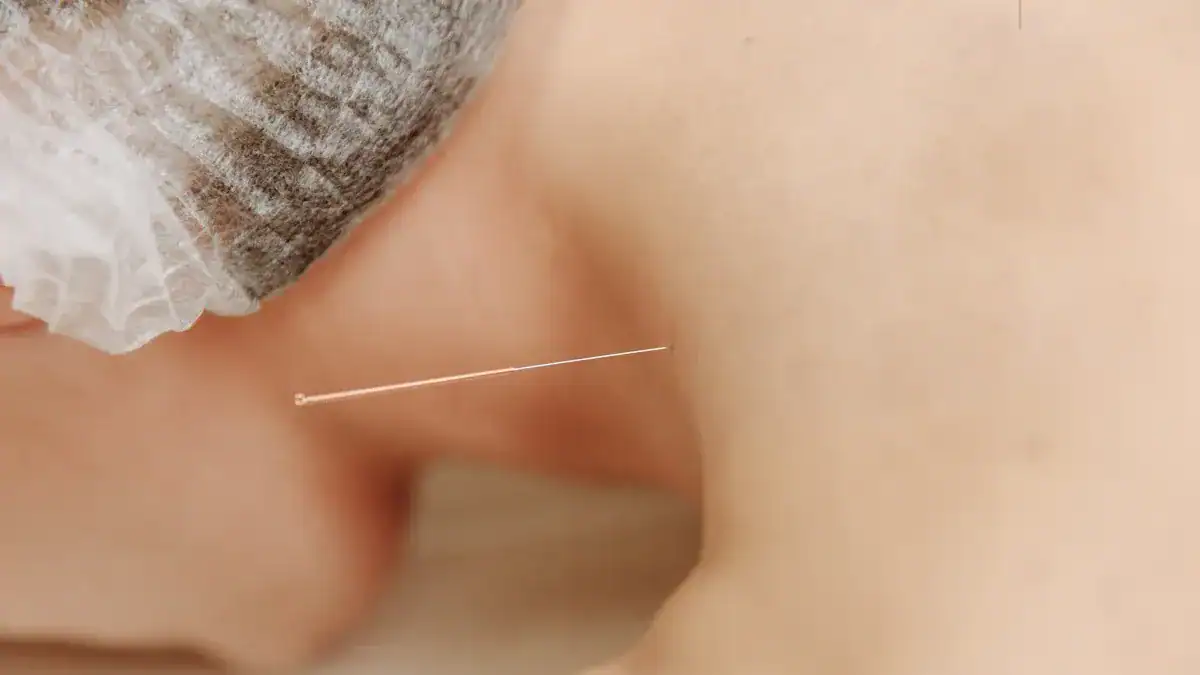
Imagine an invisible superhighway within the body. This intricate network consists of energy pathways. These pathways, known as meridians of the body, are vital energy channels within traditional chinese medicine. They form a three-dimensional network, connecting all body parts. Meridians carry qi, blood, and information throughout the body’s energy system. This life energy is crucial for overall health. Understanding meridians offers a holistic perspective on well-being.
Key Takeaways
Meridians are invisible energy paths in your body. They carry life energy, called Qi, to all your body parts.
Twelve main meridians connect to different organs. They help keep your body balanced and healthy.
Blocked meridians can cause pain and health problems. Stress and poor habits can block them.
You can keep your meridians healthy. Try acupuncture, herbs, and good lifestyle choices like Tai Chi.
Meridians show how your body parts are connected. This includes your teeth and organs.
What are Meridians of the Body
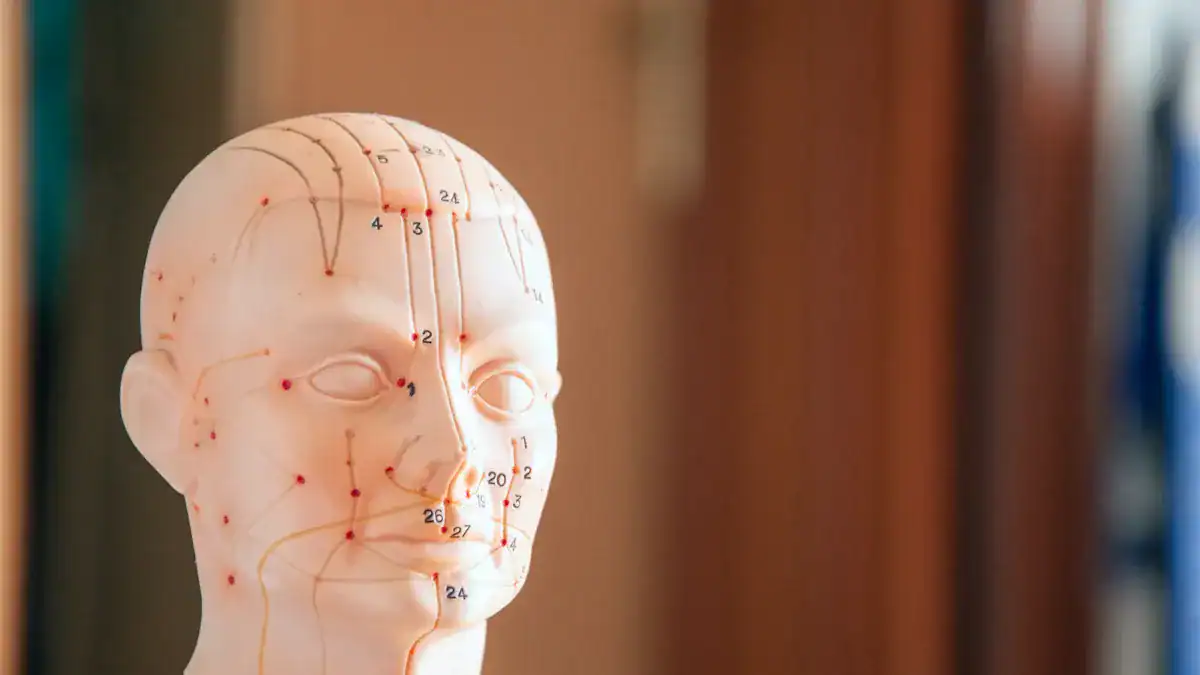
Meridians of the body are invisible energy pathways. They form a central part of traditional chinese medicine. These pathways create a three-dimensional network. This network connects all parts of the body. Meridians carry vital substances like qi, blood, and information throughout the body. They are also sensitive to changes.
The body contains twelve main meridians. These pathways run through the top layer of skin and fascia. Fascia is a continuous network of connective tissue. It supports organs, muscles, bones, and nerves.
Scientific studies show interesting connections. For example, 3D reconstructions from projects like the Visible Chinese Human (VCH) show that fascial connective tissues closely match the traditional meridian network.
These reconstructions reveal line-like structures within the fascia. These structures appear similar to acupoints and acupuncture meridians. They form a network that closely matches the anatomical locations of virtual meridians. Further studies using CT and MRI scans in living people also found these line-like structures. They resemble traditional Chinese meridians in their form and distribution.
Researchers suggest that acupuncture meridians might be part of the body’s extracellular matrix. Fascia serves as an important anatomical base for these pathways. The ‘needle grasp’ sensation during acupuncture, known as deqi, involves physical interaction with connective tissue in the fascia.
This suggests that fascia plays a key role in how acupuncture works. The histological makeup of meridians includes nonspecific connective tissues. These tissues contain nerve endings, small blood vessels, fibroblasts, and immune cells. In total, there are fourteen main meridians. This count includes the twelve primary ones plus the Conception Vessel and the Governing Vessel. This entire network is often called the meridian system.
Qi and Vital Energy
Qi is the fundamental life force. People also call it vital energy. It powers all physical and mental functions. The body gets qi from two main sources: the air we breathe and the food we eat. This concept aligns well with modern biology. Oxygen from the air fuels cellular functions. Nutrients from food convert into ATP. ATP is the energy currency that powers all cells.
The body constantly replenishes qi from food and air. It then distributes qi as ‘nourishment’ and ‘defense’ throughout the body. This process is similar to how modern biology understands the supply of nutrients like oxygen and glucose to tissues. It also relates to tissue repair and various immune functions. When qi flows smoothly, the body functions well.
Qi invigorates organs, nourishes tissues, promotes movement, and protects against harmful agents. Problems with qi, such as too much, too little, or blockages, can lead to health issues. These issues are comparable to problems with nutrient supply, tissue repair, or immune functions in modern biological terms.
Yin-Yang Balance
The concept of Yin and Yang is central to understanding acupuncture channels. Meridians are categorized as either Yin or Yang. Yin meridians typically run along the front and inner parts of the body.
They are associated with coolness, rest, and nourishment. Yang meridians generally run along the back and outer parts of the body. They relate to warmth, activity, and protection. A healthy body maintains a harmonious flow of qi through both Yin and Yang acupuncture channels. This balance is crucial for overall well-being. Imbalances in these channels can lead to various symptoms.
Five Elements Connection
The meridian system also connects to the Five Elements theory. This theory includes Wood, Fire, Earth, Metal, and Water. Each pair of meridians, one Yin and one Yang, associates with one of these five elements. For example, the Liver (Yin) and Gallbladder (Yang) meridians connect to the Wood element. This connection helps explain the relationships between different organs and body functions. Understanding these links provides a deeper insight into health and disease within traditional Chinese medicine. Maintaining energy balance across these elemental connections supports the body’s natural healing abilities.
The 12 Meridians Chart and Their Functions
The body contains twelve main meridians. These energy pathways are crucial for health. Six meridians run on each side of the body. They form a balanced network. This section details each of these primary meridians. It also covers their functions and pathways. The 12 meridians chart helps visualize these vital routes.
Lung Meridian
The Lung Meridian is a Yin meridian. It begins in the chest. It then travels down the arm along the inner surface. It ends at the thumb. The lungs control Qi and breathing in Traditional Chinese Medicine. This meridian helps the body absorb useful things and release what it no longer needs.
It connects with emotions like grief and sadness. It also relates to dignity and high self-esteem. The lungs create “Wei Qi.” This is like an energetic immune system. It protects against illness. The Lung Meridian also plays a big role in water metabolism and skin health. It helps regulate the body’s life force. This meridian assists in blood circulation. It acts as a bridge between the body’s inside and outside. It defends against outside sickness. The body’s energies can be judged by the pulse on this meridian.
Large Intestine Meridian
The Large Intestine Meridian is a Yang meridian. It starts at the index finger. It runs up the arm, across the shoulder, and along the neck to the face. It ends beside the nose. This meridian helps the body let go of waste. It also helps release old emotions. Imbalances can cause many issues. These include headaches, breathing problems, and allergies.
Constipation and skin problems are also common. People might experience unresolved grief or sadness. They may have trouble letting go of past thoughts. Digestive issues like bloating or diarrhea can occur. Skin disorders like acne or psoriasis may appear. This meridian helps process emotions. It helps release negative experiences.
Stomach Meridian
The Stomach Meridian is a Yang meridian. It begins at the side of the nose. It travels up to the hairline and forehead. It then goes down the neck, chest, and abdomen. It continues down the front of the leg. It ends at the second toe. This long pathway shows its importance in digestion. The Stomach meridian receives food and begins its breakdown. It helps transform food into energy for the body. A branch also connects to the spleen. This shows their close relationship in digestion.
Spleen Meridian
The Spleen Meridian is a Yin meridian. It starts at the big toe. It runs up the inner leg, across the abdomen, and ends on the side of the chest. In Traditional Chinese Medicine, the Spleen system governs digestion. It absorbs nutrients. It changes food into Qi (energy) and blood. This ensures muscles, limbs, and organs get proper nourishment.
The Spleen also manages water in the body. It prevents problems like bloating or fatigue. Chronic worry or poor eating habits can weaken the Spleen. Eating warm, cooked foods helps strengthen Spleen Qi. Avoiding cold foods and dairy also helps. Practices like meditation and gentle movement support the Spleen’s function.
Heart Meridian
The Heart Meridian is a Yin meridian. It begins in the heart. It travels down the inner arm. It ends at the little finger. The Heart governs blood and houses the Shen (spirit). It influences mental clarity and emotional balance. The Heart connects to joy. Too much excitement can scatter the Heart’s energy.
This can lead to agitation or burnout. Many heart patients struggle with anger. This emotion can create a negative energy imbalance in the Heart Meridian. It disrupts energy flow. This may contribute to heart disease. Excessive joy, sadness, or even slight depression can affect the Heart. This meridian is vital for emotional well-being.
Small Intestine Meridian
The Small Intestine Meridian is a Yang meridian. It starts at the little finger. It runs up the arm, across the shoulder blade, and along the neck to the ear. It ends in front of the ear. This meridian separates pure from impure.
It helps the body absorb nutrients. It also helps sort thoughts and emotions. Imbalances can cause anxiety or emotional agitation. People might experience insomnia or disturbing dreams. Palpitations or an irregular heartbeat can occur. Digestive troubles like bloating are common. Mental confusion or difficulty focusing can also be signs. Pain in the inner arm, shoulder, or neck may also appear. This meridian plays a role in mental clarity.
Bladder Meridian
The Bladder Meridian is a Yang meridian. It is the longest meridian in the body. It starts at the inner corner of the eye. It goes over the head, down the back, and along the back of the legs. It ends at the little toe. This meridian traverses the head and neck. It runs up the back of the calf and thigh. It influences the back, spine, and nervous system. It helps store and excrete urine. Problems with this meridian can affect the back and head.
Kidney Meridian
The Kidney Meridian is a Yin meridian. It starts under the little toe. It runs up the inner leg, along the abdomen, and ends on the chest. The Kidneys store Jing, or essence. This essence governs growth, reproduction, and development. This meridian is linked to longevity and vitality. It is a key focus for overall wellness. It helps restore and revitalize the body. It also calms the system. The Kidney Meridian supports digestion and alleviates pain. It is crucial for overall health and energy.
Pericardium Meridian
The Pericardium Meridian is a Yin meridian. It starts in the chest. It travels down the inner arm. It ends at the middle finger. This meridian protects the heart. It acts like the heart’s bodyguard. It shields the heart from emotional distress. This includes fear from the kidneys, frustration from the liver, and grief from the lungs. It helps regulate circulation in the major blood vessels. It also influences intimacy and sexual fluid secretion. This meridian is vital for emotional defense and cardiovascular health.
Triple Warmer Meridian
The Triple Warmer Meridian is a Yang meridian. It starts at the ring finger. It runs up the arm, across the shoulder, and along the neck to the head. It ends at the eyebrow. This meridian is not linked to a single organ. It represents three functional areas: the Upper, Middle, and Lower Burners. It regulates Qi and body fluids throughout the body. It ensures even fluid distribution and smooth Qi flow. This meridian also manages body temperature. It controls metabolism. It is associated with the endocrine system. This system regulates hormones.
Gallbladder Meridian
The Gallbladder Meridian is a Yang meridian. It starts at the outer corner of the eye. It zigzags across the head. It then runs down the side of the body and leg. It ends at the fourth toe. This meridian stores and excretes bile. It influences decision-making and courage. Imbalances can cause headaches, especially migraines. Neck, shoulder, or hip pain are common. Digestive issues, especially with fatty foods, can occur. Emotionally, people might feel indecisive or frustrated. They may lack courage or assertiveness. Muscle and body pain can also be signs of imbalance.
Liver Meridian
The Liver Meridian is a Yin meridian. It starts at the big toe. It runs up the inner leg, across the abdomen, and ends on the chest. The liver detoxifies hormones and emotions. It processes anger, frustration, and resentment. This meridian ensures the smooth flow of vital energy (Qi) throughout the body. When Liver Qi stagnates, it can lead to irritability and anger. It can also cause tension headaches. The Liver Meridian supports emotional balance. It stores and distributes blood. Acupuncture, herbal medicine, and lifestyle changes can help balance this meridian.
Conception and Governing Vessels
These two are special acupuncture meridians. They are not part of the twelve primary meridians. They are called Extraordinary Vessels. The Conception Vessel runs up the front midline of the body. It links all Yin channels. The Governing Vessel runs up the back midline of the body. It links all Yang channels. These vessels define the front and back of the body. They strengthen other meridians. They circulate Yin, Yang, Blood, Qi, and Jing (Essence). They also protect the body from sickness. The Governing Vessel develops into the spinal column. The Conception Vessel forms the digestive system. These two master meridians are the foundation for the 12 meridians chart.
Meridian Imbalances and Health
Meridian imbalances disrupt the body’s natural energy flow. These disruptions can lead to various health problems. Understanding these imbalances helps in maintaining overall well-being.
Causes of Blockages
Several factors cause meridian blockages. Muscle contraction due to stress can obstruct qi flow in these channels. Experiments show increased hydraulic resistance in these pathways when muscles contract under electrical stimulation.
Stagnation of qi and blood also creates blockages. The body can retain Phlegm and Blood in the joints. Pathogenic factors like Wind, Cold, Dampness, and Heat can invade the meridians. An overabundance of Yang, hyperactivity of the Liver, or excessive intake of alcohol and food can lead to pathogenic Wind, Dampness, and Heat retention. Pathogenic Wind-Cold combined with Dampness also invades the meridians. Overwork and powerful stress are common causes. They lead to Kidney Yin deficiency. This deficiency can cause serious health problems. Prolonged stress can also contribute to these blockages.
Symptoms of Imbalance
Meridian imbalances show various physical and emotional symptoms. Pain often appears along specific meridians. This pain links to an unbalanced emotional state.
“Various pains often show up on the body along certain meridians which are linked to an unbalanced emotional state. If we treat both the emotion and the pain, we can expect a better, lasting result.”
-Candice Behan, Acupuncturist at Clover Acupuncture & Wellness Emotional symptoms include anxiety, fear, anger, and sadness. For example, imbalances in the Heart meridian can cause anxiety. The Liver meridian relates to anger. Physical signs might involve fatigue, digestive issues, or chronic pain. Recognizing these signs helps identify imbalances. Seeking relief for these symptoms is important. Managing stress can also help reduce these symptoms.
Organ System Impact
Meridian imbalances directly affect internal organ systems. Ten of the twelve main meridians associate with specific organs. These include the heart, lung, stomach, and kidney.
Meridians connect inner organs, joints, and extremities. They integrate the body into one organism. Disruptions in qi, blood, and fluid flow cause disease. This disruption causes an energy imbalance. An overworking of Yang organs or a deficiency in Yin organs directly relates to health issues. For instance, a drained small intestine meridian can cause a blockage. This forces other meridians to overcompensate. This creates an energetic Yin/Yang imbalance. It results in further symptoms and impacts organ function. This can lead to increased physical stress on the body.
Activating Meridian Pathways
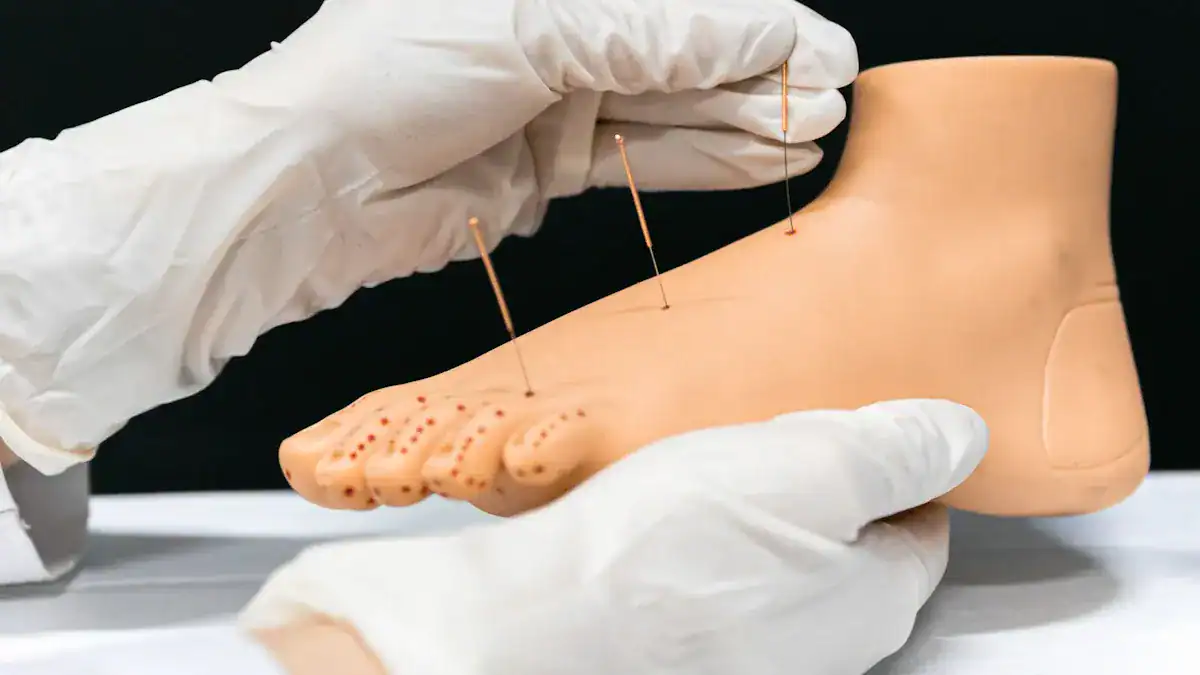
People can activate meridian pathways to restore balance and promote healing. Various practices help maintain the smooth flow of vital energy. These methods address imbalances and support overall well-being.
Acupuncture and Acupressure
Acupuncture and acupressure are key methods for activating meridians. Acupuncture involves inserting thin needles into specific points. Acupressure uses physical pressure on these same points. These modalities interact with acupoints to restore balance. Acupoints are rich in receptors, nerve endings, and blood vessels. When stimulated, they activate a local network. This network amplifies the signal through the meridian network. It influences the neuroendocrine-immune system. This interaction involves mast cell-nerve interactions. It also releases chemical substances like adenosine and neurotransmitters. Acupuncture has extensive physiological functions. It connects the nervous, endocrine, and immune systems. The nervous system plays a primary role. It generates effects through neural arcs.
Acupuncture induces specific changes in the local microenvironment. This forms the biological basis of the Acupoint Network. Research shows a strip-like compound structure of mast cells, blood vessels, and nerve networks in acupoint areas. This highlights the interrelation among blood-vessel, nerve, and immune networks. Stimulation releases neuromodulators like adenosine.
This has antinociceptive properties. Local adenosine triphosphate (ATP) is a key factor in acupuncture analgesia. Mast cells, abundant in acupoints, activate and degranulate under pressure. They release histamine and adenosine. These interactions trigger and amplify acupuncture signals.
They produce a systemic regulatory effect. Many people find relief from various conditions through acupuncture. Acupressure also offers similar benefits. Ancient Chinese acupressure techniques provide a gentle way to promote healing. Tapping for stress relief is another form of acupressure. It can be a simple stress-relief technique. Guided tapping sessions can help with anxiety relief.
Herbal Remedies
Herbal remedies also support meridian health. Traditional Chinese Medicine uses specific herbs to target different meridians. These herbs help clear blockages, nourish organs, and balance energy. For example, certain herbs can strengthen the Spleen meridian. This improves digestion. Other herbs can calm the Liver meridian. This reduces irritability. Herbal formulas are often customized. They address individual imbalances. They promote natural healing.
Lifestyle for Flow
Lifestyle choices significantly impact meridian energy flow. Practices like Qi Gong and Tai Chi gently move Qi through the meridians. They improve physical and emotional health. Deep, abdominal breathing strengthens Lung Qi. This promotes calmness and vitality.
Eating whole, nourishing foods supports postnatal Qi. Avoiding excessive sugar and processed foods prevents Qi stagnation. Prioritize rest and stress management. Stress and overwork are common causes of Qi depletion. Incorporate restful practices into your routine. This allows your body to recharge. Meditation, yoga, and spending time in nature help prevent Qi from becoming blocked. These practices offer great stress relief.
Holistic Connections
Holistic dentistry integrates the meridian system. Each tooth links to a specific meridian. This meridian connects to various organs and systems. This interconnectedness means oral health reflects and influences overall bodily health.
Chronic pain in a tooth can indicate underlying issues in the associated organ. Dental procedures can disrupt energy flow along these meridians. This potentially causes imbalances in corresponding organs. Oral infections can worsen conditions linked to the same meridian. For example, cardiovascular problems associate with meridians passing through the oral cavity. Holistic medicine recognizes an energetic link between teeth and organs. Meridians act as energy pathways. An infected tooth can disrupt energy flow. This causes dysfunction in a related organ. Treating oral infections can improve overall healing.
Meridians of the body serve as vital energy pathways. They maintain health according to traditional chinese medicine. This intricate meridian system connects all body parts. It ensures overall balance. Understanding and balancing these pathways offers potential for holistic well-being and disease prevention. Readers can explore TCM practices. These practices provide personal health benefits and a deeper connection to their body’s energy.
FAQ
What are meridians in the body?
Meridians are invisible energy pathways. They form a network throughout the body. These pathways carry vital energy, called Qi. They connect organs and body parts. This network is central to Traditional Chinese Medicine.
What is Qi?
Qi is the body’s fundamental life force. People also call it vital energy. It powers all physical and mental functions. The body gets Qi from the air we breathe and the food we eat. Smooth Qi flow promotes good health.
What happens when meridians are blocked?
Blockages in meridians disrupt energy flow. This can cause pain and various health problems. Symptoms include fatigue, digestive issues, or emotional imbalances. Restoring flow helps the body heal.
What are the main types of meridians?
The body has twelve main meridians. Six run on each side of the body. They are categorized as Yin or Yang. Yin meridians run along the front and inner body. Yang meridians run along the back and outer body.
What is the purpose of the meridian system?
The meridian system ensures vital energy flows smoothly. It connects all body parts and organs. This system maintains balance and health. It helps the body adapt and heal.


